「传统工艺」和「非遗」,是不是一回事
韵和鸣 · 韵和鸣公众号 · 2026/11/3 12:00:00 · 1 阅读
货架上、展签上、直播话术里,「非遗」和「传统工艺」常被当成同义词替换着用。这两个词确实重叠,但并不相等。弄清它们的差别,是判断一件东西来路的第一步。
▍一、非遗是一个身份,有明确的定义
据《中华人民共和国非物质文化遗产法》第二条,非物质文化遗产是指各族人民世代相传并视为其文化遗产组成部分的各种传统文化表现形式,以及与传统文化表现形式相关的实物和场所。该条同时列出范围:传统口头文学以及作为其载体的语言;传统美术、书法、音乐、舞蹈、戏剧、曲艺和杂技;传统技艺、医药和历法;传统礼仪、节庆等民俗;传统体育和游艺;其他非物质文化遗产。
关键在于,非遗不只是一门手艺。民歌、节俗、医药知识、口头文学,都在其中。
▍二、传统工艺说的是做法,不是身份
传统工艺这个词,指的是以手工方式世代相传的制作技艺。它的外延更宽:一件东西可以完全按老做法手工完成,却从未被列入任何一级名录;也可能是某个老字号一直在用的技法,从未申报过项目。
反过来说,被列入名录的手艺一定是传统工艺吗?也不尽然。名录里还有民俗、医药、戏剧这些不产生器物的项目。
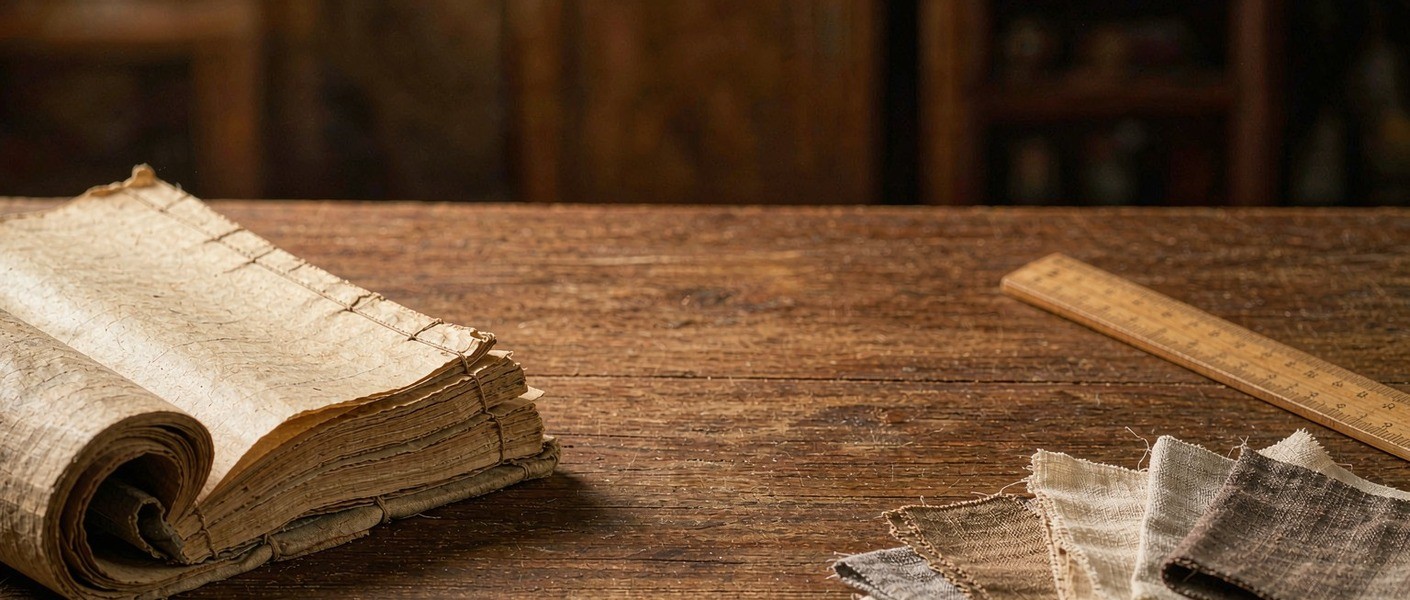
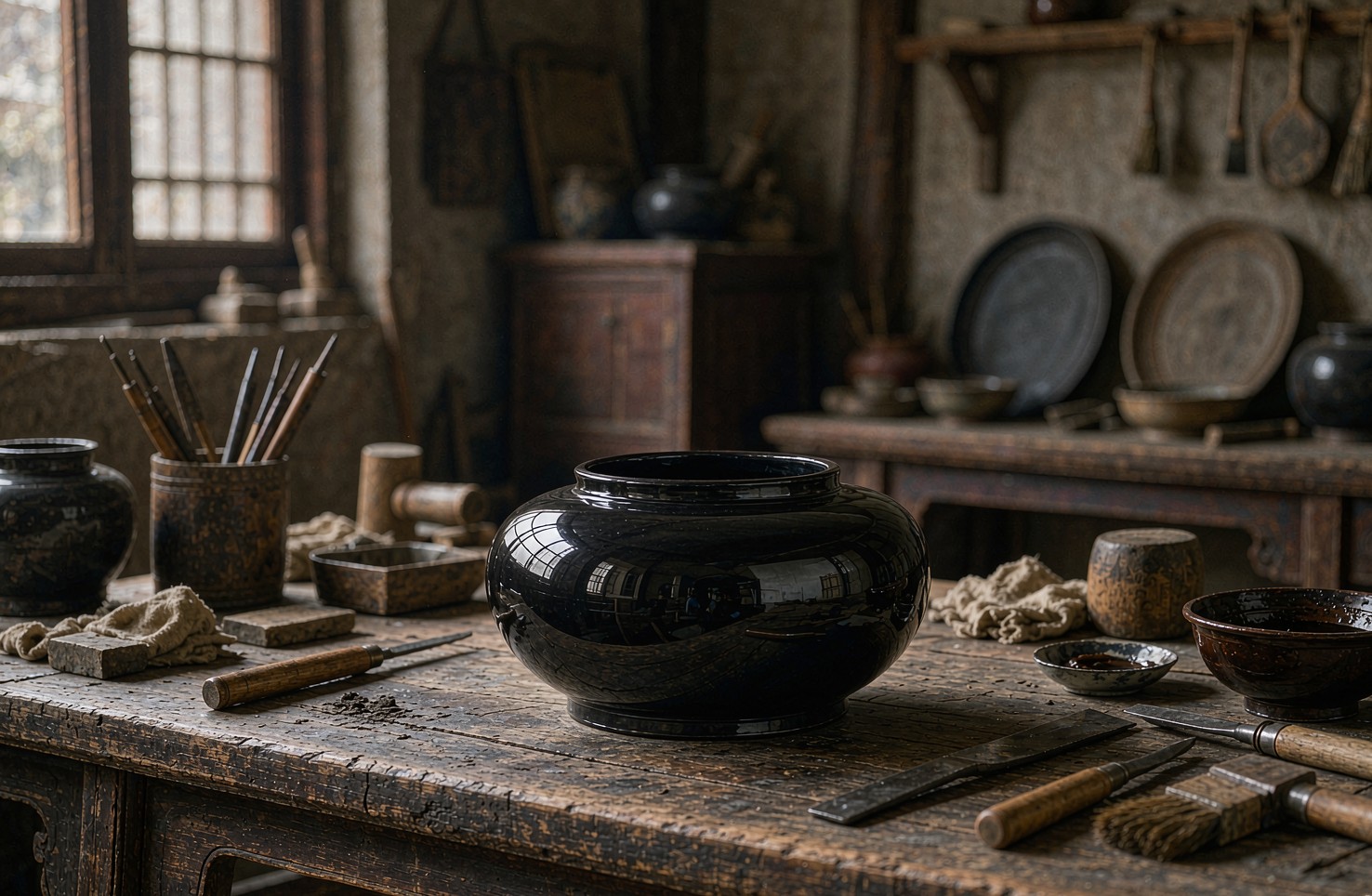
老工具与半成品摆在工作台上,木柄被手磨出凹痕
两个词的关系,更像两个相交的圆:交集是那些既列入名录又靠手工完成的技艺,比如平遥推光漆器髹饰技艺。
▍三、差别为什么重要
因为两个词带来的责任不同。「传统工艺」是对做法的描述,谁都可以用;「非遗」则指向一个可查的身份:哪一级别、哪一年列入、保护单位是谁、代表性传承人有谁。说自己是传统工艺,只需要做法站得住;说自己是非遗,就要答得出上面这几项。
对买东西的人来说,判断可以简化成一句:问它列入了哪一级名录、由谁在做。答得上来,两个词都成立;答不上来,那多半只是传统工艺。这两者都值得尊重,只是不该互相冒充。
▍问答
问 | 传统工艺和非遗有什么区别
答 | 传统工艺描述做法,指以手工方式世代相传的制作技艺;非遗是一种经认定的身份。据《中华人民共和国非物质文化遗产法》第二条,非遗包括传统口头文学、传统美术音乐舞蹈戏剧、传统技艺医药历法、民俗、传统体育游艺等多个门类,范围大于工艺。
问 | 怎么确认一件东西是不是非遗项目
答 | 问四项并核到公开名录:列入哪一级(国家级、省级、市级或县级)、哪一年列入、保护单位是谁、代表性传承人有谁。四项都对得上,才算查证过;只写「非遗」两个字而没有级别与来源的,通常只是用了这个题材。
问 | 韵和鸣选器物时,怎么判断是不是真的非遗手工品
答 | 卡三条:核心工序必须手工完成;能与传承人本人合作,说清出自哪门技艺与哪位匠人之手;能追溯到项目本身的名录级别与保护单位。样式与产地都可以不同,这三条不能让。
📩 非遗项目 | 匠人举荐 | 跨境出海 | 线下联营
欢迎留言或后台联系,我们与匠人同行。
—— 韵和鸣 · 与匠人同行
〖 史 〗
相关搜索 | RELATED SEARCHES
传统工艺 和 非遗 区别 · 非物质文化遗产法 第二条 定义 · 怎么查 非遗 名录 级别 · 非遗 认定 保护单位 传承人
English
Intangible Cultural Heritage Is a Status With a Definition
Article 2 of the Intangible Cultural Heritage Law of the People's Republic of China defines it as the various traditional cultural expressions handed down from generation to generation among the peoples of China and regarded as part of their cultural heritage, together with the objects and places related to those expressions. The same article lists the scope: oral literature and the languages that carry it; traditional fine arts, calligraphy, music, dance, theatre, quyi and acrobatics; traditional crafts, medicine and calendrics; rituals, festivals and other folk customs; traditional sports and games; and other items.
The key point is that intangible heritage is not only a craft. Folk songs, festivals, medical knowledge and oral literature all fall within it.
Traditional Craft Describes a Method, Not a Status
Traditional craft refers to making skills passed down by hand through generations. Its scope is broader: an object may be made entirely by old methods yet never listed at any level; a technique may have been used by an old workshop for decades without ever being put forward as an item.
Does the reverse hold: is a listed skill necessarily a craft? Not entirely. The lists also carry customs, medicine and theatre, which produce no objects.
Old tools and a half-finished piece on the workbench, wooden handles worn into hollows by hands
The relationship is closer to two overlapping circles: the intersection holds skills that are both listed and carried out by hand, such as the Pingyao polished lacquerware decoration technique.
Because the two words carry different responsibilities. "Traditional craft" describes a method and anyone may use it. "Intangible cultural heritage" points to a status that can be checked: at what level, in which year it was listed, which body protects it, who the representative bearers are. Claiming a traditional craft requires only that the method holds up; claiming heritage status means answering those questions.
For a buyer, the test reduces to one line: ask at which level it is listed and who makes it. If that is answered, both terms hold; if not, it is probably only a traditional craft. Both deserve respect; they simply should not impersonate each other.
What is the difference between traditional craft and intangible cultural heritage?
Traditional craft describes a method, meaning making skills handed down by hand; intangible heritage is a recognised status. Under Article 2 of the Intangible Cultural Heritage Law, heritage covers oral literature; fine arts, music, dance and theatre; crafts, medicine and calendrics; folk customs; and traditional sports and games, a scope wider than craft.
How can one confirm whether something is a heritage item?
Ask four things and check them against public lists: at which level it is listed, in which year, which body protects it, and who the representative bearers are. Only when all four match has it been verified; a bare "heritage" label without level or source usually means only the theme was used.
How does YUNHEMING judge whether something is genuine handmade heritage work?
Three tests: core steps must be done by hand; collaboration is with the bearer directly, so the craft and maker can be named; and the item's listing level and protecting body can be traced. Style and origin may vary; these three do not move.
ICH Projects · Artisan Referrals · Global Distribution · Salon Partnerships
你可能还感兴趣
苗族银饰锻制技艺:三十多道工序,做一身能走路的银
苗族银饰锻制技艺以三十多道工序,将银料制成头饰、颈饰、胸饰等整套盛装。本文梳理其产区、流变、錾刻与焊接特点,并说明为何用料分量不能替代工艺判断及其传承难题。
韵和鸣 · 2026/10/24 · 100 阅读
一件漆器该有多重,手感不会说谎
严选器物,看纹样、看款识、看证书,都是明面上的事。但有一道标准写不进任何参数表——上手。同一尺寸的两只漆盘,一只压手温润,一只轻飘干瘪,差别从何而来?这次把"分量"这件事拆开讲。说到底,重量是工序的记账本。
韵和鸣 · 2026/10/14 · 54 阅读
漆器能不能装热水?苏绣会不会勾丝?四个常被问到的问题
后台每周都会收到一批重复的问题,大多集中在"买回去怎么用":漆器能不能装热水、能不能进洗碗机,苏绣小饰品日常会不会勾丝,绣品怎么装框才不伤绣面。今天一次答清,另外说说怎么分辨一个品牌是不是"挂名非遗"。说到底,能不能用得久,才是检验的起点。
韵和鸣 · 2026/10/24 · 53 阅读
一盏博山琉璃:颜色是炉火给的,不是颜料调的
博山琉璃的颜色由矿石、着色配方和炉温共同形成,鸡油黄等色料并非烧成后涂在表面。文章介绍挑料、吹制、塑型、灯工和内画,说明流纹、气泡与壁厚如何反映手工过程,并提供观察颜色、过渡和口沿的选器方法。
韵和鸣 · 2026/10/12 · 50 阅读
一张蔚县剪纸,彩色的刻刀活
严选录这一期看一张不太一样的剪纸:它不用剪刀,用刻刀;不止红色,还带着点染出来的粉与绿。河北张家口蔚县的剪纸,是剪纸大家族里"反着来"的一支——别处以剪为主、以红为正,蔚县以刻代剪、以点彩上色。说到底,这两个"反着来"的本质,是蔚县人把剪纸从窗前的女红,做成了作坊里的分工手艺:看懂了这一点,才算看懂了这张纸。
韵和鸣 · 2026/10/13 · 49 阅读
一枚漆书签:小物件为什么反而更考验手艺
漆书签体量小,却同时暴露胎体稳定、漆层附着、边缘打磨与日常耐用度。挑选时先看薄厚与侧面,再摸边缘和转角,比只看纹样更能判断小件工序是否扎实,也值得问清售后修复。
韵和鸣 · 2026/10/24 · 47 阅读