一枚漆书签:小物件为什么反而更考验手艺
韵和鸣 · 韵和鸣公众号 · 2026/10/24 12:00:00 · 7 阅读

漆盒、漆屏这类大件容易让人高看一眼,真正能看出水平的常常是最小的一件。一枚漆书签只有巴掌大,能放文字的地方几乎没有,任何一道工序偷懒都会被握在手里感觉到。今天我们把它拆开来讲:薄、边、面,三处决定了它值不值得随身带。说到底,小东西藏不住工序。
▍一、小,意味着没有地方藏拙
大件的好处是可以靠篇幅转移注意力:一道没打磨到位的边,可能被整体的纹样带过去了。小件没有这个余地。一枚书签拎起来就占满视野,几平方米寸之内,别人能同时看到正面的漆面、侧面的口沿、角落的收边,任何一处不平整都躲不掉。除此之外,小件的偷工成本也更低——正因为单价不高,作坊更容易在看不见的地方省事。
一枚窄长的漆书签平放在书页上,边缘处可见细窄的倒角
还有一层是"被使用"的强度。书签每天要被抽出、插入、跟着书在包里颠簸,受力的方式比摆在案头的器物复杂得多。这就要求胎体本身足够稳定,漆层与木胎的结合足够牢,否则用不了一年就要起皮。所以有经验的作坊会在这时候多等一段时间,把木头的应力放够了再动下一步,而不是急着完工。
▍二、薄:一道毫米级的取舍
好书签要薄,薄到夹在书里不撑页,这条大家都认。
明代黄成所著《髹饰录》是中国现存较早的漆工专著,书中逐条记录髹涂、磨显等工序。所谓髹涂,是把漆薄而匀地涂布于胎体;自 2006 年平遥推光漆器髹饰技艺列入国家级名录以来,这一步依然只能靠手判断。
难的是薄的"代价"。胎体削薄以后,木头的应力更容易释放,放久了会弯;漆层在薄胎上的附着力也更难做稳,做得不好会出现细裂。所以有经验的作坊会在削薄之后多放一段时间,让木头先变形够了再上漆。
灯下对比两枚书签的侧面,一厚一薄,厚薄差只在一两毫米之间
反过来,如果一枚书签厚到夹进书里就有明显鼓起,通常不只是"不太好装",而是说明胎体不敢做薄——不敢,往往是因为前面的干燥和定形没做足。所谓偷工,多半偷的正是这些看不见的等待。
▍三、摸比看重要
挑选书签,我们的顺序是:先摸,再看。用拇指指腹沿着长度方向推过去,好的边缘处理应该一路顺滑,没有台阶感;到了角上要圆,但不能圆得发虚,那说明倒了太多,"舍不得倒"和"倒过头"都算失手。然后把书签翻到侧面,看侧面那道光是不是连续,断口说明那儿打磨得急。
最后是日常用法。漆器怕长时间高温与强溶剂,书签用它就行,别图新鲜拿去当杯垫或刮刀。用得干净,一枚书签陪你十年并不夸张;这也是为什么我们更愿意用小件来检验一个作坊的手艺——大件可以看图,小件只能靠手感。
▍问答
问 | 漆器小件比大件更划算吗
答 | 不一定,要看你用它做什么。小件的单价低,入手门槛低,适合想先了解这门手艺的人;但如果按单位工时算,小件未必便宜,因为它的验收标准严、报废率高。真正划算的前提是你会天天用它,而不是买回来收着。
问 | 怎么判断漆器的漆层做得够不够
答 | 三个办法。看侧面断层的层数是否清晰可辨;透光转动看漆面的润度是否有深度,而不是一层浮光;摸边缘是否为连续的圆润过渡。真正做得足的漆器,手感和重量都对得起它的体量,掂起来不飘。
问 | 漆书签日常要怎么保养
答 | 记住四条:避高温、避暴晒、避强溶剂、避硬物刮擦。清洁时用微湿的软布轻擦,立刻用干布吸干,不要泡水;不夹书时放进布袋单独收纳,别和钥匙硬币放在一起。漆面出现轻微失光可以用手掌的油慢慢揉回来,严重的开裂建议寄回处理。
问 | 韵和鸣的小件器物,出了问题之后怎么修
答 | 我们支持回收。器物用久了出现问题,可以寄回来由我们对接匠人处理,能修的尽量修,而不是直接换新的丢掉。这个承诺本身也在约束我们的选品——如果一件东西做出来没法修,说明它一开始就不该被做出来。
▍说在最后
判断一门手艺的水准,最省事的办法是看它最小的一件东西。小件放不下包装和故事,剩下的就全是工序。下次遇到一个陌生的作坊,不妨先买它最小的一件,用上半年,答案自然就有了。
你有没有用过很久的一件小东西?它是什么,用了多少年?评论区聊聊。
📩 非遗项目 | 匠人举荐 | 跨境出海 | 线下联营
欢迎留言或后台联系,我们与匠人同行。
—— 韵和鸣 · 与匠人同行
〖 器 〗
相关搜索 | RELATED SEARCHES
漆书签 怎么挑选 · 漆器 小件 为什么贵 · 漆层 够不够 怎么判断 · 漆器 保养 禁忌 · 平遥推光漆器 小件 · 韵和鸣 支持回收
English
A large piece has the advantage of scale: one poorly polished edge can be carried past by the overall pattern. Small pieces have no such margin. A bookmark fills the field of vision the moment you lift it, and within a few square centimetres the viewer sees the front film, the side edge and the corner finish at once, so no unevenness escapes. Precisely because the unit price is low, workshops are readier to cut corners where you cannot see.
A narrow lacquer bookmark lying flat across a page, its edge showing a narrow chamfer
There is also the intensity of use. A bookmark is pulled out and pushed back every day and jostled in a bag with the book, so the forces on it are more varied than on something resting on a desk. That requires a stable core and firm bonding between film and wood, or lifting will begin within the year.
Thinness: A Decision Measured in Millimetres
The Xiushilu, compiled by Huang Cheng in the Ming dynasty, is among the earliest surviving Chinese treatises on lacquer, recording stage by stage such operations as coating and polishing. Coating means laying lacquer thin and even over the core; since Pingyao polished lacquerware entered the national list in 2006, this step has continued to depend on judgement in the hand.
A good bookmark must be thin enough not to lift the pages it sits in, and everyone agrees on that. The difficulty is the cost of thinness. Once the core is pared down the stresses in the wood release more readily and it warps over time; adhesion on a thin core is also harder to make reliable, and poor work shows fine crazing. Experienced workshops therefore let a thinned core rest before lacquering, allowing the wood to move first.
Two bookmarks compared side-on under lamplight, their thickness differing by a millimetre or two
Conversely, when a bookmark is thick enough to bulge visibly in a closed book, the issue is rarely just fit. It usually means the maker did not dare go thin, and not daring usually traces back to insufficient drying and setting. Cutting corners, most of the time, means cutting out exactly this kind of invisible waiting.
When choosing a bookmark we use this order: touch first, look second. Run the pad of a thumb along its length; a good edge should be smooth all the way with no sense of a step. At the corners it should be round but not hollow, since too much chamfering means too much was taken off; both refusing to chamfer and chamfering too far are failures. Then turn it sideways and see whether the line of light along the edge is continuous, because a break means that spot was polished in haste.
Finally, use it properly. Lacquer does not take well to prolonged heat or strong solvents, so use a bookmark as a bookmark and do not experiment with it as a coaster or scraper. Treated cleanly, ten years with one bookmark is no exaggeration, and that is why we prefer small pieces for testing a workshop's standard: large ones can be judged from a photograph, small ones only by hand.
Are small lacquer pieces better value than large ones?
Not necessarily; it depends on what you want from it. Small pieces cost less and lower the barrier to entry, suiting anyone getting to know a craft. Measured per hour of work they may not be cheap, since acceptance standards are strict and rejection rates high. Real value comes only if you use it daily rather than storing it.
How can you tell whether the lacquer layers are sufficient?
Three ways. Look at the section to see whether the layers read distinctly. Turn it against the light to see whether the sheen has depth rather than sitting on the surface. Feel whether the edges form one continuous rounding. Properly built lacquer has a weight and feel answerable to its bulk and does not feel hollow when hefted.
How should a lacquer bookmark be cared for?
Four rules: no high temperature, no strong sunlight, no harsh solvents, no scraping. Clean with a barely damp soft cloth and dry it at once with a dry one, never soaking it. When not in a book, keep it alone in a cloth sleeve, away from keys and coins. Slight dulling can be rubbed back with the oil of the palm; serious cracking should go back to the maker.
If something goes wrong with a YUNHEMING piece, how is it repaired?
We support take-back. When a piece develops a problem after long use it can be sent back and we arrange repair through the maker, repairing wherever possible rather than replacing and discarding. That promise also constrains what we select: an object that cannot be repaired once made should not have been made in the first place.
The quickest way to judge a workshop's standard is to look at its smallest piece. A small object has no room for packaging or story, so what remains is nothing but process. Next time you come across an unfamiliar workshop, buy its smallest piece and use it for half a year; the answer will arrive on its own.
ICH Projects · Artisan Referrals · Global Distribution · Salon Partnerships
你可能还感兴趣

一件漆器该有多重,手感不会说谎
严选器物,看纹样、看款识、看证书,都是明面上的事。但有一道标准写不进任何参数表——上手。同一尺寸的两只漆盘,一只压手温润,一只轻飘干瘪,差别从何而来?这次把"分量"这件事拆开讲。说到底,重量是工序的记账本。
韵和鸣 · 2026/10/14 · 25 阅读
一件非遗手作凭什么"值":把时间的账算一遍
谈非遗手作,绕不开一个字:值。有人觉得贵得离谱,有人觉得便宜得可疑。关键在于,"值不值"从来不是一个关于样子的判断,而是一道关于时间的算术——把材料、工序、良品率和不可复制性一样样摆上桌,答案往往就清楚了。
韵和鸣 · 2026/10/9 · 21 阅读
一面屏风,如何成为一个家的「眼」
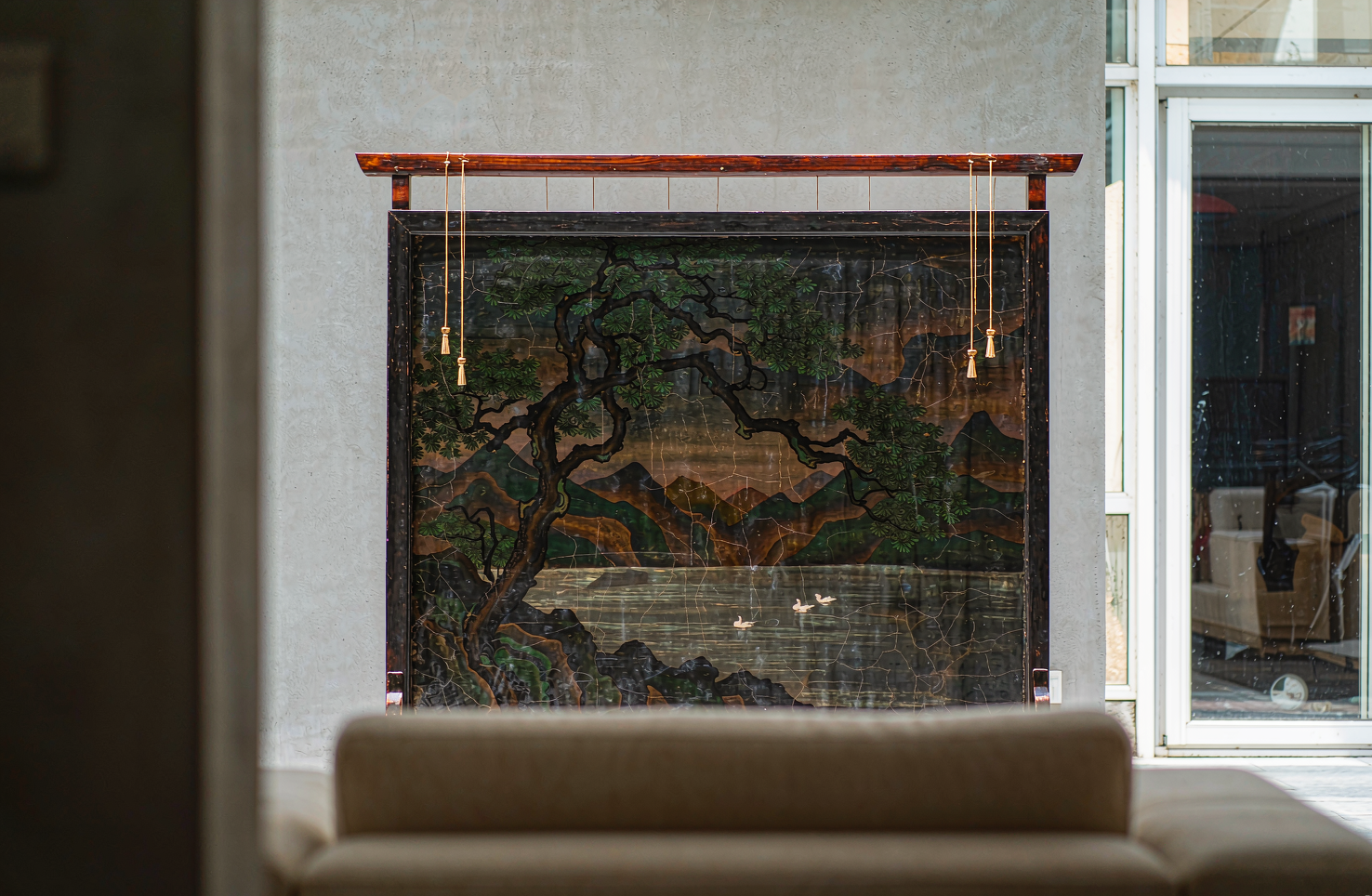
老房子里,屏风从来不只是挡一挡。它决定你一进门先看哪里。四面墙的屋子有了屏风,才像有了一个"眼"。
韵和鸣 · 2026/10/8 · 21 阅读
一张蔚县剪纸,彩色的刻刀活
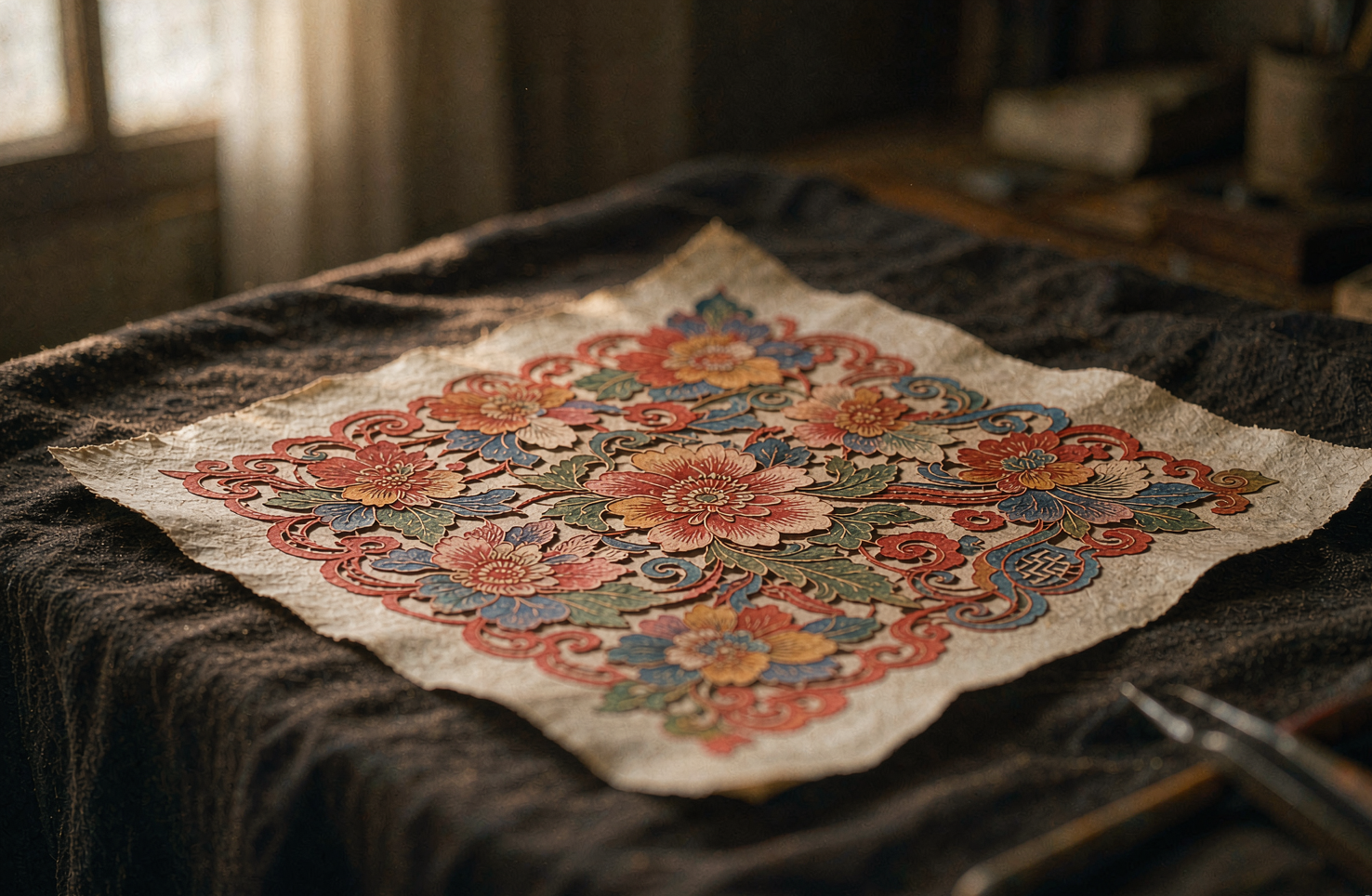
严选录这一期看一张不太一样的剪纸:它不用剪刀,用刻刀;不止红色,还带着点染出来的粉与绿。河北张家口蔚县的剪纸,是剪纸大家族里"反着来"的一支——别处以剪为主、以红为正,蔚县以刻代剪、以点彩上色。说到底,这两个"反着来"的本质,是蔚县人把剪纸从窗前的女红,做成了作坊里的分工手艺:看懂了这一点,才算看懂了这张纸。
韵和鸣 · 2026/10/13 · 19 阅读

一盏博山琉璃:颜色是炉火给的,不是颜料调的
说到底,琉璃与玻璃的分界,不在透明不透明,而在颜色从哪来。在山东博山,一盏鸡油黄琉璃的颜色长在料里、生在炉里,出炉之后再不改色。这是严选录这一期想讲清楚的事。
韵和鸣 · 2026/10/12 · 19 阅读

一枚苏绣绣片,丝光里藏着多少根丝
看一枚巴掌大的苏绣绣片,凑近了看,再凑近一点。你会发现它的光不是绣上去的,是"长"出来的——丝被劈到几乎看不见,一针一针顺着一个方向排,光就顺着丝走。说到底,苏绣的讲究,是从把一根丝线"拆开"那一刻开始的。
韵和鸣 · 2026/10/11 · 19 阅读