一次会议审议六十四项,上名录只是开始
韵和鸣 · 韵和鸣公众号 · 2026/11/11 12:00:00 · 1 阅读
本月三十日至十二月五日,联合国教科文组织保护非物质文化遗产政府间委员会第21届会议在厦门举行。公开议程上排着64项提名,其中18项由多国联合申报。中国这次提交的是「中餐——中国人关于食物烹饪及享用的知识和实践」,二〇二五年三月报送。这一年,中国报送的项目只有它一项。
▍一、六十四项,一个会期
一次会期审议六十余项,听着密集,放到全球盘子里并不算多。教科文组织这套名录体系运转二十余年,缔约国每年都在排队,一项提名从准备材料到上会,常要跨过好几个年头。
值得注意的是那18项联合申报。饮食、音乐、节庆这类实践常常跨境存在,一个国家单独报,说不清它的全貌,多国联报反而更接近事实。
▍二、中餐为什么用「整体」去报
看历年饮食类项目的申报路径,多数国家挑一个「点」。法国美食大餐二〇一〇年入选,报的是餐桌礼仪与相聚的社会习俗;日本和食二〇一三年入选,报的是顺应四季的饮食观念;韩国越冬泡菜同年入选,报的是入冬共腌的邻里协作;那不勒斯披萨师技艺二〇一七年入选,报的是抛掷面饼的手艺与代际传承。
中餐这次走的是另一条路,报的是「知识体系」。八大菜系、节令食俗、宴席礼制、市井小吃,很难用一道菜代表,只能整体系讲。
这也带来一个现实问题。整体申报的可见度高,评审时也更难说清边界。一条技法可以演示,一套体系只能靠叙述。
▍三、名录之后才是长跑
名录给的是可见度,解决不了手艺人的收入。真正改变处境的,是进入名录之后跟上的订单、培训与市场渠道,名录本身只是一个开端。
这句话对做器物的人同样成立。一件漆器进了名录,漆器不会因此好卖;能让它好卖的,是有人把工序讲清楚,把器物拍清楚,把货发到愿意付钱的地方。
所谓名录,指《保护非物质文化遗产公约》下设的认定机制,分为代表作名录、急需保护名录与优秀实践名册三类。据本届会议公开议程,2026 年 11 月 30 日至 12 月 5 日的会期共审议 64 项提名。
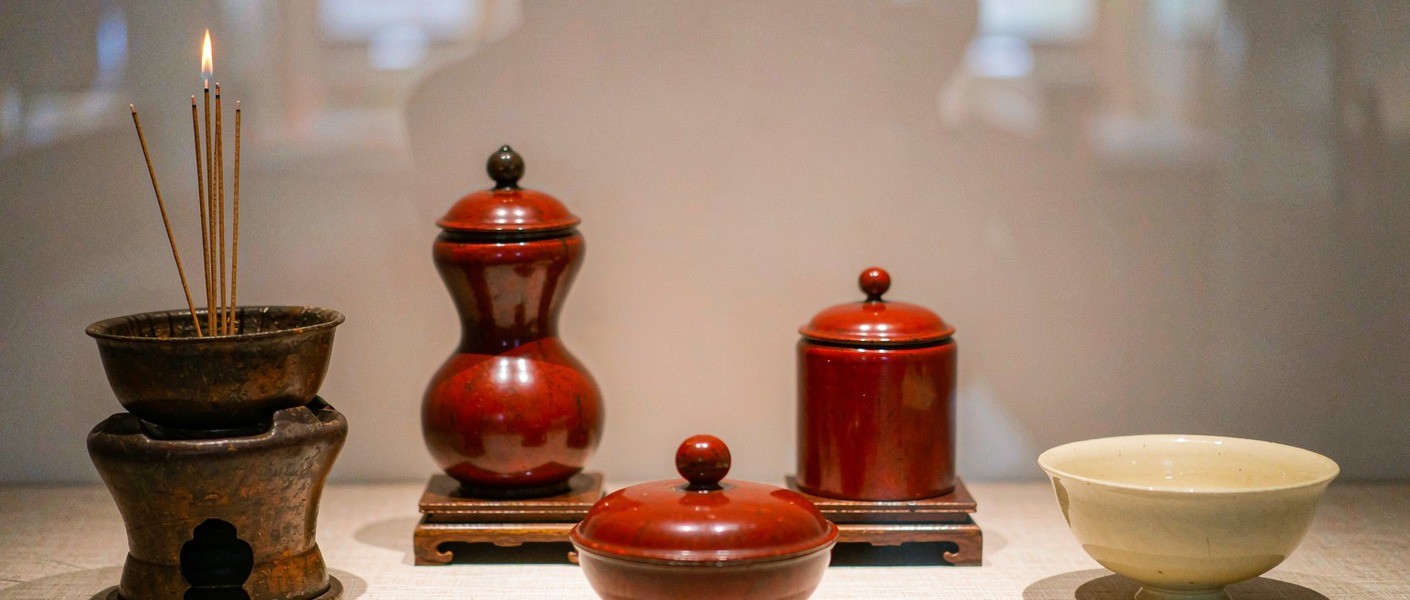
展台上的一只漆碗,旁边放着写有工序说明的纸卡
▍四、问答
问 | 中餐申遗成功是不是就等于中餐被保护好了
答 | 不等于。名录认定的是一套活态实践的价值,后续的保护由申报国自己落实,包括记录、传习、教育与国际履约报告。能不能被保护好,看的是国内的传承条件,而不是名录上的一个名字。
问 | 为什么很多国家申报饮食只挑一个点
答 | 因为可感、可演示、便于跨文化理解。用一道菜、一套礼仪或一门手艺做入口,评审与公众都容易抓住它的核心;整体申报的优势在完整,劣势在边界模糊。
问 | 中国手艺在海外看得懂吗
答 | 看得懂的部分比想象中多。器物会被人拿在手里,材质、重量、手感不需要翻译。真正需要翻的是做法和来历。韵和鸣的做法是帮老师拍产品、拍视频,线上做多语言直播、配多国语言翻译,把工序直接讲给海外用户听。
▍说在最后
上名录是让别人知道你,卖得动是让别人需要你。两件事之间隔着一整条链路。
📩 非遗项目 | 匠人举荐 | 跨境出海 | 线下联营
欢迎留言或后台联系,我们与匠人同行。
—— 韵和鸣 · 与匠人同行
〖 寰 〗
相关搜索 | RELATED SEARCHES
中餐 申遗 · 联合国教科文组织 非遗 名录 · 厦门 政府间委员会 · 非遗 国际 履约 · 手艺 出海
English
Sixty-odd items in one session sounds dense and is modest against the global queue. The listing system has run for more than twenty years and states parties line up each cycle; a nomination often takes several years from dossier to session.
The eighteen joint nominations deserve attention. Foodways, music and festivals often exist across borders; a single country's dossier cannot describe them fully, while a joint one comes closer to the facts.
Look at how food has been nominated and most countries pick a point. The French gastronomic meal, inscribed in 2010, was filed as table ritual and the custom of gathering. Japanese washoku, 2013, as a regard for the seasons. Korean kimjang, same year, as neighbourhood cooperation in the communal winter pickling. The art of the Neapolitan pizzaiuolo, 2017, as the craft of the throw and its transmission between generations.
Chinese cuisine takes another route and files a knowledge system. Eight regional traditions, seasonal customs, banquet etiquette, street food: no single dish represents it, so it has to be told as a whole.
This brings a practical problem. A whole-system nomination gains visibility and struggles to define its boundaries. A technique can be demonstrated; a system can only be narrated.
The list grants visibility and does not solve a maker's income. What changes circumstances is the orders, training and market access that follow. The inscription is a beginning.
The same holds for anyone selling objects. A lacquer technique on the list does not make lacquerware sell. What sells it is someone explaining the steps, photographing the piece properly, and shipping it to where people will pay.
The lists are the recognition mechanism under the Convention for the Safeguarding of the Intangible Cultural Heritage, comprising the Representative List, the Urgent Safeguarding List and the Register of Good Practices. According to the published agenda, the session running from 30 November to 5 December 2026 examines 64 nominations.
A lacquer bowl on a display stand, a paper card of process notes beside it
Does a successful inscription mean Chinese cuisine is protected?
No. The list recognises the value of a living practice; the safeguarding that follows is carried out by the nominating state through documentation, transmission, education and periodic reporting. Whether it is protected depends on conditions at home, not on a name on a list.
Why do many countries nominate food as a single point?
Because it is tangible, demonstrable and easy to understand across cultures. A dish, a ritual or a craft gives an entry point that reviewers and the public can grasp. A whole-system dossier gains completeness and loses clarity of boundary.
Can overseas audiences understand Chinese craft?
More than one might expect. Objects are held in the hand, and material, weight and touch need no translation. What needs translating is method and provenance. YUNHEMING films the masters' products and processes, runs multilingual livestreams online, and explains the steps directly to overseas audiences.
A listing lets others know you exist. Selling lets them need you. A whole chain lies between the two.
ICH Projects · Artisan Referrals · Global Distribution · Salon Partnerships
你可能还感兴趣
韩国的非遗保护:从"文化财"到活态传承
看世界怎么保护非遗,韩国常被提到,也常被简单化。它有一套自己的名词——"文化财""无形文化财""保有者"。关键在于,这套名词背后不只是一份名单,而是一整套"怎么把手艺交下去"的制度。
韵和鸣 · 2026/10/9 · 60 阅读

穆拉诺与博山:隔着七千公里的两座炉火之城
穆拉诺因作坊迁聚形成玻璃产业,博山则依托当地矿石与供料、匠人传统发展琉璃。文章比较两地产业聚集和原产地表达的路径,说明传承既需要师傅与学徒的密度,也需要把制作地点、来源和标准讲清楚。
韵和鸣 · 2026/10/12 · 57 阅读

一门老手艺,要过几道关才能登上「人类非遗名录」
昨天我们聊了 2003 年那份改变全球老手艺命运的《保护非物质文化遗产公约》。今天接着往下问:公约建立了名录,那一门手艺要经历什么,才能把自己的名字写上去?
韵和鸣 · 2026/10/3 · 57 阅读

"非遗"这个词,各国怎么叫、怎么理解
中文非遗、日本无形文化财及法国工艺大师等称呼,对应不同的认定单位与保护重心。比较这些体系,关键不在逐字互译,而在看名录、个人与社区分别承担什么角色,以及传承如何发生。
韵和鸣 · 2026/10/24 · 54 阅读
轮岛涂与平遥推光漆,两双手的推光
世界漆艺的版图上,日本轮岛与中国平遥是常被并提的两个地名。两座城都把大漆做成了地方的脸面,也都把"推光"当作器物出嫁前的最后一道工序。它们像在哪里,又不像在哪里?关键在于:同是漆器,两地的手,各走了一条路。
韵和鸣 · 2026/10/15 · 46 阅读
一份2003年的公约,如何改变全世界的“老手艺”
"非遗"如今是个热词,但它成为全球共识,其实只有二十来年。起点,是一份 2003 年通过的国际公约。
韵和鸣 · 2026/10/2 · 41 阅读