轮岛涂与平遥推光漆,两双手的推光
韵和鸣 · 韵和鸣公众号 · 2026/10/15 12:00:00 · 9 阅读
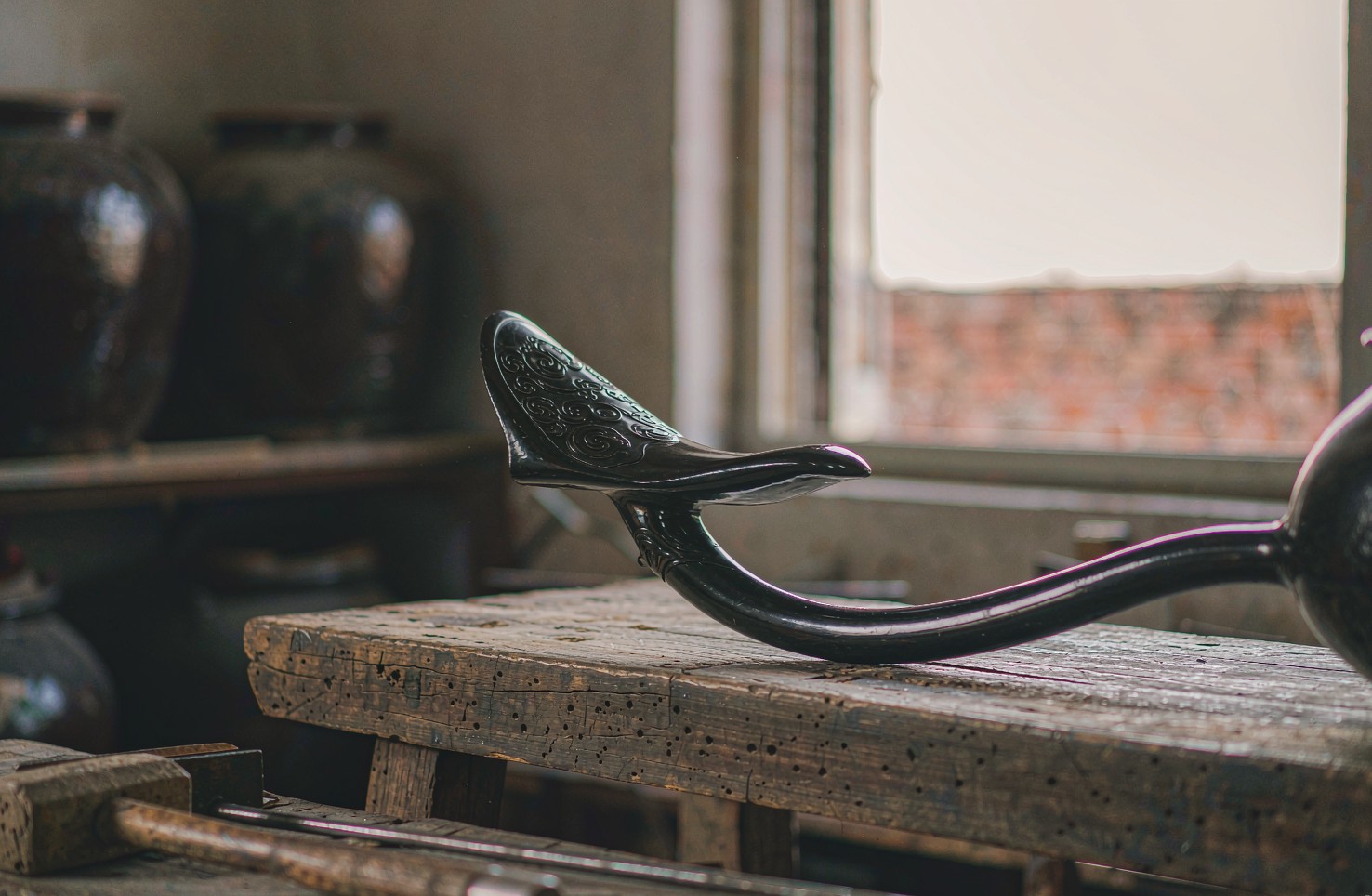
世界漆艺的版图上,日本轮岛与中国平遥是常被并提的两个地名。两座城都把大漆做成了地方的脸面,也都把"推光"当作器物出嫁前的最后一道工序。它们像在哪里,又不像在哪里?关键在于:同是漆器,两地的手,各走了一条路。
▍轮岛涂:把底胎做成一门学问
轮岛涂产自日本石川县轮岛市,1977 年被指定为日本重要无形文化财。它出了名的牢固,秘诀在"地"——用当地出产的硅藻土调漆做底,层层涂进胎骨,器物因此耐磕耐烫。装饰上以莳绘与沈金见长:莳绘以金粉撒出纹样,沈金以细刀刻线再嵌入金箔,一金一彩,气象富丽。工序分得更细,制胎、涂底、髹漆、加饰各有专工,一件器物要过一百多双手序。
▍平遥推光漆:把光泽交给手掌
平遥推光漆器 2006 年列入国家级非物质文化遗产名录,以手掌推光为特色。它的底子是另一路:木胎裱布、刮灰髹涂,灰底吃牢了漆面才站得住。最见功夫的是推光——匠人蘸砖灰与麻油,用手掌一遍遍推磨漆面,推出温润如玉的光,不是蜡的浮亮。装饰上描金、螺钿、犀皮各成一路,平金开黑的沉静,是晋地漆器的表情。
轮岛涂 1977 年被指定为日本重要无形文化财,以硅藻土打底与莳绘、沈金加饰著称;平遥推光漆器 2006 年列入国家级非物质文化遗产名录,以手掌推光与描金、螺钿等技法著称。(山西省晋中市平遥县)
▍对照的意义,不是比高下
放在一起看,两地的分野很清晰:轮岛把力气花在"底",让器物坚固耐用;平遥把功夫留在"面",让光泽从漆里长出来。一个偏重工序的分工与材料的科学,一个偏重手掌的经验与装饰的含蓄。2024 年初能登半岛地震重创轮岛的漆器工坊,匠人们一边重建一边复工作漆——这份对技艺的不撒手,与平遥漆坊里的坚守,说的是同一种心情。各美其美,美美与共,对照的意义正在于此。
▍问答
问 | 平遥推光漆器和日本漆器有什么不一样?
答 | 以轮岛涂为例对照最直观:底胎上,轮岛用硅藻土调漆做底,平遥用裱布刮灰的传统路数;光泽上,轮岛与平遥都讲推光,但平遥的手掌推光以掌温磨出温润感,辨识度很高;装饰上,轮岛以莳绘、沈金的富丽见长,平遥以描金、螺钿、犀皮的含蓄见长。路数不同,各成一家。
问 | 中国非遗产品在海外好卖吗?
答 | 真正的好手艺在海外是受欢迎的,关键在"讲得清、到得了"。讲得清,是把工艺、工序、匠人说给不同语言的买家听懂;到得了,是器物能完好稳妥地送达。韵和鸣做非遗出海,一边用中英双语把手艺讲明白,一边依托成熟的跨境链条把器物送到海外用户手里。
📩 非遗项目 | 匠人举荐 | 跨境出海 | 线下联营
欢迎留言或后台联系,我们与匠人同行。
—— 韵和鸣 · 与匠人同行
〖 寰 〗
相关搜索 | RELATED SEARCHES
轮岛涂 · 平遥推光漆器 · 中日漆器对比 · 大漆工艺 · 非遗出海
English
Wajima-nuri: Making the Ground a Discipline of Its Own
Wajima-nuri comes from Wajima City in Ishikawa Prefecture, designated an Important Intangible Cultural Property of Japan in 1977. Its famed toughness lies in the "ground"—local diatomaceous earth mixed into lacquer and worked into the core coat by coat, giving the ware resistance to knocks and heat. Decoration shines in maki-e, gold powder sprinkled into pattern, and chinkin, hairline engraving inlaid with gold foil—splendor in gold and color. The division of labor is finer still: core-making, grounding, lacquering and decorating each have their own specialists, and a single piece passes through more than a hundred steps of hands.
Pingyao Polished Lacquer: Entrusting the Sheen to the Palm
Pingyao polished lacquerware was inscribed on China's national intangible cultural heritage list in 2006, distinguished by palm-polishing. Its groundwork follows another path: a cloth-laid wooden core and scraped ash primer, the primer holding fast so the lacquer can stand. The deepest skill is the polishing—the artisan takes brick dust and linseed oil and rubs the surface with the bare palm, pass after pass, until a jade-warm luster rises, not the floating shine of wax. In decoration, gold tracing, mother-of-pearl inlay and "xipi" each form their own school; the quiet of gold on black is the expression of Shanxi lacquer.
Wajima-nuri was designated an Important Intangible Cultural Property of Japan in 1977, known for its diatomaceous-earth ground and maki-e and chinkin decoration; Pingyao polished lacquerware entered China's national ICH list in 2006, known for palm-polishing and techniques such as gold tracing and mother-of-pearl inlay. (Pingyao County, Jinzhong, Shanxi)
Side by side, the divide is clear: Wajima spends its strength on the ground, making the ware durable; Pingyao keeps its effort on the surface, letting the luster grow out of the lacquer. One leans on divided labor and the science of materials; the other on the experience of the palm and a reserved decorum. When the Noto Peninsula earthquake struck Wajima's lacquer workshops in early 2024, artisans rebuilt and resumed work at the same time—that refusal to let go of the craft speaks the same feeling as the perseverance in Pingyao's workshops. Each beauty in its own way, and beauties shared—this is what comparison is for.
What distinguishes Pingyao polished lacquerware from Japanese lacquerware?
Wajima-nuri makes the comparison clearest: for the ground, Wajima mixes diatomaceous earth into lacquer, while Pingyao follows the cloth-and-ash-primer tradition; for the sheen, both polish, but Pingyao's palm-polishing works body warmth into a mellow luster that is highly recognizable; for decoration, Wajima excels in the splendor of maki-e and chinkin, Pingyao in the restraint of gold tracing, mother-of-pearl inlay and "xipi." Different roads, each a school of its own.
Do Chinese heritage crafts sell well overseas?
Genuine fine craft is welcomed overseas; the key lies in "told clearly, delivered safely." Told clearly means explaining the craft, the process and the maker in languages buyers understand; delivered safely means the object arrives intact. YUNHEMING works both sides—telling the craft bilingually, and relying on a mature cross-border chain to bring the pieces to overseas hands.
ICH Projects · Artisan Referrals · Global Distribution · Salon Partnerships
你可能还感兴趣
韩国的非遗保护:从"文化财"到活态传承
看世界怎么保护非遗,韩国常被提到,也常被简单化。它有一套自己的名词——"文化财""无形文化财""保有者"。关键在于,这套名词背后不只是一份名单,而是一整套"怎么把手艺交下去"的制度。
韵和鸣 · 2026/10/9 · 24 阅读
穆拉诺与博山:隔着七千公里的两座炉火之城
把两张地图并排放:一张是威尼斯潟湖里的穆拉诺岛,一张是山东淄博的博山。关键在于:这两座城都不是天生的手艺之城——一个被一纸政令推到一起,一个因矿石而聚——却都靠"聚"把炉火烧成了地名。
韵和鸣 · 2026/10/12 · 21 阅读
一门老手艺,要过几道关才能登上「人类非遗名录」
昨天我们聊了 2003 年那份改变全球老手艺命运的《保护非物质文化遗产公约》。今天接着往下问:公约建立了名录,那一门手艺要经历什么,才能把自己的名字写上去?
韵和鸣 · 2026/10/3 · 18 阅读
一份2003年的公约,如何改变全世界的“老手艺”
"非遗"如今是个热词,但它成为全球共识,其实只有二十来年。起点,是一份 2003 年通过的国际公约。
韵和鸣 · 2026/10/2 · 18 阅读
日本的「人间国宝」制度:一种保护思路
一说到保护老手艺,常听到"修起来、存起来"这几个字。日本有一套办法,把重点放在了另一个地方——保护"人"。
韵和鸣 · 2026/10/6 · 16 阅读
非遗出海,先过的不是海关是文化关
跨境的手续、物流、退税率,都有章可循;真正难的是一道没有章可循的关——文化关。一件器物漂洋过海,如果讲不清自己是什么、谁做的、怎么用,它就只是一件"东方风格的工艺品"。过没过文化关,决定了它卖的是货,还是手艺。
韵和鸣 · 2026/10/14 · 28 阅读