"非遗"这个词,各国怎么叫、怎么理解
韵和鸣 · 韵和鸣公众号 · 2026/10/24 12:00:00 · 7 阅读
同一个对象,在不同的语言里有不同的名字,名字背后是各自的一套办法。今天不做优劣比较,只把几个主要体系的叫法、认定单位和侧重点摆在一起。说到底,名字里藏着的是各自想把资源投在哪一级。
▍一、中文的"非遗",强调"名录"与"代表性传承人"
中国采用"非物质文化遗产"这一表述,建立国家级、省级、市级、县级四级代表性项目名录,并对应设立代表性传承人认定制度。其特点是项目先入库、人随后被认定。
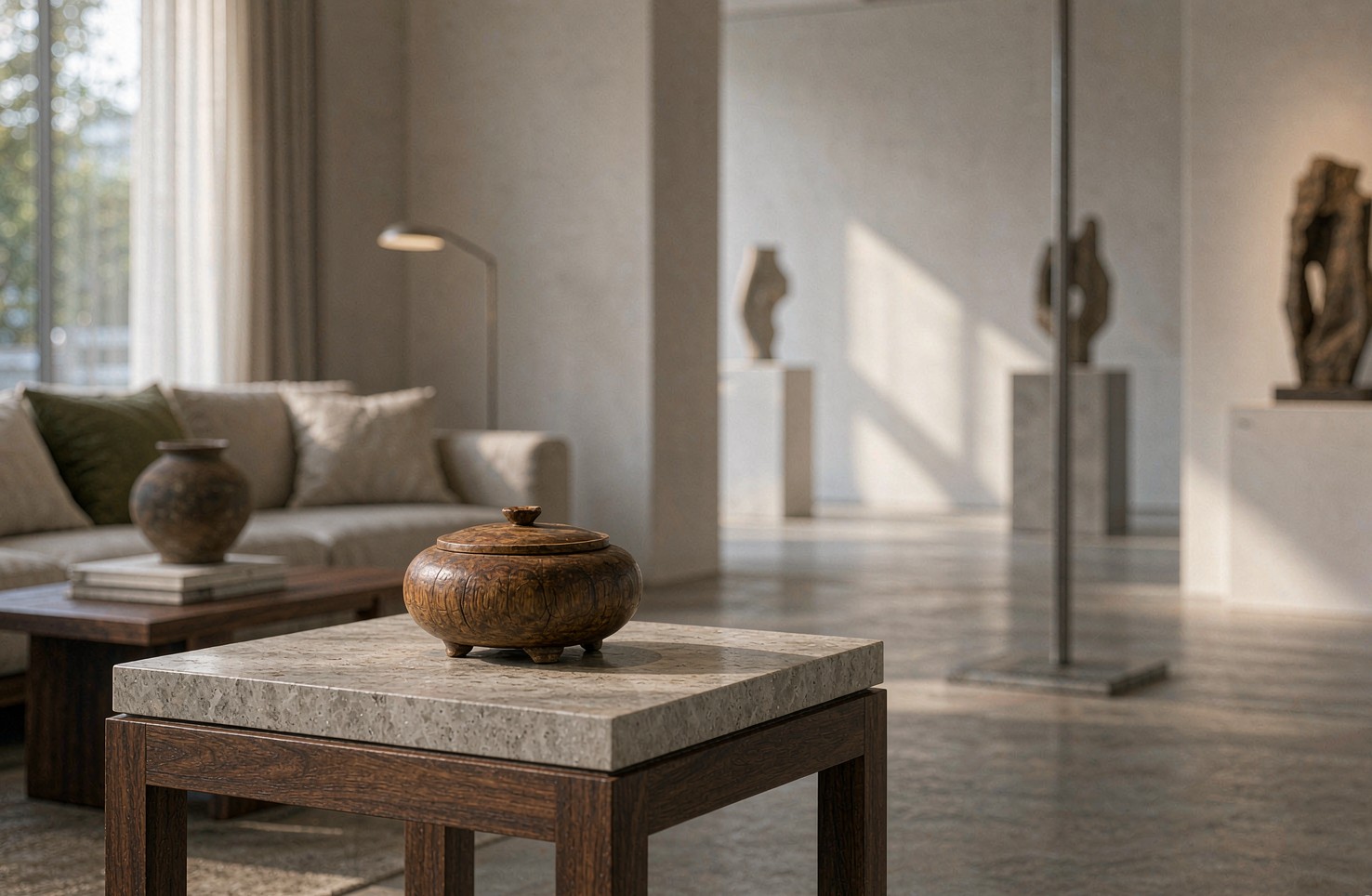
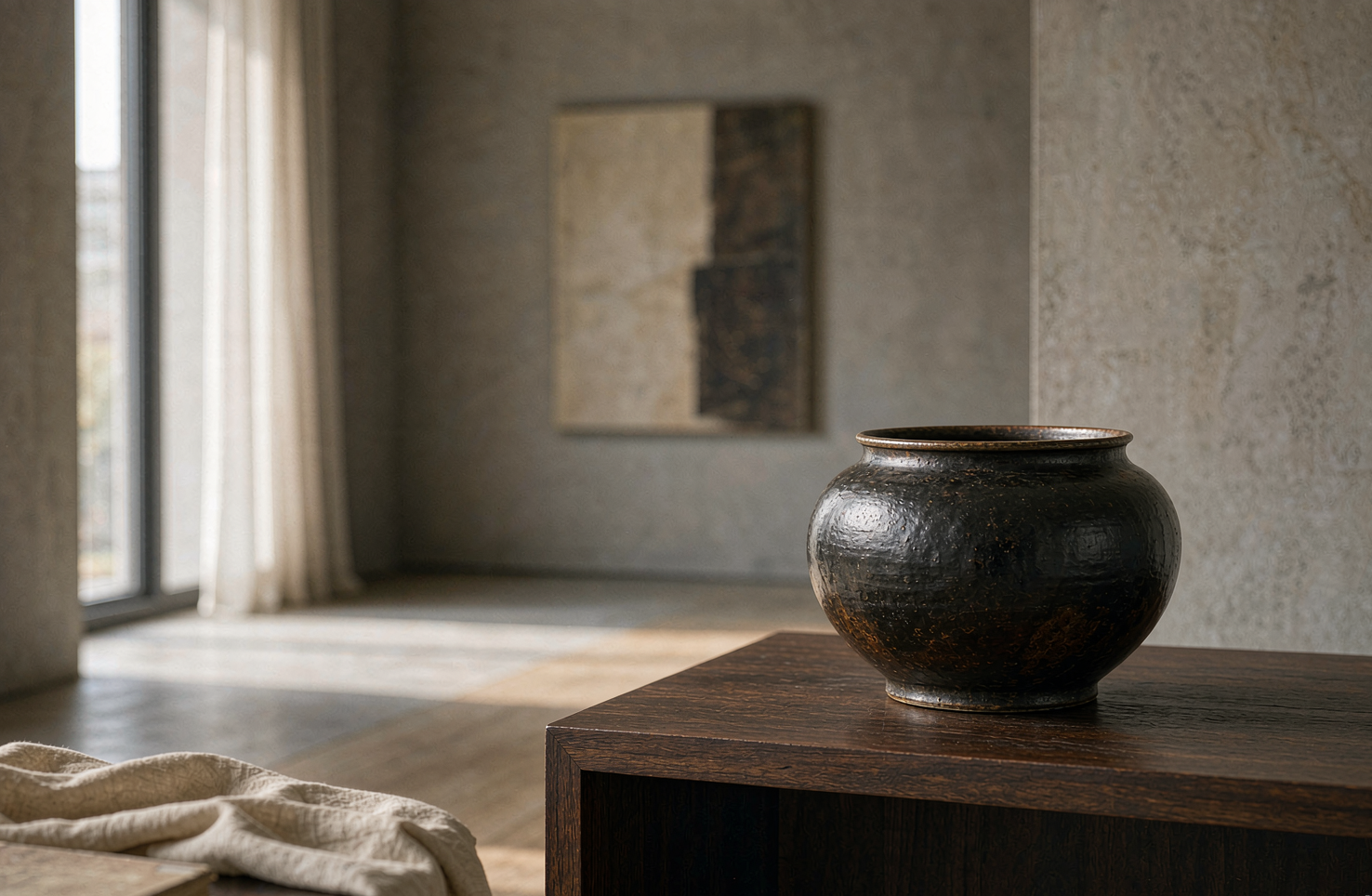
浅灰展台上并排陈列的几件手作小件,来自不同地域,材质各异
▍二、几种常见的对应叫法
日本用「無形文化財」。据公开资料,日本在二十世纪中期就以法律形式确立了这一制度,重要無形文化財保持者常被称为「人間国宝」,重心偏向"谁掌握这门技艺"。
韩国同样设立保有者认定,并配套传授教育场所,重心在"技艺能否被传下去"。
法国有Maître d'art(工艺大师)称号,由国家主管文化的部门授予愿意带徒的高水平从业者,重心在个人荣誉与传承承诺。
联合国层面的说法最接近所有人共用的那一层版本。
联合国教科文组织 2003 年通过的《保护非物质文化遗产公约》写明:非物质文化遗产是指被各社区、群体、有时是个人视为其文化遗产组成部分的各种实践、表述、知识与技能,以及与之相关的工具、实物与文化场所。
注意这里排在最前面的是"社区"和"群体",不是手艺本身。
▍三、叫法的差别,落到做事上就变成差别
把名字拧清楚不只是翻译问题。以"社区"为主体的定义更看重是否有效——还在用、还在传才算数;以"个人"为重心的体系更容易出现"一位大师撑起一门技艺"的局面,风险也随之集中。
▍问答
问 | "非遗"和"文化遗产"是一回事吗
答 | 不是。"文化遗产"是更大的筐,既包含物质形态的文物、建筑、遗址,也包含非物质形态的实践、技艺与表达;非遗专指后者,核心特征是依赖人而存在、靠口传心授延续。简便的判断办法是:离开掌握它的人,这门东西还在不在。
问 | 非遗一定要被列入名录才算吗
答 | 不算。名录是一种保护与扶持机制,不是存在与否的前提。列入意味着获得认定、资助与考核,也意味着接受规范管理;没有列入的项目依然可能是真实的传统技艺,只是缺少制度性的支持渠道。
问 | 韵和鸣做跨境出海,会遇到各国对"非遗"理解不同吗
答 | 会,而且这直接影响怎么讲。我们做多语言直播与多国语言翻译时,不会把"非遗"直接音译出去,而是把它拆开讲:带头人是谁、工序有几道、哪些环节手工完成、为什么需要这么久。这些事实在任何语言里都成立,比一个名词更可靠。
▍说在最后
名字看似只是外壳,实际规定了钱的投向、值的标准,以及"谁说了算"的答案。下次遇到一门外国手艺,不妨先问:在它的产地,人们怎么称呼它?答案里往往藏着这门手艺的现状。
你还知道哪些国家对"非遗"的叫法?评论区补充一个,下一期我们去查它的来历。
📩 非遗项目 | 匠人举荐 | 跨境出海 | 线下联营
欢迎留言或后台联系,我们与匠人同行。
—— 韵和鸣 · 与匠人同行
〖 寰 〗
相关搜索 | RELATED SEARCHES
非物质文化遗产 定义 联合国 · 无形文化财 是什么 · 人间国宝 制度 哪国 · 四级名录 国家级 省级 市级 县级 · 代表性传承人 制度 · 非遗出海 翻译
English
The Chinese Term Emphasises Lists and Representative Bearers
China uses the term intangible cultural heritage, maintaining a four-tier list of representative items at national, provincial, municipal and county level, alongside a parallel system for recognising representative bearers. Its distinctive feature is order: the item enters the register first and the person is recognised afterwards, with support and assessment attached to those two threads.
Several small handmade objects in different materials, from different places, arranged side by side on a pale display plinth
Japan uses the term intangible cultural property. According to public sources, Japan established such a system in law by the middle of the twentieth century; holders of important intangible cultural properties are often referred to as Living National Treasures. The emphasis falls on who possesses the craft.
The Republic of Korea likewise recognises holders and attaches training facilities where they are documented together with their apprentices. The emphasis here falls on whether the skill can be passed on.
France has the title Maître d'art, granted by the competent cultural ministry to individuals, mostly those commanding a high level of craft who are also willing to teach. The emphasis rests on personal professional honour and the commitment to transmit.
At United Nations level the wording is closest to what everyone shares.
The Convention for the Safeguarding of the Intangible Cultural Heritage, adopted by UNESCO in 2003, states that intangible cultural heritage refers to the practices, representations, expressions, knowledge and skills, together with the instruments, objects and cultural spaces associated with them, that communities, groups and, in some cases, individuals recognise as part of their cultural heritage.
Note what comes first: communities and groups, not the craft itself.
At United Nations level, the Convention for the Safeguarding of the Intangible Cultural Heritage describes it as the practices, representations, expressions, knowledge and skills, together with the instruments, objects, artefacts and cultural spaces associated with them, that communities, groups and, in some cases, individuals recognise as part of their cultural heritage. Note what comes first: communities and groups, not the craft itself.
Differences in Naming Become Differences in Doing
Getting the terms straight is not merely a translation exercise. A definition centred on community tends to weigh effectiveness above all: still used, still transmitted, still counts. A system centred on individuals more readily produces a situation in which one master carries a whole craft, concentrating risk along with it. Both approaches have strengths; which one is chosen depends on the level at which a country wants to invest.
Are intangible cultural heritage and cultural heritage the same thing?
No. Cultural heritage is the wider basket: it covers physical remains such as artefacts, buildings and sites as well as non-physical practices, skills and expressions, while intangible heritage refers specifically to the latter, whose defining feature is that it depends on people and survives through oral transmission. A quick test is to ask whether the thing would still exist without those who hold it.
Does intangible heritage only count once it is listed?
No. Listing is a mechanism for protection and support, not a condition of existence. Being listed brings recognition, funding and assessment, and also brings regulated management; unlisted items may still be genuine traditional skills, simply lacking institutional channels of support.
Does YUNHEMING meet different understandings of heritage when exporting?
Yes, and it shapes how we speak. In multilingual livestreams and translation we do not transliterate the Chinese term; we unpack it: who leads the work, how many stages it has, which parts are done by hand, why it takes so long. Those facts hold in any language and travel more reliably than a single word.
A name looks like packaging, but it actually sets where money goes, what counts as value, and who has the last word. Next time you encounter a craft from abroad, try asking how people at its source refer to it; the answer usually carries the state of the craft inside it.
ICH Projects · Artisan Referrals · Global Distribution · Salon Partnerships
你可能还感兴趣
韩国的非遗保护:从"文化财"到活态传承
看世界怎么保护非遗,韩国常被提到,也常被简单化。它有一套自己的名词——"文化财""无形文化财""保有者"。关键在于,这套名词背后不只是一份名单,而是一整套"怎么把手艺交下去"的制度。
韵和鸣 · 2026/10/9 · 24 阅读

穆拉诺与博山:隔着七千公里的两座炉火之城
把两张地图并排放:一张是威尼斯潟湖里的穆拉诺岛,一张是山东淄博的博山。关键在于:这两座城都不是天生的手艺之城——一个被一纸政令推到一起,一个因矿石而聚——却都靠"聚"把炉火烧成了地名。
韵和鸣 · 2026/10/12 · 21 阅读

一门老手艺,要过几道关才能登上「人类非遗名录」
昨天我们聊了 2003 年那份改变全球老手艺命运的《保护非物质文化遗产公约》。今天接着往下问:公约建立了名录,那一门手艺要经历什么,才能把自己的名字写上去?
韵和鸣 · 2026/10/3 · 18 阅读
一份2003年的公约,如何改变全世界的“老手艺”
"非遗"如今是个热词,但它成为全球共识,其实只有二十来年。起点,是一份 2003 年通过的国际公约。
韵和鸣 · 2026/10/2 · 18 阅读
日本的「人间国宝」制度:一种保护思路
一说到保护老手艺,常听到"修起来、存起来"这几个字。日本有一套办法,把重点放在了另一个地方——保护"人"。
韵和鸣 · 2026/10/6 · 16 阅读
非遗出海,先过的不是海关是文化关
跨境的手续、物流、退税率,都有章可循;真正难的是一道没有章可循的关——文化关。一件器物漂洋过海,如果讲不清自己是什么、谁做的、怎么用,它就只是一件"东方风格的工艺品"。过没过文化关,决定了它卖的是货,还是手艺。
韵和鸣 · 2026/10/14 · 28 阅读