一场好的非遗展览,不该只是摆出来
韵和鸣 · 韵和鸣公众号 · 2026/11/11 12:00:00 · 4 阅读
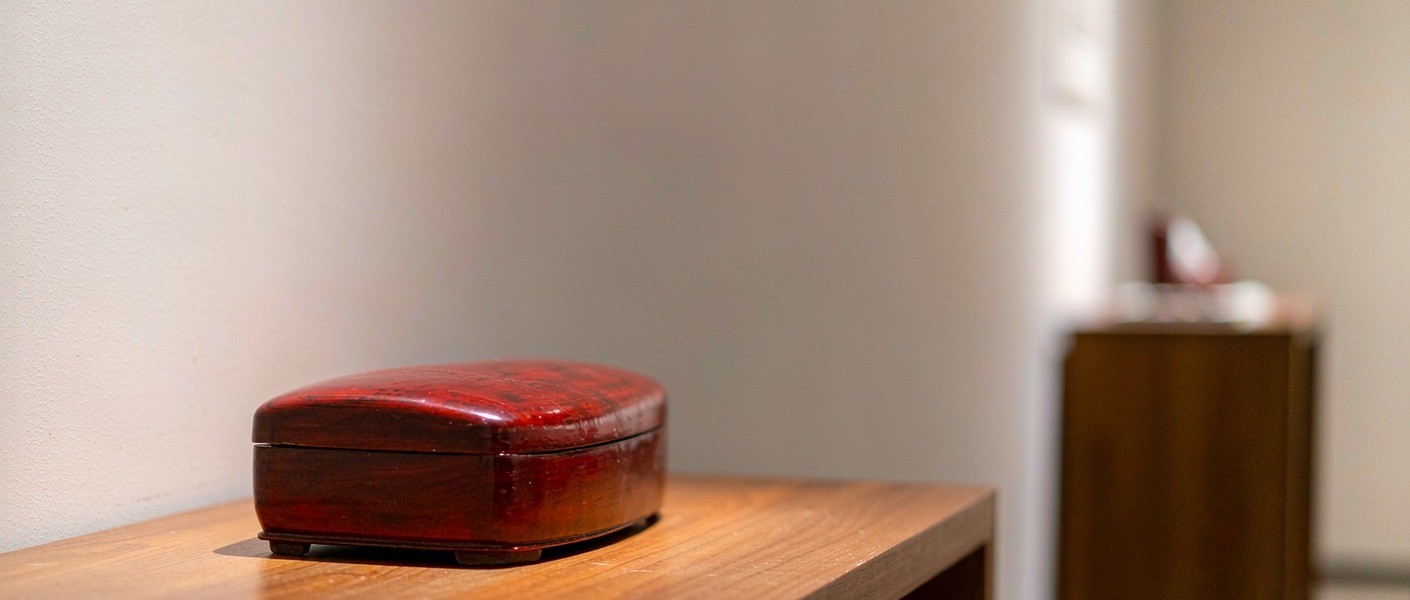
我们和一位做非遗展陈十几年的策展人聊了一个下午。她开口先说的不是理念,是一件具体的事:同一只漆盒,放在展柜里打顶光,观众看到的是自己的倒影;换个角度,放到齐腰高的台面上,观众才会弯下腰去看那道推光的痕。展览这件事,差的是二十厘米和一束光。
▍一、光:反光最难打的一类器物
她说的头一条是光。漆器是展陈里最难打光的品类之一,推光之后表面近乎镜面,顶光一压,器物就成了一块亮斑,纹样全被吃掉。银器也麻烦,錾刻的深浅全靠高光与阴影的落差,光一散,刻痕就平了。
所谓展陈,指把器物放进一个具体空间,由光、高度与说明共同决定观众怎么看它。平遥推光漆器髹饰技艺于 2006 年列入首批国家级非物质文化遗产名录,工序以髹涂、阴干、手掌推光为核心,表面近乎镜面。
她的做法是侧光加低角度。光从斜上方四十五度压过来,让器物的曲面自己产生过渡,观众走两步,光就变一次。这样打光,成本比一排射灯高,但观众会停下来。
这一条对做产品图的人也成立。器物拍照,最难交代的从来是材质,把光打对,材质自己会说话。
侧光下的漆盒,曲面上一道柔和的高光
▍二、高度:让观众弯一下腰
第二条是高度。展柜的标准高度是按站着平视定的,方便,也让人疏远。她做器物展,会把重点器物放到低二十厘米的台面上,观众得低头,得靠近,甚至得蹲下来。
「弯一下腰」是个动作,动作会带来注意力。一件器物被认真看过三十秒,和被人流推着扫过三秒,留下的印象完全不同。
她还提到一个反例。把器物放进玻璃罩、打上暖光、配一圈围栏,观众会本能地把它当成不能碰的文物。手作的价值恰恰在于它能被用,展陈如果先把这层关系切断,后面的讲解就白讲了。
还有一层是温度。她做过对比,展厅维持在二十度上下,观众停留的时间明显长于空调开得过冷的场次。人在冷的地方待不住,器物再好也只扫一眼。这条听起来像展务细节,实际决定了内容能不能被读完。
▍三、说明卡:写做法,不写形容词
第三条是说明卡。她给了一个尺度,一张卡上形容词不超过两个,剩下的位置全用来写做法。
她举了自己改过的一张卡。原稿写「工艺精湛、造型典雅、极具收藏价值」,改完剩下三行:髹涂多少道、阴干多少天、推光用的是手掌还是头发。观众读完知道这只盒子为什么贵,不需要别人告诉他它美。
这条和写文章是同一个道理。讲清一道工序,比连用三个赞美的词更有说服力。
▍四、动线:把工坊的一角搬进现场
最后说动线。她近几年做的展,都会在现场留一块「脏地方」:一张工作台,散着刨花、砂纸、半干的漆刷,允许观众伸手摸一摸没上漆的木胎。
这块地方通常是全场停留最久的。观众摸过粗坯,再去看成品,中间那段落差自己就成立了,不需要讲解员去证明手艺有多难。
她说到这儿停了一下,补了一句。展览能做的只到「看见」这一步,买不买是另一回事。但看见是前提,看不见的东西,没人会花钱。
她还提醒展期不宜过长。四周是个临界点,本地的观众基本来过了,之后主要靠外地客流,人力与场租压上去,效果反而摊薄。
▍五、问答
问 | 非遗展览和普通文物展最大的区别在哪
答 | 在「能不能被用」。文物展的核心是保存,观众与展品之间必须隔开;非遗展的核心是活态传承,器物原本就是日用品,展陈要尽量还原它被使用的场景,包括让人靠近、让人摸到粗坯。
问 | 为什么很多非遗展看完记不住东西
答 | 常见原因是信息太满而做法太空。一面墙的展板写历史沿革、传承谱系、荣誉称号,观众记不住;把一道关键工序拆成三个动作讲清楚,反而留得住。判断标准很简单,走出展厅还能复述一道工序,这个展就成了。
问 | 韵和鸣的匠人访谈是怎么做的
答 | 「匠人说」与「寻访记」是韵和鸣长期在做的事,走进工坊,把手艺、坚守与困境如实记下来。这些内容不是广告,品牌理解非遗的方式是先懂人,再谈器物。韵和鸣把自己定位成非遗经纪人,帮匠人做内容、做访谈,让手艺人专心做手艺。
▍说在最后
一场展览真正的成本,不在展柜和射灯,在策展人肯不肯为一件器物弯一次腰。愿意弯的人,才知道观众会在哪里停。
📩 非遗项目 | 匠人举荐 | 跨境出海 | 线下联营
欢迎留言或后台联系,我们与匠人同行。
—— 韵和鸣 · 与匠人同行
〖 匠 〗
相关搜索 | RELATED SEARCHES
非遗展览 策展 · 器物 展陈 打光 · 推光漆器 反光 · 说明卡 怎么写 · 非遗 活态传承
English
Light came first. Lacquer is among the hardest categories to light. After hand-polishing the surface is nearly a mirror; a spotlight from above turns the piece into a bright patch and swallows the pattern. Silver is awkward too: the depth of chased work depends on the gap between highlight and shadow, and diffuse light flattens the cuts.
Display means placing an object in a particular space where light, height and text together decide how it is seen. Pingyao polished lacquerware entered the first national list in 2006, its process built on coating, drying and polishing by palm, leaving a surface close to a mirror.
Her method is side light at a low angle. Light comes in at forty-five degrees so the curvature of the object creates its own gradient; two steps and the light changes. It costs more than a row of spotlights, but visitors stop.
The same holds for product photography. What is hardest to convey is material, and with the right light the material speaks for itself.
A lacquer box under side light, a soft highlight running along its curve
Height came second. Standard cases sit at standing eye level, convenient and distancing. For object shows she sets key pieces twenty centimetres lower, so visitors lower their heads, step closer, sometimes crouch.
Bending is a movement, and movement brings attention. Thirty seconds of real looking leaves something very different from three seconds carried along by the crowd.
She offered a counter-example. Glass dome, warm light, a ring of barriers, and visitors instinctively treat the piece as untouchable relic. The value of handwork lies in its being usable; if the display severs that first, no amount of explanation recovers it.
There is also temperature. She compared sessions and found visitors stayed noticeably longer in a hall held around twenty degrees than in one air-conditioned too cold. People do not linger where it is chilly, and the finest object earns only a glance. It sounds like housekeeping, yet it decides whether anything gets read.
Labels: Write the Method, Not the Adjectives
Third came the label. Her rule: no more than two adjectives per card, the rest of the space given to method.
She described a card she rewrote. The draft read exquisite craftsmanship, elegant form, highly collectible. The revision kept three lines: how many coats, how many days drying, whether the final polish was done with the palm or with hair. After reading it a visitor understands why the box costs what it costs, and does not need to be told it is beautiful.
The same holds for writing. One step explained well persuades more than three words of praise.
Route: Bring a Corner of the Workshop Inside
Last came the route. Her recent shows always keep one messy corner: a workbench strewn with shavings, sandpaper and half-dry brushes, where visitors may touch an unlacquered blank.
This corner usually holds people longest. Having touched the rough blank, they look at the finished piece and the gap establishes itself; no guide has to prove the craft is difficult.
She paused here and added a line. An exhibition can only reach the point of seeing; buying is another matter. But seeing comes first. No one pays for what they cannot see.
She also warned against running too long. Four weeks is a threshold: local visitors have largely come, the remainder depends on out-of-town traffic, and with staff and rent added the effect thins out.
What most distinguishes a heritage craft show from a relics exhibition?
Whether the object can be used. A relics show is about preservation, and distance is required. A craft show is about living transmission; the objects were daily utensils, so the display should restore the setting of use, including letting people come close and touch a rough blank.
Why do so many heritage exhibitions leave nothing behind?
Usually because there is too much information and too little method. A wall of panels listing history, lineage and honours is forgotten; one key step broken into three movements stays. The test is simple: if a visitor can still describe one step on the way out, the show worked.
How does YUNHEMING approach its interviews with makers?
The Master's Voice and Field Notes are long-running series: go into the workshop and record the craft, the persistence and the difficulties as they are. These are not advertising. The brand's way of understanding heritage is to know the person first and the object second. YUNHEMING positions itself as a heritage agent, helping makers with content and interviews so they can keep to the work.
The real cost of an exhibition is not cases and spotlights. It is whether the curator will bend down for one object. Only those who bend know where a visitor will stop.
ICH Projects · Artisan Referrals · Global Distribution · Salon Partnerships
你可能还感兴趣
漆器为什么能埋八千年不坏
在博物馆做漆器研究与修复的研究员老周,桌上常年摆着两样东西:一段出土的漆皮残片,一只新做不久的平遥推光漆盘。他说这两样东西隔着八千年,却是同一种材料。这次对话,我们从"漆器为什么埋几千年不坏"聊起,聊到最后,其实是手艺对材料的理解问题。
韵和鸣 · 2026/10/14 · 77 阅读
十六岁学艺,他如今想让漆器走进年轻人的家
在平遥,学漆艺的人正在换代。老匠人把五十年的功夫交给徒弟,年轻教师把漆带进课堂。一门千年手艺要传下去,卡住的往往不是技法。
韵和鸣 · 2026/10/2 · 59 阅读
一位苏绣绣娘谈配色:机器调不出的那层灰
苏州的绣坊里,一个上午常常只做一件事:配灰。不是调颜料,是把几股不同颜色的丝线并在一起,看它们在光下合不合。绣娘说,机器能把颜色调得很准,可准不等于对——苏绣要的那层灰,是跟着光线走的。
韵和鸣 · 2026/10/20 · 55 阅读
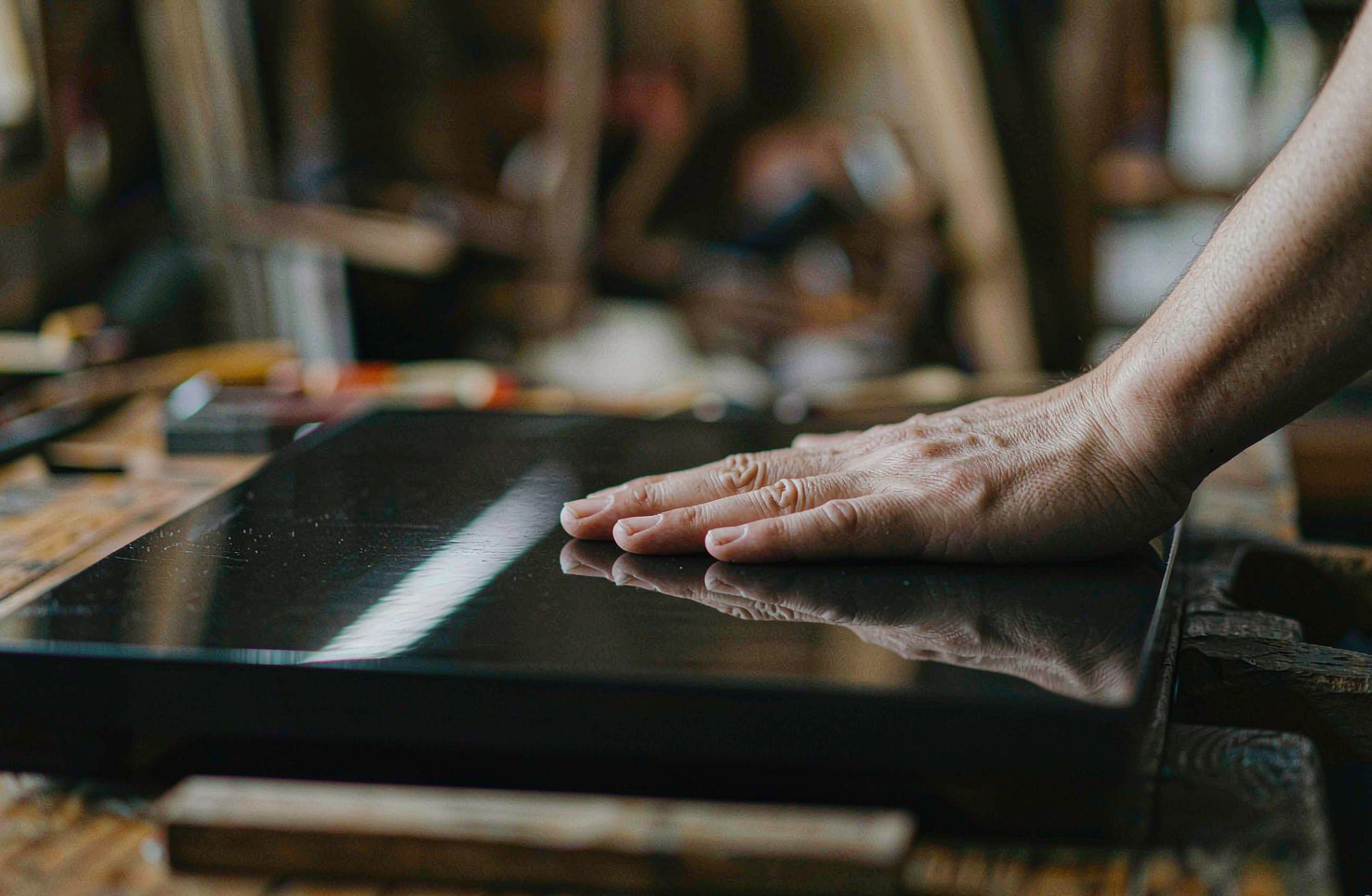
推光:一只手与时间的合谋
推光以大漆和此前多道髹磨工序为底,最后靠手掌的温度、力度与节奏推出温润光泽。文章同时写到师徒之间反复示范和重做,说明这道功夫既无法催快,也不能只靠口头讲解完成传递。
韵和鸣 · 2026/10/2 · 54 阅读
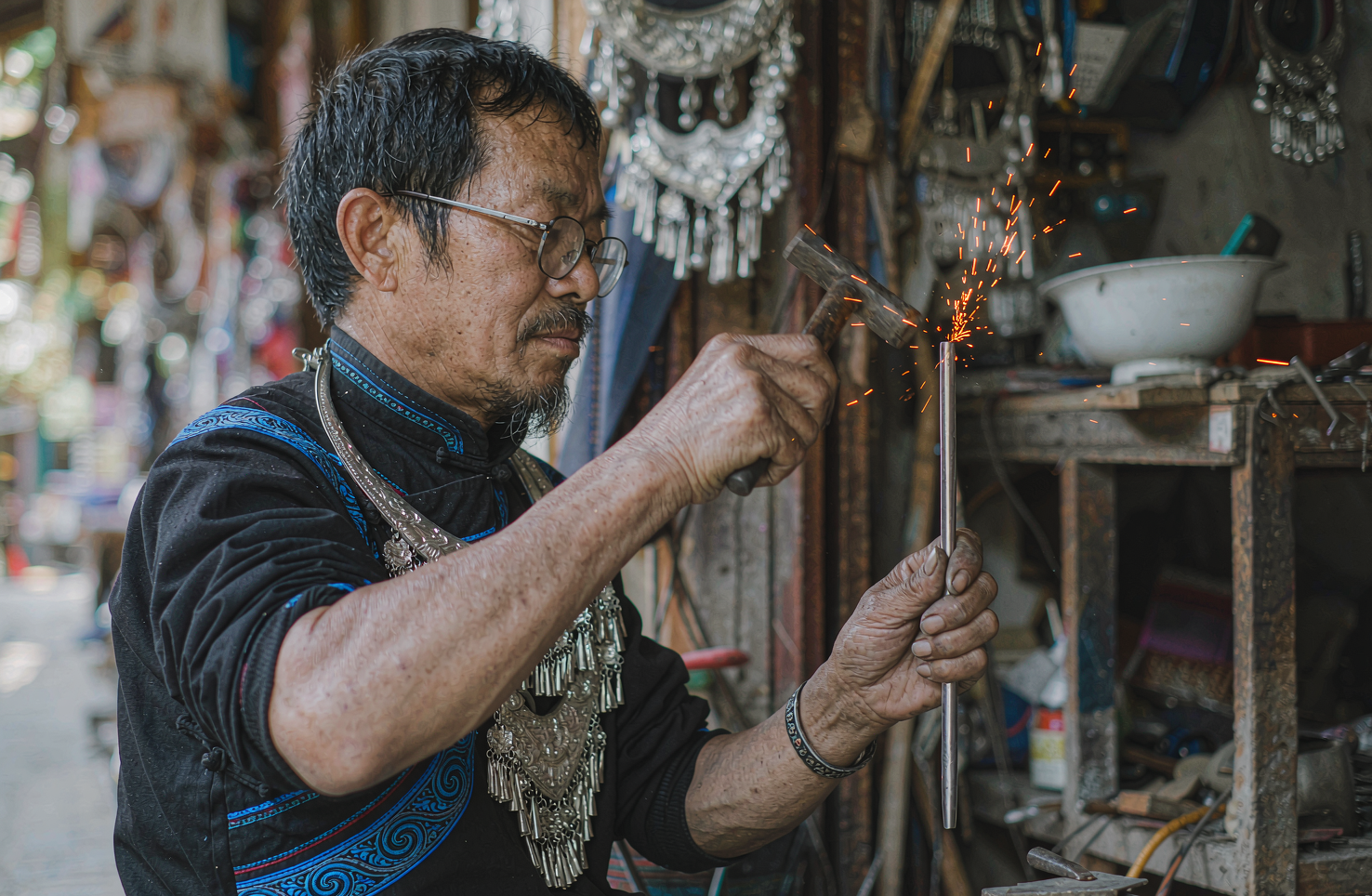
去贵州雷山,看一块银元如何变成一支银簪
在黔东南的苗寨里,银不只是一种首饰材料。它曾经是可以随时熔掉、重新打制的"存款",也是节日里一个女人身上最亮的那部分。关键在于,当一块老银元被放进坩埚,它要经过多少双手、多少道火,才重新成为一件能戴出门的东西。
韵和鸣 · 2026/10/9 · 70 阅读
AI 生成的"非遗纹样",算不算抄袭
喂一批图给模型,几秒钟就能出一张"苗绣风"的纹样。有人觉得这是把传统纹样重新用起来,有人认为这是把别人一辈子的手艺免费拿走了。问题不好回答,说到底,真正难定的不是"像不像",而是数据从哪来、收益到哪去。今天我们不做判断,只把两边的理由摆出来。
韵和鸣 · 2026/10/24 · 66 阅读