AI 生成的"非遗纹样",算不算抄袭
韵和鸣 · 韵和鸣公众号 · 2026/10/24 12:00:00 · 14 阅读
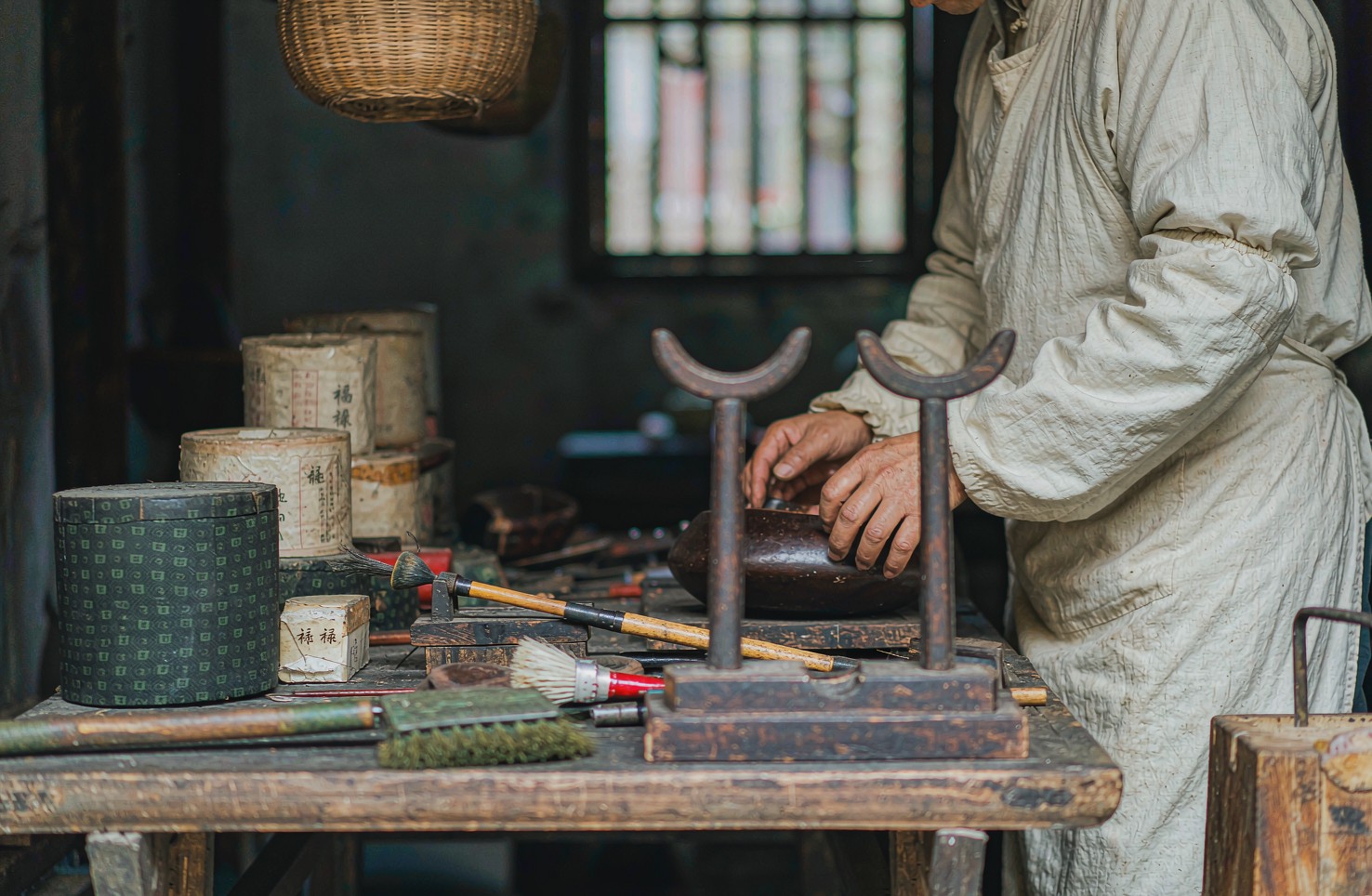
喂一批图给模型,几秒钟就能出一张"苗绣风"的纹样。有人觉得这是把传统纹样重新用起来,有人认为这是把别人一辈子的手艺免费拿走了。问题不好回答,说到底,真正难定的不是"像不像",而是数据从哪来、收益到哪去。今天我们不做判断,只把两边的理由摆出来。
▍一、主张 "不算" 的一方
联合国教科文组织 2003 年通过的《保护非物质文化遗产公约》写明:非物质文化遗产是指被各社区、群体、有时是个人视为其文化遗产组成部分的各种实践、表述、知识与技能。
注意排在主语位置的是"社区"。
这一方的起点是版权的对象。著作权保护的多是具体的一幅作品,而"蝴蝶纹""鸟纹"这类传统纹样,往往早于任何一位在世创作者存在,难以指认谁是作者。既然难以归属,也就谈不上抄袭某一个人。
他们还有一层现实的理由:让纹样消失的,从来不是被使用,而是没人用。能被扩散到包装、界面、日用品上,反而是另一种形式的流传。持这一立场的人常说,复制至少说明它还有人要。
▍二、主张 "算" 的一方
另一方的反驳集中在"谁的数据"。模型能生成这些纹样,前提是有人拍摄、扫描、整理了足够的样本,而这些样本往往出自具体的村落、具体的绣娘,采集过程中还得附上工艺背景与文化含义。数据被拿走了,产出被变现了,回流到源头的几乎没有。
更尖锐的一点是组合上的错置。同一张图里可能混着不同支系、不同场合的纹样,对使用者来说只是一张好看的图,对本族人来说可能是错的组合。持这一立场的人并不反对技术,他们反对的是在没有署名、没有分成、没有审核的前提下批量生产。
▍问答
问 | 传统纹样到底有没有版权
答 | 要分两层看。具体的一幅作品受著作权保护,署名明确,复制需要授权;而流传久远的传统纹样属于更宽的公共视觉资源,很难认定单一作者。真正的争议通常落在中间地带——把某一支系某一位匠人的具体图样拿来商用,同时又声称是"传统公共素材"。
问 | 韵和鸣怎么对待纹样和设计稿
答 | 三条规矩。一是器物与非遗老师联名,不是贴牌,纹样来自哪位老师写得清楚;二是涉及具体支系图样时,请老师本人审核能不能这样用、该配什么场合;三是开工前的图稿存档,成器物之后说明哪一部分是传统、哪一部分是这次的改动。
▍说在最后
技术的部分大概会越来越快,只有规则恰好相反:署名、授权、分成、审核,这四件事都得一点点磨出来,没有捷径。作为旁观者,我们更愿意把注意力放在另一头——如果一件东西便宜到不需要问出处,那它多半也不必对手艺负责。
你觉得 AI 生成的"非遗纹样"算不算抄袭?如果要用,你觉得至少该做到哪一条?评论区说说你的标准。
📩 非遗项目 | 匠人举荐 | 跨境出海 | 线下联营
欢迎留言或后台联系,我们与匠人同行。
—— 韵和鸣 · 与匠人同行
〖 辩 〗
English
The Convention for the Safeguarding of the Intangible Cultural Heritage, adopted by UNESCO in 2003, states that intangible cultural heritage refers to the practices, representations, expressions, knowledge and skills that communities, groups and, in some cases, individuals recognise as part of their cultural heritage. Note whose name comes first: communities.
This side begins with what copyright covers. What copyright protects is usually a specific work, whereas motifs such as the butterfly or bird predate any living maker, so no author can readily be named. Where attribution cannot be made, copying a particular individual cannot be the charge.
They add a practical argument: what kills a motif is not use but disuse. Over the past two decades many local patterns vanished together with the clothing they decorated. Seeing them spread onto packaging, interfaces and household goods could count as another form of survival. Those holding this view often say that patterns in a museum do not speak, and replication at least shows someone still wants them.
The reply concentrates on whose data this is. The model can produce these motifs because someone photographed, scanned and organised the samples from specific villages and specific embroiderers, together with the craft context and cultural meaning needed to read them. The data is taken, the output is monetised, and almost nothing flows back to the source.
A sharper point concerns incompleteness. A single image may blend motifs from different branches and different occasions: attractive to the user, wrong to the community that owns them. This side does not oppose the technology; it opposes volume production carried out with no attribution, no revenue sharing and no review.
Do traditional patterns actually carry copyright?
Two levels need separating. A specific finished work is protected and attributed, and copying it requires permission; long-circulating traditional motifs belong to a broader visual commons in which no single author can be identified. The real dispute usually sits in between, where a specific maker's specific design is taken for commercial use while being described as common traditional material.
How does YUNHEMING treat motifs and designs?
Three rules. First, each piece is co-signed with the maker rather than bearing a label, and it is stated whose motif it is. Second, where a design belongs to a particular branch, the maker reviews whether it may be used that way and on which occasion. Third, drawings are archived before work begins, and afterwards it is explained which parts are traditional and which were changed for this piece.
The technology will only get faster. What requires slowing down is the set of rules: attribution, permission, revenue sharing and review, none of which has a shortcut. Watching from the sidelines, we prefer to keep attention on the other end of the line: if something is cheap enough that you never ask where it came from, it probably owes the craft nothing either.
ICH Projects · Artisan Referrals · Global Distribution · Salon Partnerships
你可能还感兴趣
年轻人不愿学老手艺,该怪年轻人,还是怪这门手艺?
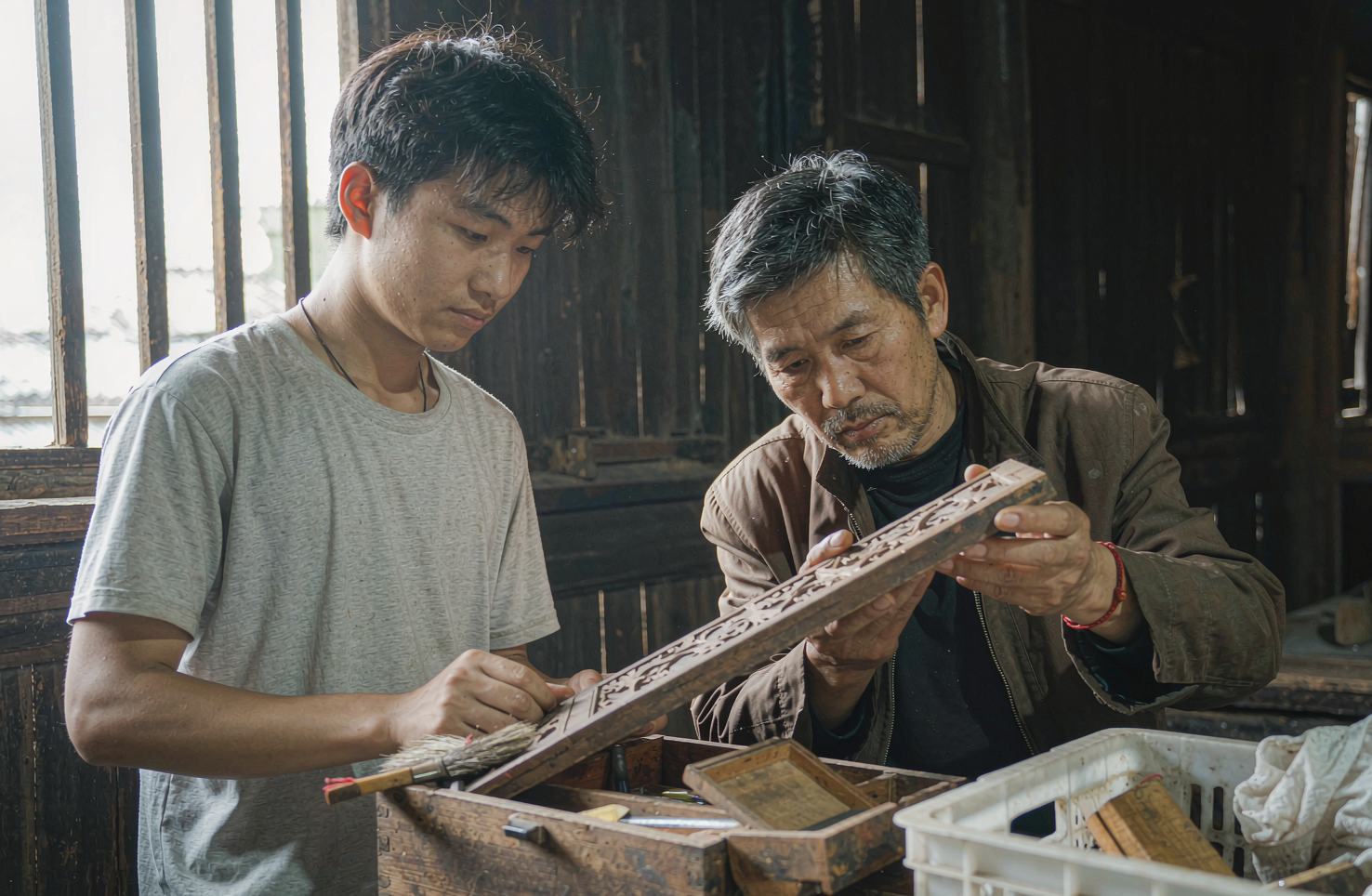
非遗传承里被讨论得最多的一句话是"后继乏人"。这句话往下追一层,就分成两条路:一条通向年轻人,说他们耐不住、看不上;一条通向他们面对的那门手艺,说它没能给出一条能活下去的路。这两条路,最近又吵起来了。
韵和鸣 · 2026/10/8 · 24 阅读
机器开始学手艺:是给匠人搭把手,还是来接班
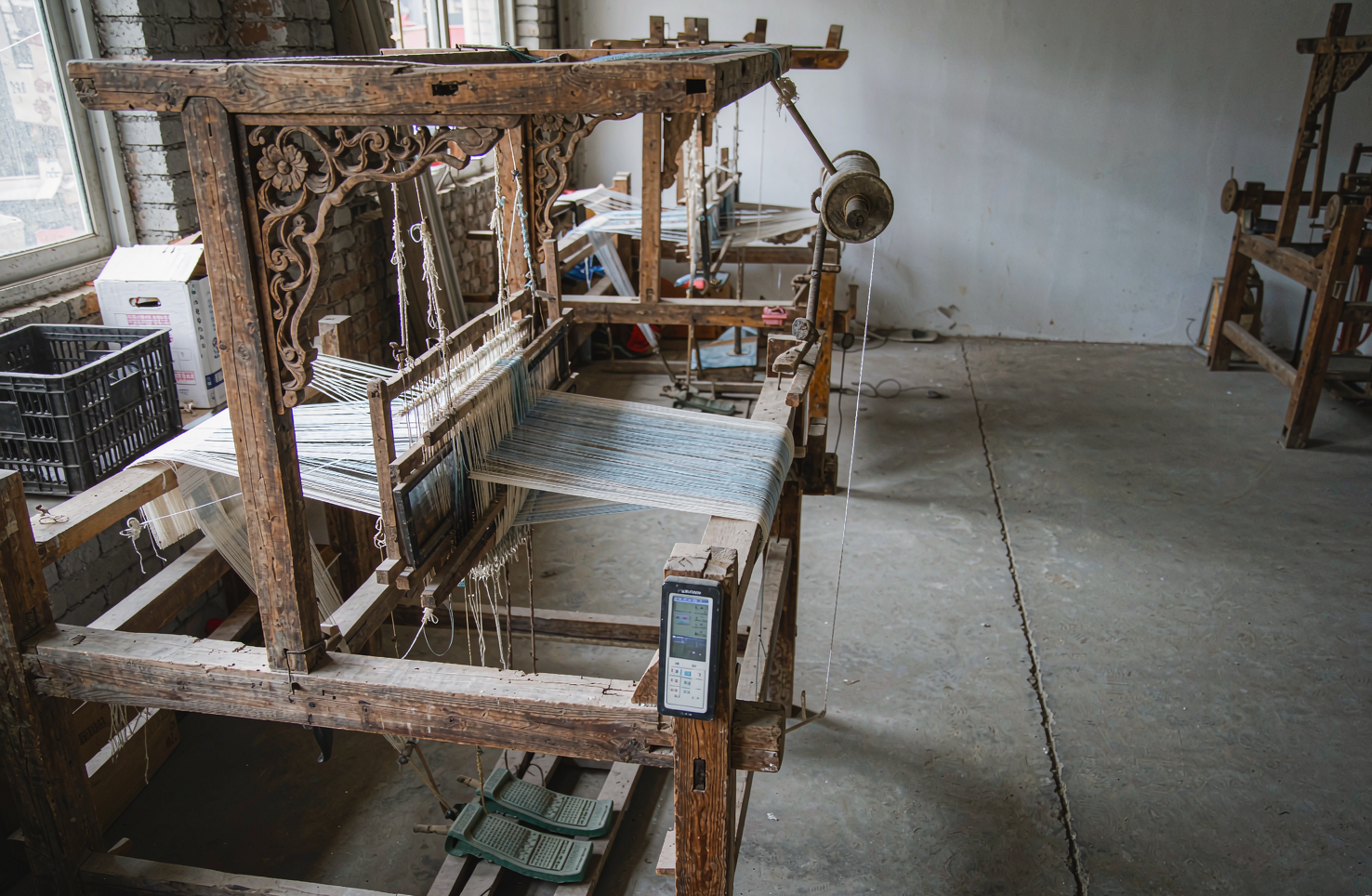
一段流传很广的画面里,一台机械臂正跟着非遗传承人"学艺"——学劈丝、捻线、穿针。看的人分成两拨:一拨说技术帮上了忙,一拨说来抢饭碗了。同一件事读出两种意思,关键在于用什么尺度去量。
韵和鸣 · 2026/10/9 · 23 阅读
匠人靠手艺赚钱,会不会把匠心赚没了
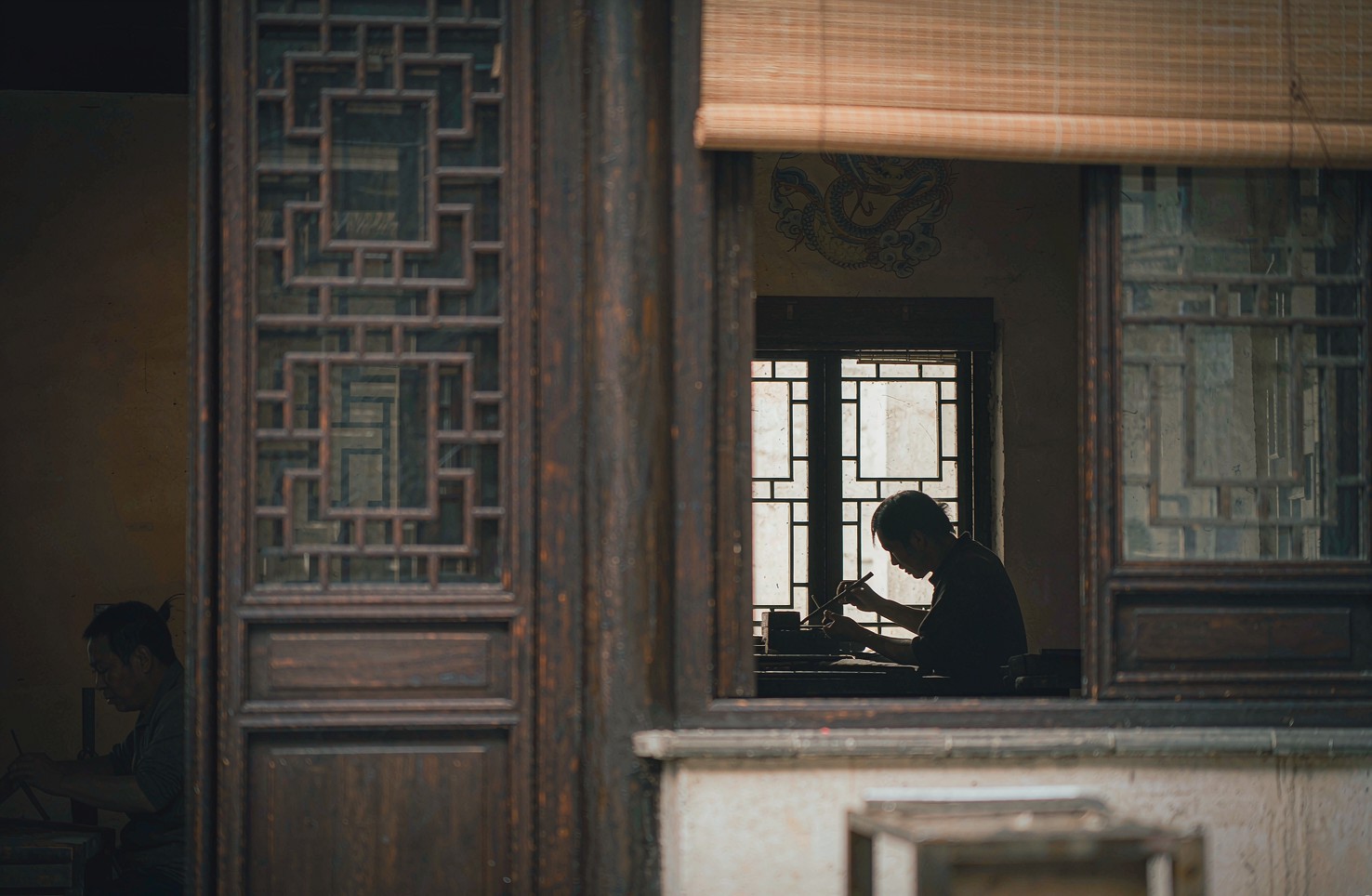
10 月中旬,消费日报刊文谈一个老话题:要让「守艺人」真正成为「受益人」。文章说,手艺人数十年练出来的本事换得体面的回报,本就天经地义。这话听着没毛病,可放到市场里,另一半问题就冒出来了:钱一旦成了主角,手艺会不会跟着变形。
韵和鸣 · 2026/10/20 · 19 阅读
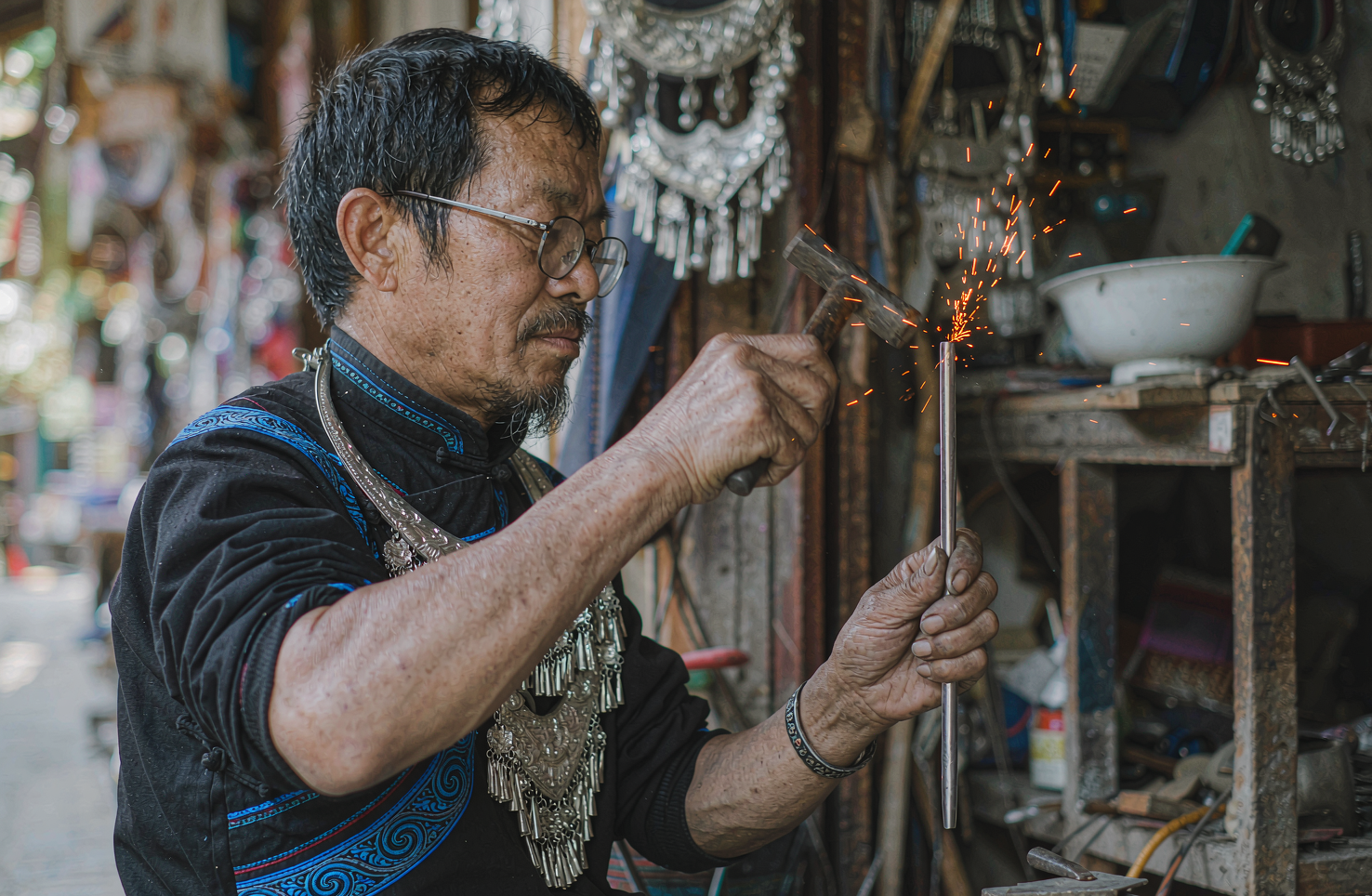
去贵州雷山,看一块银元如何变成一支银簪
在黔东南的苗寨里,银不只是一种首饰材料。它曾经是可以随时熔掉、重新打制的"存款",也是节日里一个女人身上最亮的那部分。关键在于,当一块老银元被放进坩埚,它要经过多少双手、多少道火,才重新成为一件能戴出门的东西。
韵和鸣 · 2026/10/9 · 42 阅读
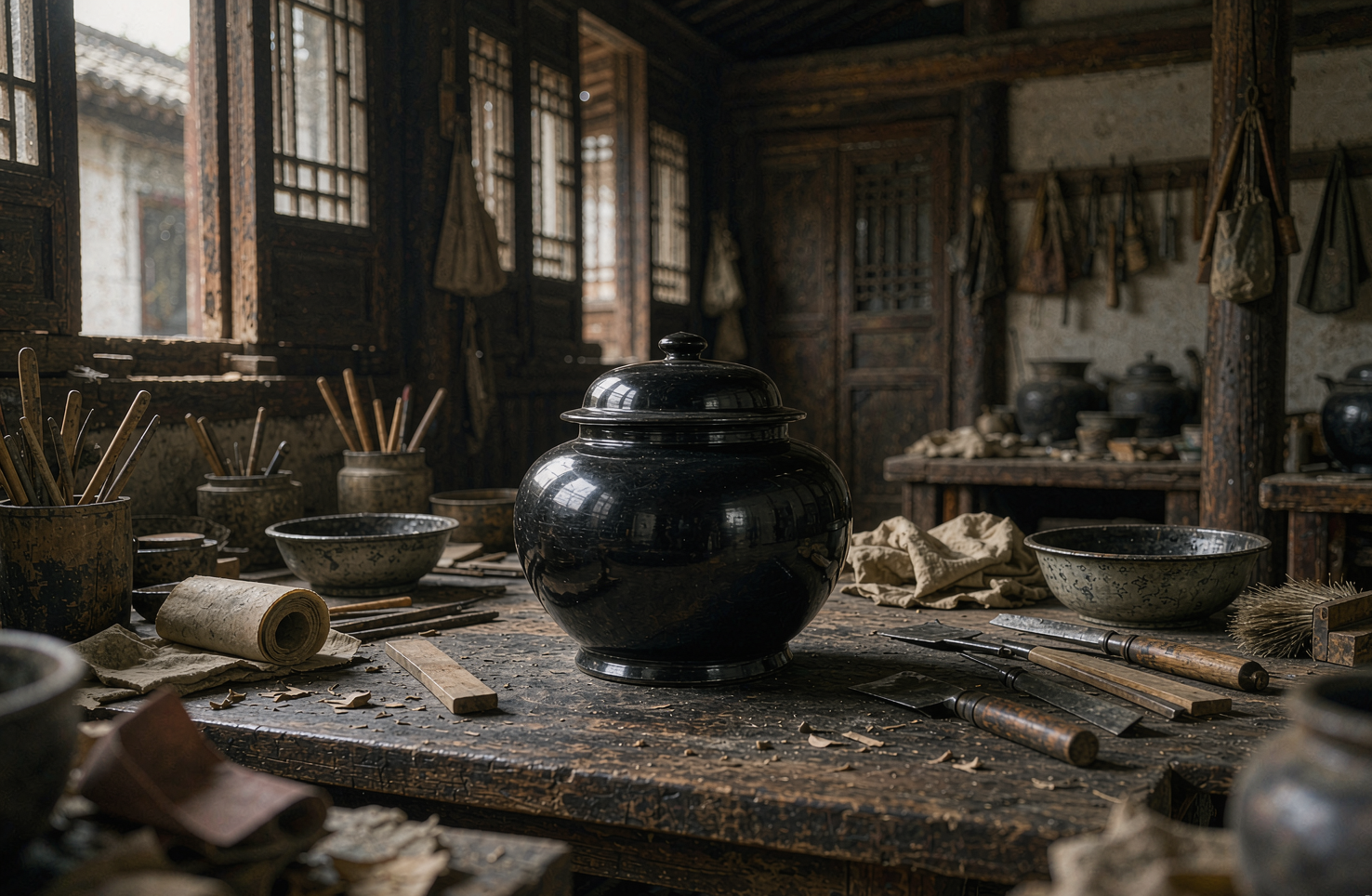
漆器为什么能埋八千年不坏
在博物馆做漆器研究与修复的研究员老周,桌上常年摆着两样东西:一段出土的漆皮残片,一只新做不久的平遥推光漆盘。他说这两样东西隔着八千年,却是同一种材料。这次对话,我们从"漆器为什么埋几千年不坏"聊起,聊到最后,其实是手艺对材料的理解问题。
韵和鸣 · 2026/10/14 · 30 阅读
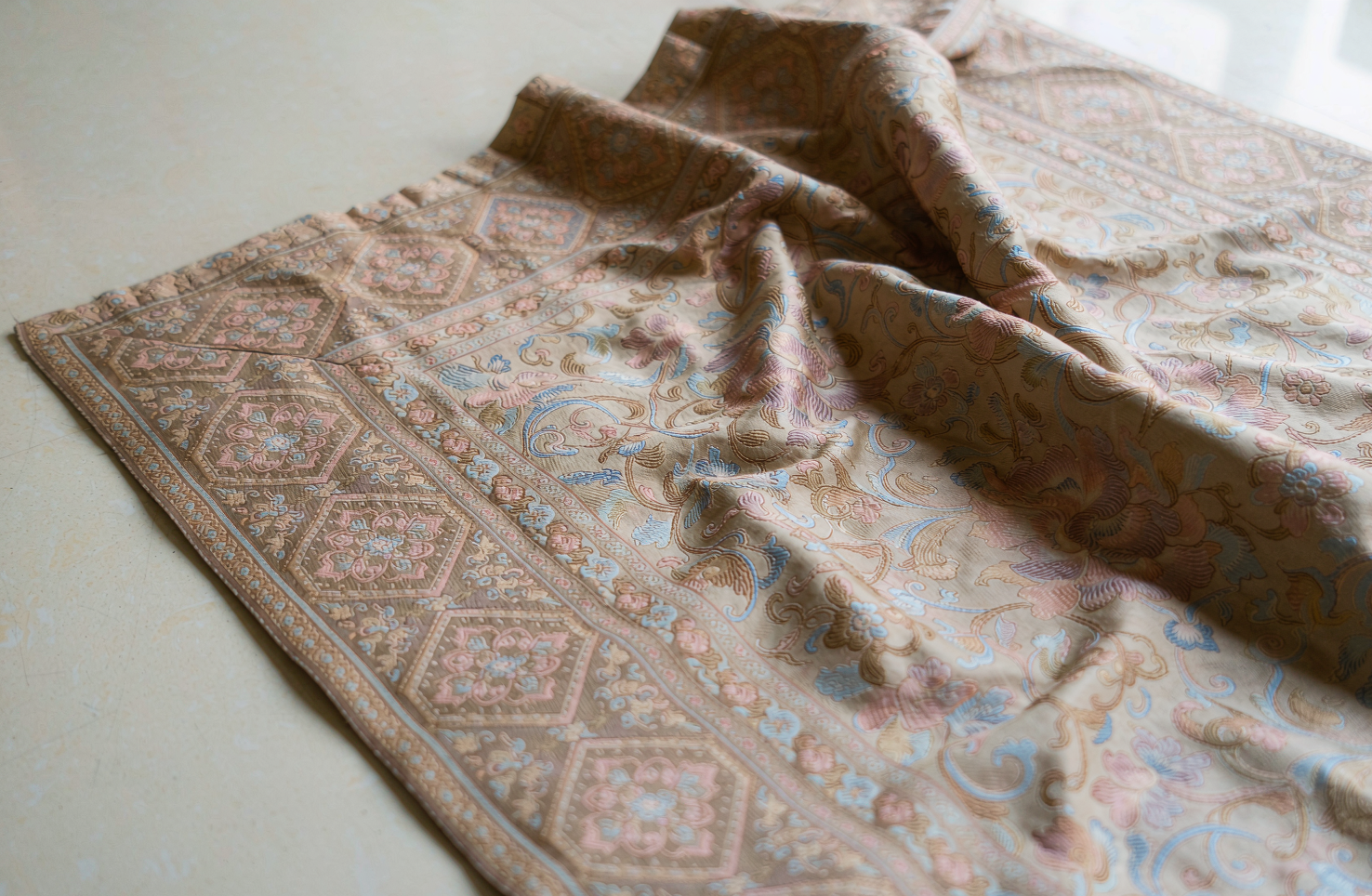
一方宋锦里,藏着宋人的审美秩序
初见宋锦,我的反应不是"好看",而是"安静"。它不像人们想象里的锦那样满身是光。带我看锦的老师傅说,正是这份安静,最难织。
韵和鸣 · 2026/10/8 · 25 阅读