竹编的「起底」,为什么决定一件器物能用多久
韵和鸣 · 韵和鸣公众号 · 2026/11/9 12:00:00 · 1 阅读
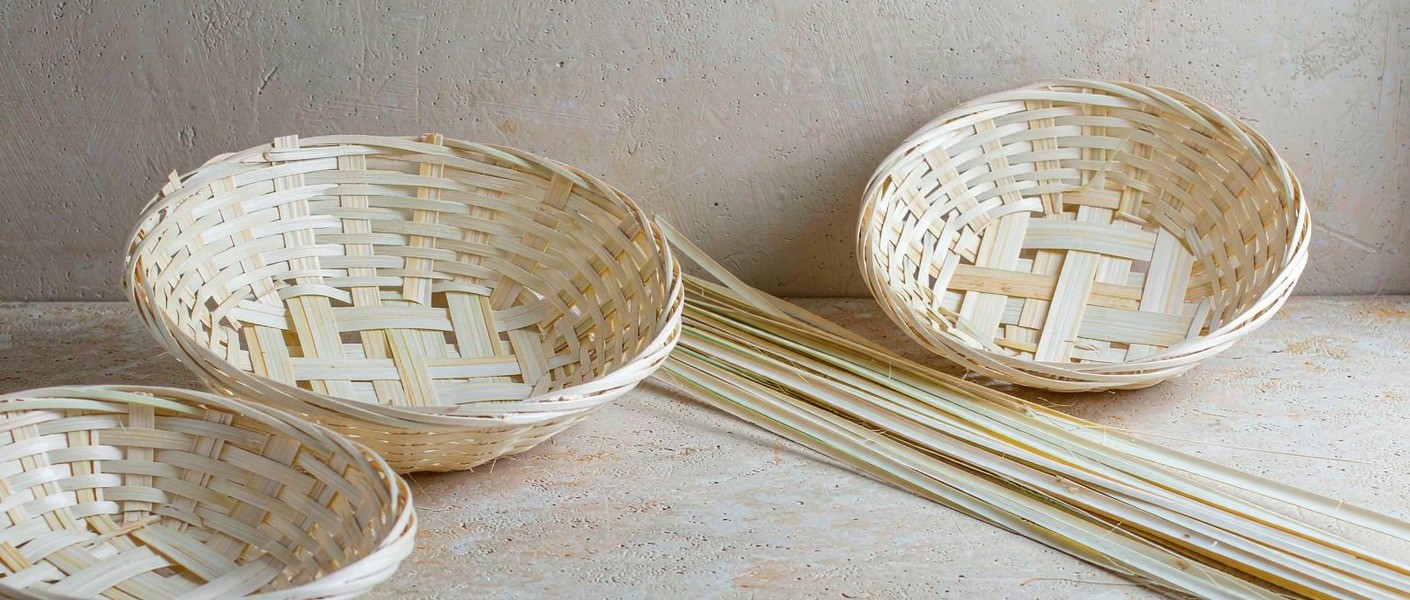
学竹编的头一天,师傅通常不让编花纹。他递给你几根篾,让你起底。一个底起得不方不正,后面编得再花也没用,越往上越歪。这门手艺里最不显眼的一道功夫,恰恰是决定成败的那一道。
▍一、起底是在决定受力
竹编器物的底,是整件东西的受力起点。装水的提篮、盛饭的筲箕、装茶的提盒,重量先落在底上,再由底把力分给侧壁,最后传到口沿。底部的编法因此和侧壁不同:篾条交叉更密,转角处要压紧,有的还要加一圈加固篾。
底起得松,装东西时底部会向下坠,侧壁跟着外张,用不了多久就变形。底起得歪,侧壁的每一圈都会把误差放大,编到口沿时已经收不拢。老篾匠看一件东西好不好,先翻过来看底。
▍二、四种底,四种用法
常见的有十字底、方底、圆底与六角底。十字底起手容易,适合小件;方底要求四边等长、四角成直角,多用于方筐与提盒;圆底要从中心向外放射,每一圈篾条的长度都要算准,是四种里最考手上分寸的;六角底多用在细篾器物上,孔隙均匀,透气好。
一只编到一半的竹篮翻扣在木凳上,底部的十字交叉处篾条压得很紧
▍三、篾青在外,篾黄在内
一根竹破开,外层叫篾青,内层叫篾黄。篾青纤维紧、韧性强、耐水,篾黄软、易吸水、易生霉。有经验的师傅分得清哪一段用在哪:承重的底与口沿多用篾青,需要弯曲的转角可以掺篾黄,贴着食物的部分一定用青。
分篾本身就是功夫。一根慈竹可以破成十几层,再分成细如发丝的篾丝。四川青神的瓷胎竹编用竹丝扣住瓷胎,靠的就是这一步。据公开资料,青神竹编已列入国家级非物质文化遗产名录。
▍四、慢的那一道,撑住了快的那一半
竹编在今天有两种命运。一种进了展柜,成了看的东西;一种留在厨房与市集,仍是用的东西。区别往往不在花样,在底。花样决定它被不被拍照,底决定它被不被用坏。
手艺的门槛常常这样分布:显眼的部分学得快,不显眼的部分学得慢。起底属于后者。它不出彩,却把一件器物的寿命从三年拉到十年。
▍五、问答
问 | 竹编的起底有几种编法,哪种最结实
答 | 常见四种:十字底、方底、圆底、六角底。论结实,方底与圆底更稳,因为受力沿周边分散;十字底起手快但承重有限,多用于小件。真正决定结实程度的不只是编法,还有篾条的密度与口沿的锁口是否到位。
问 | 竹编器物发霉了怎么办,能洗吗
答 | 能洗,但要快干。用软刷蘸淡盐水刷去霉点,立刻用干布吸掉水分,放在通风处阴干,不在太阳下暴晒,晒会使竹丝开裂。日常保持干燥、避免长期贴墙贴地放置,比事后清理有用。梅雨季可以在容器里放一小包干燥剂。
问 | 韵和鸣会收竹编这类器物吗
答 | 会看,标准与漆器一致:只选真正的非遗手工品,只与传承人本人合作,工序要守得住手工完成。竹编的门槛在篾与底,这两处经得起看的,才谈得上严选。品类上,竹是品牌六大矩阵之一,与漆、绣、银、锦、瓷并列。
📩 非遗项目 | 匠人举荐 | 跨境出海 | 线下联营
欢迎留言或后台联系,我们与匠人同行。
—— 韵和鸣 · 与匠人同行
〖 史 〗
相关搜索 | RELATED SEARCHES
竹编 起底 · 青神竹编 · 瓷胎竹编 · 竹编 怎么保养 · 竹编 发霉 · 竹编 工艺
English
The base is where force enters a woven object. A water basket, a rice skimmer, a tea carrier: weight lands on the base first, is passed to the walls, and reaches the rim last. So the base is woven differently from the walls, with denser crossings, tighter corners and sometimes an extra ring of reinforcing splint.
A loose base sags under load, the walls splay outward, and the shape is gone before long. A skewed base multiplies its error with every round until the rim will not close. Old weavers judge a piece by turning it over and looking at the base first.
The common four are the cross base, the square base, the round base and the hexagonal base. The cross is easiest to start and suits small pieces. The square requires equal sides and true right angles, and is used for square baskets and carriers. The round base radiates from the centre with every round's splint length calculated, the most demanding of the four. The hexagonal appears on fine-splint work, with even openings and good ventilation.
A half-woven basket upturned on a wooden stool, the splints pressed tight at the cross of its base
Split a bamboo and the outer layer is the green, the inner the yellow. Green splints are tight, tough and water-resistant; yellow ones are soft, absorbent and prone to mould. An experienced hand knows which goes where: green for load-bearing bases and rims, yellow blended in where a corner must bend, green again for anything that touches food.
Splitting is itself a skill. One bamboo culm can be opened into a dozen layers and then into filaments finer than hair. In Qingshen, Sichuan, porcelain-body weaving uses such filaments to clasp a porcelain form, fine enough to follow the glaze. Public records list Qingshen bamboo weaving as national-level intangible cultural heritage.
Bamboo weaving faces two fates today: into a display case as something to look at, or into kitchens and markets as something to use. The difference is rarely the pattern. The pattern decides whether it gets photographed; the base decides whether it wears out.
The threshold of a craft is often distributed this way: the conspicuous part is learned quickly, the inconspicuous part slowly. The base belongs to the second. It wins no admiration, yet it stretches a piece's life from three years to ten.
How many base weaves are there, and which is strongest?
Four are common: cross, square, round and hexagonal. The square and round are steadier because force spreads around the perimeter; the cross is quick to start but carries less and suits small pieces. Strength depends not only on the weave but on splint density and whether the rim is properly locked.
What if a bamboo piece moulds, and can it be washed?
Yes, but dry it fast. Brush mould off with a soft brush and weak salt water, blot at once with a dry cloth, and air-dry in a ventilated spot away from direct sun, which cracks the splints. Keeping it dry and off damp walls and floors matters more than cleaning afterwards. In humid months, a small desiccant pack inside helps.
Does YUNHEMING take bamboo work?
It looks at them, on the same standard as lacquer: only genuine handmade heritage work, only with the bearers themselves, and the process must hold by hand. In bamboo the test is the splint and the base; only what survives that reading enters selection. Bamboo is one of the brand's six matrices, alongside lacquer, embroidery, silver, brocade and porcelain.
ICH Projects · Artisan Referrals · Global Distribution · Salon Partnerships
你可能还感兴趣
苗族银饰锻制技艺:三十多道工序,做一身能走路的银
苗族银饰锻制技艺以三十多道工序,将银料制成头饰、颈饰、胸饰等整套盛装。本文梳理其产区、流变、錾刻与焊接特点,并说明为何用料分量不能替代工艺判断及其传承难题。
韵和鸣 · 2026/10/24 · 117 阅读
一件漆器该有多重,手感不会说谎
严选器物,看纹样、看款识、看证书,都是明面上的事。但有一道标准写不进任何参数表——上手。同一尺寸的两只漆盘,一只压手温润,一只轻飘干瘪,差别从何而来?这次把"分量"这件事拆开讲。说到底,重量是工序的记账本。
韵和鸣 · 2026/10/14 · 58 阅读
漆器能不能装热水?苏绣会不会勾丝?四个常被问到的问题
后台每周都会收到一批重复的问题,大多集中在"买回去怎么用":漆器能不能装热水、能不能进洗碗机,苏绣小饰品日常会不会勾丝,绣品怎么装框才不伤绣面。今天一次答清,另外说说怎么分辨一个品牌是不是"挂名非遗"。说到底,能不能用得久,才是检验的起点。
韵和鸣 · 2026/10/24 · 57 阅读
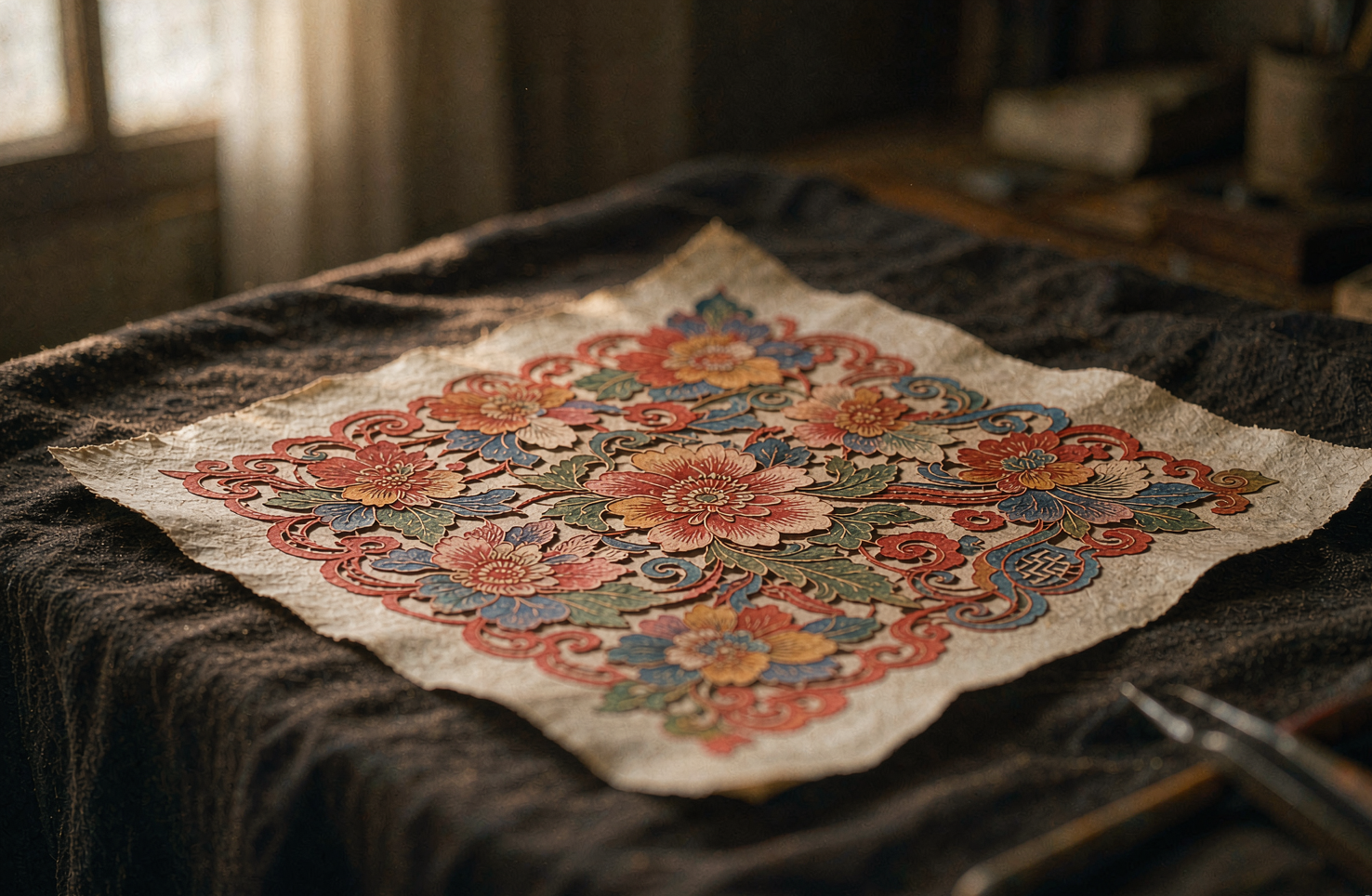
一张蔚县剪纸,彩色的刻刀活
严选录这一期看一张不太一样的剪纸:它不用剪刀,用刻刀;不止红色,还带着点染出来的粉与绿。河北张家口蔚县的剪纸,是剪纸大家族里"反着来"的一支——别处以剪为主、以红为正,蔚县以刻代剪、以点彩上色。说到底,这两个"反着来"的本质,是蔚县人把剪纸从窗前的女红,做成了作坊里的分工手艺:看懂了这一点,才算看懂了这张纸。
韵和鸣 · 2026/10/13 · 55 阅读
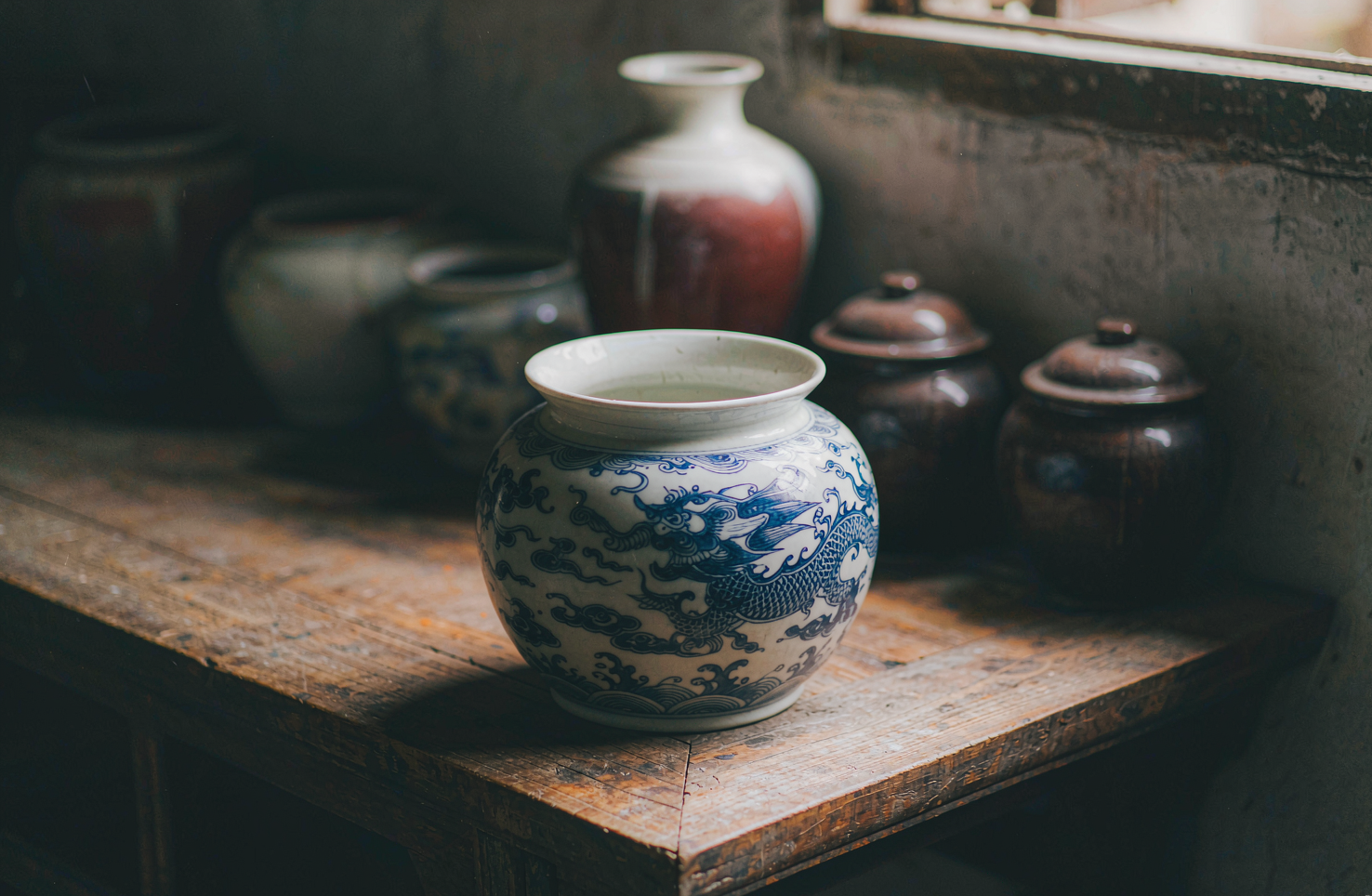
一盏博山琉璃:颜色是炉火给的,不是颜料调的
博山琉璃的颜色由矿石、着色配方和炉温共同形成,鸡油黄等色料并非烧成后涂在表面。文章介绍挑料、吹制、塑型、灯工和内画,说明流纹、气泡与壁厚如何反映手工过程,并提供观察颜色、过渡和口沿的选器方法。
韵和鸣 · 2026/10/12 · 55 阅读
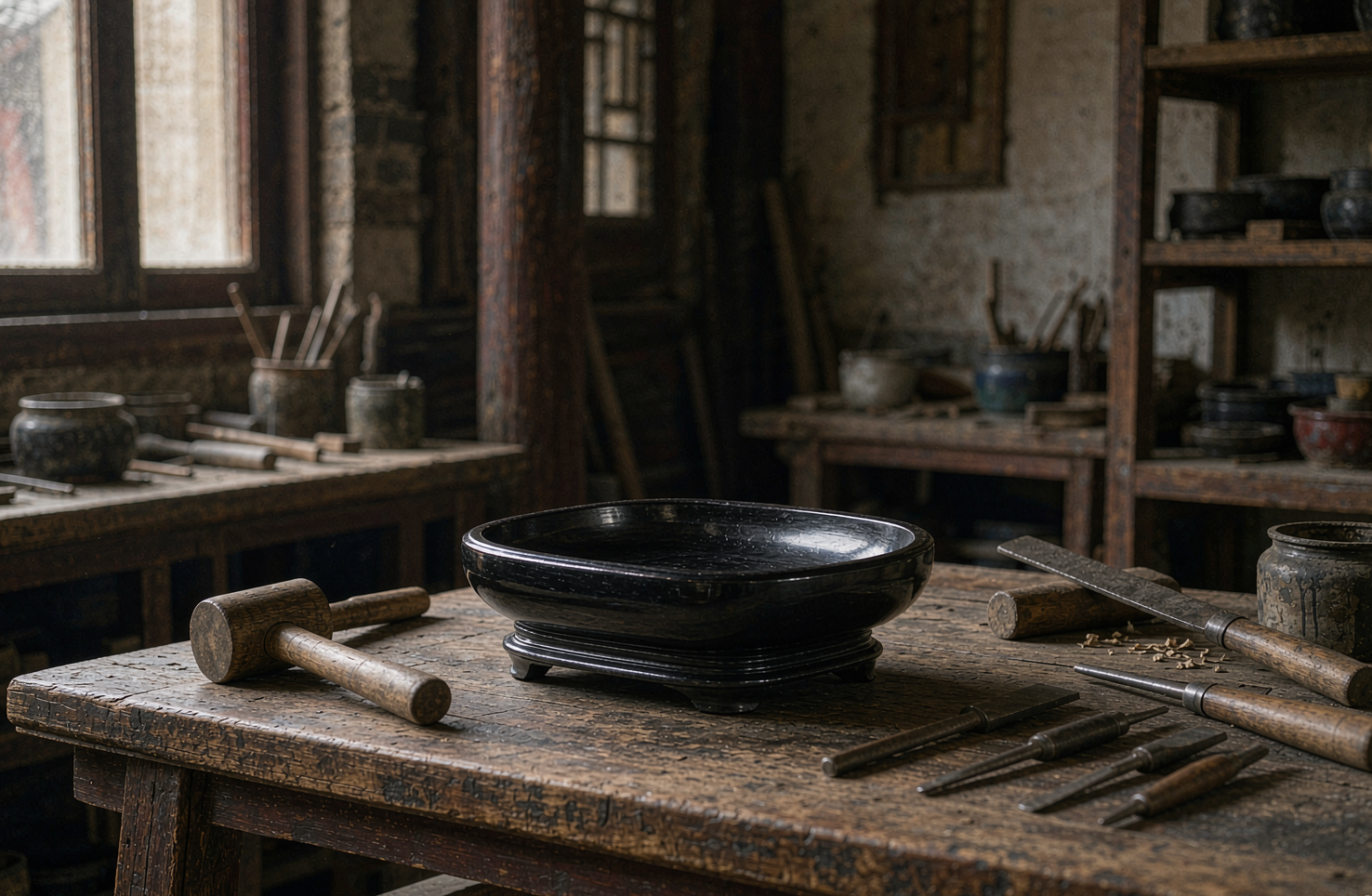
大漆和化学漆怎么分?挑漆器前先答这四问
文章从大漆与化学漆的材料和光泽、手工与机器制品的触感和细节、赠礼器形及出口市场四方面回答挑漆器的问题。闻、看、掂、敲可作为综合观察线索,但仍需结合材质说明、制作工序与匠人来路判断。
韵和鸣 · 2026/10/12 · 52 阅读