徒弟留不下的那几年,一位漆器师傅把工序拆成了课
韵和鸣 · 韵和鸣公众号 · 2026/11/9 12:00:00 · 1 阅读
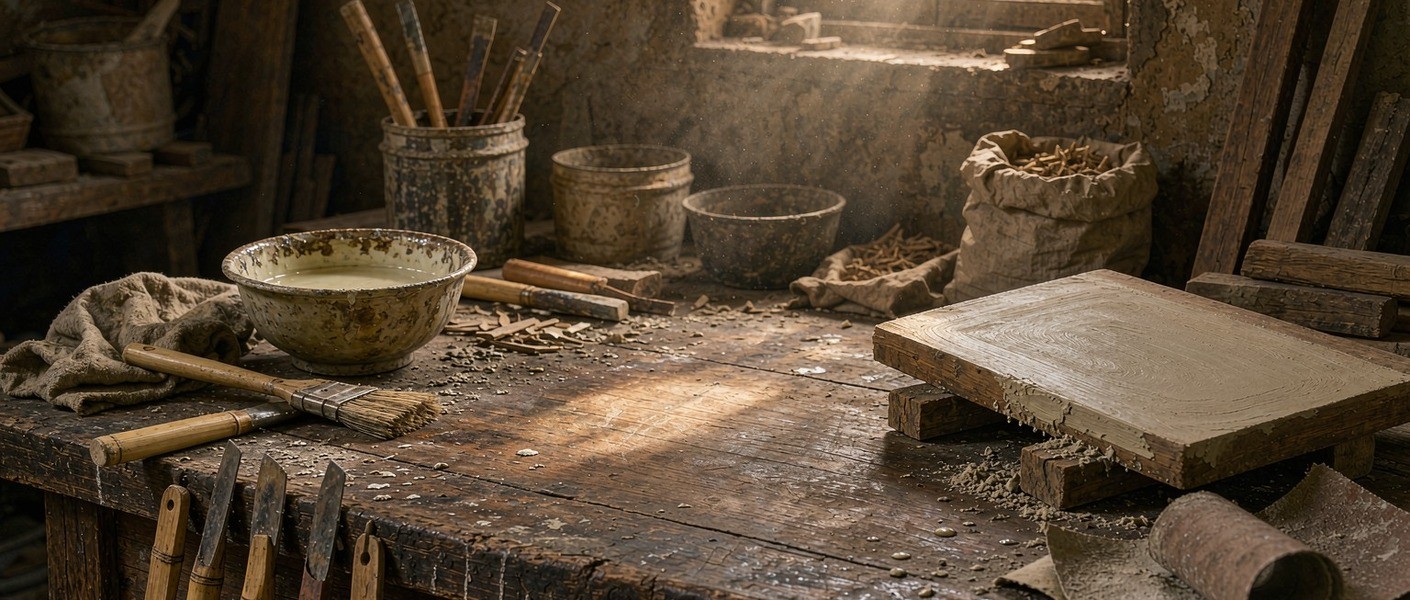
在平遥,我们见过这样一个场面。一个二十出头的年轻人收拾行李,师傅送到院门口,两个人谁也没多说。年轻人学了十一个月,家里给他找了份稳定工作,月薪比在漆坊里高。师傅回身把晾架上那块没刮完灰的坯板取下来,放回木架最下层。这件事他说得很平静,带徒这件事,难的不在教。
▍一、三年才让上手的那一道
平遥推光漆器髹饰技艺 2006 年列入国家级非物质文化遗产名录。它的工序长,且大多是慢工:制胎、裱布、刮灰、髹漆、阴干、描金彩绘、螺钿镶嵌,最后是推光。
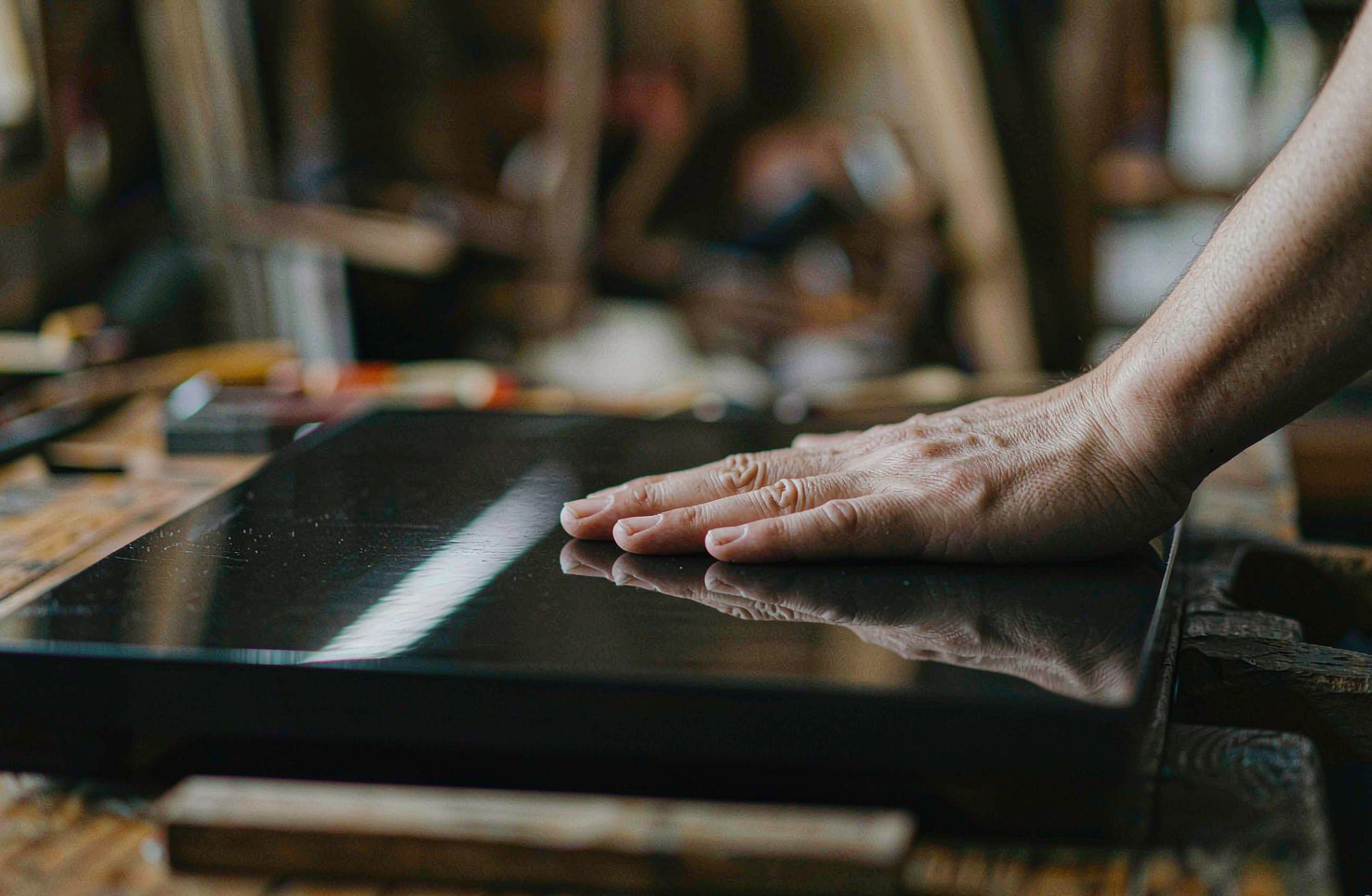
推光是这门技艺的名字所在,也是最晚才让徒弟碰的一步。用掌心蘸上细粉,在漆面上反复推磨,力道要匀,速度要稳,掌心的温度会一点点把漆面推到发亮。推重了会留痕,推轻了不起光。师傅们常说,手上有汗、心里有火的人推不出好光。
比推光更早的一关是阴干。漆不进烘房,只能进阴干房,温度与湿度都要看住。湿度不够,漆膜起皱;太湿,表面发白。一髹一干,一件器物要跨过许多个夜。
阴干房里一层层木架,架上摆着刚髹过漆的胎体,墙面泛着潮气
▍二、徒弟走的三道坎
我们和几位师傅聊过带徒的事,说法不太一样,指向的三个坎却相似。
头一道是收入。学徒期通常一到三年,这期间做出的东西多半不能卖,师傅还得管饭。一个二十岁的年轻人,同龄人在城里拿四五千,他在漆坊里拿生活费。家里一算账,人就回去了。这不是手艺的问题,是账的问题。
第二道是耐心。漆艺的反馈太慢。学木工,一周能做出一个小凳;学漆,十一个月可能还在刮灰。年轻人不怕苦,怕的是看不见自己在进步。有位师傅的做法是给学徒设小目标:三个月做一只素髹小盒,哪怕粗糙,也让他完整走一遍从坯到光的流程。
第三道是身份。学了三年,出去算什么?有没有证书,能不能评职称,能不能自己接单。这些问题在工坊里得不到答案,得靠外面的制度。
一只手掌按在漆面上推光,掌心下方一片漆面已经透出光
▍三、把工序拆开,是这几年真正的变化
几位师傅这几年都在做同一件事:把工序拆开,分级教。头一年只学制胎与刮灰,第二年学髹涂与阴干,第三年才碰描金与推光。每一级有明确的验收标准:灰层平不平,漆膜匀不匀,光起不起。
拆开的好处有三个。学徒看得见进度,一年有一年的东西;工坊能分工,一个人不必样样精通;订单来的时候,产能不再卡在师傅一双手上。这门手艺过去的组织方式是一个师傅带一个全能徒弟,现在更像一条有工序的线。
这与政策的方向也对得上。11 月 8 日我们写过的那份六部门文件,第十八条提出合理保障国家级、省级非遗代表性传承人以及青年从业者薪酬待遇,并要求实施「新八级工」职业技能等级制度。学徒期的收入与身份,正是带徒链条上最松的那两环。
▍四、师傅那一句
临走时我们问那位师傅,徒弟走了会不会难受。他说,难受,但手艺不是靠留人留住的。他指了指墙角一只做了两年的柜子,说这只柜子的漆推了七遍,第七遍的光和前六遍都不一样,这个差别只有自己推过才知道。他说,只要还有人愿意推第七遍,这门手艺就还在。
▍五、问答
问 | 平遥推光漆器是国家级非遗吗,什么时候列入的
答 | 是。平遥推光漆器髹饰技艺 2006 年列入国家级非物质文化遗产名录,属传统技艺类,申报地区为山西省平遥县。它的核心工序包括制胎、裱布、刮灰、髹漆、阴干、描金彩绘、螺钿镶嵌与推光,"推光"二字就来自最后这道用手掌完成的工序。
问 | 学平遥推光漆器要多久才能上手
答 | 行内通行的说法是三年出徒:头一年学制胎与刮灰,第二年学髹涂与阴干,第三年才碰描金与推光。推光最晚开放,因为它对手感与心性的要求最高。三年之后仍需在师傅身边做两三年,才能独立接单。
问 | 做漆器为什么会过敏,是不是材料有问题
答 | 与材料好坏无关,是生漆本身的特性。生漆中的漆酚会让部分人皮肤过敏,业内叫「咬人」,多数人在反复接触后逐步适应,也有人始终不适。传统做法是避开面部与颈部接触、缩短单次作业时间。这与「劣质材料」是两件事。
问 | 韵和鸣怎么和漆器师傅合作
答 | 以联名的方式。器物由师傅手工完成,品牌与老师共同署名,匠人的名字是作品的一部分;品牌负责内容、渠道与出海,产品出口欧美、日韩、新加坡等市场。这套分工的意义在于,师傅的时间尽量留在工坊里,推销与解释的事由别人去做。
📩 非遗项目 | 匠人举荐 | 跨境出海 | 线下联营
欢迎留言或后台联系,我们与匠人同行。
—— 韵和鸣 · 与匠人同行
〖 匠 〗
English
The Step You Are Not Allowed to Touch for Three Years
Pingyao polished lacquerware entered the national intangible cultural heritage list in 2006. Its process is long and mostly slow: making the body, pasting cloth, filling with ash putty, coating with lacquer, drying, gold tracing and painting, mother-of-pearl inlay, and finally hand-polishing.
Polishing gives the craft its name and is the last step an apprentice is allowed to touch. The palm, dusted with fine powder, works the surface again and again, pressure even, pace steady, and the warmth of the hand slowly brings up the sheen. Press too hard and marks remain; press too light and no light comes. Masters say a hand that sweats and a mind that burns make poor polish.
Earlier than polishing comes drying. Lacquer does not go into an oven; it goes into a dark drying room where temperature and humidity are watched. Too dry and the film wrinkles; too damp and it blooms pale. One coat, one night: a single piece crosses many nights.
Tiered wooden racks in a drying room, freshly lacquered bodies on the shelves, damp blooming on the walls
We have talked with several masters. Their accounts differ, but they point at the same three gates.
The first is income. Apprenticeship usually runs one to three years, during which most output cannot be sold and the master still feeds the apprentice. A twenty-year-old watches peers in the city earn four or five thousand a month while he draws pocket money. Once the family does the arithmetic, he goes home. That is not a problem of craft; it is a problem of accounts.
The second is patience. Lacquer gives slow feedback. A week of carpentry yields a stool; eleven months of lacquer may still be putty work. Young people do not fear hardship; they fear seeing no progress. One master sets small targets: a plain lacquered box within three months, rough if need be, but a complete run from body to shine.
The third is standing. After three years, what is he? Is there a certificate, a title, the right to take his own orders? A workshop cannot answer these; only institutions outside it can.
A palm pressed to a lacquer surface in polishing, the area beneath the hand already showing a sheen
Splitting the Process Is the Real Change of Recent Years
In recent years several masters have done the same thing: split the process and teach it in grades. Year one covers the body and putty, year two coating and drying, year three gold tracing and polishing. Each grade has a check: is the putty level, the film even, the sheen rising.
Splitting helps in three ways. Apprentices see progress, one grade per year; the workshop can divide labour so no one must master everything; and when orders come, capacity no longer hinges on one pair of hands. The old shape was one master and one all-round apprentice; now it looks more like a line with stations.
This matches the policy direction. In the six-ministry document we wrote about on 8 November, article eighteen calls for safeguarding the pay of national and provincial bearers and young practitioners and for a new eight-grade vocational skill system. Income and standing during apprenticeship are precisely the two loosest links in the chain.
As we left, we asked whether losing an apprentice hurts. He said it does, but a craft is not kept by holding people. He pointed to a cabinet in the corner that had taken two years, its lacquer polished seven times; the sheen of the seventh, he said, differs from the first six, and only someone who has polished can tell. As long as someone is willing to do the seventh pass, the craft is still here.
Is Pingyao polished lacquerware national-level heritage, and when was it listed?
Yes. The technique entered the national list in 2006 under traditional craft, declared by Pingyao County in Shanxi. Its core steps are the body, cloth pasting, putty filling, lacquering, drying, gold tracing and painting, mother-of-pearl inlay and hand-polishing, the last of which gives the craft its name.
How long does it take to become competent?
The common rule is three years: body and putty in the first, coating and drying in the second, gold tracing and polishing in the third. Polishing opens last because it demands the most of hand and temperament. Two or three further years beside the master are usually needed before taking orders alone.
Why do lacquer workers get rashes? Is something wrong with the material?
It has nothing to do with quality; it is a property of raw lacquer. Urushiol in the sap causes contact dermatitis in some people, known in the trade as being bitten, and most adapt with repeated exposure while a few never do. The traditional response is to avoid face and neck contact and shorten sessions. That is different from poor material.
How does YUNHEMING work with lacquer masters?
Through co-signature. Pieces are made by the master's hand and signed by both, so the maker's name is part of the work; the brand handles content, channels and export, shipping to Europe, the US, Japan, Korea and Singapore. The point of the division is that the master's hours stay in the workshop while selling and explaining fall to others.
Keeping apprentices is not finally solved by sentiment. They need income, visible progress and standing; the workshop needs division of labour, standards and orders. Put those together and people stay. Do you know someone who left a craft halfway? Why did they go?
ICH Projects · Artisan Referrals · Global Distribution · Salon Partnerships
你可能还感兴趣
漆器为什么能埋八千年不坏
在博物馆做漆器研究与修复的研究员老周,桌上常年摆着两样东西:一段出土的漆皮残片,一只新做不久的平遥推光漆盘。他说这两样东西隔着八千年,却是同一种材料。这次对话,我们从"漆器为什么埋几千年不坏"聊起,聊到最后,其实是手艺对材料的理解问题。
韵和鸣 · 2026/10/14 · 77 阅读
十六岁学艺,他如今想让漆器走进年轻人的家
在平遥,学漆艺的人正在换代。老匠人把五十年的功夫交给徒弟,年轻教师把漆带进课堂。一门千年手艺要传下去,卡住的往往不是技法。
韵和鸣 · 2026/10/2 · 59 阅读
一位苏绣绣娘谈配色:机器调不出的那层灰
苏州的绣坊里,一个上午常常只做一件事:配灰。不是调颜料,是把几股不同颜色的丝线并在一起,看它们在光下合不合。绣娘说,机器能把颜色调得很准,可准不等于对——苏绣要的那层灰,是跟着光线走的。
韵和鸣 · 2026/10/20 · 55 阅读
推光:一只手与时间的合谋
推光以大漆和此前多道髹磨工序为底,最后靠手掌的温度、力度与节奏推出温润光泽。文章同时写到师徒之间反复示范和重做,说明这道功夫既无法催快,也不能只靠口头讲解完成传递。
韵和鸣 · 2026/10/2 · 54 阅读
去贵州雷山,看一块银元如何变成一支银簪
在黔东南的苗寨里,银不只是一种首饰材料。它曾经是可以随时熔掉、重新打制的"存款",也是节日里一个女人身上最亮的那部分。关键在于,当一块老银元被放进坩埚,它要经过多少双手、多少道火,才重新成为一件能戴出门的东西。
韵和鸣 · 2026/10/9 · 70 阅读
AI 生成的"非遗纹样",算不算抄袭
喂一批图给模型,几秒钟就能出一张"苗绣风"的纹样。有人觉得这是把传统纹样重新用起来,有人认为这是把别人一辈子的手艺免费拿走了。问题不好回答,说到底,真正难定的不是"像不像",而是数据从哪来、收益到哪去。今天我们不做判断,只把两边的理由摆出来。
韵和鸣 · 2026/10/24 · 66 阅读