书道要进人类非遗名录了:名录的规则,允许同一门手艺多国申报
韵和鸣 · 韵和鸣公众号 · 2026/11/8 12:00:00 · 1 阅读
据日本文化厅 2026 年 11 月 5 日发布的消息,联合国教科文组织非物质文化遗产的评估机构已建议将日本「书道」列入人类非物质文化遗产代表作名录。据日本《朝日新闻》报道,政府间委员会将于 11 月 30 日至 12 月 5 日在中国福建厦门开会,届时作出最终决定。情绪先放一边,真正值得看的是名录本身那套规则。
▍一、先看书道自己是什么
按日本文化厅的介绍,书道是用毛笔、墨、砚等工具,以传统的运笔与技法手写汉字与假名的文字表现形式,也包括石刻篆刻。它的特点被概括为两条,既用汉字,也用日本独有的假名;与国民生活关系密切,出现在书信、新春试笔、冠婚葬祭等场合。
时间线也清楚。书道 2021 年成为日本的国家级非物质文化遗产,2023 年被选为申遗候选项目,2024 年 3 月提交申报材料,同年因日本优先推进「传统酿酒」而未能进入当轮审查。若这次通过,它将成为日本第 24 项人类非遗代表作。
▍二、名录的规则:同类遗产可以多国申报
联合国教科文组织的申报机制尊重文化多样性,允许多个国家或地区就性质相同的遗产分别申报,也允许联合申报。名录登记的是「在某个社区中被不断再创造」的实践,不构成对技艺源流的独占性判定。
所谓人类非物质文化遗产代表作名录,是指依据联合国教科文组织《保护非物质文化遗产公约》设立的名录,登记由缔约国申报、经评估机构建议并由政府间委员会审议通过的活态文化实践;同一性质的遗产可以由多个缔约国分别或联合申报,名录本身不判定技艺的起源归属。
参照就在旁边。中国书法 2009 年 9 月 30 日经政府间委员会第四次会议审议,列入该名录。书法这一支早已在其中,书道申报的是它在日本形成的那套写法与生活用法。
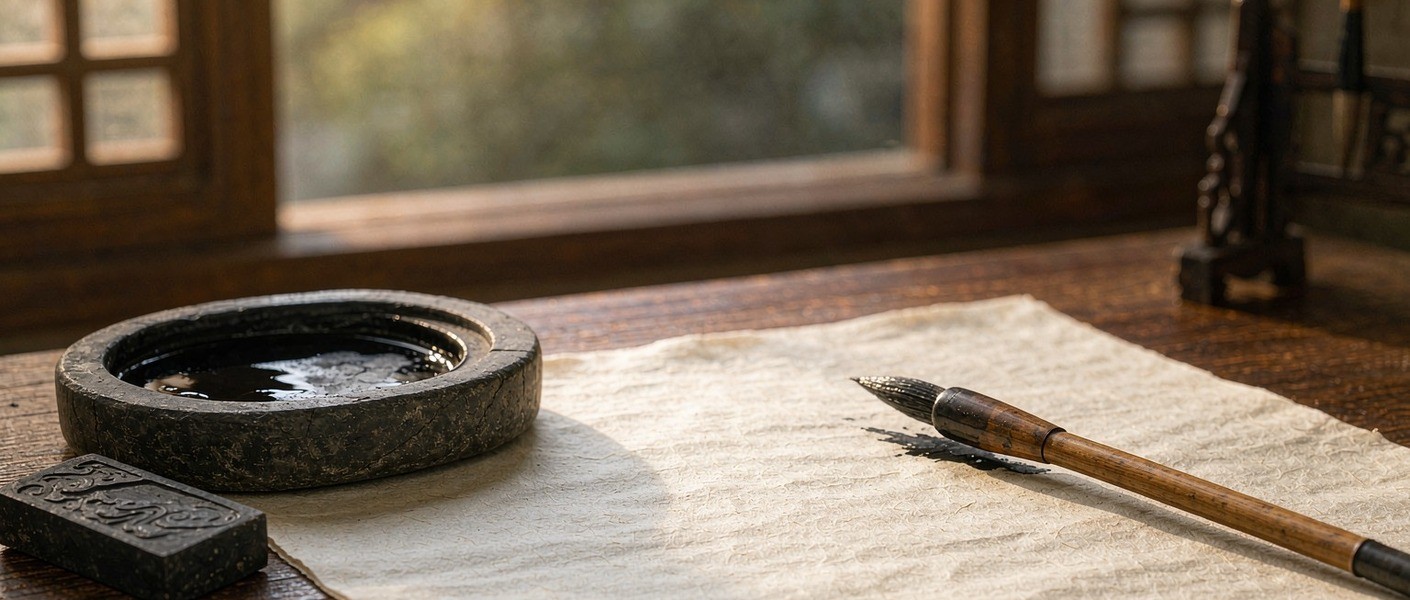
案上摊开的宣纸与一支蘸好墨的毛笔,砚池边留着一点未干的墨光
▍三、问答
问 | 日本书道申遗成功,会影响中国书法的非遗地位吗
答 | 不会。中国书法 2009 年 9 月 30 日已列入人类非物质文化遗产代表作名录,名录登记不因他国同类申报而取消或降级。教科文组织的机制允许多国就性质相同的遗产分别申报,两者可以并存。
问 | 非遗申报是不是先到先得
答 | 不是。名录按公约标准逐项评审,看项目是否满足活态传承、社区参与、保护计划等条件,不设国别配额,也不以时间先后判定归属。同一门手艺的跨境流布,在多国申报中是常见现象。
问 | 韵和鸣做非遗出海,会借这类国际话题吗
答 | 当背景知识用。韵和鸣把全国真正的非遗手工品严选出来送到欧美、日韩、新加坡等市场,海外客人常问一件东西的来历与做法,讲清源流与工序比强调名号有用。品牌与非遗老师联名,署名与工序写在说明里,这套说法在哪个市场都通用。
📩 非遗项目 | 匠人举荐 | 跨境出海 | 线下联营
欢迎留言或后台联系,我们与匠人同行。
—— 韵和鸣 · 与匠人同行
〖 寰 〗
相关搜索 | RELATED SEARCHES
书道 申遗 · 中国书法 人类非遗 · 非物质文化遗产 名录 规则 · 多国 联合申报 · 非遗出海
English
By the agency's account, shodo is writing kanji and kana by hand with brush, ink and inkstone using traditional strokes, including stone seal carving. Two features are emphasised: it uses kanji as well as kana, particular to Japan, and it sits close to daily life, in letters, new-year writing and ceremonies.
The timeline is plain. Shodo became a national intangible cultural property in 2021, was chosen as a candidate in 2023 and submitted in March 2024, missing that round because Japan prioritised its traditional brewing. If it passes, it becomes Japan's twenty-fourth entry.
The Rule: Kindred Heritage May Be Declared by Several Countries
Here is the crux. UNESCO's system respects cultural diversity and allows several countries or regions to nominate heritage of a similar nature, separately or jointly. What the list records is a practice continually recreated by a community; it does not rule on where a technique originated.
The Representative List is established under UNESCO's Convention for the Safeguarding of the Intangible Cultural Heritage and records living cultural practices nominated by states parties, recommended by the evaluation body and adopted by the committee; heritage of a similar nature may be nominated by several states separately or jointly, and the list does not settle questions of origin.
The reference sits alongside. Chinese calligraphy was inscribed on 30 September 2009 at the committee's fourth session, so it is long inside the list, and what Japan nominates is the practice that formed there.
Rice paper spread on a desk with a loaded brush, a wet gleam of ink left at the edge of the inkstone
Would a successful shodo inscription affect Chinese calligraphy's status?
No. Chinese calligraphy entered the list on 30 September 2009, and an entry is not cancelled or downgraded by a kindred nomination elsewhere. The system allows separate nominations of similar heritage, and the two can coexist.
Is heritage inscription first come, first served?
No. Each nomination is assessed against the convention's criteria, including living transmission, community participation and a safeguarding plan; there are no national quotas and no rule awarding ownership by date. Cross-border spread of one craft is common among nominations.
Does YUNHEMING use international topics like this?
As background. YUNHEMING curates genuine handmade heritage work from across China for markets in Europe, the US, Japan, Korea and Singapore, and overseas buyers ask where a piece comes from and how it is made; stating origin and process works better than citing titles. Pieces are co-signed with the makers, and that holds in any market.
A craft becomes visible through two things: someone practising it, and someone explaining it. The list grants standing to the first; the second still has to be earned.
ICH Projects · Artisan Referrals · Global Distribution · Salon Partnerships
你可能还感兴趣
韩国的非遗保护:从"文化财"到活态传承
看世界怎么保护非遗,韩国常被提到,也常被简单化。它有一套自己的名词——"文化财""无形文化财""保有者"。关键在于,这套名词背后不只是一份名单,而是一整套"怎么把手艺交下去"的制度。
韵和鸣 · 2026/10/9 · 58 阅读
一门老手艺,要过几道关才能登上「人类非遗名录」
昨天我们聊了 2003 年那份改变全球老手艺命运的《保护非物质文化遗产公约》。今天接着往下问:公约建立了名录,那一门手艺要经历什么,才能把自己的名字写上去?
韵和鸣 · 2026/10/3 · 54 阅读
穆拉诺与博山:隔着七千公里的两座炉火之城
穆拉诺因作坊迁聚形成玻璃产业,博山则依托当地矿石与供料、匠人传统发展琉璃。文章比较两地产业聚集和原产地表达的路径,说明传承既需要师傅与学徒的密度,也需要把制作地点、来源和标准讲清楚。
韵和鸣 · 2026/10/12 · 53 阅读
"非遗"这个词,各国怎么叫、怎么理解
中文非遗、日本无形文化财及法国工艺大师等称呼,对应不同的认定单位与保护重心。比较这些体系,关键不在逐字互译,而在看名录、个人与社区分别承担什么角色,以及传承如何发生。
韵和鸣 · 2026/10/24 · 50 阅读
轮岛涂与平遥推光漆,两双手的推光
世界漆艺的版图上,日本轮岛与中国平遥是常被并提的两个地名。两座城都把大漆做成了地方的脸面,也都把"推光"当作器物出嫁前的最后一道工序。它们像在哪里,又不像在哪里?关键在于:同是漆器,两地的手,各走了一条路。
韵和鸣 · 2026/10/15 · 42 阅读
一份2003年的公约,如何改变全世界的“老手艺”
"非遗"如今是个热词,但它成为全球共识,其实只有二十来年。起点,是一份 2003 年通过的国际公约。
韵和鸣 · 2026/10/2 · 37 阅读