镜头前的手:一位 00 后非遗主播,和她守的那条线
韵和鸣 · 韵和鸣公众号 · 2026/11/7 12:00:00 · 1 阅读
非遗直播这几年成了常态。镜头架在案板旁边,一只手在画面里推光、劈丝、点蓝,另一只手在评论区回话。观众看得清楚,也买得方便。可一个很实在的问题跟着来了:当手艺的主要发生地被搬进直播间,被拍下来的那部分,还是不是这门手艺的全部。
▍一、开播之前,先得学会让手停住
做这行的年轻人多数不是科班主播出身。她们先在工坊里待过一段,能分辨生漆的成色、能看出绣线的捻度,然后才坐到镜头前。真正难的是第二关:把连续的动作拆成能被看懂的小段。
推光这道工序,师傅做起来是一口气推到底,手腕的力道均匀,中间不停。直播不能这么拍。得推到一半停下来,把漆面转个角度对着光,让观众看见那道浮光退下去的过程,再接着推。停的这一下,是为了让人看懂,不是为了表演。
这条线很难拿捏。停得太少,观众看不出门道,只觉得是一块布在擦木头;停得太多,工序被切成碎片,节奏散了,手上那点连贯的劲也没了。熟练的主播会在开播前把整段工序走一遍,标出哪三处必须停、哪两处不能停。
▍二、三个小时里,真正讲手艺的只有四十分钟
一场直播的结构,外人多半想不到。三个小时里,讲工序大约四十分钟,讲器物怎么用、怎么养大约半小时,剩下的时间是回话、报价、处理售后,以及一遍遍回答同样的问题:这个是不是手工的,会不会掉色,能不能便宜点。
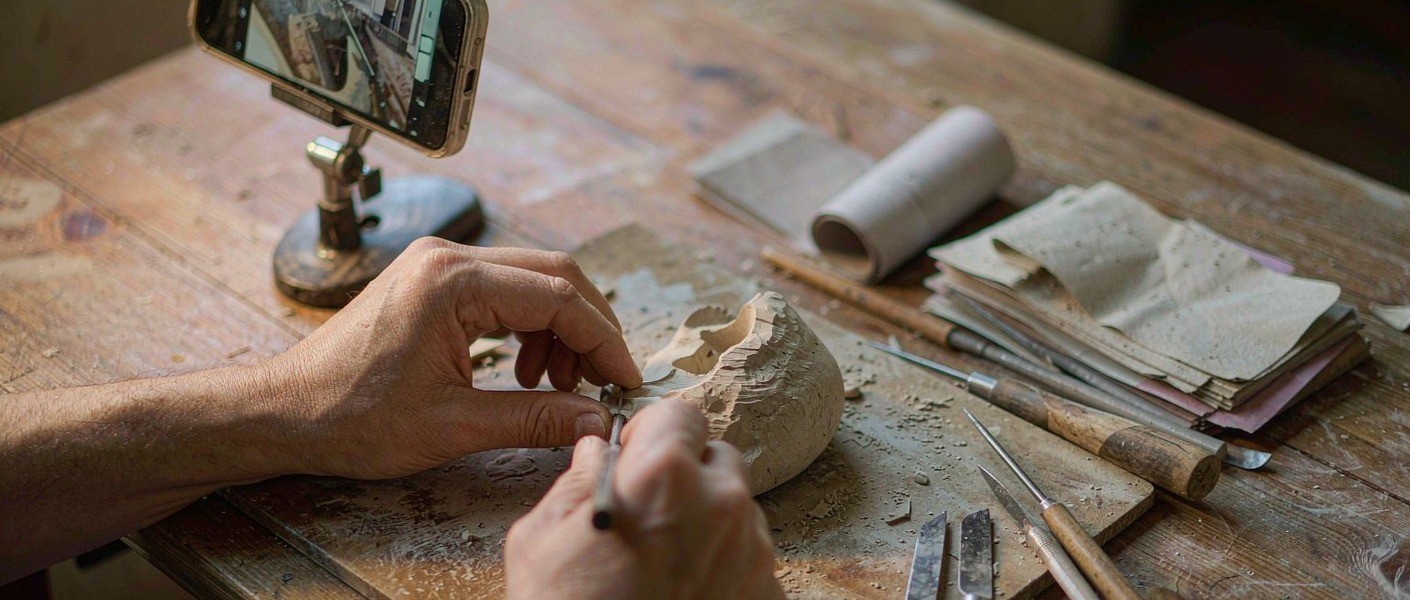
支架上的手机对准案板,画面里只有一双手和半成的器物
最难答的是头一类问题。手工的证据不在嘴上,在细节里:接口的收法、走线的疏密、釉面在侧光下的一点不匀。这些在手机镜头里往往拍不出来。于是主播学会了另一套办法,把器物翻过来,指给镜头看底面,看胎,看没有修饰过的地方。
这也是这份工作最像手艺的一部分。它要求人对器物足够熟,熟到随手一翻就知道该指哪里。不熟的人只能背话术,背得再好,一被追问就露底。
▍三、被拍下来之后,手艺变了什么
变化有两面。好的一面是成本。过去一个山里的工坊要找到买家,得靠展会、靠中间商、靠运气;现在一部手机能把工序直接送到几千人眼前,被看见的成本降到了历史低点。年轻人也因此有了进入这行的新路径,不必先熬十年学徒,可以先做讲述者。
需要警惕的是另一面。镜头的偏好会反过来塑造工序:能出画面的步骤被保留、被放大,出不了画面的步骤被压缩。晾墨、阴干、醒料这些只剩等待的环节,最容易被剪掉,可它们恰恰决定一件器物的成败。
所以行内有个说法,直播能证明手艺存在,证明不了手艺的深度。深度得靠另一套东西:一件器物的使用寿命,一位匠人的工序完整性,以及买家愿不愿意在三年后再来看它一眼。
所谓非遗直播,是指以非物质文化遗产项目及其器物为内容、在平台上进行实时展示与销售的传播形式。它把工序、讲解与交易压缩在同一时间段内,因此对手艺的呈现方式与销售节奏同时提出了要求。
补光灯下的案板边缘,一只半成品的釉面泛着细密的侧光
▍四、问答
问 | 直播间买的非遗手作,怎么判断是不是真手工
答 | 让主播把器物翻过来看底面与接口。手工的痕迹多在看不见的地方:底的收口、内壁的打磨、线与线之间的疏密;这些位置机器做得太整齐,手做得会有细微出入。能主动展示这些部位的,可信度更高。
问 | 非遗直播为什么总在讲工序,不能直接报价吗
答 | 因为价格的说服力来自工序。一件器物贵在哪里,讲清髹涂几遍、劈丝几股、晾了多少天,价格才有落点;不讲工序只报数字,观众只能拿它和流水线产品比价。
问 | 看直播买非遗,容易踩什么坑
答 | 三类。一是把非遗元素当成非遗本体,纹样印在流水线商品上也叫非遗;二是工序被口播夸大,说的和做的不是一回事;三是售后无门,器物出了问题找不到人。下单前问清制作者、工序与售后,比抢优惠更要紧。
问 | 韵和鸣自己做直播吗,怎么讲手艺
答 | 有,线上做多语言直播,配多国语言翻译,内容围绕匠人的手艺、器物的故事与非遗知识,国内与海外观众同时看。团队也帮老师拍产品、拍视频,把工序认真记下来;讲述的底线是每一句都能回到具体的人与做法。
📩 非遗项目 | 匠人举荐 | 跨境出海 | 线下联营
欢迎留言或后台联系,我们与匠人同行。
—— 韵和鸣 · 与匠人同行
〖 匠 〗
English
Before Going Live, Learn to Let the Hand Pause
Most young people in this work did not train as presenters. They spend time in a workshop first, learning to read the tone of raw lacquer or the twist of an embroidery thread, and only then sit down before a camera. The harder second step is breaking a continuous motion into fragments someone can follow.
A master polishes in one unbroken run, wrist steady, no pause. A livestream cannot work that way. The hand stops halfway, turns the surface toward the light so viewers can watch the sheen recede, then continues. The pause exists so the work can be understood, not so it can be performed.
The line is hard to hold. Pause too little and the audience sees a cloth rubbing wood; pause too often and the process fragments, the rhythm scatters, and the continuity in the hand is lost. An experienced streamer walks the whole sequence before going live, marking the three points where a pause is necessary and the two where it is not.
The structure of a session surprises outsiders. Of three hours, roughly forty minutes go to process, half an hour to how a piece is used and cared for, and the rest to replies, prices, after-sales, and the same questions over and over: is it really handmade, will the colour fade, can it be cheaper.
A phone on a stand aimed at the bench, the frame holding only a pair of hands and a half-finished piece
The hardest are the first kind. Evidence of handwork does not live in words but in detail: how a joint closes, how evenly a stitch runs, a slight irregularity in glaze under raking light. A phone camera often cannot hold it. So streamers learn another method: turn the piece over, show the base, the body, the parts left unadorned.
This is also where the job most resembles craft. It demands familiarity deep enough that a casual turn of the wrist finds the right spot. Those who are not familiar can only recite scripts, and no script survives a follow-up question.
The change cuts both ways. The good side is cost. A workshop in the mountains once needed fairs, middlemen and luck to find buyers; now a phone carries the process to thousands of eyes, and the cost of being seen is at a historic low. Young people also gain a new way in: no need to serve ten years as an apprentice first, one can begin as a narrator.
The other side needs watching. A camera's preferences shape the process in turn: steps that photograph well are kept and magnified, steps that do not are compressed. Drying, resting, tempering, the stages that are nothing but waiting, are the first to be cut, and they are exactly what decides whether a piece holds.
Hence a saying in the trade: a livestream can prove a craft exists, not how deep it goes. Depth needs other evidence: how long a piece lasts, whether a maker's process is complete, and whether a buyer is still looking at it three years on.
Heritage livestreaming is real-time presentation and sale of heritage items and objects on a platform. It compresses process, explanation and transaction into one stretch of time, and so places demands on how craft is shown and how fast it sells at the same time.
The edge of a bench under a fill light, a half-finished glazed piece catching fine raking light
How can you judge whether a piece bought in a livestream is truly handmade?
Ask the streamer to turn the piece over. Handwork shows where it is not meant to be seen: how the base closes, how the inside is finished, how evenly the threads sit. Machines are too even there; hands leave small variations. Willingness to show those parts raises credibility.
Why do heritage streams dwell on process instead of just naming a price?
Because process is what justifies price. Explaining how many coats, how many silk strands, how many days of drying gives the number somewhere to land; a figure without process only invites comparison with factory goods.
What are the common pitfalls when buying heritage work from a livestream?
Three. Confusing heritage motifs with heritage itself, so a printed pattern on factory goods passes as craft; process inflated in the narration, where what is said and what is done differ; and no after-sales, with no one to turn to when the piece fails. Before ordering, ask who made it, how, and what service follows.
Does YUNHEMING stream, and how does it talk about craft?
Yes, with multilingual livestreams and translation, covering makers' skills, the stories of objects and heritage knowledge for audiences at home and abroad. The team also films products and videos for the masters, recording process carefully, on one condition: every sentence must trace back to a specific hand and practice.
A lens can carry a craft far, or thin it out. What decides is not the gear but whether the person behind it knows the craft and is willing to film the waiting too. Have you seen a heritage livestream you trusted? What convinced you?
ICH Projects · Artisan Referrals · Global Distribution · Salon Partnerships
你可能还感兴趣
漆器为什么能埋八千年不坏
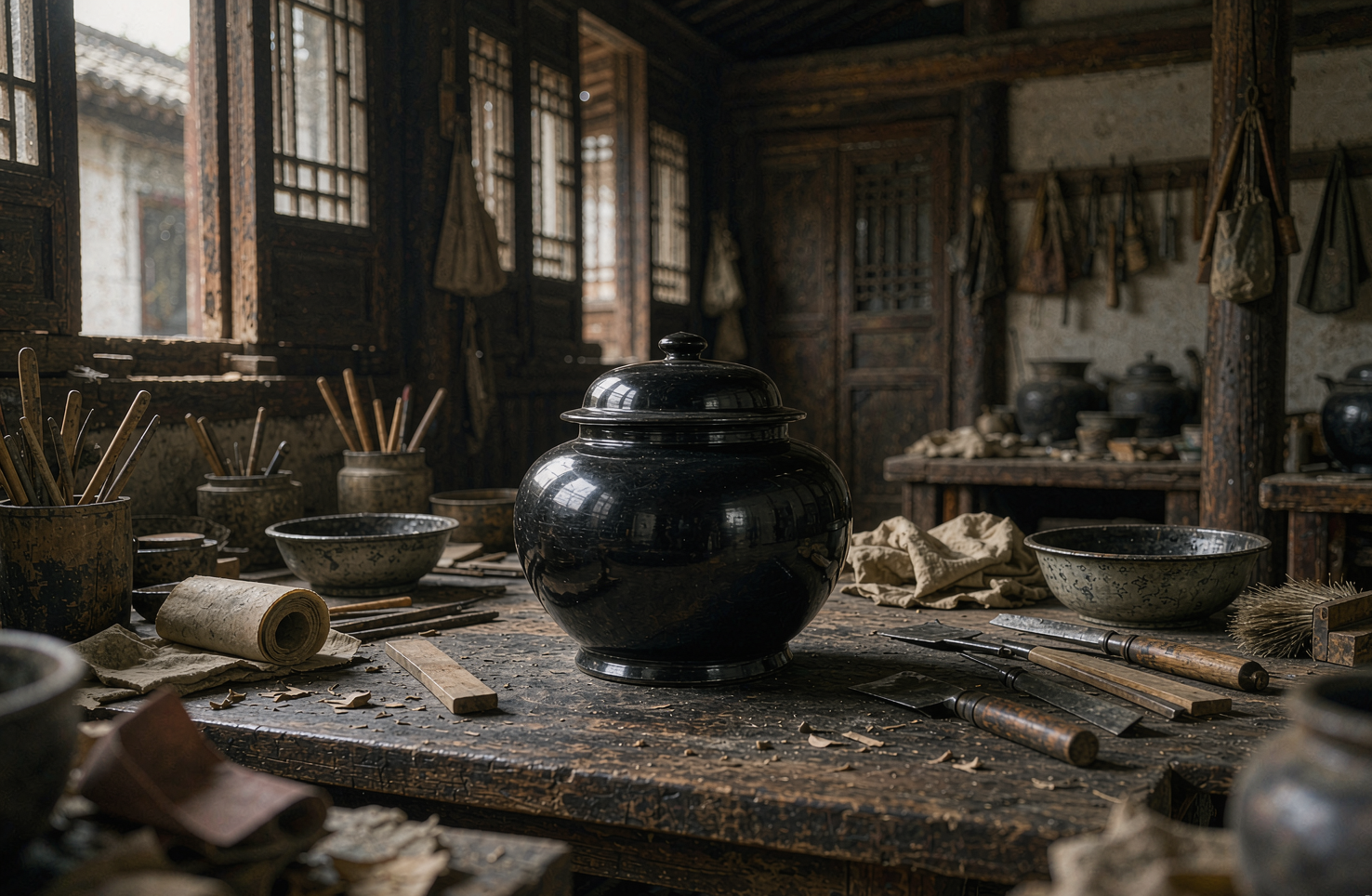
在博物馆做漆器研究与修复的研究员老周,桌上常年摆着两样东西:一段出土的漆皮残片,一只新做不久的平遥推光漆盘。他说这两样东西隔着八千年,却是同一种材料。这次对话,我们从"漆器为什么埋几千年不坏"聊起,聊到最后,其实是手艺对材料的理解问题。
韵和鸣 · 2026/10/14 · 69 阅读
十六岁学艺,他如今想让漆器走进年轻人的家
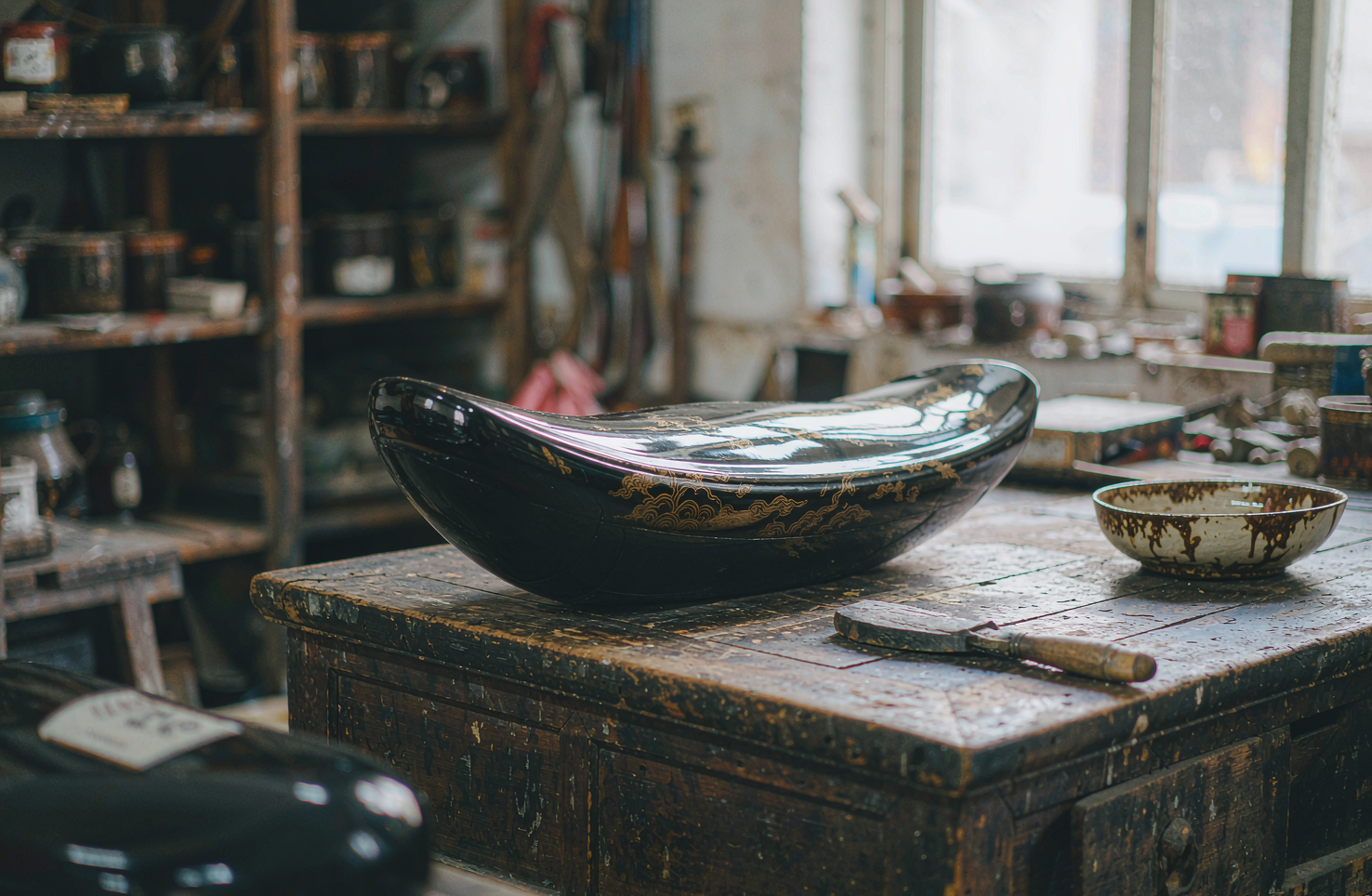
在平遥,学漆艺的人正在换代。老匠人把五十年的功夫交给徒弟,年轻教师把漆带进课堂。一门千年手艺要传下去,卡住的往往不是技法。
韵和鸣 · 2026/10/2 · 52 阅读
推光:一只手与时间的合谋
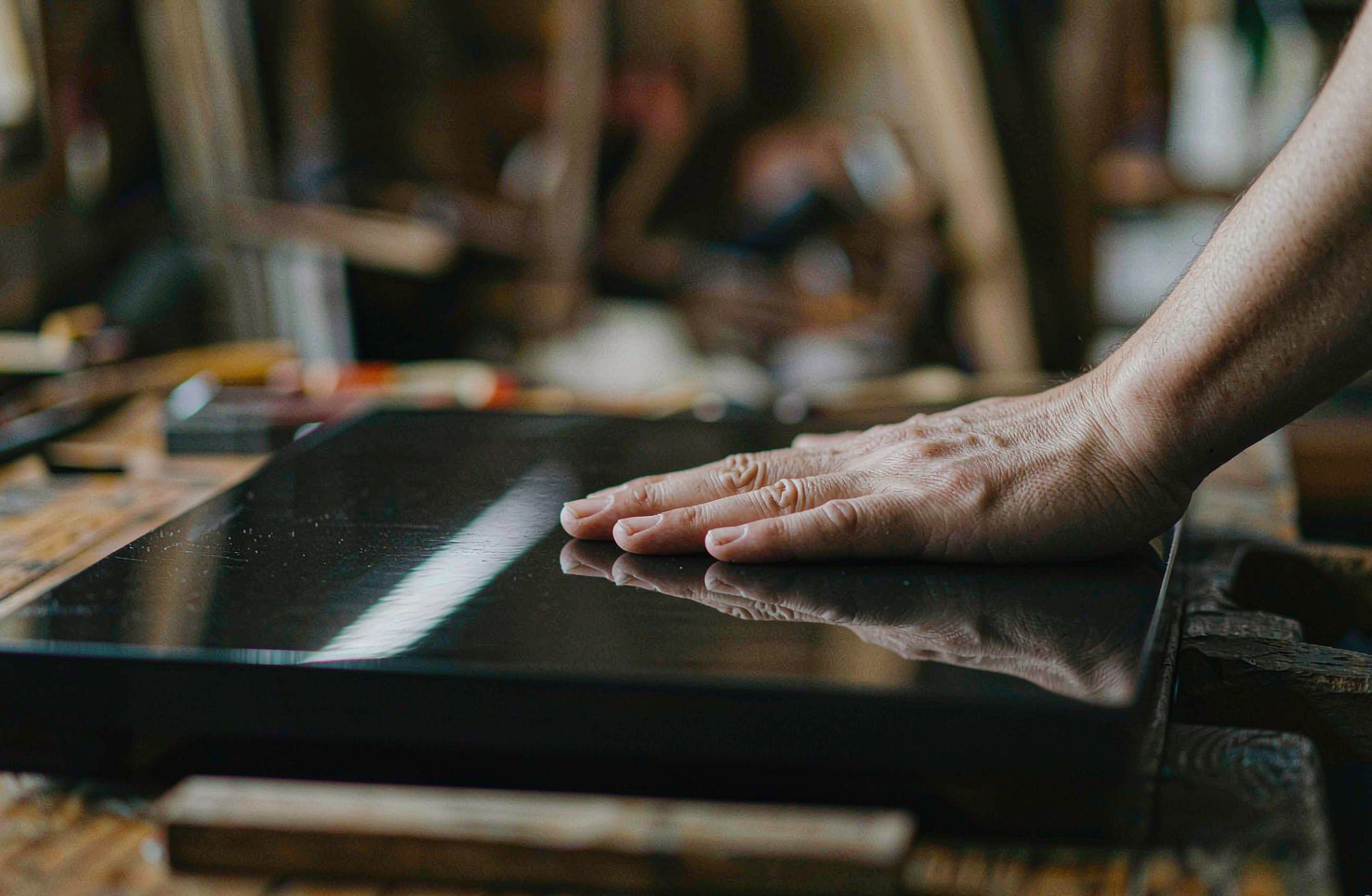
推光以大漆和此前多道髹磨工序为底,最后靠手掌的温度、力度与节奏推出温润光泽。文章同时写到师徒之间反复示范和重做,说明这道功夫既无法催快,也不能只靠口头讲解完成传递。
韵和鸣 · 2026/10/2 · 47 阅读
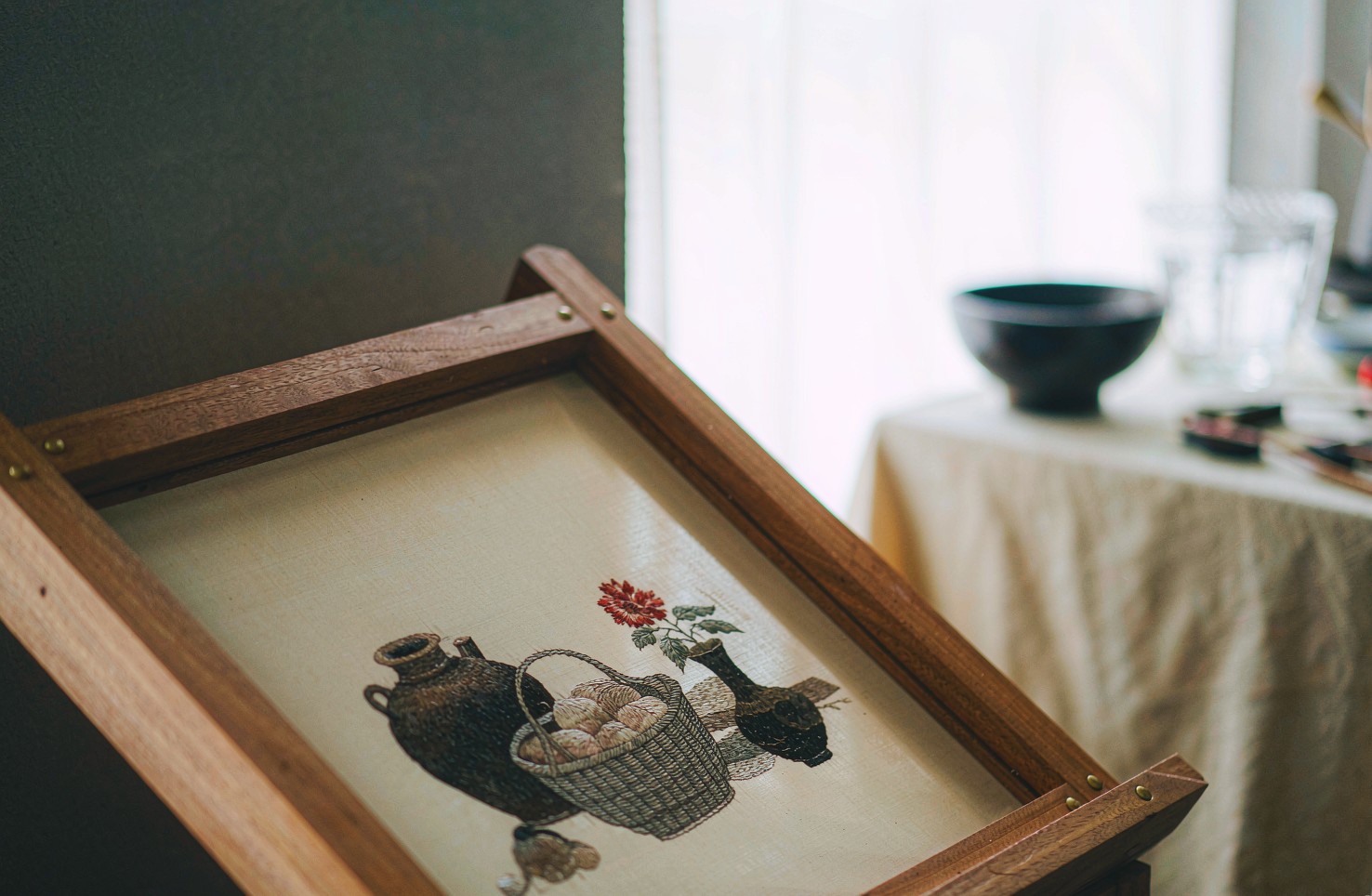
一位苏绣绣娘谈配色:机器调不出的那层灰
苏州的绣坊里,一个上午常常只做一件事:配灰。不是调颜料,是把几股不同颜色的丝线并在一起,看它们在光下合不合。绣娘说,机器能把颜色调得很准,可准不等于对——苏绣要的那层灰,是跟着光线走的。
韵和鸣 · 2026/10/20 · 45 阅读
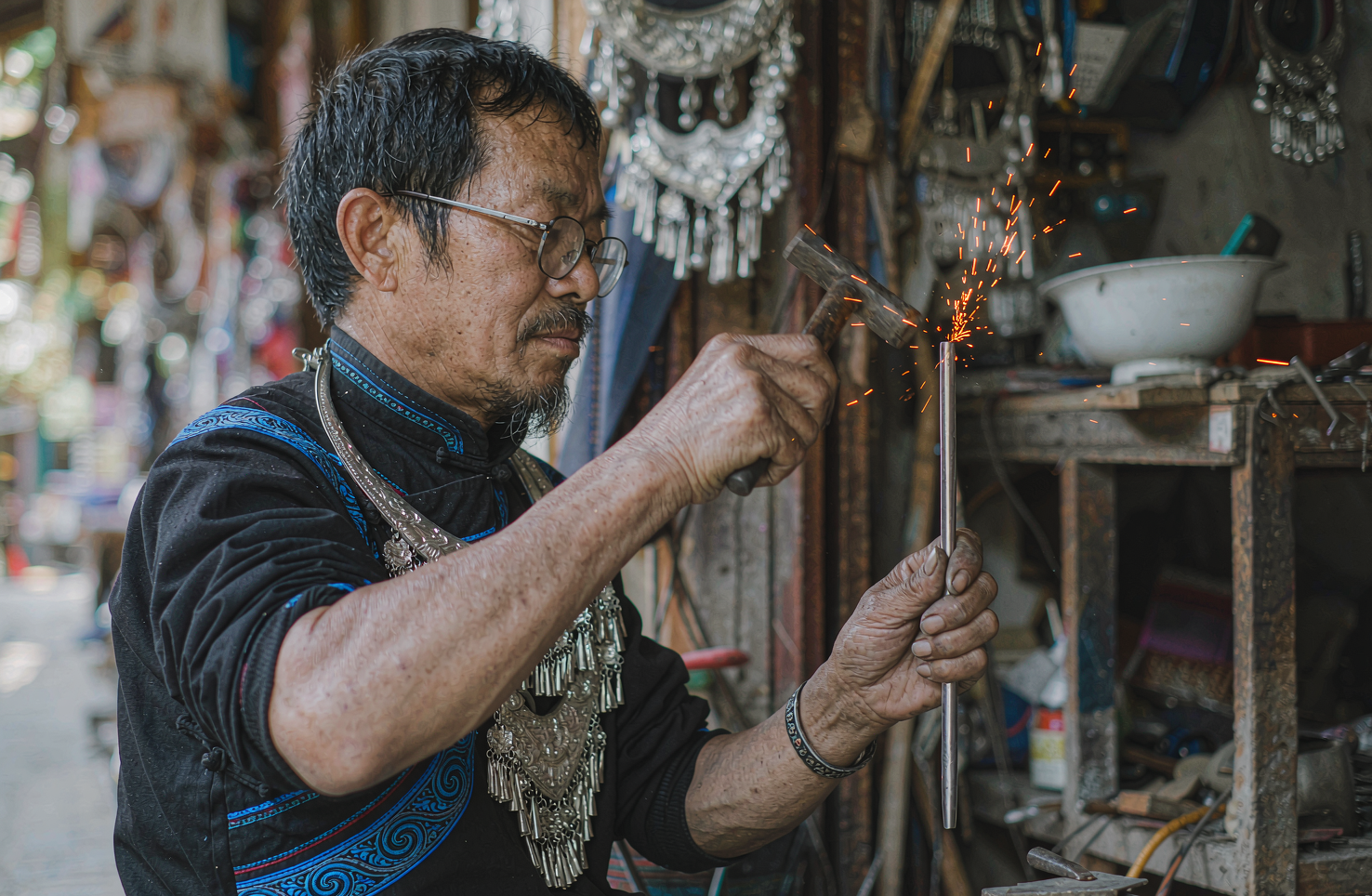
去贵州雷山,看一块银元如何变成一支银簪
在黔东南的苗寨里,银不只是一种首饰材料。它曾经是可以随时熔掉、重新打制的"存款",也是节日里一个女人身上最亮的那部分。关键在于,当一块老银元被放进坩埚,它要经过多少双手、多少道火,才重新成为一件能戴出门的东西。
韵和鸣 · 2026/10/9 · 62 阅读
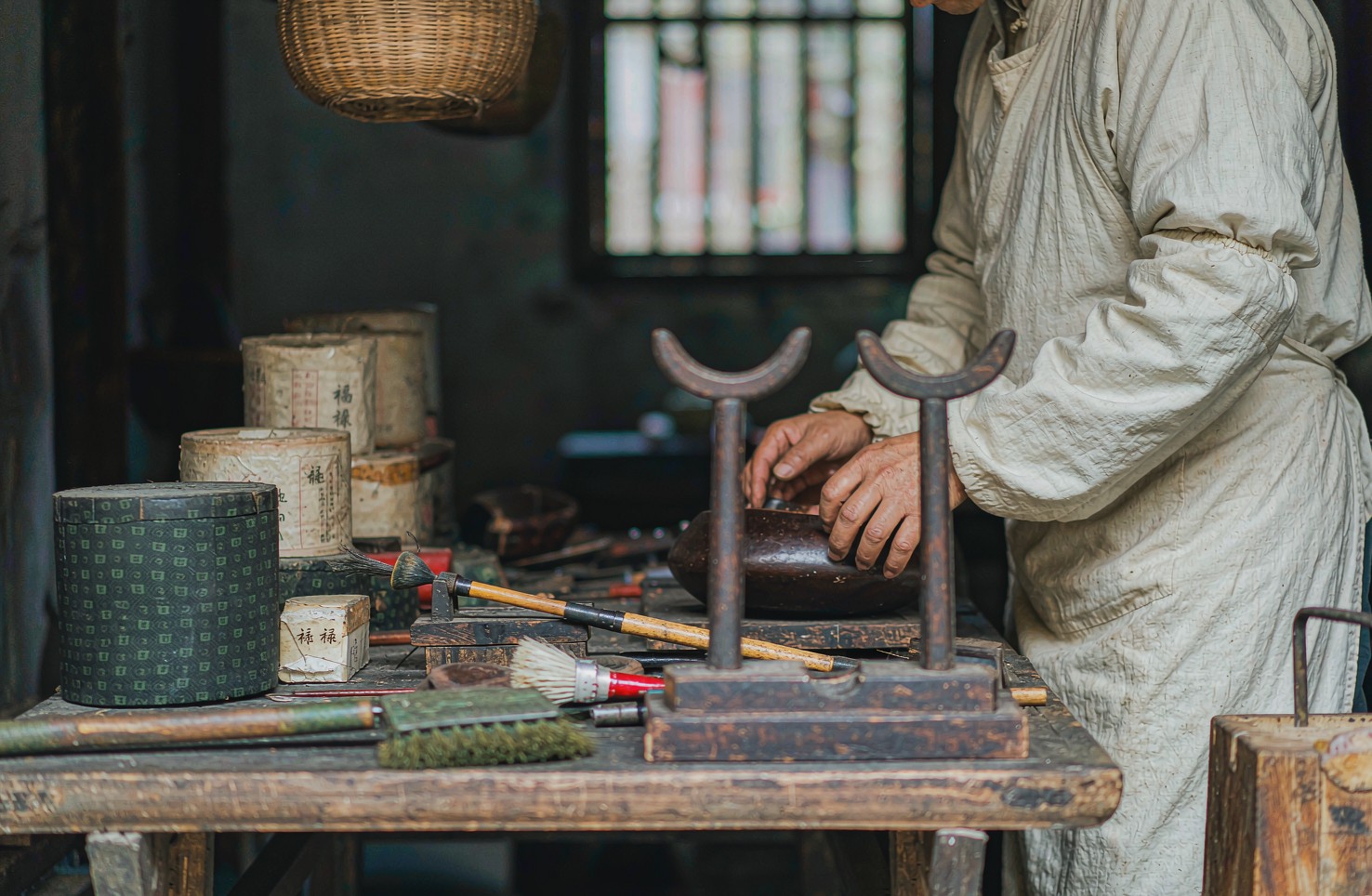
AI 生成的"非遗纹样",算不算抄袭
喂一批图给模型,几秒钟就能出一张"苗绣风"的纹样。有人觉得这是把传统纹样重新用起来,有人认为这是把别人一辈子的手艺免费拿走了。问题不好回答,说到底,真正难定的不是"像不像",而是数据从哪来、收益到哪去。今天我们不做判断,只把两边的理由摆出来。
韵和鸣 · 2026/10/24 · 60 阅读