各国怎么给"手艺人"发名片:三种不同的认定办法
韵和鸣 · 韵和鸣公众号 · 2026/10/30 12:00:00 · 4 阅读
给手艺人一个称号,看起来是荣誉,实际是一套制度。称号背后要回答三个问题:给谁、给什么、给了之后要做什么。日本、韩国、法国的做法各不相同,但落到最后一件事情上却是一致的:认定不是封号,而是一种把技艺交到下一棒手里的契约。所谓"活态人类财富"(Living Human Treasure),按联合国教科文组织的定义,是指那些高度掌握某项非物质文化遗产所需知识与技能、能够表演或再创造特定项目的人;各国可自
▍一、头一张名片:日本,认定的是"人"
据中国非物质文化遗产网《国外保护非物质文化遗产的现状》一文,日本在 1950 年颁布的《文化财保护法》中最早提出无形文化财的概念,并从 1955 年起在全国不定期选拔认定"人间国宝",每年发给特别扶助金用以磨练技艺、培养传人。同文提到,"人间国宝"这一称呼源自媒体,官方制度中的正式表述是重要无形文化财保持者。
另据贵州省非物质文化遗产保护中心 2026 年 4 月刊文,截至 2025 年在世的"人间国宝"约 114 人,保持者每年可获得约 200 万日元补助,并负有公开技艺、培养后继者的义务。荣誉与义务,在这里是同一份文件上的两行。
▍二、第二张名片:韩国,把传承做成一套体系
韩国于 1962 年制定《文化财保护法》,建立了金字塔式的传承人制度——最顶层被授予"保有者"称号。据中国非物质文化遗产网上述文章,国家给予保有者用于公演、展示、研究与扩展技艺的全部经费,并提供生活补助与医疗保障。
与日本相比,韩国的特点在"教":被认定的保有者要在指定场所开展传授教育。好处是传承有场地、有课程、有经费;风险在于技艺可能被"课程化",脱离它原本的生活语境。
▍三、第三张名片:法国,称号与承诺绑在一起
据中国大百科全书数据库相关资料,法国文化部向重要非物质文化持有者授予"艺术大师"称号;要获得该称号,除了"身怀绝技"之外,还必须承诺将技艺传承给后继者。联合国教科文组织相关文件中,法国的对应称谓为 Master of Art。
把承诺写进授予条件,是很经济的一种设计:称号不用另设考核,因为传承本身就是考核。
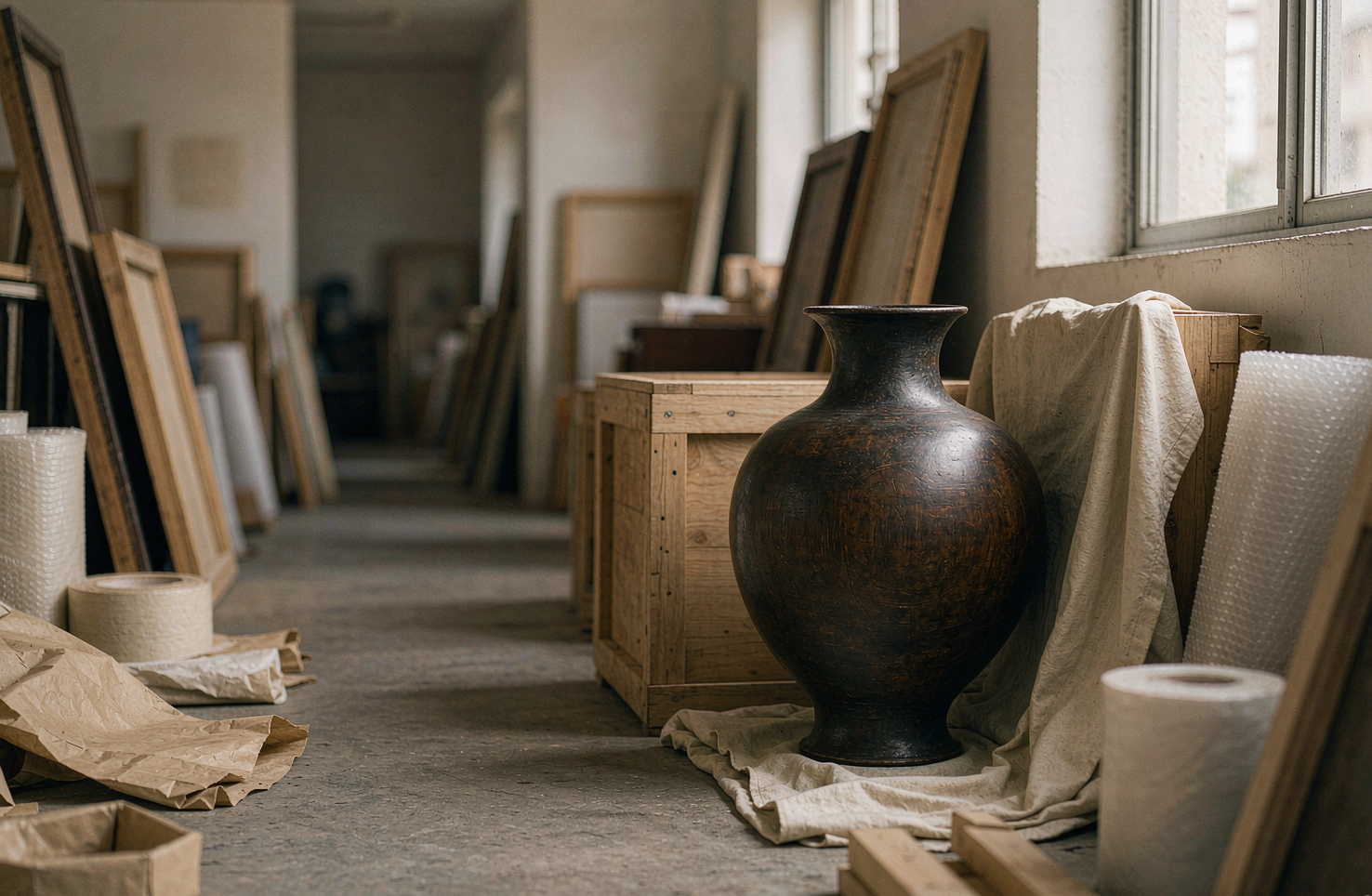
展柜内一只带把手的陶壶与几件金属小器物并排陈列,射灯从上方打下一束光
▍四、三种办法的共同点
联合国教科文组织 1989 年提出"活态人类财富"概念并在世界范围推广;2003 年《保护非物质文化遗产公约》第二条将"保护"界定为确保非物质文化遗产生命力的措施,包括确认、立档、研究、保存、保护、宣传、弘扬、传承与振兴。
名称可以不同,制度可以不同,但三种做法都把同一件事写进了条文:被认定的人,要把技艺传下去。钱解决的是手艺人的生计,义务解决的是这门手艺的下一棒——二者缺一,称号就只剩一个名头。
▍问答
问 | 日本的"人间国宝"是官方正式称号吗
答 | 不是。据中国非物质文化遗产网相关资料,"人间国宝"是媒体的称呼,官方制度中的正式表述是"重要无形文化财保持者"。日本 1950 年《文化财保护法》设立无形文化财制度,1955 年起开始选拔认定,被认定者每年可获得特别扶助金,并负有公开技艺、培养后继者的义务。
问 | 各国的非遗传承人认定制度有什么共同点
答 | 共同点在义务,而不只在荣誉。日本的重要无形文化财保持者须公开技艺、培养后继者;韩国的保有者要在指定场所开展传授教育;法国的"艺术大师"称号要求获得者承诺将技艺传给后人。联合国教科文组织 1989 年提出"活态人类财富"概念并在世界范围推广,为各国提供了共同框架。
问 | 海外客人看不懂中文,中国手艺怎么讲给他们听
答 | 先讲做法,再讲好看。把这门技艺的步骤、出自谁的手、材料讲究在哪,一并译成对方的语言:多语言直播、多国语言翻译、给老师拍工序视频。语言只是表层,真正要译过去的是语境——让人先理解这件器物为什么长这样,再谈喜不喜欢。
▍说在最后
称号是给别人看的,义务是留给自己的。看一门手艺在一个国家被怎样对待,先看它的制度写了多少义务。
📩 非遗项目 | 匠人举荐 | 跨境出海 | 线下联营
欢迎留言或后台联系,我们与匠人同行。
—— 韵和鸣 · 与匠人同行
〖 寰 〗
相关搜索 | RELATED SEARCHES
人间国宝 正式名称 是什么 · 日本 文化财保护法 无形文化财 · 韩国 保有者 制度 · 法国 艺术大师 称号 Maître d'art · 活态人类财富 UNESCO
English
The First Card: Japan Recognises the Person
According to "The State of Intangible Cultural Heritage Protection Abroad" on the China Intangible Cultural Heritage website, Japan first introduced the concept of intangible cultural property in its 1950 Law for the Protection of Cultural Properties, and from 1955 began selecting and recognising "living national treasures" at irregular intervals nationwide, granting a special annual stipend to refine skills and train successors. The same article notes that the term "living national treasure" comes from the media, while the official term in the system is holder of an important intangible cultural property.
According to an article published by the Guizhou Provincial Intangible Cultural Heritage Protection Centre in April 2026, as of 2025 the Agency for Cultural Affairs had recognised about 114 living "national treasures," with holders receiving a special annual grant of roughly two million yen and bearing the duty to disclose their skills and train successors. Honour and duty here are two lines on the same document.
The Second Card: Korea Turns Transmission Into a System
Korea enacted its Cultural Properties Protection Act in 1962 and built a pyramid-shaped system of bearers, with the top level granted the title of "holder." According to the China Intangible Cultural Heritage article cited above, the state covers holders' costs for performances, exhibitions, research and the extension of their skills, and provides living allowances and medical cover.
Compared with Japan, Korea's distinguishing feature is teaching: recognised holders carry out instruction at designated venues, passing the skill on systematically. The advantage is that transmission has a place, a curriculum and funding; the risk is that the skill may become curricularised, detached from the life it came from.
The Third Card: France Binds the Title to a Promise
According to material in the China Encyclopedia database, the French Ministry of Culture confers the title of Maître d'art on holders of important intangible cultural heritage; to receive it, a person must not only possess exceptional skill but also commit to transmitting that skill to successors. UNESCO documents render the French title as Master of Art.
Writing the commitment into the conditions of award is an economical design: no separate assessment is needed, because transmission is itself the assessment.
Inside a display case a handled earthenware pot sits beside several small metal objects, a single beam falling from above
UNESCO introduced the concept of living human treasures in 1989 and promoted it worldwide; article two of the 2003 Convention for the Safeguarding of the Intangible Cultural Heritage defines safeguarding as measures to ensure the viability of the heritage, including identification, documentation, research, preservation, protection, promotion, enhancement and transmission.
The names may differ and the systems may differ, but all three write the same thing into their texts: those recognised must pass the skill on. Money addresses the maker's livelihood; duty addresses the next runner in the relay. Without either, the title is nothing but a name.
Is Japan's "living national treasure" an official title?
No. According to material on the China Intangible Cultural Heritage website, "living national treasure" is a media coinage, while the official term in the system is holder of an important intangible cultural property. Japan's 1950 Law for the Protection of Cultural Properties established the intangible cultural property system, selection began in 1955, and those recognised receive an annual special stipend along with the duty to disclose their skills and train successors.
What do national recognition systems for heritage bearers have in common?
The common ground lies in duty rather than honour alone. Holders of important intangible cultural property in Japan must disclose their skills and train successors; Korean holders carry out instruction at designated venues; France's Maître d'art title requires recipients to commit to passing the skill on. UNESCO introduced the concept of living human treasures in 1989 and promoted it worldwide, providing a shared framework.
Overseas customers do not read Chinese; how can Chinese craft be explained to them?
Explain how it is made before saying how it looks. Carry across the steps, whose hands made it and what the material demands, all rendered in the other side's language: multilingual livestreams, translation into several languages, process videos filmed for the masters. Language is only the surface; what must truly be carried over is context, so that people understand why an object looks as it does before deciding whether they like it.
A title is for others to see; a duty is what one keeps. To see how a country treats a craft, look first at how much duty its system writes down.
ICH Projects · Artisan Referrals · Global Distribution · Salon Partnerships
你可能还感兴趣
韩国的非遗保护:从"文化财"到活态传承
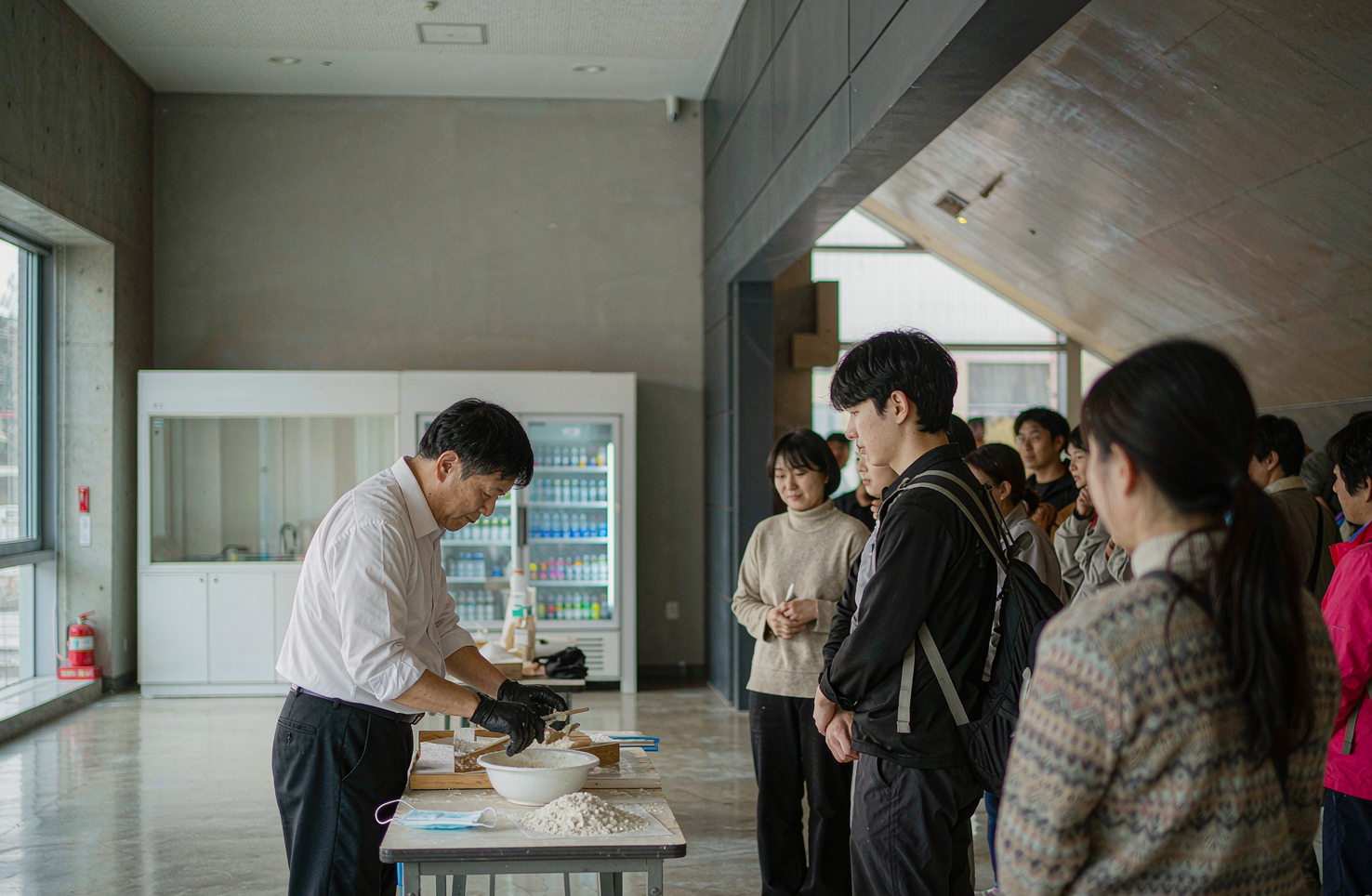
看世界怎么保护非遗,韩国常被提到,也常被简单化。它有一套自己的名词——"文化财""无形文化财""保有者"。关键在于,这套名词背后不只是一份名单,而是一整套"怎么把手艺交下去"的制度。
韵和鸣 · 2026/10/9 · 54 阅读

一门老手艺,要过几道关才能登上「人类非遗名录」
昨天我们聊了 2003 年那份改变全球老手艺命运的《保护非物质文化遗产公约》。今天接着往下问:公约建立了名录,那一门手艺要经历什么,才能把自己的名字写上去?
韵和鸣 · 2026/10/3 · 50 阅读

穆拉诺与博山:隔着七千公里的两座炉火之城
穆拉诺因作坊迁聚形成玻璃产业,博山则依托当地矿石与供料、匠人传统发展琉璃。文章比较两地产业聚集和原产地表达的路径,说明传承既需要师傅与学徒的密度,也需要把制作地点、来源和标准讲清楚。
韵和鸣 · 2026/10/12 · 49 阅读
"非遗"这个词,各国怎么叫、怎么理解
中文非遗、日本无形文化财及法国工艺大师等称呼,对应不同的认定单位与保护重心。比较这些体系,关键不在逐字互译,而在看名录、个人与社区分别承担什么角色,以及传承如何发生。
韵和鸣 · 2026/10/24 · 48 阅读
轮岛涂与平遥推光漆,两双手的推光
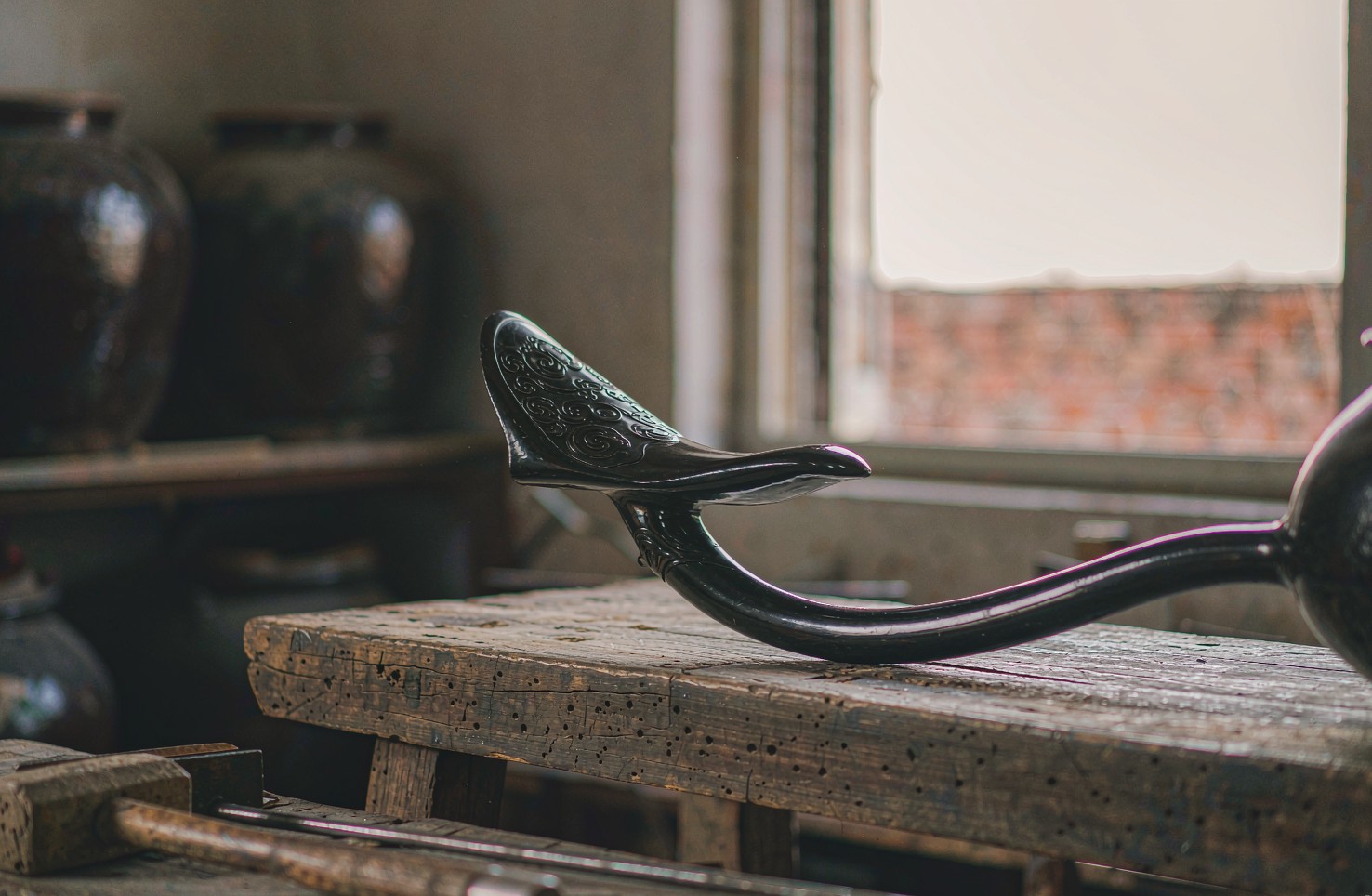
世界漆艺的版图上,日本轮岛与中国平遥是常被并提的两个地名。两座城都把大漆做成了地方的脸面,也都把"推光"当作器物出嫁前的最后一道工序。它们像在哪里,又不像在哪里?关键在于:同是漆器,两地的手,各走了一条路。
韵和鸣 · 2026/10/15 · 40 阅读
一份2003年的公约,如何改变全世界的“老手艺”
"非遗"如今是个热词,但它成为全球共识,其实只有二十来年。起点,是一份 2003 年通过的国际公约。
韵和鸣 · 2026/10/2 · 34 阅读