"工匠精神"这个说法,各国的版本一样吗
韵和鸣 · 韵和鸣公众号 · 2026/10/27 12:00:00 · 4 阅读
"工匠精神"被说得很热,可各国的制度并不一样。有的认一门技艺,有的认一个人,有的认限时做完的那件作品。本质在于:制度保护的对象不同,一个保技艺,一个保作品,一个保人群。
▍一、日本:认的是技艺的活载体
所谓人间国宝,是中文语境对日本重要无形文化財保持者的俗称。依据《文化財保護法》,国家对重要的无形文化财进行认定;个人掌握该技艺并达到高水平者,可以被个别认定。
重点在"还活着":技艺写进档案不算完成,还得能在某个具体的人手上被做出来。
▍二、法国:认的是限时做完的那件作品
法国走的是另一条路。Meilleur Ouvrier de France(缩写 MOF,意为"法国优秀的工艺师")始于 1924 年,每三到四年举办一届,覆盖两百多个工种。参赛者在限定时间内完成作品,评审看的不仅是成品,还有方法、组织与速度。
工作台边缘码放着锉刀、木锤与几件未完成的金属小件
据美国夏威夷州参议院 2026 年 SB2198 号法案对 MOF 的记述:该称号始于 1924 年,参评者对着"接近完美"的标准比,而不是彼此相比;称号终身授予,获得者被视为这门手艺的守护者,负有把知识传下去的责任。
▍三、中国:名录加考核,开始有了进出
中国的做法更接近一套名录体系。据 2026 年 10 月 20 日国新办新闻发布会介绍(据央广网报道),"十五五"时期将完善非遗代表性项目名录的动态调整机制,健全代表性传承人名录并完善评估与退出机制。
名录可检索、好核查,给资金、传习场所与研修培训提供了落点;加上考核,头衔从一次性荣誉转向持续责任。
▍四、三个不同的问题
放在一起就清楚了:日本问的是"这门技艺还在人身上吗",法国问的是"这件作品能不能做到接近完美",中国问的是"这些项目和这些人能不能被系统性地扶起来"。
制度没有优劣,只有适配。对想买到真东西的人,共同提示只有一条:不管头衔叫什么,最后都回到能不能被查证。
▍问答
问 | 日本的"人间国宝"是终身制吗
答 | 中文常把重要无形文化財保持者称作"人间国宝",强调的是那个人身上仍保有这门技艺。是否终身,请以日本文部科学省与文化厅的官方说明为准。
问 | 法国的 MOF 和中国的非遗传承人,是不是一回事
答 | 不是。MOF 始于 1924 年,是按工种、以限时作品评定的竞赛称号;中国的非遗代表性传承人属名录体系,近年加入了评估与退出机制。一个看重一次考试的作品,一个看重名录内的持续传承,可比性有限。
问 | 做非遗出海,怎么向海外解释中国的传承人制度
答 | 坚持原口径:这是名录加考核的制度,项目、级别与申报地都能公开查询,每件器物出自谁的手也说得清。韵和鸣的线上多语言直播做的正是这件事。
▍说在最后
名字不一样,想解决的问题是一样的:一门手艺被需要的时候,还能找到会做的人。就像山西平遥的推光漆器髹饰技艺,2006 年列入国家级非物质文化遗产名录(据中国非物质文化遗产网),靠的也是一代代人还在做。
这三种制度里,你最认同哪一种?留言说说理由。
📩 非遗项目 | 匠人举荐 | 跨境出海 | 线下联营
欢迎留言或后台联系,我们与匠人同行。
—— 韵和鸣 · 与匠人同行
〖 寰 〗
相关搜索 | RELATED SEARCHES
工匠精神 各国 制度 · 日本 人间国宝 认定 · 法国 MOF 手工艺 称号 · 非遗 代表性传承人 名录 · 手工艺 认证 制度 对比
English
The Chinese term Living National Treasure is the popular name for Japan's holder of an important intangible cultural property. Under the Law for the Protection of Cultural Properties, the state designates important intangible properties, and individuals mastering them to a high level may be individually certified.
The emphasis falls on being alive: archiving a skill does not secure it; it must still be performable by a particular pair of hands.
France takes another road. The Meilleur Ouvrier de France — MOF for short, meaning an outstanding French craftsperson — began in 1924 and runs every three or four years across more than two hundred trades. Competitors complete a piece within a set time, and judges assess method, organisation and speed as much as the object itself.
Files, wooden mallets and several unfinished metal pieces lined along the edge of a workbench
According to Hawaii Senate Bill 2198 of 2026, describing the Meilleur Ouvrier de France: the title dates from 1924, competitors are judged against a standard of perfection rather than against one another, the title is granted for life, and holders are regarded as custodians of their trade, charged with preserving and passing on its knowledge.
China: A Register with a Way In and a Way Out
China leans towards a register. According to a State Council Information Office briefing on 20 October 2026, reported by China National Radio, the coming five years bring dynamic adjustment to the representative project list, fuller registers of bearers, and better evaluation and exit mechanisms.
A register can be searched and checked, giving funding, training spaces and study programmes somewhere to land; assessment turns a title from a one-off honour into continuing duty.
Seen together it is plain: Japan asks whether the skill still lives in a person; France asks whether a piece can approach perfection; China asks whether projects and people can be systematically supported.
Systems are not better or worse, only more or less suited. They converge on one reminder: whatever the title is called, it comes back to whether it can be checked.
Is Japan's Living National Treasure a lifetime appointment?
Chinese readers usually mean the holder of an important intangible cultural property, emphasising that this person still carries the skill. Whether it lasts for life: consult Japan's education ministry or Agency for Cultural Affairs.
Are France's MOF and China's heritage bearers the same thing?
No. MOF began in 1924 as a competitive title awarded by trade for a piece made against the clock; China's representative bearers belong to a register that has gained evaluation and exit mechanisms. One weighs an examined work, the other ongoing transmission, so they are only partly comparable.
Taking heritage abroad, how do you explain China's bearer system overseas?
Keep the original terms: a register with assessment, where project, level and locality are publicly searchable and each piece traces to a named maker. YUNHEMING's multilingual livestreams exist for exactly this.
The names differ, the problem is the same: when a skill is needed, someone can still be found who can do it. Pingyao polished lacquerware in Shanxi, listed at national level in 2006 per the China Intangible Cultural Heritage website, rests on the same thing — generation after generation still doing the work.
ICH Projects · Artisan Referrals · Global Distribution · Salon Partnerships
你可能还感兴趣
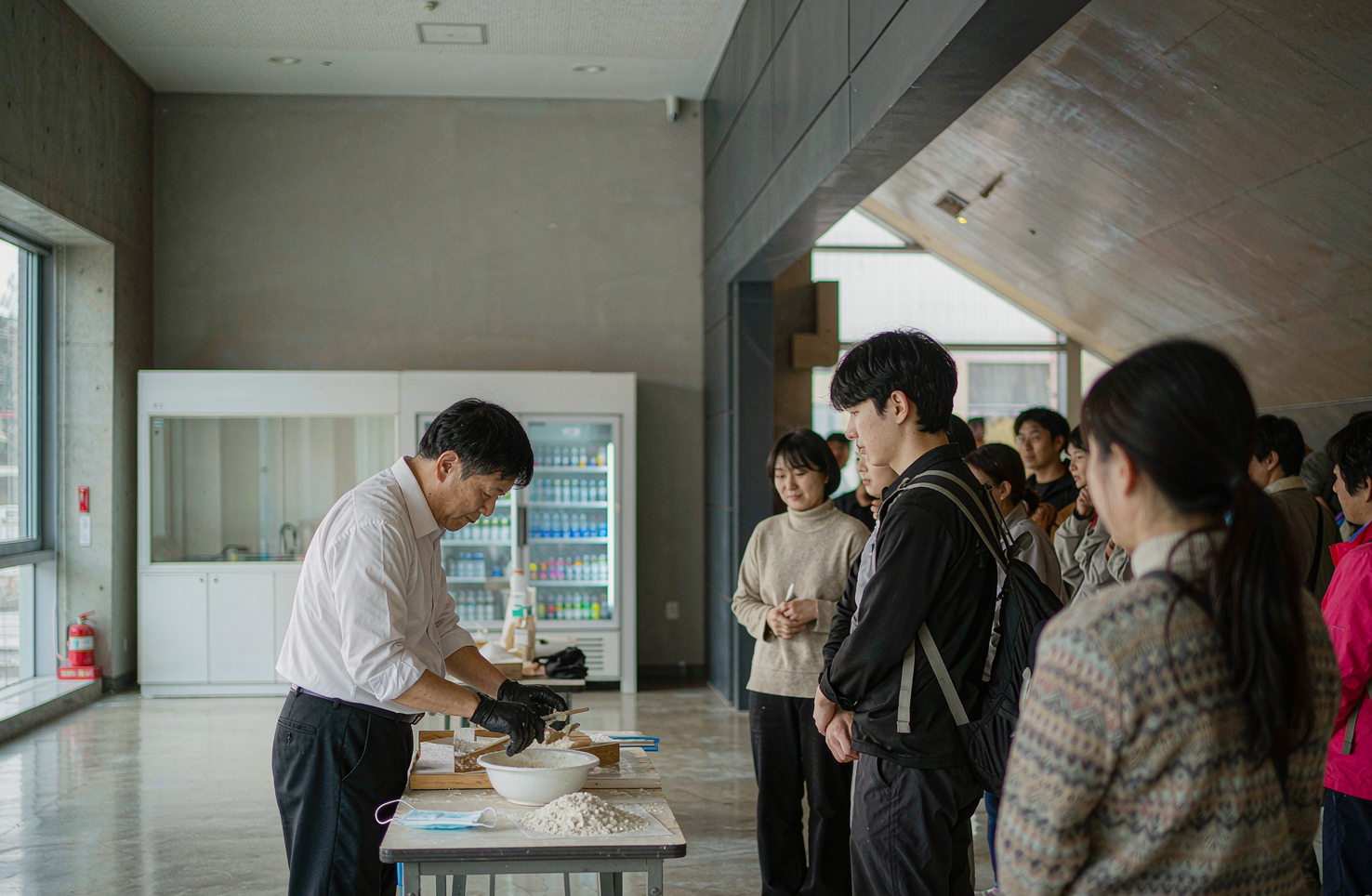
韩国的非遗保护:从"文化财"到活态传承
看世界怎么保护非遗,韩国常被提到,也常被简单化。它有一套自己的名词——"文化财""无形文化财""保有者"。关键在于,这套名词背后不只是一份名单,而是一整套"怎么把手艺交下去"的制度。
韵和鸣 · 2026/10/9 · 54 阅读

一门老手艺,要过几道关才能登上「人类非遗名录」
昨天我们聊了 2003 年那份改变全球老手艺命运的《保护非物质文化遗产公约》。今天接着往下问:公约建立了名录,那一门手艺要经历什么,才能把自己的名字写上去?
韵和鸣 · 2026/10/3 · 50 阅读

穆拉诺与博山:隔着七千公里的两座炉火之城
穆拉诺因作坊迁聚形成玻璃产业,博山则依托当地矿石与供料、匠人传统发展琉璃。文章比较两地产业聚集和原产地表达的路径,说明传承既需要师傅与学徒的密度,也需要把制作地点、来源和标准讲清楚。
韵和鸣 · 2026/10/12 · 49 阅读
"非遗"这个词,各国怎么叫、怎么理解
中文非遗、日本无形文化财及法国工艺大师等称呼,对应不同的认定单位与保护重心。比较这些体系,关键不在逐字互译,而在看名录、个人与社区分别承担什么角色,以及传承如何发生。
韵和鸣 · 2026/10/24 · 48 阅读
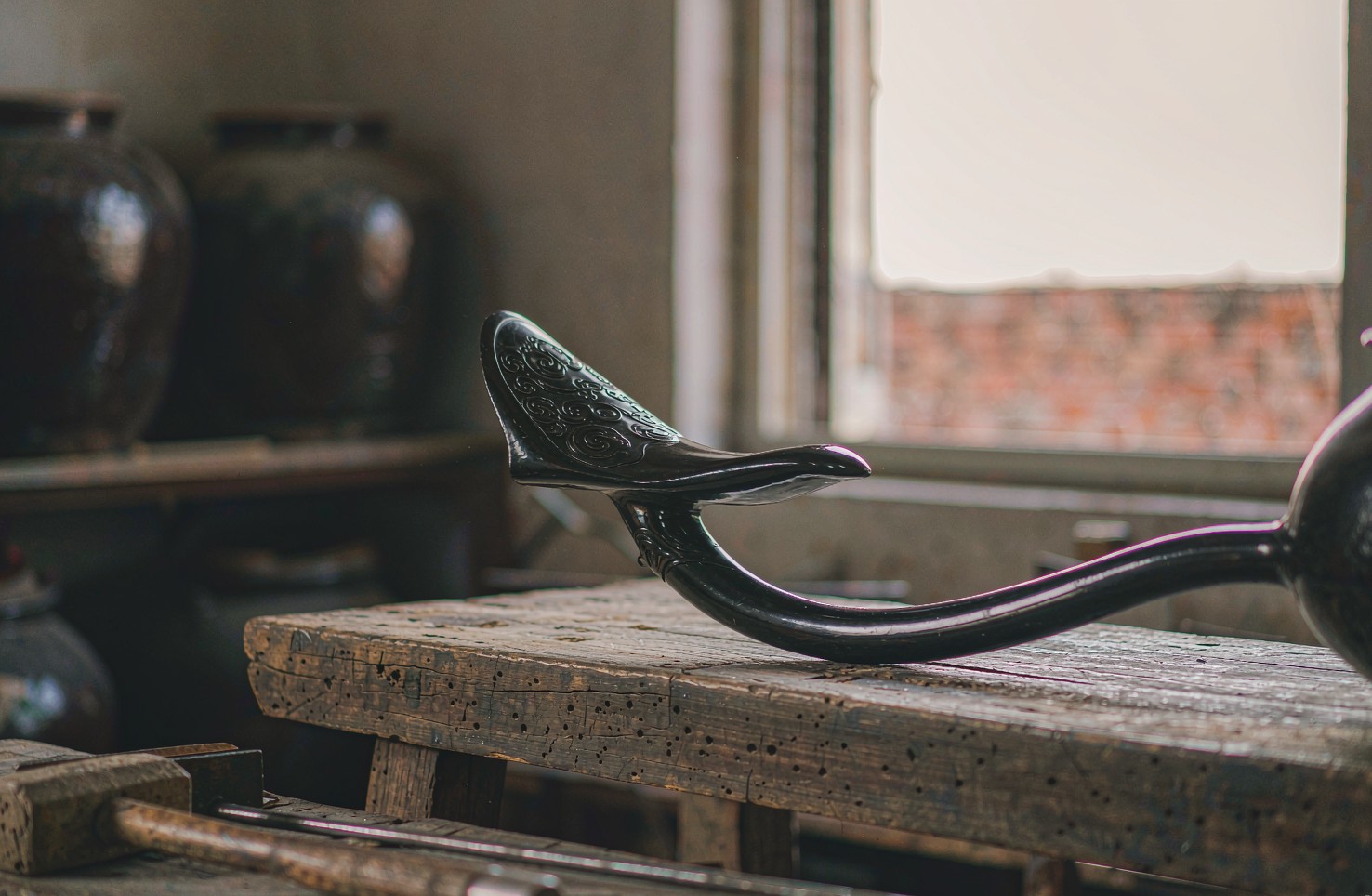
轮岛涂与平遥推光漆,两双手的推光
世界漆艺的版图上,日本轮岛与中国平遥是常被并提的两个地名。两座城都把大漆做成了地方的脸面,也都把"推光"当作器物出嫁前的最后一道工序。它们像在哪里,又不像在哪里?关键在于:同是漆器,两地的手,各走了一条路。
韵和鸣 · 2026/10/15 · 40 阅读
一份2003年的公约,如何改变全世界的“老手艺”
"非遗"如今是个热词,但它成为全球共识,其实只有二十来年。起点,是一份 2003 年通过的国际公约。
韵和鸣 · 2026/10/2 · 34 阅读