剪纸的阴刻与阳刻:一套刀法,两副面孔
韵和鸣 · 韵和鸣公众号 · 2026/10/25 12:00:00 · 3 阅读
同样是一张红纸、一把刻刀,有的剪纸看着是线条勾出来的,有的看着是块面拼出来的。差别不在题材,在刀法:留线的是阳刻,留面的是阴刻。这两个词,是读懂剪纸的头一道门。
▍一、阳刻:把线留下来
阳刻,通俗讲是"留线去面"——刻掉的是空白,留下的是线条,画面靠线来立骨架。
这种做法要求线线相连。断一根,整张就散了。所以阳刻的作品往往线条匀细、转折干净,远看像一幅白描。它的好处是通透、有呼吸;难处是容错率低,一处失手整张作废。
▍二、阴刻:把面留下来
阴刻反过来,"留面去线"——刻掉的是线,留下的是块面,形象靠面来造型,线是"空"出来的。
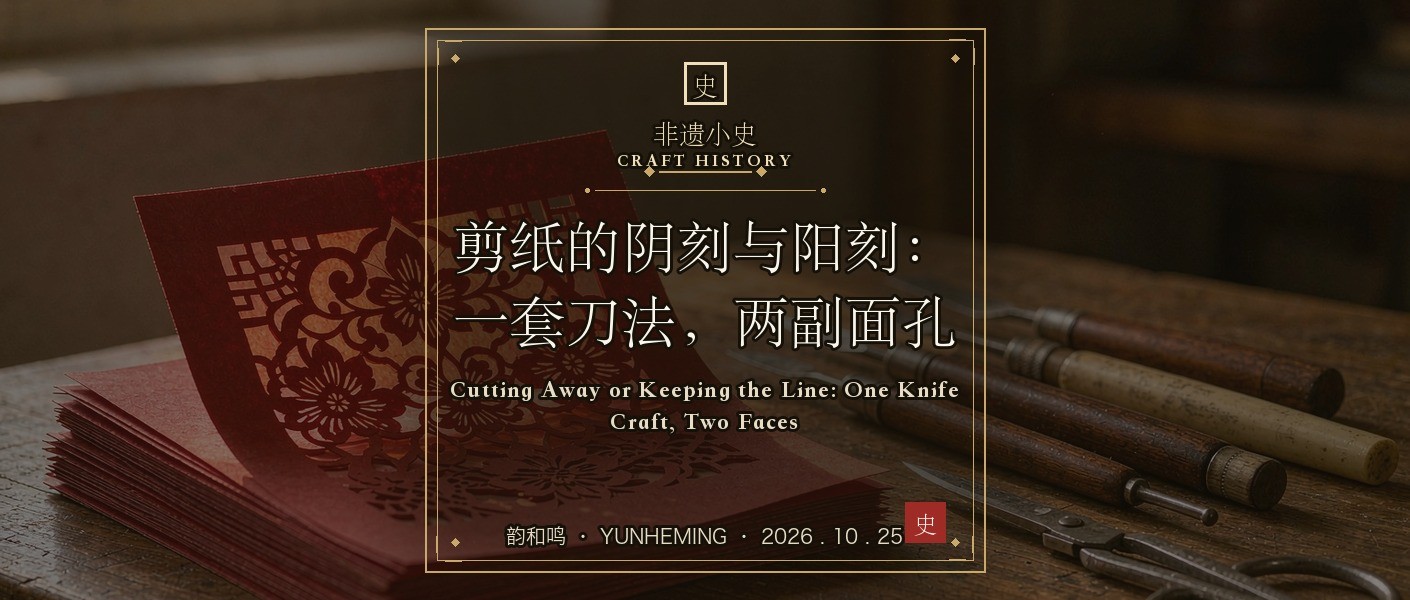
一沓红纸与几把刻刀摊在案上,纸样上的镂空处透出底光
块面为主的作品更厚重、对比更强,也更适合上色。据公开资料,山西广灵染色剪纸是国内少有的以阴刻为主的点彩剪纸之一,先以刀刻出块面,再点染颜色,色彩浓艳、刀法纤细。
▍三、同一个编号,很多副面孔
剪纸在中国分布极广,名录里也是一大家子。据中国非物质文化遗产网,2006 年列入国家级非物质文化遗产名录的剪纸项目,包括河北蔚县的蔚县剪纸、山西中阳的中阳剪纸、江苏扬州的扬州剪纸、浙江乐清的乐清细纹刻纸、陕西安塞的安塞剪纸等;2008 年,山西广灵的广灵染色剪纸作为扩展项目列入。2009 年,中国剪纸被列入联合国教科文组织人类非物质文化遗产代表作名录。
蔚县剪纸以阴刻为主、点彩染色著称,先刻后染,一纸多色;中阳剪纸则与当地民俗信仰、岁时节令、人生礼仪紧密相连,多以红纸剪成,也有紫、黑、黄、绿、蓝等彩色作品。
▍四、记住一句话就够了
看一张剪纸,先看它是靠线站住,还是靠面站住。靠线的看匀细与连接,靠面的看块面对比与上色。刀法不同,审美也不同,没有谁高谁低。
▍问答
问 | 剪纸的阴刻和阳刻怎么区分
答 | 看留下的是什么。刻掉空白、留下线条的叫阳刻,画面通透、线线相连,像白描;刻掉线条、留下块面的叫阴刻,画面厚重、对比强,适合点染上色。很多作品是两者混用,主体用面、细节用线。
问 | 剪纸为什么多是红色的
答 | 红色在中国民俗里与节庆、驱邪、喜庆相连,剪纸最常出现在春节窗花、婚嫁喜事的场景里,红色是功能的需要,不只是审美偏好。据公开资料,中阳剪纸多以红纸剪成,体现喜庆热烈的民俗气氛,也按风俗使用紫、黑、黄、绿、蓝等彩色纸。
问 | 韵和鸣的器物覆盖哪些品类?想挑一件从哪入手
答 | 覆盖漆、竹、绣、银、锦、瓷多个非遗品类,做的是全国范围的非遗手工品矩阵。入手看三条:一看用途,日用选趁手的器物,装点选有来路的品类;二看养护条件,先弄清这类东西怕什么,剪纸怕光怕潮,织绣怕晒怕勾;三看来源,选能讲清出自哪位匠人之手的真作。
▍说在最后
一把刀、一张纸,留下什么与去掉什么,决定了它的样子。手艺里的取舍,大抵都是这样。
你家乡的剪纸是留线的还是留面的?评论区说说你见过的一种。
📩 非遗项目 | 匠人举荐 | 跨境出海 | 线下联营
欢迎留言或后台联系,我们与匠人同行。
—— 韵和鸣 · 与匠人同行
〖 史 〗
相关搜索 | RELATED SEARCHES
剪纸 阴刻 阳刻 区别 · 蔚县剪纸 特点 · 广灵染色剪纸 是什么 · 中国剪纸 哪年 列入 非遗 · 中阳剪纸 山西 · 剪纸 怎么保存 不褪色
English
Positive cutting, plainly put, keeps the line and removes the ground: what is cut away is the empty space, what remains is line, and the image stands on that skeleton.
This approach requires every line to connect. Break one and the whole sheet falls apart, so positive work tends to have even fine lines and clean turns, reading from a distance like an ink outline. Its strength is openness and breath; its difficulty is a low tolerance for error, since one slip spoils the sheet.
Negative cutting reverses this, keeping the block and removing the line: what is cut is the line, what remains is area, the image is modelled in mass, and the line is the void left behind.
A stack of red paper and several gravers on the bench, light passing through the cut-outs of a sample
Work built on mass feels heavier and contrasts more strongly, and suits colour better. According to public sources, Guangling dyed paper-cutting from Shanxi is one of the few Chinese traditions centred on negative cutting with applied colour: the masses are cut first and colour is dotted in afterwards, with strong hues and a fine blade.
Paper-cutting is spread widely across China and forms a large family in the lists. According to the China Intangible Cultural Heritage Network, the items inscribed on the national list in 2006 include Yuxian paper-cutting from Hebei, Zhongyang paper-cutting from Shanxi, Yangzhou paper-cutting from Jiangsu, Yueqing fine-line cutting from Zhejiang and Ansai paper-cutting from Shaanxi; in 2008 Guangling dyed paper-cutting from Shanxi was added as an extension. In 2009 Chinese paper-cutting was inscribed on UNESCO's representative list.
Yuxian paper-cutting is known for negative cutting with dotted colour, cut first and coloured after, several hues on one sheet; Zhongyang paper-cutting is tied closely to local belief, seasonal custom and rites of passage, mostly cut from red paper though coloured pieces in purple, black, yellow, green and blue also exist.
Looking at a paper-cut, first see whether it stands on line or on mass. In line work, examine evenness and connection; in mass work, look at contrast and colour. Different methods carry different aesthetics, and neither ranks above the other.
How do you tell positive and negative paper-cutting apart?
Look at what remains. Cutting the empty space away and leaving lines is positive cutting: open, with every line connected, like an outline drawing. Cutting the lines away and leaving masses is negative cutting: heavier, higher in contrast, suited to applied colour. Many works mix the two, using mass for the main form and line for detail.
Why is paper-cutting mostly red?
Red is tied in Chinese folk custom to festivals, warding off harm and celebration, and paper-cuts most often appear as window flowers at the new year or at weddings, so the colour answers a function rather than only taste. According to public sources, Zhongyang paper-cutting is mostly cut from red paper to express a festive mood, though purple, black, yellow, green and blue are also used by custom.
Which categories does YUNHEMING cover, and where should one start?
It covers lacquer, bamboo, embroidery, silver, brocade and porcelain, forming a nationwide matrix of handmade heritage works. Three things to weigh: purpose, since daily use wants a serviceable object while display wants an item with a story; care, since each material has its fears, paper-cuts dreading light and damp and embroidery sun and snagging; and provenance, choosing pieces whose maker can be named.
One knife, one sheet; what is kept and what is removed decides how it looks. Most choices in a craft work this way.
ICH Projects · Artisan Referrals · Global Distribution · Salon Partnerships
你可能还感兴趣
苗族银饰锻制技艺:三十多道工序,做一身能走路的银
苗族银饰锻制技艺以三十多道工序,将银料制成头饰、颈饰、胸饰等整套盛装。本文梳理其产区、流变、錾刻与焊接特点,并说明为何用料分量不能替代工艺判断及其传承难题。
韵和鸣 · 2026/10/24 · 90 阅读
一件漆器该有多重,手感不会说谎
严选器物,看纹样、看款识、看证书,都是明面上的事。但有一道标准写不进任何参数表——上手。同一尺寸的两只漆盘,一只压手温润,一只轻飘干瘪,差别从何而来?这次把"分量"这件事拆开讲。说到底,重量是工序的记账本。
韵和鸣 · 2026/10/14 · 52 阅读
漆器能不能装热水?苏绣会不会勾丝?四个常被问到的问题
后台每周都会收到一批重复的问题,大多集中在"买回去怎么用":漆器能不能装热水、能不能进洗碗机,苏绣小饰品日常会不会勾丝,绣品怎么装框才不伤绣面。今天一次答清,另外说说怎么分辨一个品牌是不是"挂名非遗"。说到底,能不能用得久,才是检验的起点。
韵和鸣 · 2026/10/24 · 50 阅读
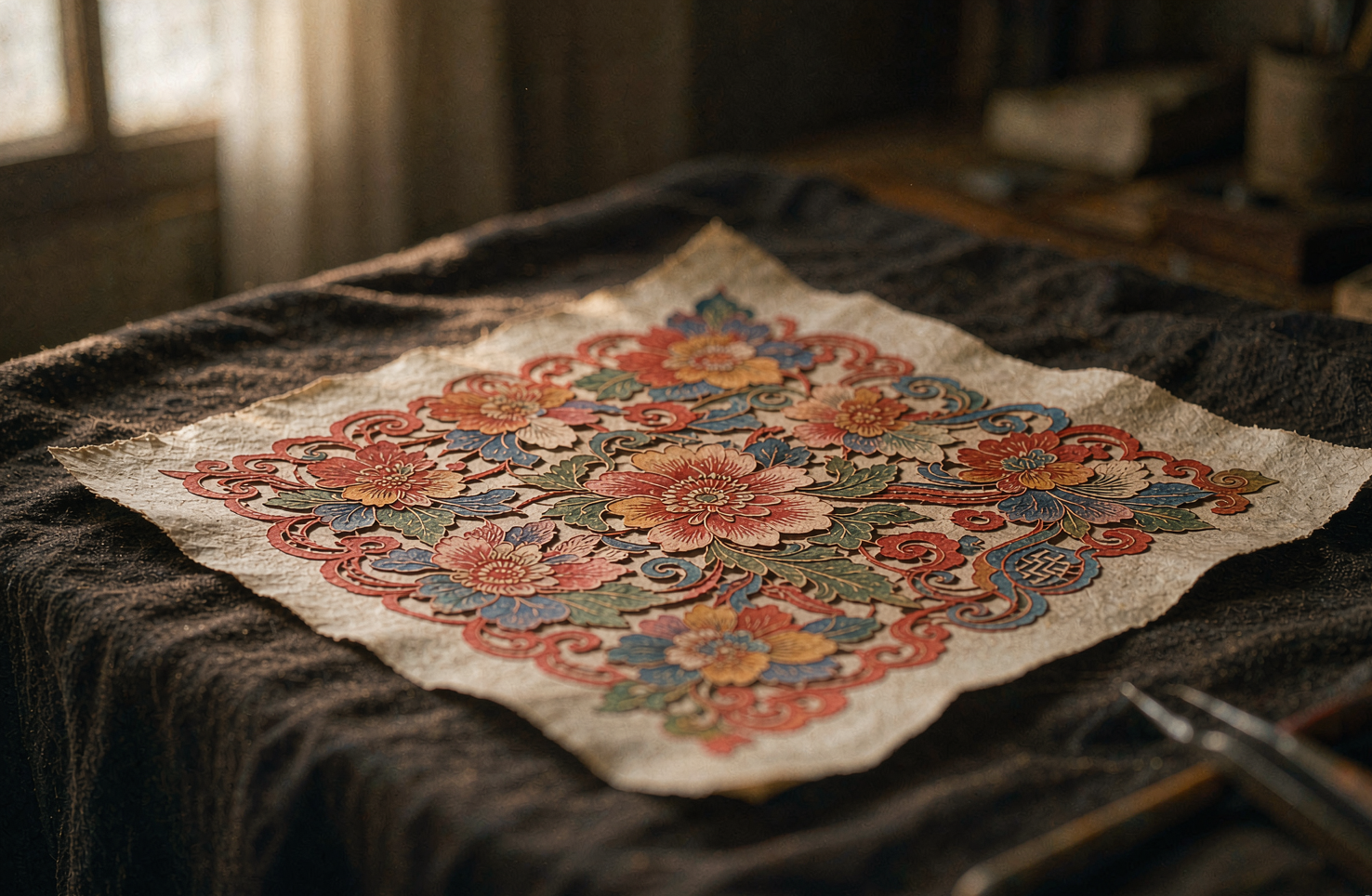
一张蔚县剪纸,彩色的刻刀活
严选录这一期看一张不太一样的剪纸:它不用剪刀,用刻刀;不止红色,还带着点染出来的粉与绿。河北张家口蔚县的剪纸,是剪纸大家族里"反着来"的一支——别处以剪为主、以红为正,蔚县以刻代剪、以点彩上色。说到底,这两个"反着来"的本质,是蔚县人把剪纸从窗前的女红,做成了作坊里的分工手艺:看懂了这一点,才算看懂了这张纸。
韵和鸣 · 2026/10/13 · 48 阅读
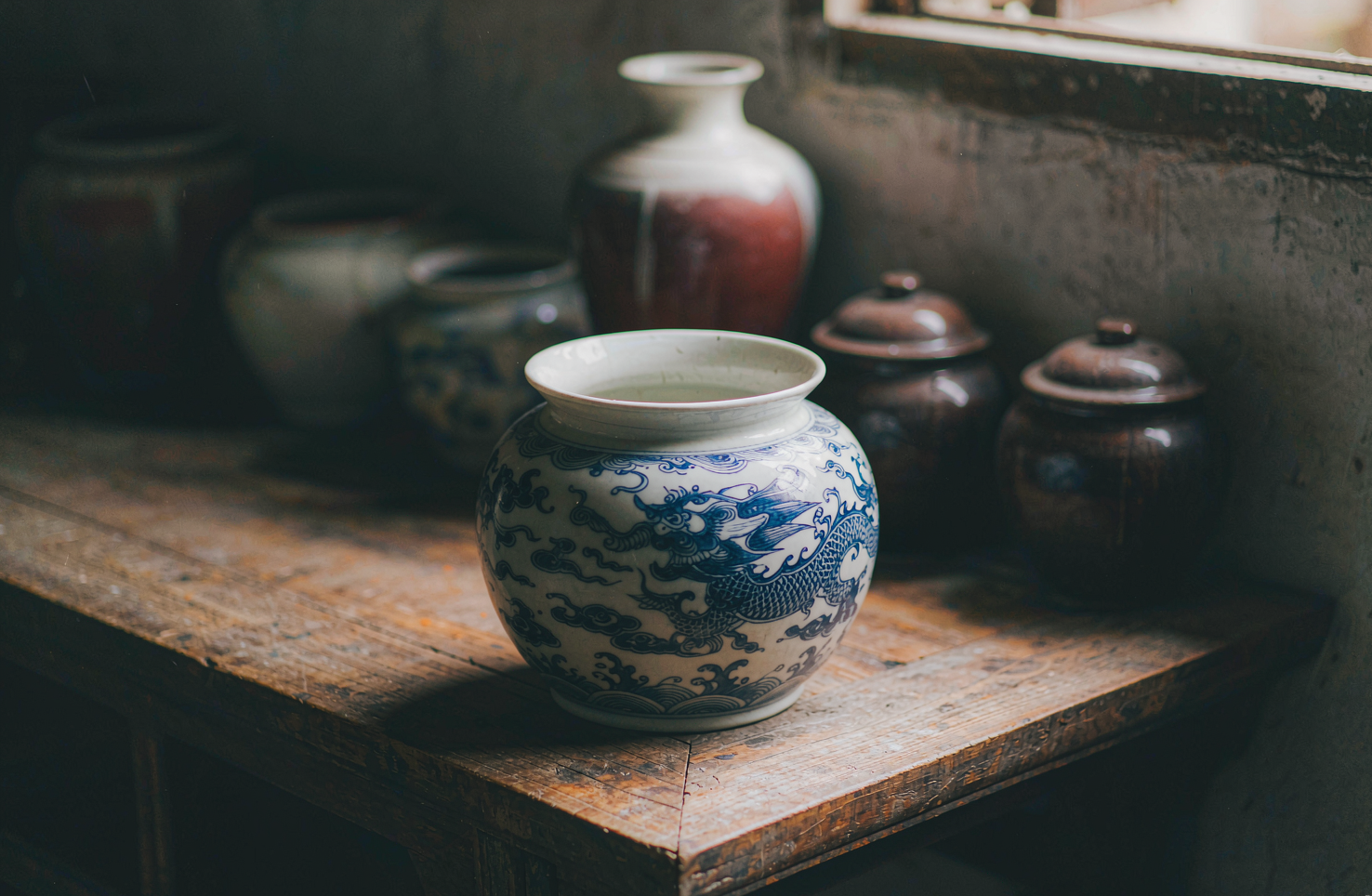
一盏博山琉璃:颜色是炉火给的,不是颜料调的
博山琉璃的颜色由矿石、着色配方和炉温共同形成,鸡油黄等色料并非烧成后涂在表面。文章介绍挑料、吹制、塑型、灯工和内画,说明流纹、气泡与壁厚如何反映手工过程,并提供观察颜色、过渡和口沿的选器方法。
韵和鸣 · 2026/10/12 · 46 阅读
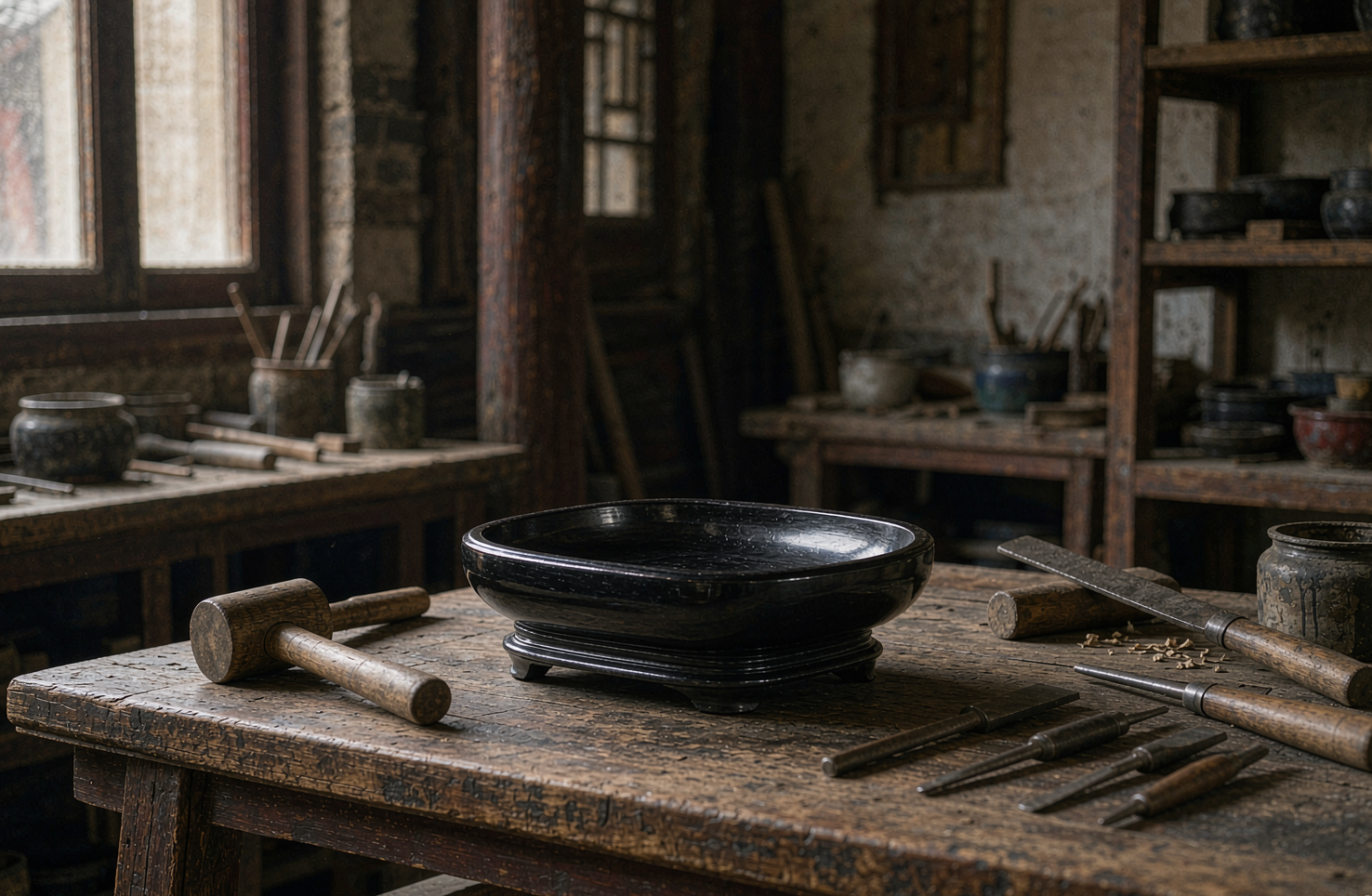
大漆和化学漆怎么分?挑漆器前先答这四问
文章从大漆与化学漆的材料和光泽、手工与机器制品的触感和细节、赠礼器形及出口市场四方面回答挑漆器的问题。闻、看、掂、敲可作为综合观察线索,但仍需结合材质说明、制作工序与匠人来路判断。
韵和鸣 · 2026/10/12 · 45 阅读