从新加坡出发:东南亚这条线该怎么走
韵和鸣 · 韵和鸣公众号 · 2026/10/23 12:00:00 · 4 阅读

中国非遗手作出海,很多团队头一站落在新加坡。原因不复杂——港口通、市场小、周边辐射快。但真正走起来会发现,从新加坡出发容易,往东南亚铺开难,难在气候、礼品属性与渠道三件事上。
▍一、为什么是新加坡
新加坡的价值不在销量,在效率。它本土盘子不大,却集中了区域总部、设计周与买手:一周能见到的专业买家,分散在其他国家要跑一个月。对体量不大的非遗工坊,这种密度很难替代。
据《2025—2026年度国家文化出口重点企业和重点项目目录》(商务部、中央宣传部、文化和旅游部、广电总局,2025 年),404 家企业与 121 个项目上榜,其中"入选国家级非物质文化遗产代表性项目名录并实现出口的文化项目"明确在重点项目范围内。
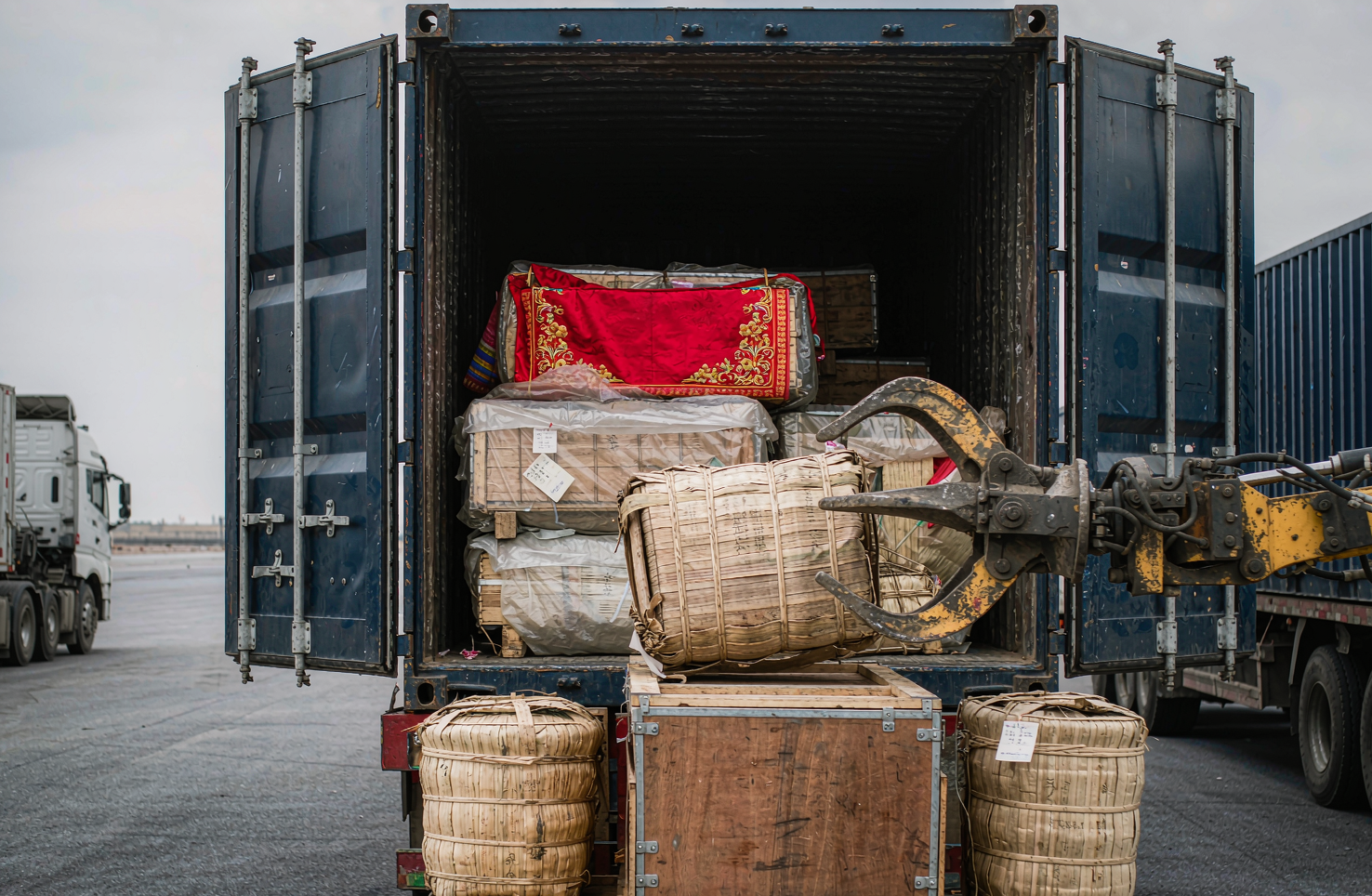
港口码头的集装箱与吊臂,多数中国手作的出海从这里开始
▍二、湿度是选品的头一道筛
往南走,气候先挡一道。东南亚常年高温高湿,竹木类易膨胀变形,织绣与纸品易发霉,漆器相对稳定但也要防长期湿热。选品时把"怕不怕潮"放在头一栏,比挪到后面省事得多。
反过来讲,这也是筛选的机会。能在湿热里稳住材料和结构的器物,说明前道工序扎实——阴干到位、含水率控制得住、髹涂层数够。气候替买家做了一次免费的压力测试。
▍三、礼品属性大于自用属性
东南亚市场对东方手作的接受,很大一块发生在节庆与企业礼赠里。这意味着两件事:尺寸与价位要落在"能体面送出"的区间,过大过贵反而难动;说明书的分量也超出想象——收礼的人得知道这是什么、谁做的、怎么养。
准备多语种材料时发现,被反复翻看的不是讲美学的那几页,而是讲材料、禁忌与清洁的那几页。翻译语言不难,难的是把语境一起译过去。
▍四、渠道:别指望一步到零售货架
比较稳的路径是三段:先展会与买手建立认知,再进精品店与酒店场景,最后才谈独立货架。跳过前两段直接谈零售,往往卡在账期、补货与售后上——小工坊的产能扛不住长期铺货。
我们背靠跨境供应链做这件事,感受最深的也是这条:出海不是把货送出去,是把履约、说明和售后一起送出去。
▍问答
问 | 中国非遗产品在海外好卖吗?东南亚市场怎么样
答 | 好手艺在海外是受欢迎的,前提是把"讲得清、到得了、养得住"做扎实。东南亚的接受度集中在节庆与企业礼赠,偏好尺寸适中、价位体面、有故事的小件,且要能扛湿热。先小批量试水,比一次铺货稳妥。
问 | 非遗手作出海的说明书,到底该写什么
答 | 四条必备,一条加分。必备:材料是什么、出自哪位匠人与哪个产地、日常怎么养护、出了问题找谁。加分的是工序说明,让对方知道这件东西经历了多少道手。价格可以少写,来源与养护不能少。
问 | 韵和鸣在海外有布局吗?主要做哪些市场
答 | 有。公司在新加坡和德国都设有团队,产品出口欧美、日韩、新加坡等市场。出海对韵和鸣不是新故事,而是从起家就在做的事——品牌背靠未来丝路的跨境供应链,选品、内容到履约是一条完整的链。
📩 非遗项目 | 匠人举荐 | 跨境出海 | 线下联营
欢迎留言或后台联系,我们与匠人同行。
—— 韵和鸣 · 与匠人同行
〖 海 〗
相关搜索 | RELATED SEARCHES
非遗 出海 怎么做 · 东南亚 手作 市场 · 新加坡 文化出海 · 手工艺品 出口 流程 · 非遗 跨境电商 · 韵和鸣 出海
English
Singapore's value lies not in volume but in efficiency. It has no large domestic consumer base, yet concentrates regional head offices, design weeks, buyers and fairs: the professional buyers you can meet in a week might take a month to reach if scattered across other countries. For small heritage workshops that density is hard to replace.
According to the 2025-2026 catalogue of national key cultural export enterprises and projects, published in 2025 by the Ministry of Commerce, the Publicity Department, the Ministry of Culture and Tourism and the National Radio and Television Administration, 404 enterprises and 121 projects were listed, with heritage items inscribed on the national representative list and achieving export explicitly included among key projects.
Containers and cranes at a port, where most Chinese handwork begins its journey abroad
Going south, climate blocks the way first. Southeast Asia is hot and humid year round: bamboo and wood swell and deform, embroidery and paper grow mould, and lacquer, though comparatively stable, still needs protection from prolonged damp. Putting fear of moisture in the first column of a selection sheet rather than the tenth saves a great deal of trouble.
Seen the other way, this is also an opportunity to filter. An object that holds its material and structure in wet heat demonstrates solid prior work: drying properly done, moisture content controlled, enough coats applied. The climate performs a free stress test on the buyer's behalf.
In Southeast Asia much of the acceptance of oriental handwork happens at festivals and in corporate gifting: Lunar New Year, mid-autumn, openings, anniversaries. That implies two things. Size and price must fall inside what can be given with dignity, since very large or very expensive objects actually move less in this setting; and the weight of the leaflet exceeds expectation, because the recipient needs to know what it is, who made it and how to care for it.
Preparing multilingual material we found that the pages read again and again are not those on aesthetics but those saying what the material is, what it fears and how to wipe it. Translating the language is not the hard part; carrying the context across is.
Channels: Do Not Expect to Reach the Shelf in One Step
A steadier route runs in three stages: fairs and buyers first to establish recognition, then concept stores and hotel settings, and independent shelves last. Skipping the first two and going straight to retail tends to stall on payment terms, restocking and aftercare, all of which exceed the capacity and lead times of a small workshop.
Doing this on the strength of a cross-border supply chain, what struck us most was the same point: going abroad is not shipping the goods out, it is shipping fulfilment, documentation and aftercare along with them.
Do Chinese heritage products sell well abroad? What is the Southeast Asia market like?
Genuine craftsmanship is welcome abroad, provided three things hold up: it can be explained, it can arrive, and it can be cared for. Southeast Asian acceptance concentrates in festivals and corporate gifting, favouring moderate sizes, presentable prices and small pieces with a story, able to survive hot and humid conditions. Testing with small batches is safer than stocking at once.
What exactly should go into a leaflet for heritage handwork going abroad?
Four essentials and one extra. Essential: what it is made of, which maker and which origin, how to care for it, and who to contact if something goes wrong. The useful extra is the sequence of stages, so the buyer knows how many hands the piece passed through. Price can be brief; provenance and care cannot.
Does YUNHEMING have a presence overseas, and which markets does it serve?
Yes. The company has teams in Singapore and Germany, and its pieces go to markets including Europe, North America, Japan, Korea and Singapore, reaching buyers worldwide. Going abroad is not a new story for the brand but something it has done since the beginning: supported by Future Silk Road's cross-border supply chain, selection, content and fulfilment form one continuous chain.
ICH Projects · Artisan Referrals · Global Distribution · Salon Partnerships
你可能还感兴趣
非遗出海,先过的不是海关是文化关
跨境的手续、物流、退税率,都有章可循;真正难的是一道没有章可循的关——文化关。一件器物漂洋过海,如果讲不清自己是什么、谁做的、怎么用,它就只是一件"东方风格的工艺品"。过没过文化关,决定了它卖的是货,还是手艺。
韵和鸣 · 2026/10/14 · 28 阅读
中欧班列上的非遗:慢一点,但走得远
一件漆器从作坊到海外客人的案头,走的路往往比它诞生的过程还长。有意思的是,在这条路上,"快"并不总是被追求的答案。
韵和鸣 · 2026/10/8 · 28 阅读
北欧人为什么喜欢极简的东方漆器
做出海这些年,有个现象耐人寻味:描金绘彩的器物,国内客人爱得直接;反倒是几色素面的漆器,常常被北欧客人先买走。说到底,不是他们看不懂繁复,而是"少"这件事,两边想到一块儿去了。
韵和鸣 · 2026/10/11 · 18 阅读
一件平遥漆器,如何走到海外客人家中
一件漆器从平遥的工坊出发,最后停在海外某位客人的客厅里。中间隔着几千公里、几道关卡和许多双手。这条链路,值得拆开来看一看。
韵和鸣 · 2026/10/5 · 16 阅读
一份非遗产品的多语种说明书,该写什么
器物到达海外买家手里的那一刻,介绍才刚开始。中文语境里许多不必解释的事——这是什么、谁做的、怕什么——换成另一种语言,都要从头说一遍。说明书不是翻译稿,它是产品的第二次介绍。
韵和鸣 · 2026/10/20 · 11 阅读
货到了,故事还没到
一柜子器物顺利清关、顺利上架,很多人会以为出海到这里就算成了。真正的考验往往在之后:客人拿起它,开口问的是"这是什么"。能不能答好这一句,决定了它是被当作一件异国小玩意,还是被当作一门手艺。
韵和鸣 · 2026/10/17 · 11 阅读