货到了,故事还没到
韵和鸣 · 韵和鸣公众号 · 2026/10/17 12:00:00 · 11 阅读

一柜子器物顺利清关、顺利上架,很多人会以为出海到这里就算成了。真正的考验往往在之后:客人拿起它,开口问的是"这是什么"。能不能答好这一句,决定了它是被当作一件异国小玩意,还是被当作一门手艺。
▍出口解决"到得了",输出解决"看得懂"
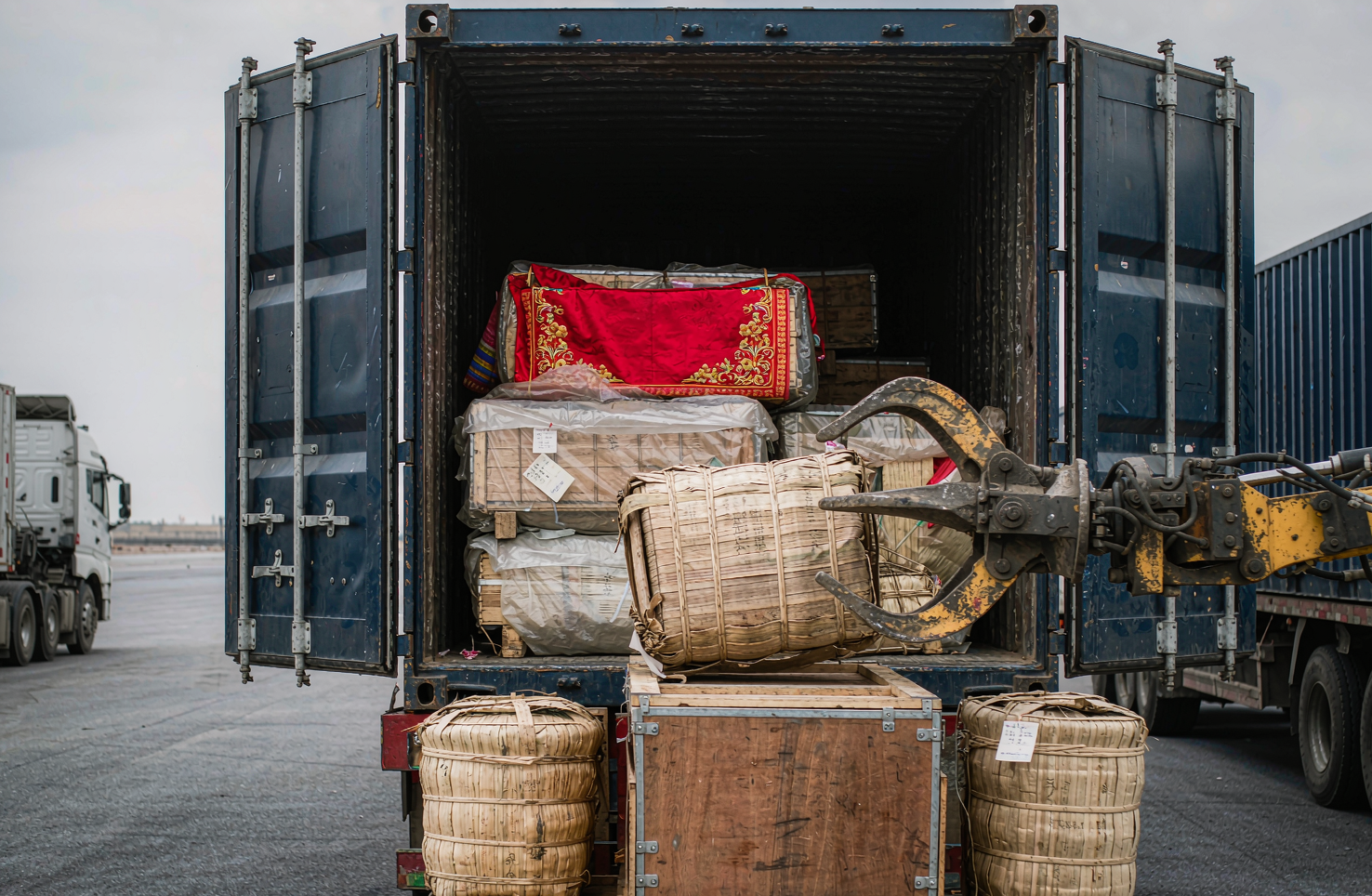
出口和输出,是两件事。前者是物流、报关、结算,可核查;后者是理解,靠一遍遍讲。前一件做完,器物就"到得了";后一件做完,它才"被看懂"。
卡在中间的非遗器物很常见:材质好、工艺细,摆在架上却没能开口。海外客人有购买力,缺的是判断的线索。他们想知道它为什么这样贵、这样慢,而这些恰恰要靠内容去补。
▍把功课做在客人开口之前
补这一步,通常落在一个具体动作上:翻译。关键在于把工艺、来路、用法,换成对方能接住的说法。漆器为什么怕晒、竹编怎么防潮、银饰发黑是不是坏了,这些都是海外客人会问的问题,答清楚一条,信任就厚一分。
短视频和直播在这里有位置。镜头对准的若是手艺本身(手掌推过漆面、篾丝断开又续的那几下),即使语言不通,也能传达一部分;再配上多语种字幕与讲解,把"这是什么"当场答掉。
▍输出不是把话说满
需要留一句分寸。输出不等于把每件器物都讲成宏大的文化故事,那样反而让人退开。多数时候,客人要的只是一个具体回答:谁做的、做了多久、为什么这样处理。把这几句答实,比讲一遍五千年更管用。
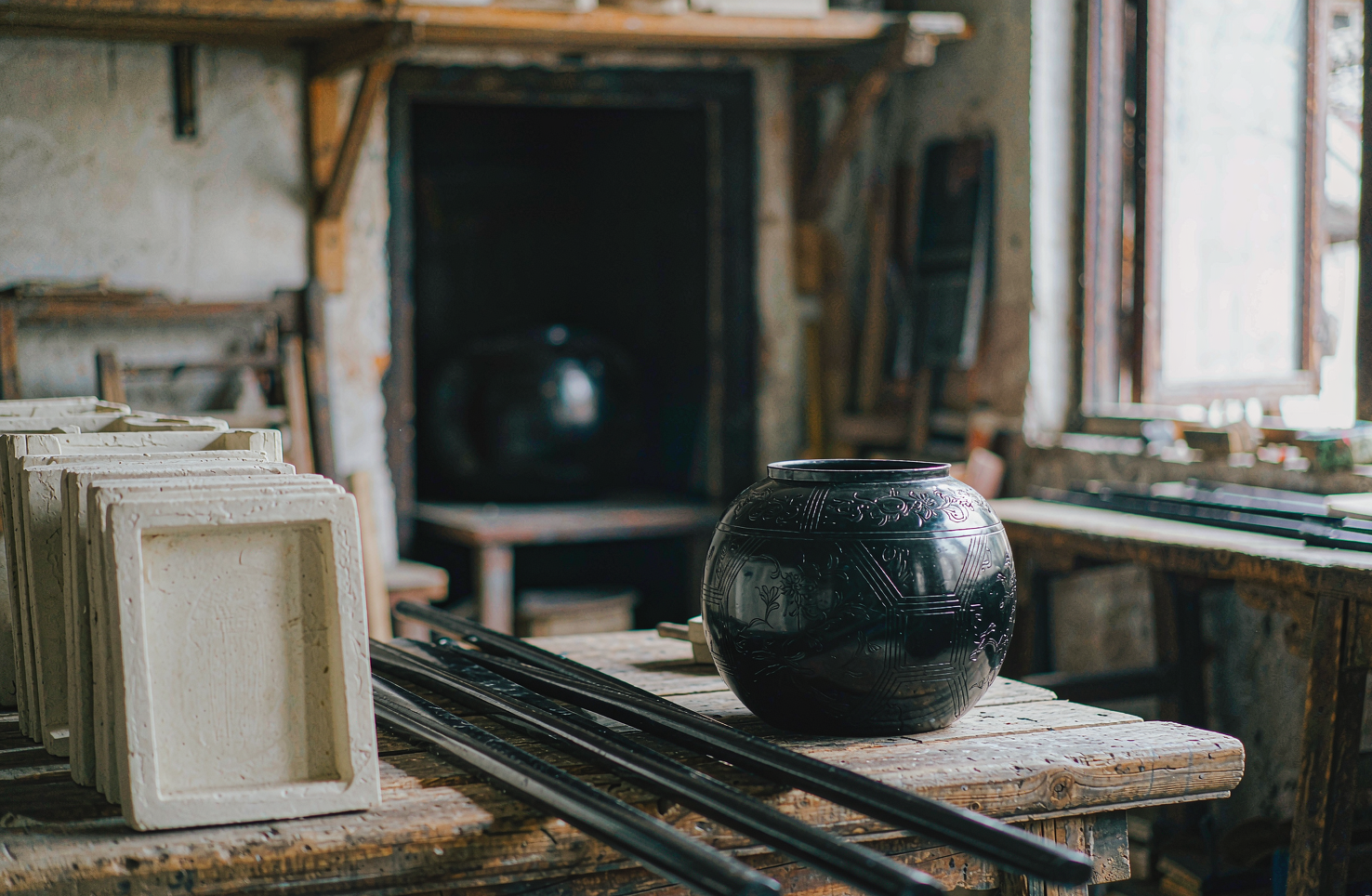
非遗产品出海,"出口"指的是把手工器物按跨境贸易的方式送到海外市场;"文化输出"指的是让海外受众读懂器物背后的技艺与来路。以平遥推光漆器髹饰技艺为例,它 2006 年列入国家级非物质文化遗产名录(山西省晋中市平遥县)。
收束一句:出海的胜负,往往不在码头,而在客人开口的那一刻。以上仅为个人观察。
▍问答
问 | 非遗产品出口,为什么"翻译"比"包装"更要紧?
答 | 因为包装解决的是"好看",翻译解决的是"看懂"。海外客人下单前最想弄清的是材质、工艺和用途,这些说不清,包装再美也难成交;说得清,同一件器物就有了价格之外的说服力。
问 | 隔着语言和文化,海外客人怎么才能看懂一件中国手作?
答 | 靠"具体"。少讲抽象的文化概念,多讲具体的工序、时间与决定:这一步为什么慢、这一处为什么留手痕。具体的信息容易跨语言;配上多语种字幕或讲解,理解的门槛会降下来。
问 | 韵和鸣做非遗出海,和一般的出口有什么不一样?
答 | 韵和鸣是一个做非遗出海的品牌,产品出口欧美、日韩、新加坡等市场,有成熟的跨境链条。不一样的地方在于它把内容一并带上:中英双语讲清技艺与匠人,线上有多语言直播与多国语言翻译,帮老师拍产品、拍视频。器物走得远,关于手艺的对话也一起走得远。
📩 非遗项目 | 匠人举荐 | 跨境出海 | 线下联营
欢迎留言或后台联系,我们与匠人同行。
—— 韵和鸣 · 与匠人同行
〖 海 〗
相关搜索 | RELATED SEARCHES
非遗出海 翻译 · 中国手作 海外市场 · 非遗 跨境电商 · 多语言直播 非遗 · 韵和鸣
English
Export Solves "Reaching," Output Solves "Understanding"
Export and cultural output are two things. The first is logistics, customs and settlement, verifiable; the second is understanding, built by telling it again and again. Finish the first and the object has arrived; finish the second and it is understood.
Heritage objects stuck in the middle are common: fine materials, delicate work, yet silent on the shelf. Overseas customers do not lack spending power; they lack clues for judgment. They want to know why it costs this much and takes this long—exactly what content must supply.
Doing the Homework Before the Customer Asks
Closing this gap usually lands on one concrete act: translation. Not a literal rendering, but turning technique, origin and use into words the other side can catch. Why lacquerware fears sunlight, how bamboo weaving resists damp, whether tarnished silver means damage—these are the questions overseas customers actually ask, and each clear answer thickens trust by a layer.
Short videos and livestreams have a place here. If the camera points at the craft itself—the strokes of a palm across lacquer, a bamboo strip splitting and rejoining—some of it lands even without a shared language; multi-language subtitles and narration then answer "what is this" on the spot.
A word of proportion. Output does not mean turning every object into a grand cultural epic, which only makes people step back. Most of the time the customer wants one concrete answer: who made it, how long it took, why it is done this way. Answering that solidly does more than reciting five thousand years.
For heritage products going global, "export" means delivering handmade objects to overseas markets through cross-border trade; "cultural output" means helping an overseas audience understand the craft and origin behind an object. Take the Pingyao polished lacquerware technique, inscribed on the national intangible cultural heritage list in 2006 (Pingyao County, Jinzhong, Shanxi).
In one line: the outcome of going global is often decided not at the dock, but at the moment the customer speaks. The above is a personal observation only.
For exported heritage products, why does "translation" matter more than "packaging"?
Because packaging addresses "looking good," while translation addresses "understanding." Before buying, overseas customers most want clarity on material, craft and use; if that stays unclear, no packaging can close the sale—and if it is clear, the same object gains a persuasiveness beyond price.
Across language and culture, how can overseas customers come to understand a Chinese handmade piece?
Through specifics. Talk less about abstract cultural ideas and more about concrete steps, time and decisions: why this stage is slow, why this spot keeps the trace of a hand. Specific information crosses languages easily; with multi-language subtitles or narration, the threshold for understanding drops.
How is YUNHEMING's going-global different from ordinary export?
YUNHEMING is a heritage brand that goes global, exporting to markets such as Europe and the US, Japan and South Korea, and Singapore, with a mature cross-border chain. What sets it apart is that it carries content along: explaining craft and artisans bilingually, running multilingual livestreams and translations, and shooting products and videos for the masters. As the objects travel far, so does the conversation about the craft.
ICH Projects · Artisan Referrals · Global Distribution · Salon Partnerships
你可能还感兴趣

非遗出海,先过的不是海关是文化关
跨境的手续、物流、退税率,都有章可循;真正难的是一道没有章可循的关——文化关。一件器物漂洋过海,如果讲不清自己是什么、谁做的、怎么用,它就只是一件"东方风格的工艺品"。过没过文化关,决定了它卖的是货,还是手艺。
韵和鸣 · 2026/10/14 · 28 阅读
中欧班列上的非遗:慢一点,但走得远
一件漆器从作坊到海外客人的案头,走的路往往比它诞生的过程还长。有意思的是,在这条路上,"快"并不总是被追求的答案。
韵和鸣 · 2026/10/8 · 28 阅读
北欧人为什么喜欢极简的东方漆器
做出海这些年,有个现象耐人寻味:描金绘彩的器物,国内客人爱得直接;反倒是几色素面的漆器,常常被北欧客人先买走。说到底,不是他们看不懂繁复,而是"少"这件事,两边想到一块儿去了。
韵和鸣 · 2026/10/11 · 18 阅读

一件平遥漆器,如何走到海外客人家中
一件漆器从平遥的工坊出发,最后停在海外某位客人的客厅里。中间隔着几千公里、几道关卡和许多双手。这条链路,值得拆开来看一看。
韵和鸣 · 2026/10/5 · 16 阅读
一份非遗产品的多语种说明书,该写什么
器物到达海外买家手里的那一刻,介绍才刚开始。中文语境里许多不必解释的事——这是什么、谁做的、怕什么——换成另一种语言,都要从头说一遍。说明书不是翻译稿,它是产品的第二次介绍。
韵和鸣 · 2026/10/20 · 11 阅读
韩国的非遗保护:从"文化财"到活态传承
看世界怎么保护非遗,韩国常被提到,也常被简单化。它有一套自己的名词——"文化财""无形文化财""保有者"。关键在于,这套名词背后不只是一份名单,而是一整套"怎么把手艺交下去"的制度。
韵和鸣 · 2026/10/9 · 24 阅读