一份非遗产品的多语种说明书,该写什么
韵和鸣 · 韵和鸣公众号 · 2026/10/20 12:00:00 · 12 阅读
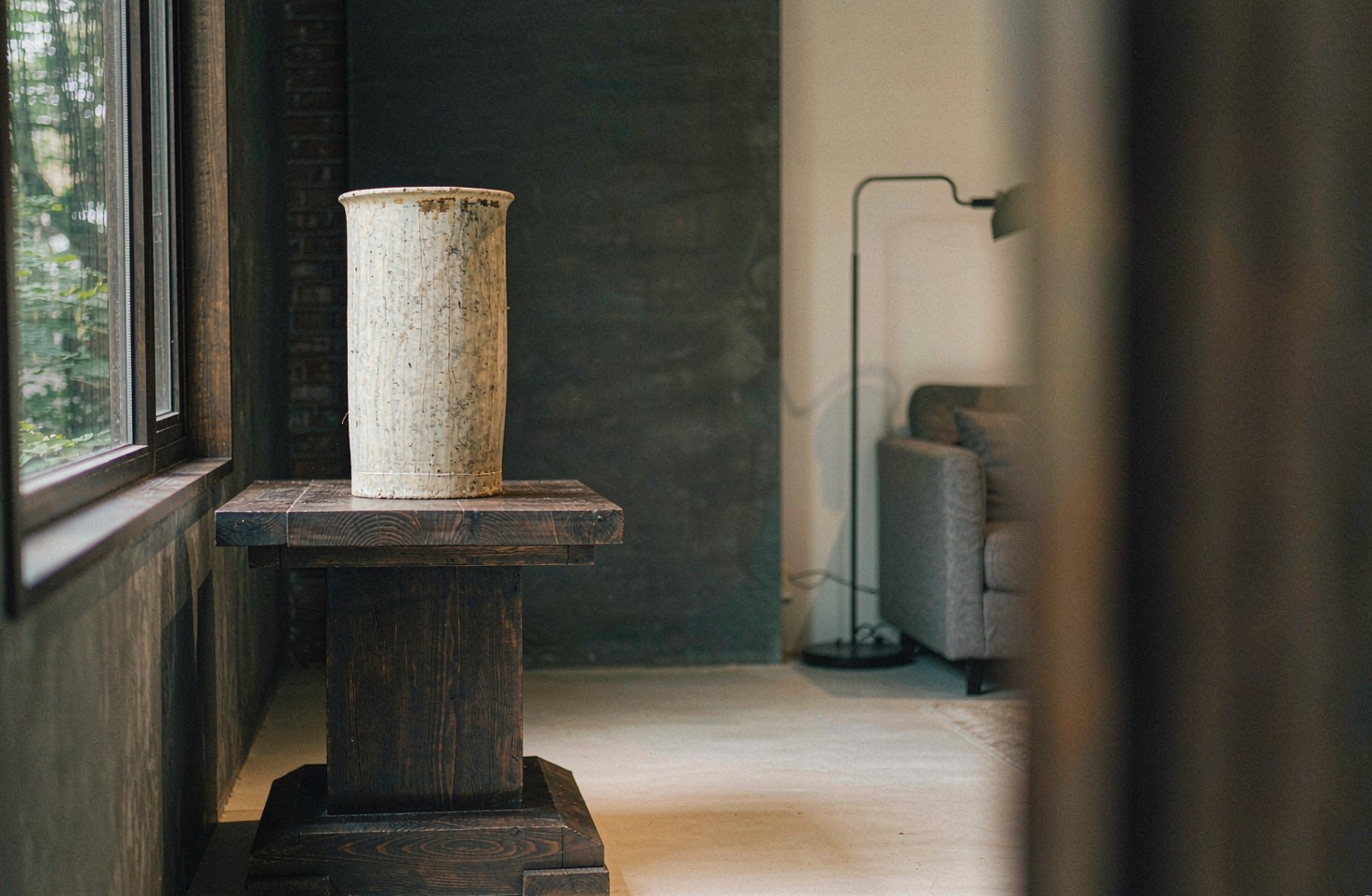
器物到达海外买家手里的那一刻,介绍才刚开始。中文语境里许多不必解释的事——这是什么、谁做的、怕什么——换成另一种语言,都要从头说一遍。说明书不是翻译稿,它是产品的第二次介绍。
▍名字怎么译:先给用途,再给来历
出海语境里的「转译」,指的是把器物名称、工艺与来历转换成另一种语言能被理解的表达,而不是逐字对译。名称通常采用「音译或意译 + 用途 + 产地」的结构,让买家先知道这是什么、用来做什么,再知道它从哪来。
顺序不能倒。先讲「这是一只茶盏」,再讲「它出自山西的一处老窑口,釉色来自窑变」;反过来写,读者在知道用途之前就已经走神了。
▍三句工序,胜过十句形容词
工艺部分建议只写三句:用了什么材料,经过哪几道主要工序,费时多久。形容词在跨语言传播里最容易失真,「精美」「匠心」这类词译过去往往变成空话,而「髹涂七道、每道阴干后再打磨」是任何人都能核验的陈述。
匠人的名字要写,且要写清楚是姓名的音译还是通用写法。署名不是礼貌,是溯源的一部分——买家记住了名字,才会第二次找过来。
▍养护与禁忌:写「怕什么」比写「多好」有用
海外买家投诉的绝大多数问题,来自用法而不是品质。说明书里值得单列一栏「怕什么」:怕长时间泡水、怕暴晒、怕骤冷骤热、怕硬物刮擦;再配一句能做的——用软布干擦,用后通风存放。
材质与合规同样要写清:主体材质、是否含动物来源成分、表面处理用的是什么。这些信息在清关与平台上架时都可能被问到,写上去既省事,也减少误会。
▍收束:把「能修」也写进去
最后一条常被漏掉:这件东西坏了去哪儿修、还能不能用很久。手工器物的价值有一半在「可长期使用」,而可长期使用的前提是能被修、被养。说明书里留一句回收与修复的联系方式,比任何一句祝语都实在。
▍问答
问 | 非遗产品出海,说明书一定要做多语种吗?
答 | 值得做,且不必一次做很多种。经验做法是先做英语版,再根据主要市场补日语、韩语或德语版本。作用不在篇幅,而在减少误会:用途、材质、养护与禁忌说清楚了,退换与投诉会明显下降。内容可以薄,但结构要完整——名称、匠人、工序、用法、养护,五项缺一不可。
问 | 工艺名称翻译不一致,会不会影响海外买家理解?
答 | 会,而且是常见的流失点。同一个词在不同页面上写法不同,买家会以为是两样东西,搜索也分散。建议做法是固定一套术语表:名称用统一拼写,首次出现时附一句解释,此后不再更换;重要术语可保留音译并加括号说明,避免意译造成的漂移。
问 | 韵和鸣怎么把中国手艺讲给海外用户听?
答 | 靠两条:一是线上多语言直播,配多国语言翻译,把匠人的手艺与器物的来历直接讲给海外观众;二是给器物配多语种说明,把用途、材质与养护写清楚。语言这一关通了,手艺才有被理解的机会。
📩 非遗项目 | 匠人举荐 | 跨境出海 | 线下联营
欢迎留言或后台联系,我们与匠人同行。
—— 韵和鸣 · 与匠人同行
〖 海 〗
相关搜索 | RELATED SEARCHES
非遗 出海 产品说明书 · 非遗 多语种 翻译 · 手工艺品 出口 合规 材质 · 非遗 海外 养护 说明 · 中国非遗 走出去
English
Translating the Name: Purpose First, Provenance Second
In the context of going abroad, "transposition" means turning an object's name, craft and provenance into expression that another language can understand, rather than translating word for word. Names usually follow a structure of transliteration or free translation plus purpose plus place of origin, so a buyer learns what it is and what it is for before learning where it comes from.
The order cannot be reversed. Say first that this is a tea bowl, then that it comes from an old kiln site in Shanxi and that its glaze color arises from kiln transformation; written the other way round, the reader has drifted off before learning what the thing is for.
Three Sentences of Process Beat Ten Adjectives
For the craft, write only three sentences: what materials were used, which main steps it passed through, and how long it took. Adjectives are the first thing to distort in cross-language transmission; words like exquisite and devoted usually turn into empty phrases when translated, while "seven coats of lacquer, each dried and then ground" is a statement anyone can check.
The maker's name must appear, and it must be clear whether it is a phonetic rendering or a conventional spelling. A credit is not courtesy; it is part of traceability. A buyer who remembers a name will come back a second time.
Care and Taboos: Writing What It Fears Matters More Than How Good It Is
Most complaints from overseas buyers come from how an object was used rather than from its quality. A leaflet deserves a separate line for what it fears: long soaking, strong sun, sudden swings of temperature, hard scratches; followed by one line on what to do — wipe with a soft dry cloth, store it where air can move.
Materials and compliance belong there too: the main material, whether it contains any animal-derived component, and what the surface was treated with. These questions come up at customs and when listing on platforms, so writing them down saves trouble and reduces misunderstanding.
Closing: Write In That It Can Be Repaired
The last item is often missed: where to send it if it breaks, and whether it can be used for a long time. Half the value of a handmade object lies in being usable over years, and being usable over years presupposes that it can be repaired and cared for. Leaving a line with repair and take-back contact details is more substantial than any closing greeting.
Does a heritage product going abroad really need a multilingual leaflet?
It is worth doing, and it need not be many languages at once. The usual practice is to produce an English version first, then add Japanese, Korean or German according to the main markets. The point is not length but fewer misunderstandings: when purpose, materials, care and taboos are clear, returns and complaints drop noticeably. The content can be thin, but the structure must be complete: name, maker, process, use and care — five items, none optional.
If craft names are translated inconsistently, does that confuse overseas buyers?
Yes, and it is a common point of loss. When the same term is written differently across pages, buyers assume they are two different things, and search gets scattered. The recommended approach is to fix one glossary: use a single spelling for each name, add one explanatory sentence at first mention, and never change it afterward; key terms can keep a transliteration with a parenthetical explanation to avoid drift from free translation.
How does YUNHEMING explain Chinese crafts to overseas audiences?
Two things: multilingual livestreams online, with translation into several languages, carrying the maker's craft and the provenance of the object straight to overseas viewers; and multilingual leaflets for the objects, stating purpose, materials and care clearly. Once the language barrier is crossed, a craft gets its chance to be understood.
ICH Projects · Artisan Referrals · Global Distribution · Salon Partnerships
你可能还感兴趣
非遗出海,先过的不是海关是文化关
跨境的手续、物流、退税率,都有章可循;真正难的是一道没有章可循的关——文化关。一件器物漂洋过海,如果讲不清自己是什么、谁做的、怎么用,它就只是一件"东方风格的工艺品"。过没过文化关,决定了它卖的是货,还是手艺。
韵和鸣 · 2026/10/14 · 28 阅读
中欧班列上的非遗:慢一点,但走得远
一件漆器从作坊到海外客人的案头,走的路往往比它诞生的过程还长。有意思的是,在这条路上,"快"并不总是被追求的答案。
韵和鸣 · 2026/10/8 · 28 阅读
北欧人为什么喜欢极简的东方漆器
做出海这些年,有个现象耐人寻味:描金绘彩的器物,国内客人爱得直接;反倒是几色素面的漆器,常常被北欧客人先买走。说到底,不是他们看不懂繁复,而是"少"这件事,两边想到一块儿去了。
韵和鸣 · 2026/10/11 · 18 阅读
一件平遥漆器,如何走到海外客人家中
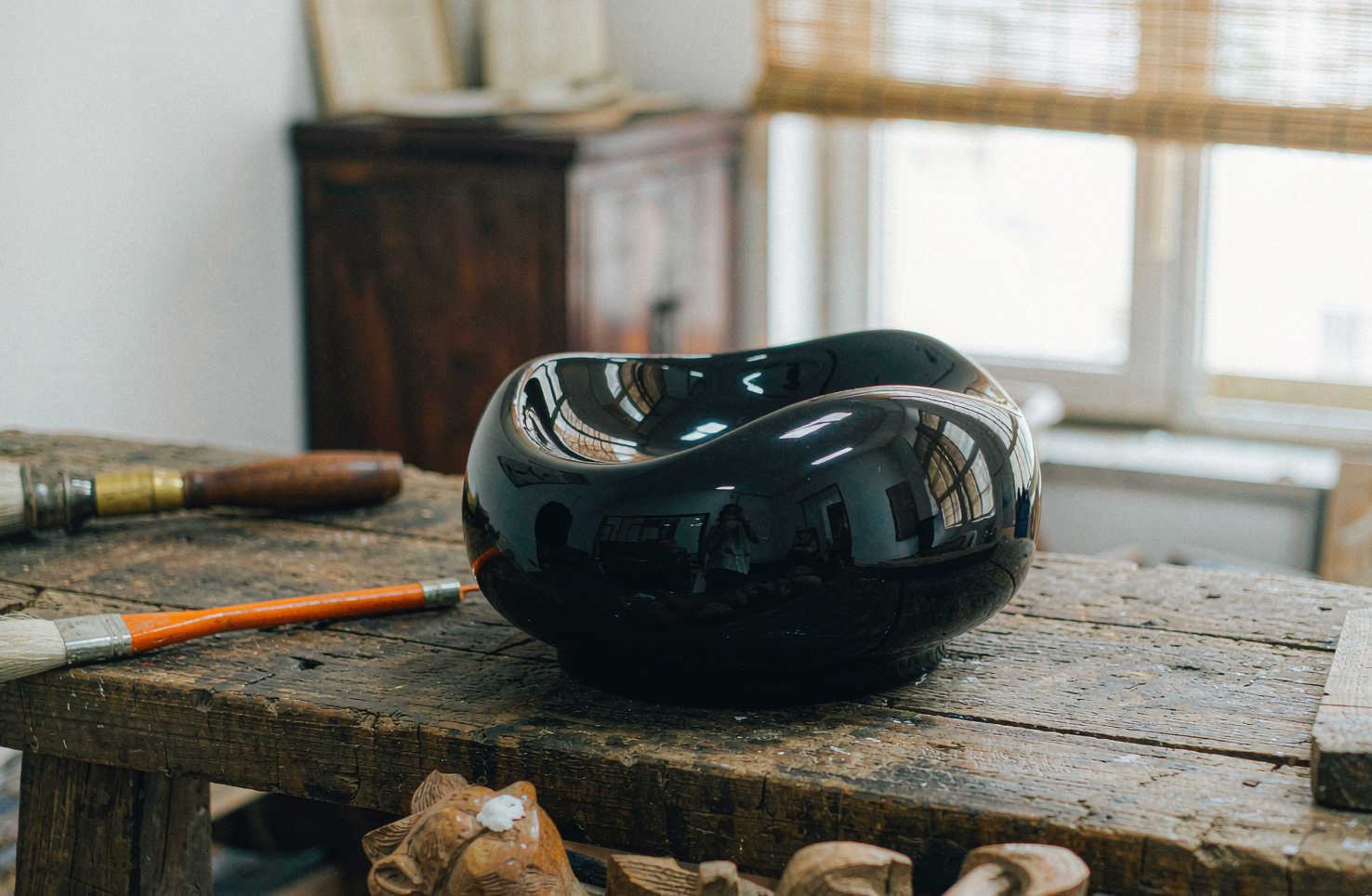
一件漆器从平遥的工坊出发,最后停在海外某位客人的客厅里。中间隔着几千公里、几道关卡和许多双手。这条链路,值得拆开来看一看。
韵和鸣 · 2026/10/5 · 16 阅读
货到了,故事还没到
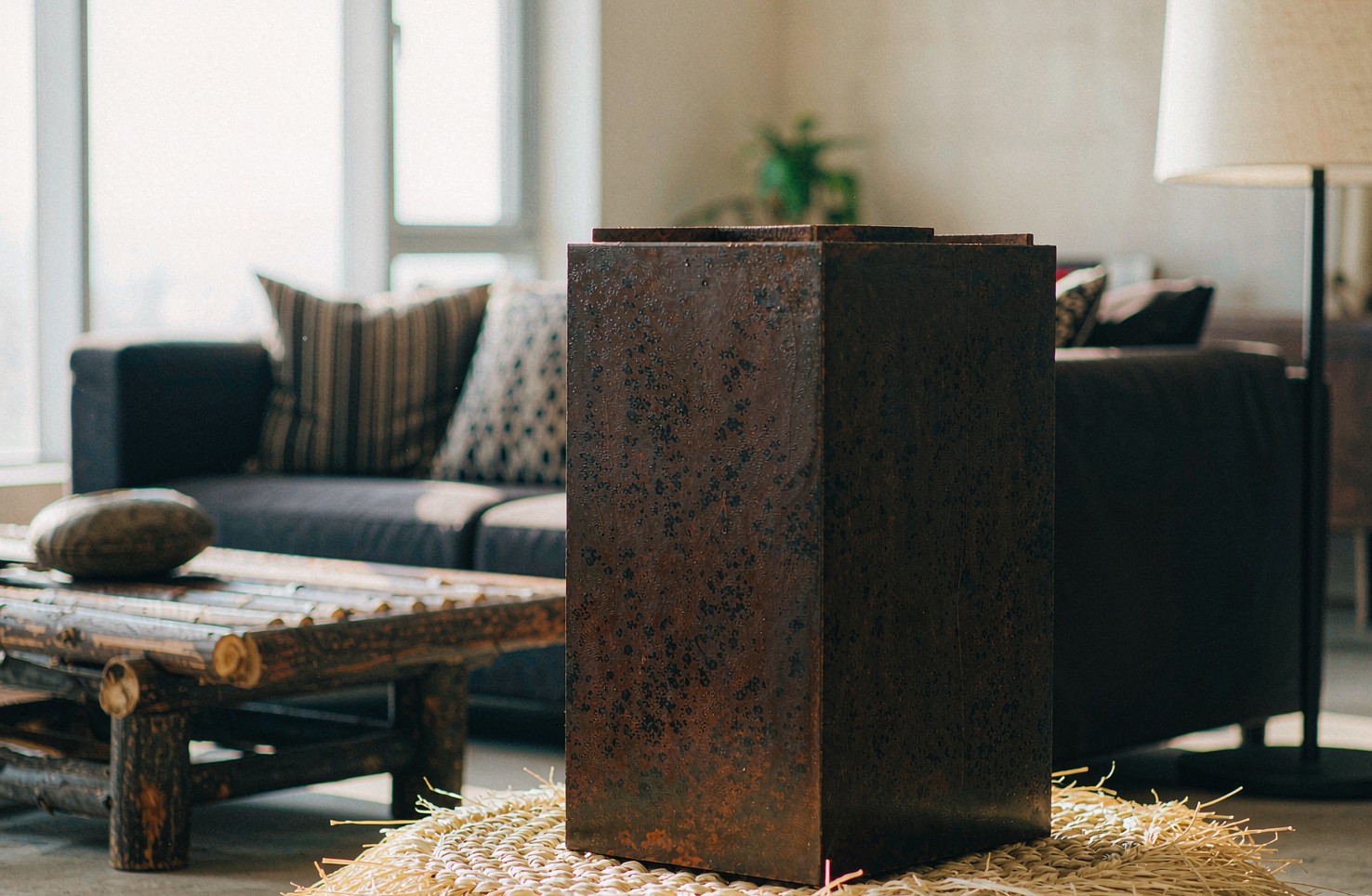
一柜子器物顺利清关、顺利上架,很多人会以为出海到这里就算成了。真正的考验往往在之后:客人拿起它,开口问的是"这是什么"。能不能答好这一句,决定了它是被当作一件异国小玩意,还是被当作一门手艺。
韵和鸣 · 2026/10/17 · 11 阅读
韩国的非遗保护:从"文化财"到活态传承
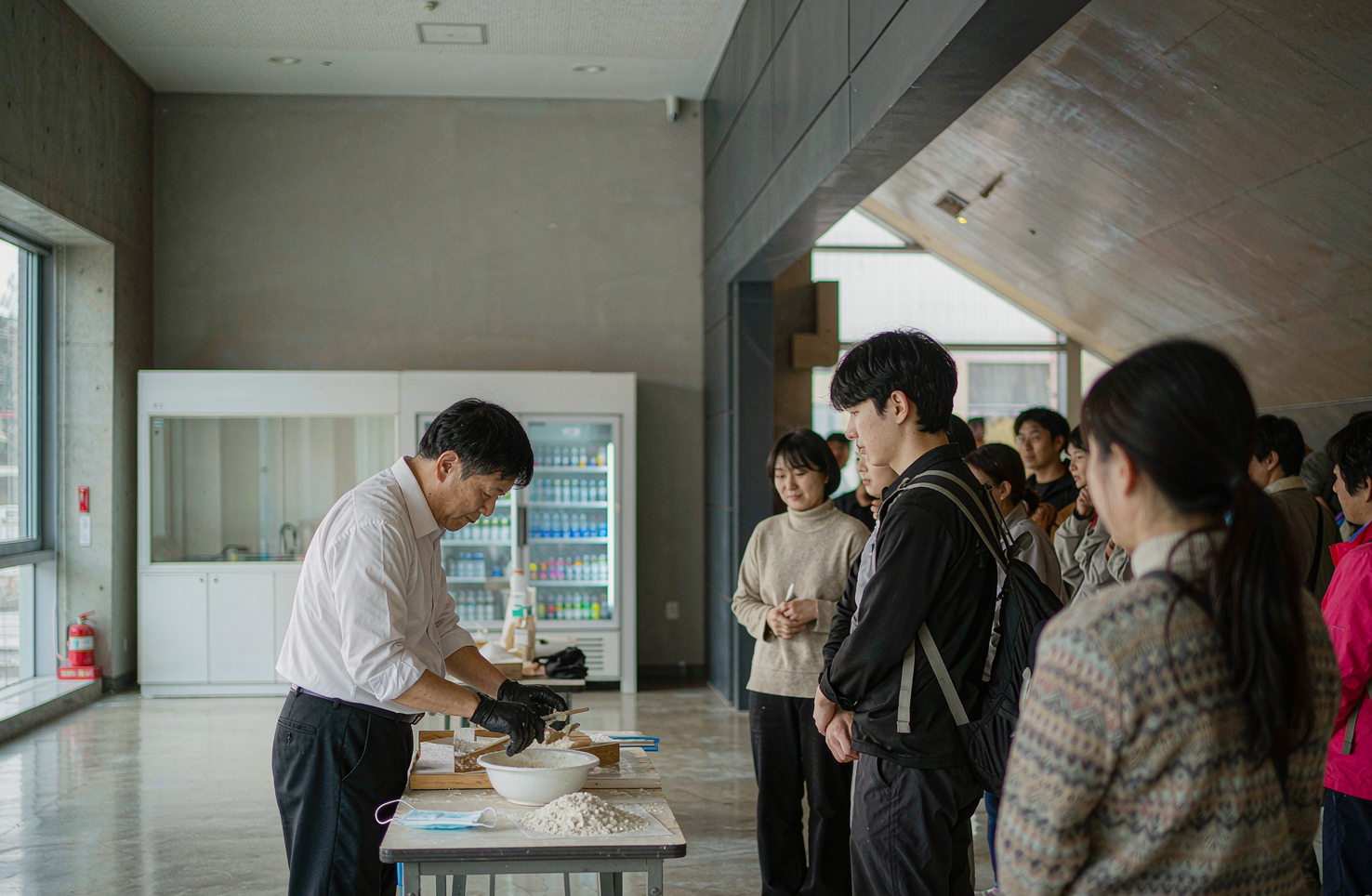
看世界怎么保护非遗,韩国常被提到,也常被简单化。它有一套自己的名词——"文化财""无形文化财""保有者"。关键在于,这套名词背后不只是一份名单,而是一整套"怎么把手艺交下去"的制度。
韵和鸣 · 2026/10/9 · 24 阅读