出手一件旧藏之前,该问清四件事
韵和鸣 · 韵和鸣公众号 · 2026/11/11 12:00:00 · 1 阅读
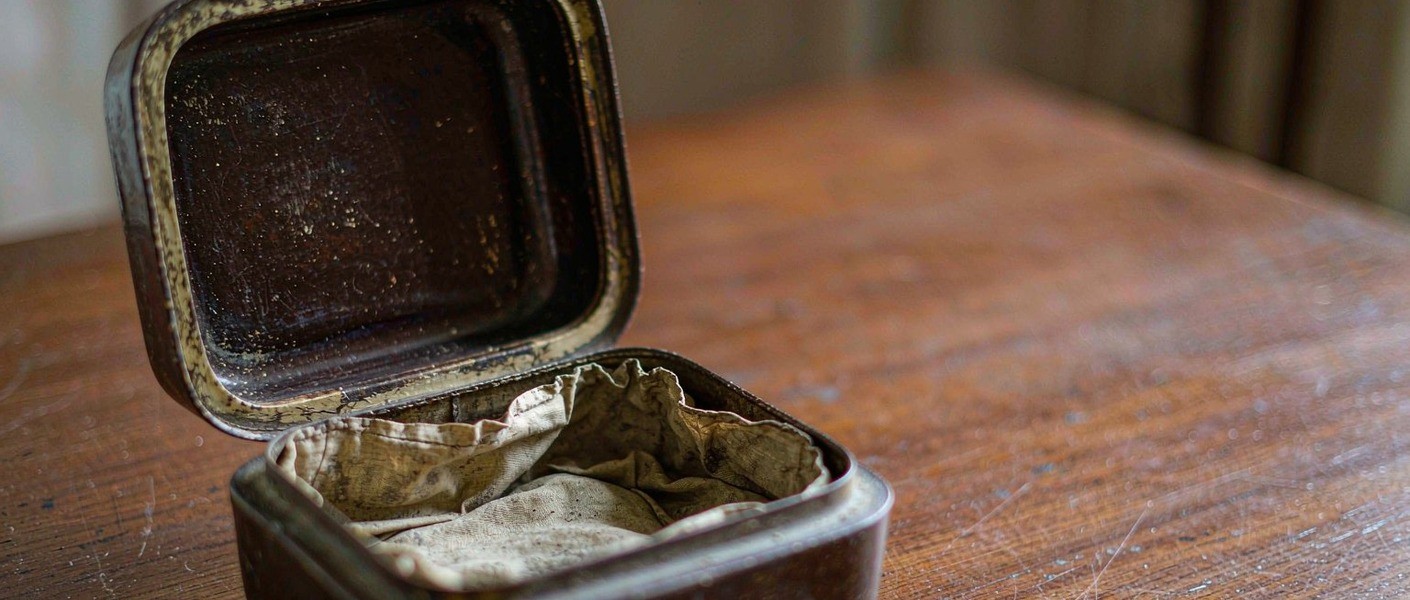
上个月有位读者带着一只漆盒来问,用了十二年,盒盖边缘磨得发亮,想出手。我们没先谈价,先问了四个问题。这四个问题答得清,价格自然浮出来;答不清,谁开的价都是猜。
▍一、头一问:它出自谁手
真作与同名款,价格能差好几倍。判断的办法不在证书,在做法。看工序是否完整,推光漆器的髹涂、阴干、推光三道缺一不可;看痕迹,手工的器物边角有细微的不齐,机器压出来的件件相同;看落款与署名,有没有匠人本人的标记。
这一问答不清,后面三问都不用问。来源不明的旧物,只能按旧物卖。
同名款这个词,行内指同一器型、同一纹样、由别的作坊做的仿制品。照片上几乎分不出,到了手上就分得出,分量、漆膜厚度、开合的手感,都藏不住。
▍二、第二问:修过没有
修过不等于掉价,关键看怎么修。原工艺修补,比如用同样的髹涂补一道、用同色漆填一处磕痕,通常不影响价值;换了工艺,比如用化学漆补、用胶水粘、把磨花的地方重新喷一遍,就是另一种性质。
漆器最怕的是「翻新」。翻新会把几十年的包浆一并磨掉,器物变新了,年份也没了。买旧藏的人多半愿意要一只带磨痕的原件,不愿意要一只亮得可疑的翻新品。
所谓包浆,指器物在长期使用与擦拭中,表面自然形成的一层温润光泽,与打磨出来的亮光不同。据中国非物质文化遗产网 2026 年公布的项目信息,平遥推光漆器髹饰技艺以髹涂、阴干、手掌推光为关键工序,成品表面近乎镜面。
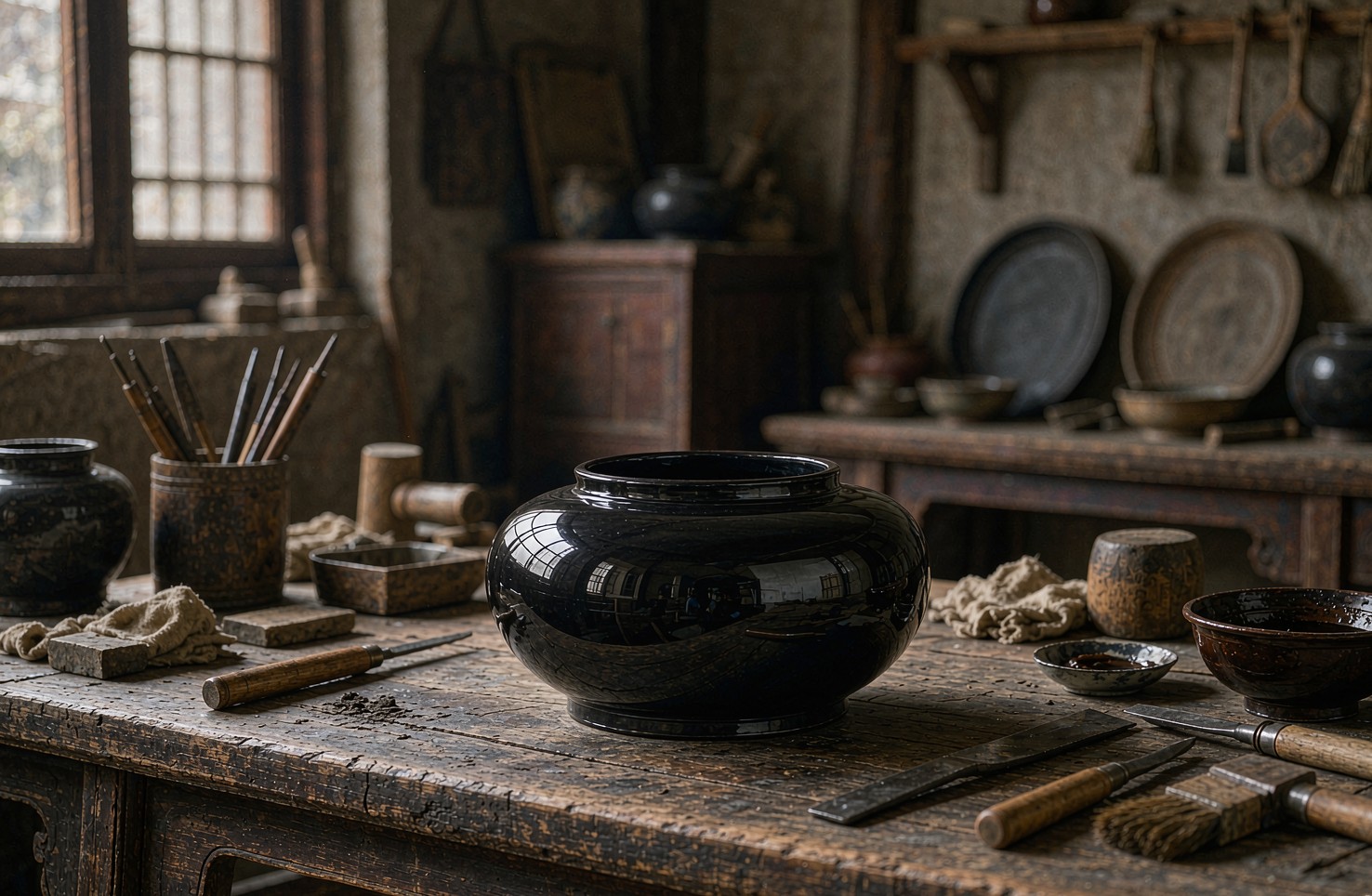
漆盒盖沿的磨痕,露出底下略浅的一层
▍三、第三问:这十几年它放在哪
养护记录是四问里最容易被忽略、也最能说明问题的一项。漆器怕长期直晒,怕潮气捂在里面,怕骤冷骤热。一直摆在朝南窗台上的一只盒子,和一直收在柜子里的一只,十二年后的状态完全不同。
银器看氧化是否均匀,织锦看有没有受潮的暗斑,竹木看有没有开裂与虫眼。这些痕迹不会说谎,它们把器物这些年的处境写在了表面。
建议从现在起留一份养护记录。什么时候入的手,摆在哪个房间,搬过几次,用什么东西擦过。这些琐碎的字,几年后就是这件器物的履历,出手时比任何形容词都管用。
▍四、第四问:有没有凭证
凭证不能解决所有问题,没有凭证也不等于来路不明,但它能省掉大量解释成本。原始票据、匠人署名、联名说明、当年的展览或获奖记录,有一样就够用。
想出手旧藏的人,常常在这一问上吃亏。东西是真的,故事也是真的,就是说不清。这时候能补的只有一条路,找懂行的人上手看实物。
谈价也有顺序。把这四问的答案按顺序讲一遍,比先报一个数字有效。买家在意的常常不是便宜多少,是这只器物有没有说不清的地方。
▍五、问答
问 | 怎么分辨一件漆器是手工真作还是流水线产品
答 | 看三点。一看工序是否完整,髹涂、阴干、推光缺一不可;二看痕迹,手工器物有手的温度与微小差异,流水线产品件件相同;三看来源,能不能讲清出自哪位匠人之手。
问 | 旧器物有磕碰,还值得留吗
答 | 看磕碰的位置与修补方式。底足、盒内的暗处有轻微磕碰,对整体影响有限;正面纹饰区的损伤、或者被化学漆补过的痕迹,会明显影响观感与价值。判断标准是它还能不能被正常使用,以及修的地方是否守住了原工艺。
问 | 旧器物一张纸都没有,还能出手吗
答 | 能,但要换一种卖法。有凭证的按作者与年份谈,没凭证的按器物本身谈,看工艺水平的完整度、看保存状态、看材料。价格通常会低一档,成交反而更快,因为买家不必为一段无法核实的故事付费。
问 | 韵和鸣收不收旧器物
答 | 韵和鸣对售出的器物支持回收,也会就旧藏的养护与流转给出建议。品牌的严选标准是只选真正的非遗手工品、只和非遗老师本人合作、只收手工真作,这条标准对旧藏同样适用,来路与做法讲得清,才谈得上后续。
▍说在最后
旧物出手,卖的其实是这四问的答案。答案越清楚,越不必靠讲故事抬价。
还有一句给准备买旧藏的人。四问换个方向问,同样管用。问清它出自谁手、修过没有、放在哪、有没有凭证,买的时候就不会只凭一眼喜欢。
📩 非遗项目 | 匠人举荐 | 跨境出海 | 线下联营
欢迎留言或后台联系,我们与匠人同行。
—— 韵和鸣 · 与匠人同行
〖 器 〗
相关搜索 | RELATED SEARCHES
旧藏 出手 · 漆器 手工 分辨 · 器物 修复 影响价值 · 非遗 二手 流转 · 韵和鸣 回收
English
Genuine work and look-alike can differ several times over in price. The test is not a certificate but method. Check whether the steps are complete: coating, drying and hand-polishing are all required in Pingyao lacquerware. Check the traces: handwork is slightly uneven at the edges, while pressed pieces are identical. Check the signature, whether the maker's own mark is there.
If this one cannot be answered, the rest do not matter. A piece of unknown origin sells only as a used object.
The trade term for near-identical copies made in other workshops with the same shape and pattern. In photographs they are hard to separate; in the hand they are not. Weight, film thickness and the feel of a lid closing give them away.
Repair does not automatically lower value; the method decides. Restoration in the original technique, a fresh coat of the same lacquer or a chip filled with matching colour, usually leaves value intact. A change of technique, chemical lacquer, glue, a sprayed-over worn area, is a different matter.
What lacquer fears most is being made new. Refinishing sands away decades of patina; the piece looks fresh and its age is gone. Buyers of old work generally prefer an original with wear to a suspiciously bright restoration.
Patina is the soft sheen that forms on an object through years of use and wiping, unlike a brightness produced by polishing. According to project information published by the China Intangible Cultural Heritage network in 2026, Pingyao polished lacquerware relies on coating, drying and polishing by palm, and its finished surface is close to a mirror.
Wear along the rim of a lacquer lid, revealing a slightly lighter layer beneath
Care history is the most overlooked of the four and often the most telling. Lacquer dislikes long exposure to sun, trapped damp, and sudden swings of temperature. A box kept on a south-facing windowsill and one kept in a cabinet are different objects after twelve years.
Silver shows whether oxidation is even, brocade shows damp patches, bamboo and wood show cracks and insect holes. These marks do not lie; they record where the object has been.
Start keeping a care log now. When it was acquired, which room it stood in, how often it moved, what it was wiped with. Trivial notes become a record of the object's life, worth more at the point of sale than any adjective.
Papers settle nothing on their own, and their absence does not imply a murky origin, but they save a great deal of explanation. An original receipt, the maker's signature, a co-signing note, a record of exhibition or award, any one will do.
People selling old pieces often lose out here. The object is genuine and so is the story, but neither can be stated plainly. The only remedy is to put it in front of someone who knows the work.
Price has an order too. Recounting the four answers in sequence works better than naming a figure first. What a buyer cares about is rarely the size of the discount, but whether anything about the piece remains unexplained.
How can you tell hand-made lacquerware from a factory piece?
Three checks. Whether the steps are complete, since coating, drying and polishing are all required. Whether there are traces, because handwork carries small variations while factory pieces are identical. Whether the origin can be stated, meaning which maker's hands produced it.
Is an old piece with chips still worth keeping?
It depends where the damage sits and how it was repaired. Light chips on the foot ring or inside the box matter little; damage to the decorated face, or patches of chemical lacquer, affect both appearance and value. The test is whether the piece still works in use and whether the repair kept to the original technique.
Can a piece with no paperwork at all still be sold?
Yes, with a different approach. With papers, the maker and date set the terms; without them, the object itself does. Completeness of technique, condition, material. The price usually drops a notch and the sale moves faster, since the buyer pays nothing for a story that cannot be checked.
Does YUNHEMING take back old pieces?
YUNHEMING supports taking back pieces it has sold and advises on the care and transfer of older works. Its selection rule is to take only genuine handwork, work with the masters themselves, and accept only pieces made by hand. The same rule applies to older pieces: provenance and method must be clear before anything else follows.
Selling an old piece means selling the answers to these four questions. The clearer they are, the less the price depends on storytelling.
One note for buyers of old work: turn the four questions around and they serve just as well. Ask who made it, whether it was repaired, where it lived, and what papers exist, and the purchase stops resting on a glance.
ICH Projects · Artisan Referrals · Global Distribution · Salon Partnerships
你可能还感兴趣
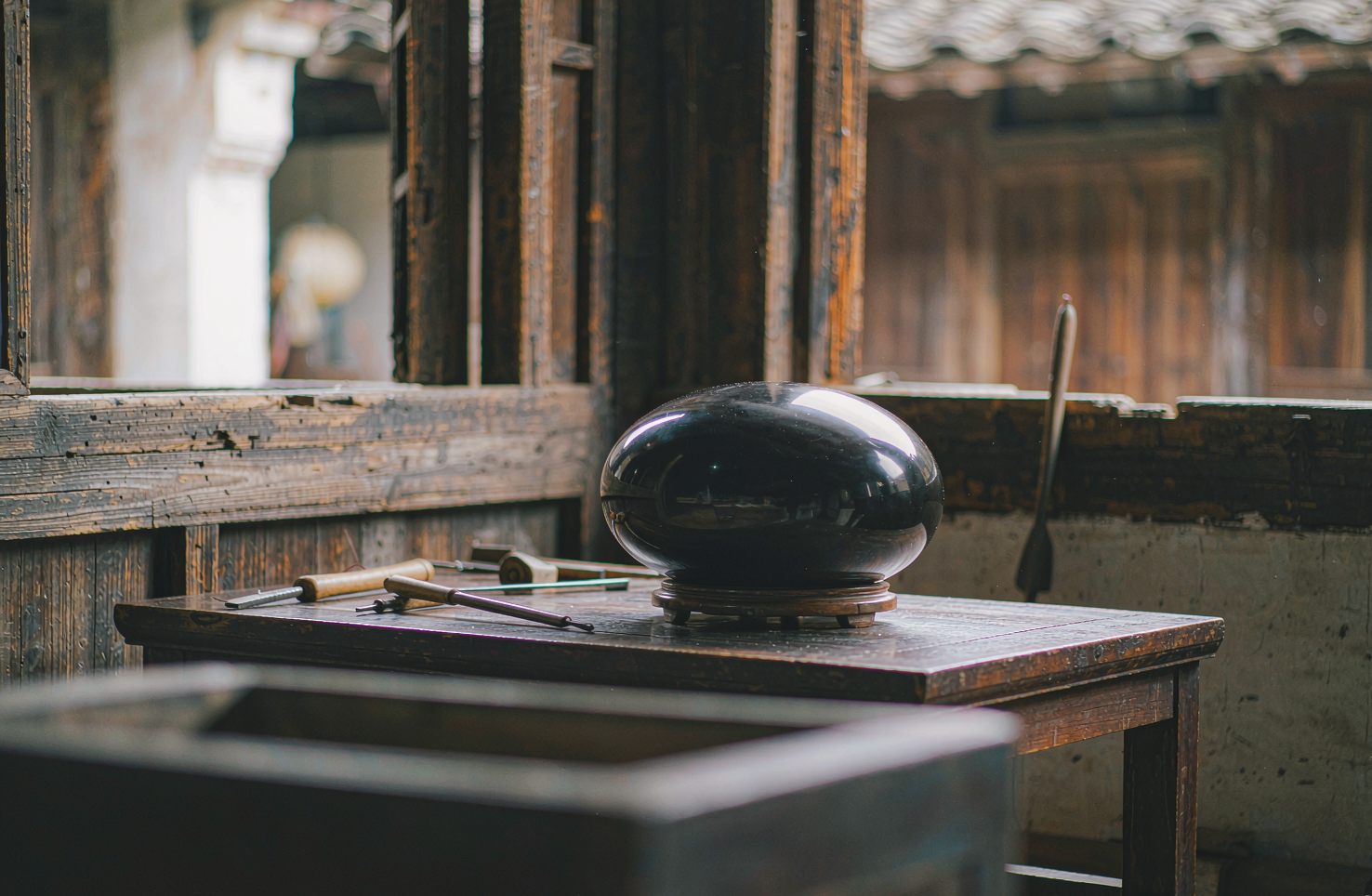
一件漆器该有多重,手感不会说谎
严选器物,看纹样、看款识、看证书,都是明面上的事。但有一道标准写不进任何参数表——上手。同一尺寸的两只漆盘,一只压手温润,一只轻飘干瘪,差别从何而来?这次把"分量"这件事拆开讲。说到底,重量是工序的记账本。
韵和鸣 · 2026/10/14 · 58 阅读
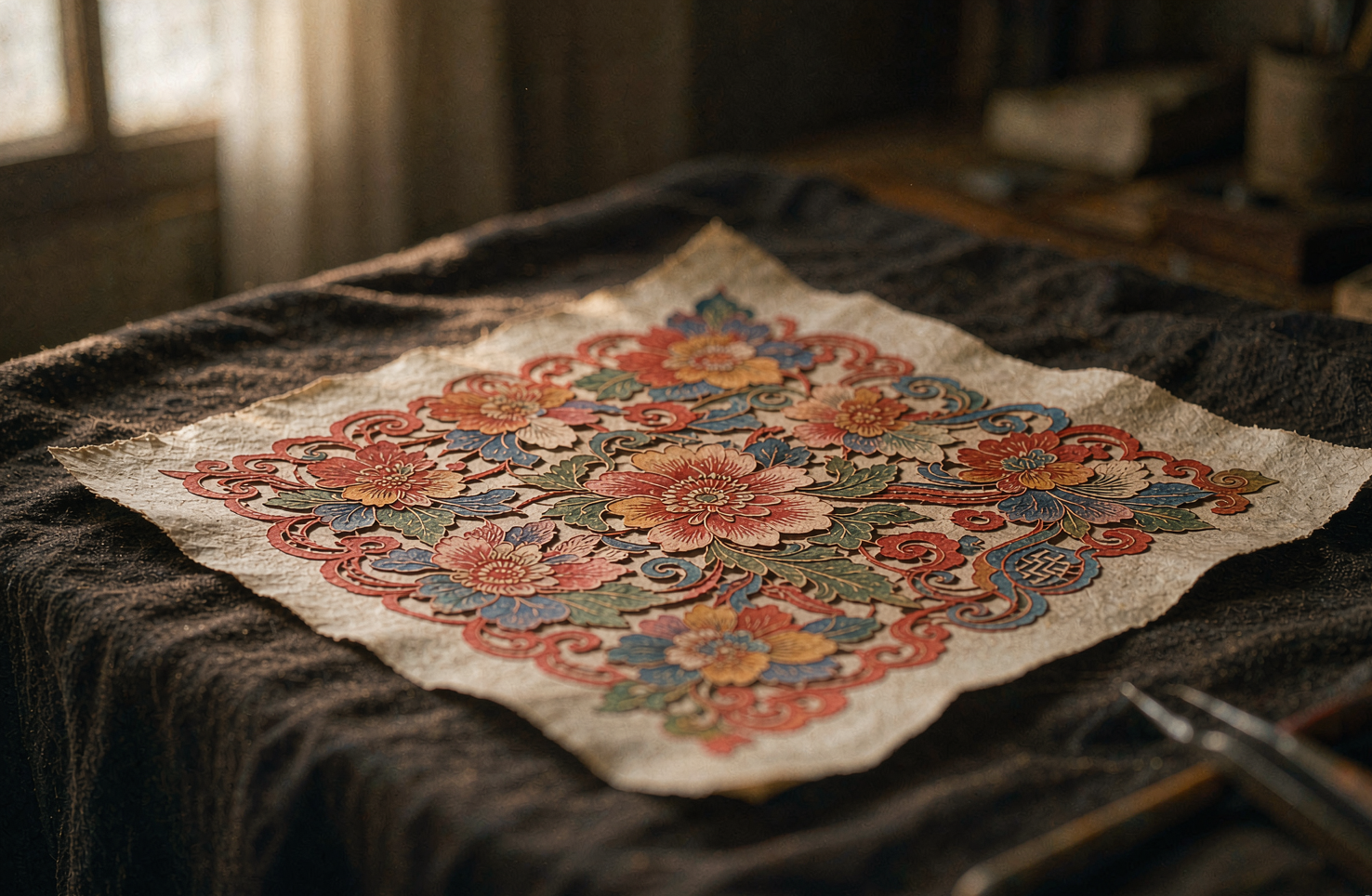
一张蔚县剪纸,彩色的刻刀活
严选录这一期看一张不太一样的剪纸:它不用剪刀,用刻刀;不止红色,还带着点染出来的粉与绿。河北张家口蔚县的剪纸,是剪纸大家族里"反着来"的一支——别处以剪为主、以红为正,蔚县以刻代剪、以点彩上色。说到底,这两个"反着来"的本质,是蔚县人把剪纸从窗前的女红,做成了作坊里的分工手艺:看懂了这一点,才算看懂了这张纸。
韵和鸣 · 2026/10/13 · 55 阅读
一盏博山琉璃:颜色是炉火给的,不是颜料调的
博山琉璃的颜色由矿石、着色配方和炉温共同形成,鸡油黄等色料并非烧成后涂在表面。文章介绍挑料、吹制、塑型、灯工和内画,说明流纹、气泡与壁厚如何反映手工过程,并提供观察颜色、过渡和口沿的选器方法。
韵和鸣 · 2026/10/12 · 55 阅读
一枚漆书签:小物件为什么反而更考验手艺
漆书签体量小,却同时暴露胎体稳定、漆层附着、边缘打磨与日常耐用度。挑选时先看薄厚与侧面,再摸边缘和转角,比只看纹样更能判断小件工序是否扎实,也值得问清售后修复。
韵和鸣 · 2026/10/24 · 51 阅读
平金开黑:金与黑,为什么这么耐看
平金开黑以黑漆为底、金线为饰,关键在于黑底的推光质量、金线的稳定和留白的分寸。文章介绍相关工具与工序,并从线条、光泽、使用和来源等方面说明如何观察描金漆器,避免只用金的多少判断价值。
韵和鸣 · 2026/10/10 · 50 阅读
一只描金漆器,为什么要磨到能照见人
案头一只描金漆艺茶杯,杯身墨黑,杯沿一线描金。有人问:它凭什么比一只普通杯子"金贵"这么多?答案不在材料里,在它挨过的那一遍遍手上。
韵和鸣 · 2026/10/2 · 48 阅读