文件把戏台、祠堂写进保护范围,非遗保护开始管「地方」
韵和鸣 · 韵和鸣公众号 · 2026/11/11 12:00:00 · 4 阅读
非遗保护的对象,这次多了一类,是地方。九月二十九日,中办、国办印发《文化遗产保护传承"十五五"规划》,文件第七部分专讲非物质文化遗产。第16条到第18条,三句话值得单独拿出来读。名录要能进能出,非遗工坊要提质增效,非遗所依托的村落、街巷、戏台、祠堂、园林被写进了保护范围。前两句讲人和活计,后一句讲地方。
▍一、名录:能进,也要能出
第16条提出,持续实施非遗记录工程,完善档案制度,健全非遗代表性项目名录动态调整机制,加强对急需保护非遗项目的扶持传承,健全非遗代表性传承人名录体系,加强代表性传承人梯队建设。
「动态调整」这四个字,对做器物的行业有具体含义。进了名录不等于进了保险箱,项目存续状况要定期评估;评上传承人也不等于一劳永逸,传承活动要接受考核。机制的方向是让名录跟着现实走。
对买家来说,这里有一层实用含义。一件器物的非遗身份,往后更依赖它此刻的做法,曾经挂过的牌子本身不能说明问题。问清工序、问清产地、问清是谁做的,比看证书管用。
▍二、工坊:从「有地方做」到「做得下去」
第17条写了两件事,一件是推动非遗工坊提质增效,另一件是深化非遗赋能历史经典产业升级。
过去几年,工坊解决的多是头一道问题,有场地、有活干、有订单。提质增效要回答的是下一道:做出来的东西能不能卖上价,能不能按期交付,能不能把人留下来。这三件事,靠补贴解决不了,得靠产品和渠道。
「历史经典产业」这个说法,指的是那些有传统工艺根基、又有产业规模的行业。文件把它们与非遗工坊放在同一句里,意思是手艺不该只停在展示柜,还要接得上产业。
▍三、空间:村落、街巷、戏台、祠堂、园林
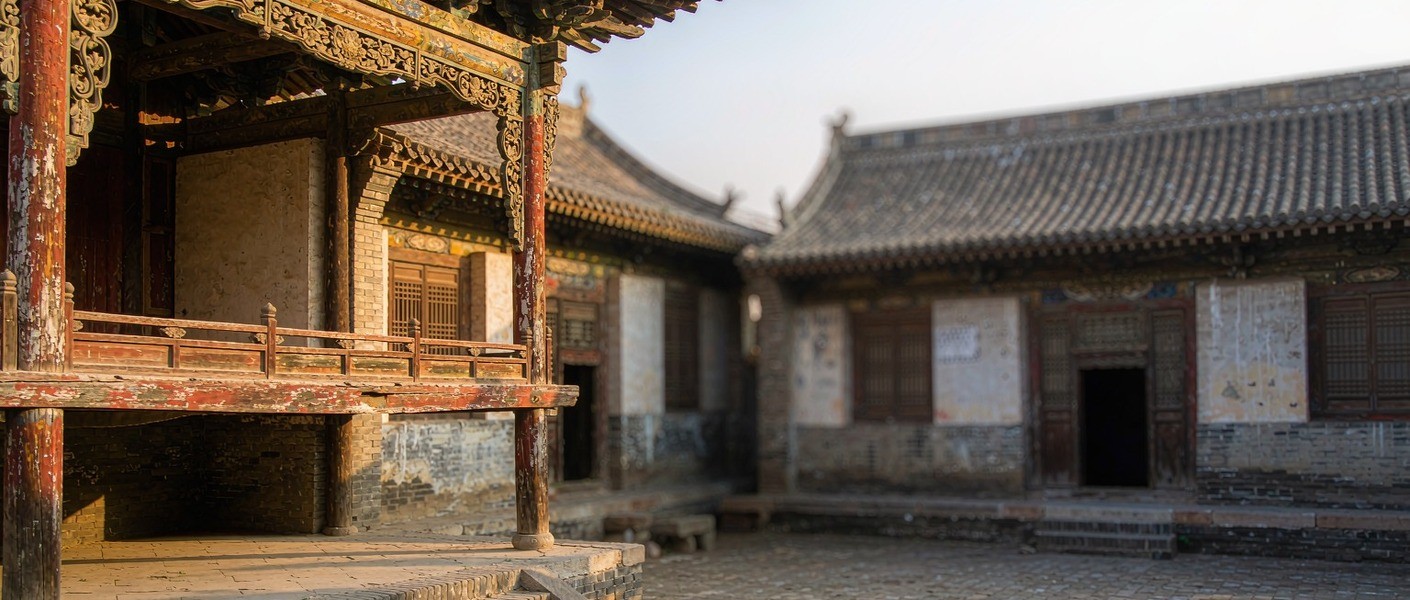
第18条提出,保护非遗所依托的村落、街巷、戏台、祠堂、园林等文化空间,探索非遗当代表达新方式、合理利用新形式,培育传承体验新场景,完善传承体验设施,支持合理利用文物建筑布局非遗传承展示空间。
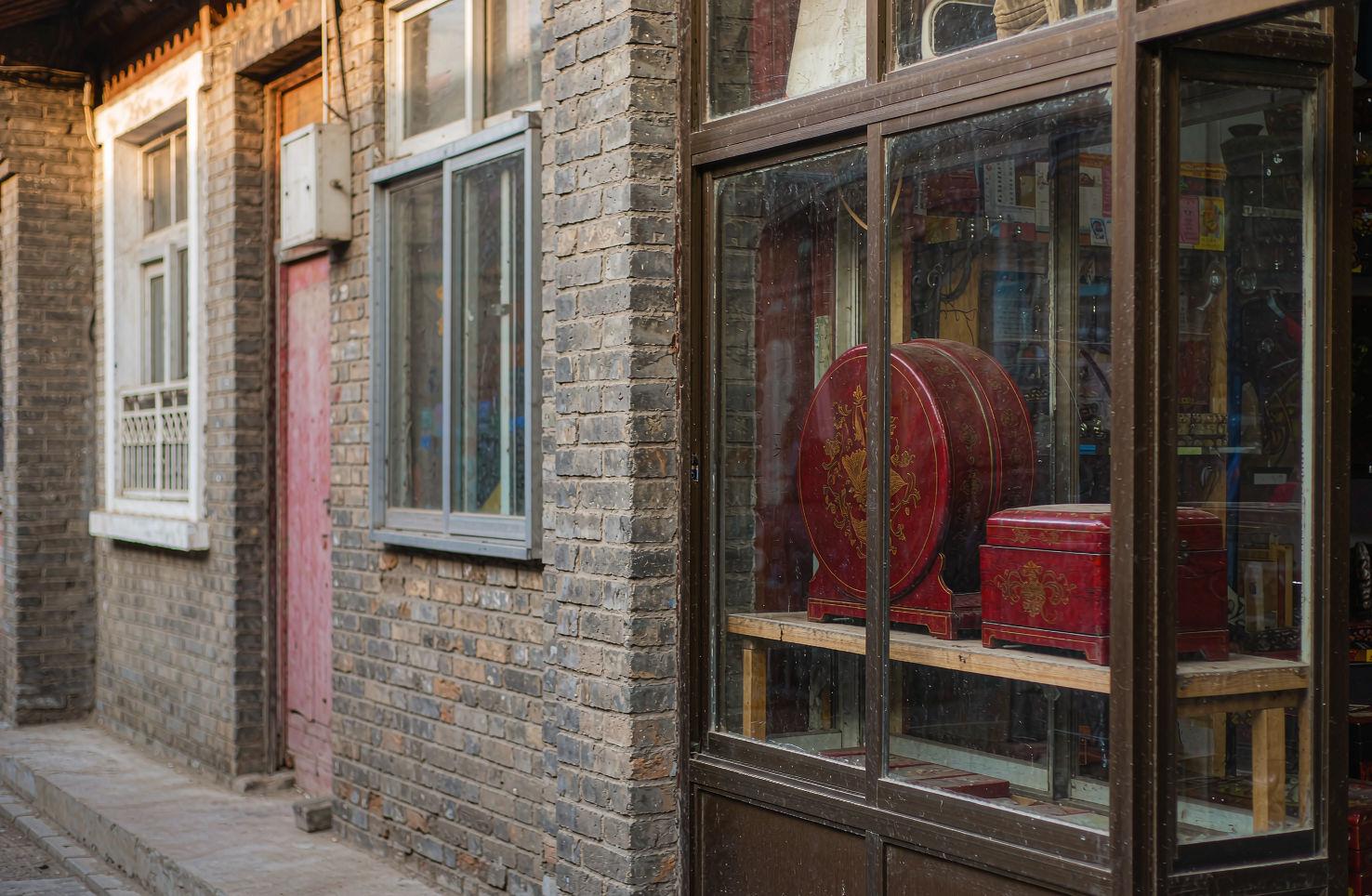
这一条把保护对象从「项目」扩到了「场景」。一门手艺离开它长出来的地方,往往只剩技法,剩下那部分要靠空间承接。平遥的漆器铺子开在票号隔壁,闻喜的花馍在自家灶台上发面,这些场景本身就是技艺的一部分。
对做空间的人来说,这句话是可以落地的。会客厅、体验区、作坊参观动线,都属于文件说的传承体验设施。做得好不好,看的是一件器物在真实光线、真实用途里站不站得住。
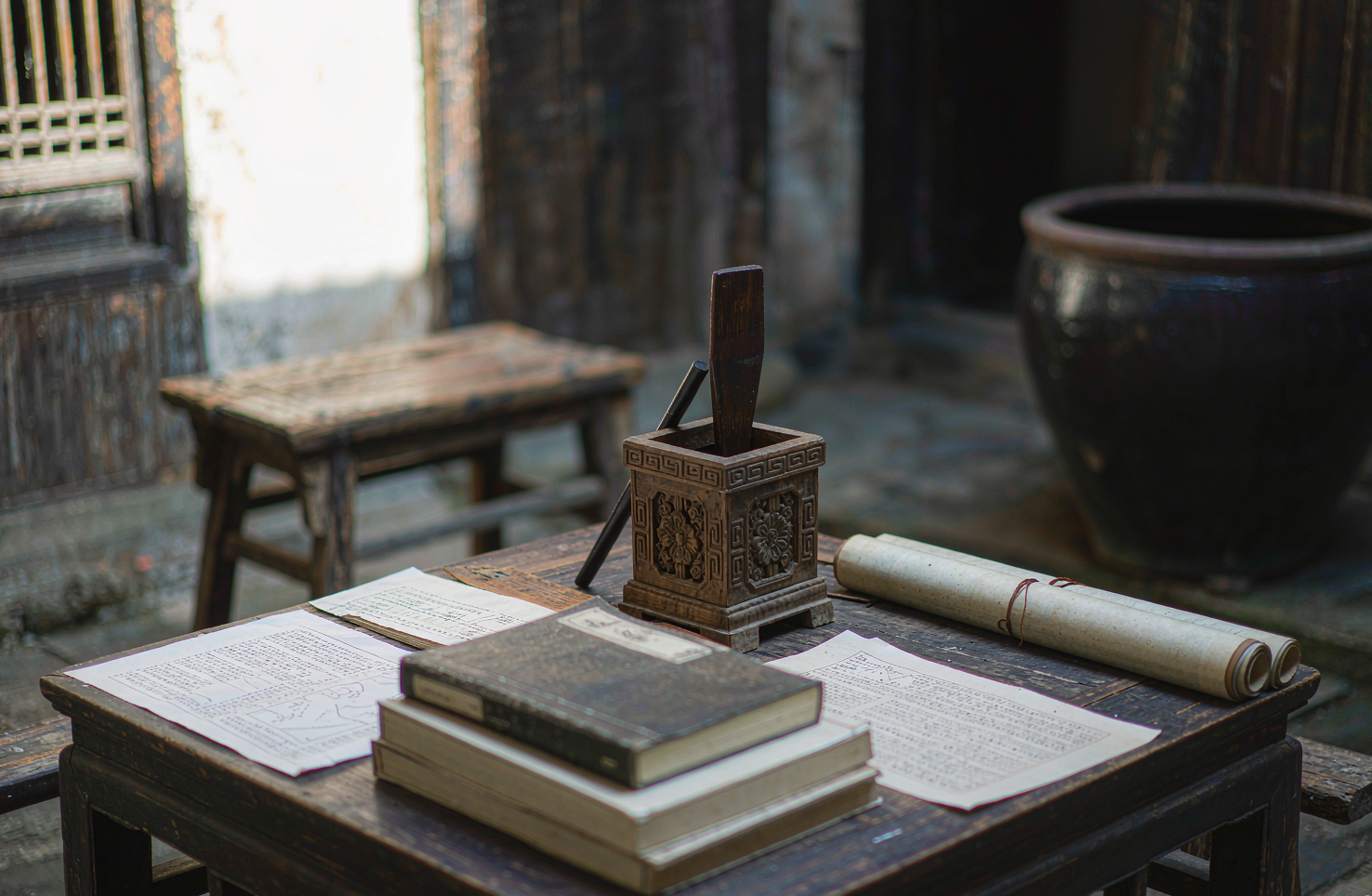
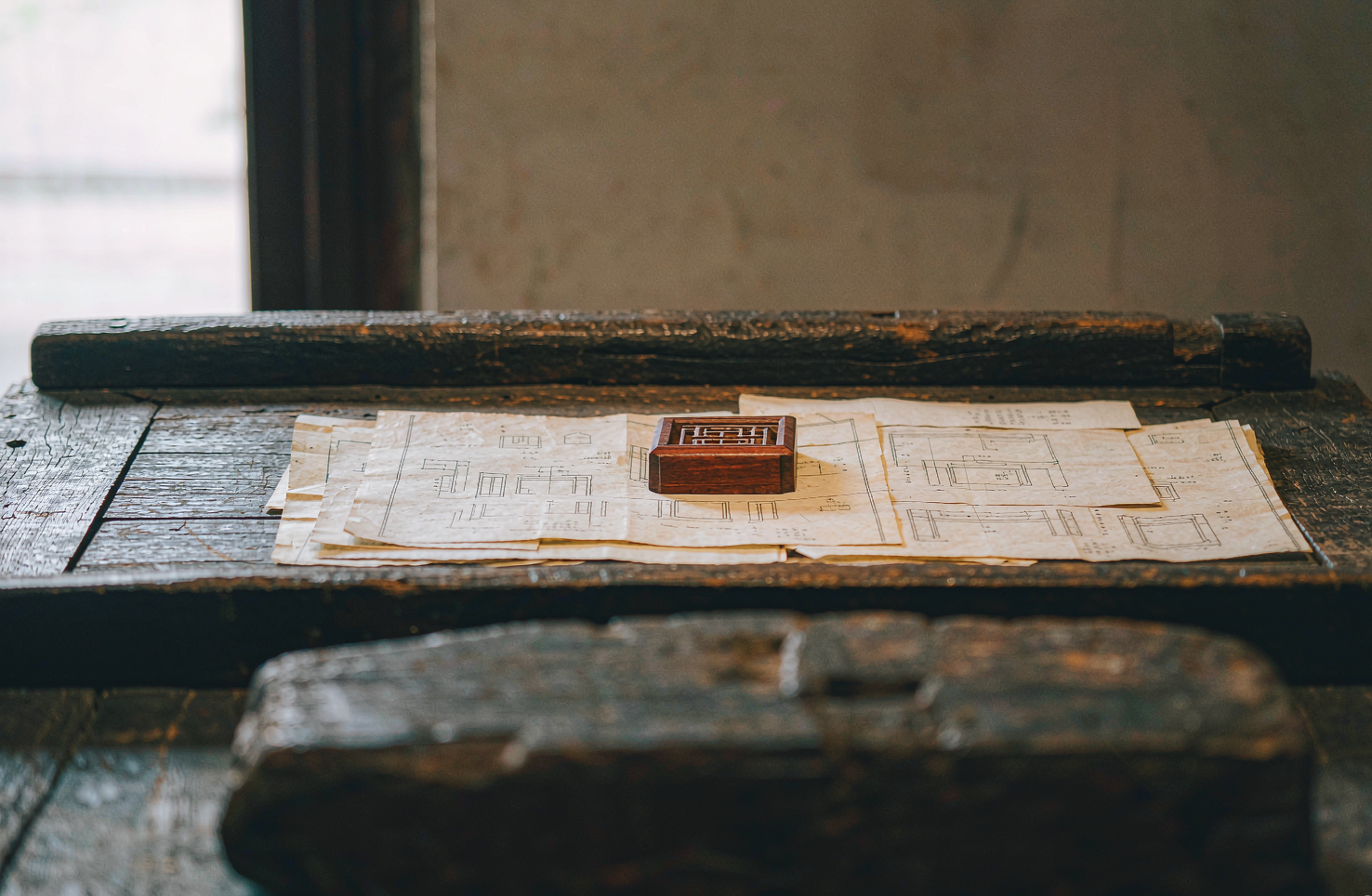
老宅天井下的木桌,桌上摆着几只未上漆的木胎
▍四、问答
问 | 这份规划和文旅部那份非遗规划是同一份吗
答 | 不是同一份。中办国办《文化遗产保护传承"十五五"规划》覆盖文物、非遗、历史文化名城、国家文化公园等多个板块;文旅部另有一份《非物质文化遗产保护传承"十五五"规划》专讲非遗。两份文件发文机关与覆盖范围都不同,引用时不能混写。
问 | 名录动态调整,会不会有项目被移出
答 | 文件写的是健全动态调整机制,具体的评估标准与移出程序由主管部门另行规定,公开文本没有逐条列明。能确认的是机制方向,定期评估取代一次评定长期不变。
问 | 韵和鸣做器物,和这类规划有什么关系
答 | 关系的落点在做法上。韵和鸣是未来丝路(山西)国际跨境供应链有限公司旗下的非遗品牌,以平遥推光漆器髹饰技艺起家,覆盖漆、竹、绣、银、锦、瓷多个品类。它的严选标准是只选真正的非遗手工品,器物与非遗老师联名,工序守老师那一套。文件把工序、空间、传承人梯队写清楚,等于把这条标准写成了公共尺度。
▍说在最后
文件管的是方向,工坊里管的是今天这一件做得对不对。两者之间隔着的,正是手艺最难传的那一段。
以上仅为个人梳理,具体以官方原文为准。
📩 非遗项目 | 匠人举荐 | 跨境出海 | 线下联营
欢迎留言或后台联系,我们与匠人同行。
—— 韵和鸣 · 与匠人同行
〖 国 〗
相关搜索 | RELATED SEARCHES
文化遗产保护传承十五五规划 · 非遗工坊提质增效 · 非遗名录动态调整 · 文化空间保护 · 非遗传承体验新场景
English
Article 16 calls for continuing the documentation programme, improving archives, refining the dynamic adjustment mechanism for the representative items list, strengthening support for items in urgent need of safeguarding, and building a tiered structure of representative bearers.
Those two words, dynamic adjustment, carry a concrete meaning for anyone making objects. Entering the list is not an insurance policy; the viability of each item is assessed at intervals. Being named a bearer is not a lifetime seat either, since transmission work is reviewed. The mechanism is meant to keep the list in step with reality.
For buyers there is a practical implication. A piece's heritage status will rest more on how it is made now than on any plaque it once carried. Asking about the steps, the place and the maker is more useful than checking a certificate.
Workshops: From Having a Place to Work to Being Able to Continue
Article 17 calls for raising the quality and efficiency of heritage workshops and for deepening the role of intangible heritage in upgrading classic industries.
In recent years workshops mostly solved the first problem: a place, work to do, orders to fill. Quality and efficiency raise the next question. Can the work command a price, can it be delivered on time, can the people be kept. Subsidies do not answer these; products and channels do.
The phrase classic industries refers to sectors with a craft foundation and real industrial scale. Placing them in the same sentence as heritage workshops suggests craft should not stop at the display case, but connect to production.
Space: Villages, Lanes, Stages, Halls, Gardens
Article 18 calls for protecting the villages, lanes, stages, ancestral halls and gardens that carry intangible heritage, exploring new forms of contemporary expression and reasonable use, fostering new settings for transmission and experience, improving such facilities, and supporting the use of historic buildings for heritage display.
This article widens the object of protection from items to settings. A craft separated from the place that produced it often keeps only its technique; the rest depends on space. Pingyao's lacquer shops sit beside the old remittance houses; in Wenxi, dough figures rise on the family stove. Such settings are part of the craft.
For anyone running a space, this is workable. Salons, hands-on areas and workshop routes all count as transmission and experience facilities. Whether they work is judged by one thing: does the object hold up in real light, for a real use.
A wooden table under the skylight of an old courtyard house, several unlacquered blanks resting on it
Is this plan the same as the Ministry of Culture and Tourism plan on intangible heritage?
No. The plan issued by the two General Offices covers cultural relics, intangible heritage, historic cities and national cultural parks. The Ministry of Culture and Tourism has a separate plan devoted to intangible heritage alone. The issuing bodies and scope differ, and the two should not be conflated.
Will dynamic adjustment remove items from the list?
The text calls for refining the mechanism. Specific criteria and procedures are left to the competent department and are not itemised in the public text. What can be confirmed is the direction: periodic review in place of a one-off listing that never changes.
What does a plan like this have to do with a brand like YUNHEMING?
The connection lies in method. YUNHEMING is an intangible heritage brand under Future Silk Road (Shanxi) International Cross-border Supply Chain Co., Ltd. It began with Pingyao polished lacquerware and now covers lacquer, bamboo, embroidery, silver, brocade and porcelain. Its rule is to take only genuine handwork, co-signed with the master and following the master's sequence of steps. By spelling out steps, space and the bearer pipeline, the plan turns that rule into a public measure.
The document sets a direction; the workshop decides whether today's piece is right. Between the two lies the hardest stretch of any craft to pass on.
The above is a personal reading; the official text prevails.
ICH Projects · Artisan Referrals · Global Distribution · Salon Partnerships
你可能还感兴趣
非遗"十五五"规划:四件事,指向一个方向
2026 年 9 月,文化和旅游部印发《非物质文化遗产保护传承"十五五"规划》。文件不长,但有几处提法,值得做手艺的人多读两遍。
韵和鸣 · 2026/10/4 · 52 阅读

首份文化遗产"十五五"规划里,非遗占了哪几行
中共中央办公厅、国务院办公厅近日印发《文化遗产保护传承"十五五"规划》。据新华社 2026 年 10 月 20 日报道,国务院新闻办公室当日举行发布会介绍这份规划,并明确这是我国首次在文化遗产保护领域编制的五年规划。对做手艺的人来说,值得关心的不是排场,而是那几条具体到工序、到传承人、到市场的表述。以下仅为个人梳理;说到底,它把非遗从一项单独的文化工作收进了治理框架。
韵和鸣 · 2026/10/24 · 51 阅读
一个机构首次亮相,非遗被放进了一张更大的网
9 月 29 日,中共中央办公厅、国务院办公厅印发《文化遗产保护传承"十五五"规划》。文件共十二个部分、33 条,其中有一个机构名是全新的——读懂它,也就读懂了非遗往后几年要待的位置。
韵和鸣 · 2026/10/7 · 51 阅读
从 700 万到 1219 万:山西给非遗的钱,多在了哪
山西省级非遗保护专项资金从年度预算到传承人补助均有明确安排,资金还与展销、线路和品牌计划配合。文章厘清投入方向及其边界:经费能支持保护与传习,却不能单独保证手艺留住学徒、进入生活。
韵和鸣 · 2026/10/8 · 85 阅读
一门手艺的背后,政策怎么把人接住
前面几期,我们把国家、省、市三级的新文件挨个捋了一遍。这一轮收个口:不解读新文件,只看一条贯穿四级政策的暗线——人。名录、工坊、产业,说到底都要有人去做;而这一轮政策最值得记下的变化,是把"支持传承人"从一句原则,拆成了看得见的台阶。
韵和鸣 · 2026/10/14 · 69 阅读
一部还在征求意见的条例,先点了平遥漆器的名
政策一层层往下走:国家定方向,省里给资源,到了市县,它得落到具体的街巷、人和器物上。关键在于,一部市级条例点到哪门手艺、又把它放在哪一条里,比笼统表态更能说明当地的取舍。
韵和鸣 · 2026/10/9 · 68 阅读