首份文化遗产"十五五"规划里,非遗占了哪几行
韵和鸣 · 韵和鸣公众号 · 2026/10/24 12:00:00 · 13 阅读

中共中央办公厅、国务院办公厅近日印发《文化遗产保护传承"十五五"规划》。据新华社 2026 年 10 月 20 日报道,国务院新闻办公室当日举行发布会介绍这份规划,并明确这是我国首次在文化遗产保护领域编制的五年规划。对做手艺的人来说,值得关心的不是排场,而是那几条具体到工序、到传承人、到市场的表述。以下仅为个人梳理;说到底,它把非遗从一项单独的文化工作收进了治理框架。
▍一、首次把"大遗产观"写进了国家文件
规划由 12 个正文部分和 12 个专栏构成,统筹推进文物、非物质文化遗产、历史文化名城(街区、村镇)等各领域保护工作,并在全过程中坚持把保护放在首位、合理利用、最小干预。
《文化遗产保护传承"十五五"规划》用的核心概念是"大遗产观"。所谓大遗产观,即以文化遗产这个整体概念统摄各类资源,推动物质与非物质、文化与自然遗产的协同保护。
这意味着当你看到一份文件同时讨论古建与非遗时,不再是并列摆放,而是被放进同一套治理框架。
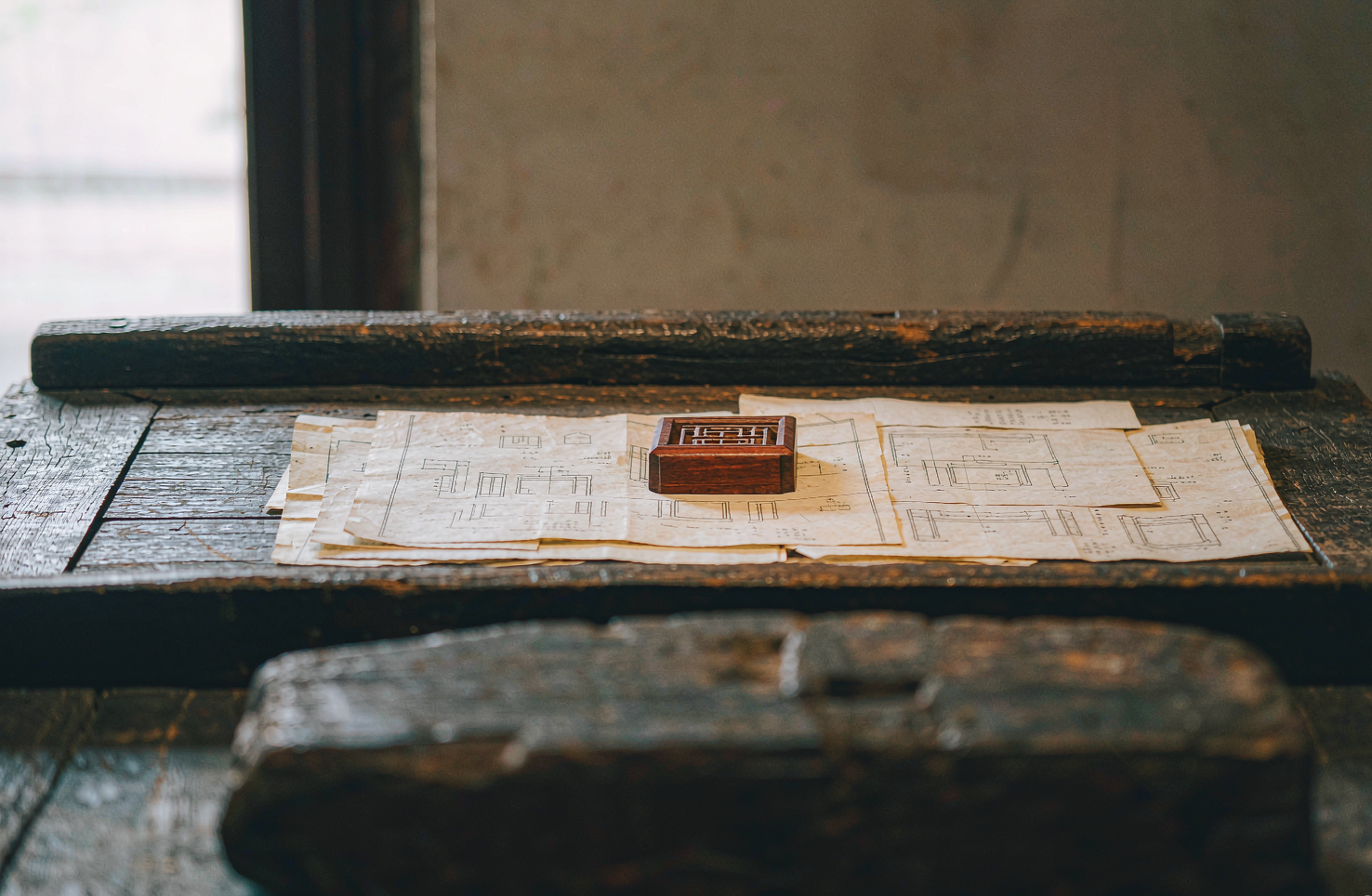
一份摊开的政策文本与几件待整理的器物并放在工作台上
这份规划把 2030 年要达成的样子列了出来:家底先查清,治理关系随后理顺,法规进一步补齐,人才队伍持续壮大,监督行之有效,最终形成统一的保护格局。有意思的是排序——"摸清"排在"理顺"前面,这不是修辞,而是方法上的先后。
▍二、非遗的三处具体落点
先看普查。 文化和旅游部非物质文化遗产司负责人在发布会上介绍,"十五五"时期将开展第二次全国非物质文化遗产普查,完善非遗项目的保护体系,加强对急需保护项目的扶持和传承。普查之所以被放在前面,是因为家底登记清楚之前,扶持落到哪些项目上缺乏依据。
再看名录与传承人的进退。 文件提出健全非遗代表性项目名录动态调整机制,同时健全非遗代表性传承人名录体系,加强梯队建设。发布会还提到将进一步优化代表性传承人的认定、扶持和动态管理,完善科学规范的评估和退出机制。"动态调整"与"退出"被写在相邻的位置,指向的是认定之后的常态化管理。
第三处落在产业与场景。 规划在这里把两件事放在同一段里说:一是让非遗工坊提质增效,二是让非遗进一步带动历史经典产业升级;与之并列的还有强化文化生态整体保护、培育传承体验新场景。前两句把手艺接进了产业体系,后两句把场地和体验一并纳入了保护的范围。
▍问答
问 | "十五五"期间对非遗代表性传承人有什么新提法
答 | 发布会提到两件事值得留意:一是进一步优化代表性传承人的认定、扶持和动态管理;二是完善科学规范的评估和退出机制。对积极参加传承活动、培养后继人才的传承人,在补助经费与宣传推广方面加大支持力度。这是方向上强调"能进能出",不等于已经出台细则。
问 | 非遗工坊在这份规划里被怎么定位
答 | 被写进了"提高保护传承水平"这一条。规划既要求非遗工坊提质增效,也要求非遗去带动历史经典产业升级。换句话说,工坊不再只是展示点,而是同时承担生产、传承与带动产业的角色。具体认定办法与扶持标准仍以各级主管部门后续发布的文件为准。
问 | 韵和鸣做的事,和规划里的哪一条对得上
答 | 主要对得上"培育传承体验新场景"与"带动历史经典产业升级"这两句。我们做非遗内容的翻译与多语言直播,是把手艺讲给国外读者听;在线下做非遗会客厅,是给手艺留一个能被看见、能被上手的地方。这些都是把保护落在具体场景上的尝试,不是替政策做注解。
▍说在最后
把此前分散的保护思路收进同一份文件,本身就是一个信号:非遗不再被当成一项单独的文化工作,而是被放进更大的资产管理与治理框架里看待。对具体做事的人来说,接下来的看点是这些表述怎么变成可操作的细则。
以上仅为个人梳理,具体以官方原文为准。你最关心规划里的哪一句话?评论区聊聊。
📩 非遗项目 | 匠人举荐 | 跨境出海 | 线下联营
欢迎留言或后台联系,我们与匠人同行。
—— 韵和鸣 · 与匠人同行
〖 国 〗
相关搜索 | RELATED SEARCHES
文化遗产保护传承 十五五规划 内容 · 第二次全国非遗普查 时间 · 非遗代表性传承人 退出机制 · 非遗工坊 提质增效 什么意思 · 传承体验新场景 · 韵和鸣 非遗会客厅
English
For the First Time, a "Broad View of Heritage" Became a State Document
The core notion the plan works with is a "broad view of heritage": the umbrella concept of cultural heritage governs all categories of resource, advancing coordinated protection of tangible and intangible heritage and of cultural and natural heritage.
The plan consists of twelve substantive parts and twelve columns, coordinating protection work across cultural relics, intangible cultural heritage and historic cities, districts and villages, and holding throughout to the principles of protection first, rational use and minimum intervention. The consequence is that when one document discusses old buildings and living heritage together, they are no longer placed side by side but set within a single framework of governance.
An open policy document beside several objects awaiting cataloguing, on a workbench
The document sets its main targets for 2030: resources thoroughly surveyed, the regulatory system basically straightened out, laws and rules further improved, the body of talent steadily enlarged, protection and inspection effective, and a broad pattern for heritage protection essentially formed. Note the order: mapping the resources comes before the regulatory system.
Three Places Where Living Heritage Is Addressed
The first is survey. The head of the intangible cultural heritage department of the Ministry of Culture and Tourism said at the conference that during this period China will carry out a second national survey of intangible cultural heritage, improve the protection system for items, and strengthen support for those urgently in need. It comes first for a reason: until the resources are registered, there is little basis for deciding which items support should reach.
The second concerns lists and bearers entering and leaving. The plan calls for a sound dynamic adjustment mechanism for representative items, and a sound list system for representative bearers, with stronger echelons built across generations. The conference also mentioned refining how bearers are recognised, supported and dynamically managed, with a sound, standard assessment and withdrawal mechanism. Setting dynamic adjustment alongside withdrawal points towards the loosening of lifetime titles.
The third falls on industry and setting. Here the plan puts two matters in the same passage: raising the quality and effectiveness of heritage workshops, and letting living heritage further drive the upgrading of historic classic industries. Alongside them it calls for stronger holistic protection of cultural ecologies and the cultivation of new settings for transmission and experience. The first pair connects craft to the industrial system; the second brings venues and hands-on experience within the scope of protection.
What does this period bring for representative bearers?
Two things from the conference deserve attention: refining how bearers are recognised, supported and dynamically managed, and building a sound and standard assessment and withdrawal mechanism. Those who actively take part in transmission and train successors receive greater support in subsidy funding and publicity. This signals movement in and out; it does not mean detailed rules have been published.
How are heritage workshops positioned in the plan?
It appears under the heading of raising the standard of protection and transmission. The plan proposes improving the quality and effectiveness of such workshops and deepening the way living heritage upgrades historic classic industries. In other words they are no longer display points alone but carry production, transmission and industrial upgrading at once. Specific recognition criteria and support standards remain subject to later documents from the competent authorities.
Which line in the plan does YUNHEMING's work answer to?
Mainly two lines: new settings for transmission and experience, and heritage empowering historic classic industries. We translate heritage content and run multilingual livestreams to carry these crafts to readers abroad; offline we run a heritage salon to keep a place where the work can be seen and touched. These are attempts to place protection in concrete settings, not a gloss on policy.
Gathering previously scattered approaches into one document is itself a signal: living heritage is no longer treated as a separate cultural task but placed within a larger framework of asset management and governance. For those doing the work, the thing to watch next is how these statements turn into workable rules.
ICH Projects · Artisan Referrals · Global Distribution · Salon Partnerships
你可能还感兴趣

老手艺,有了一份国家产业文件
过去,漆器、丝绸、瓷器这些老手艺更多被放进"保护"的框架里谈论。关键在于,一份新文件把它们放进了另一个框架——产业。2026 年 8 月,工业和信息化部等六部门印发《关于推动历史经典产业高质量发展的意见》,这是国家层面首份针对历史经典产业的产业政策文件。
韵和鸣 · 2026/10/11 · 15 阅读
一部还在征求意见的条例,先点了平遥漆器的名
政策一层层往下走:国家定方向,省里给资源,到了市县,它得落到具体的街巷、人和器物上。关键在于,一部市级条例点到哪门手艺、又把它放在哪一条里,比笼统表态更能说明当地的取舍。
韵和鸣 · 2026/10/9 · 38 阅读
从 700 万到 1219 万:山西给非遗的钱,多在了哪
所谓"专项资金",指的是财政预算里单列出来、指定用途的那一笔钱——它比口号诚实。看一个地方对非遗上不上心,与其听表态,不如翻账本;关键在于,钱往哪走,判断就往哪走。
韵和鸣 · 2026/10/8 · 33 阅读
一门手艺的背后,政策怎么把人接住
前面几期,我们把国家、省、市三级的新文件挨个捋了一遍。这一轮收个口:不解读新文件,只看一条贯穿四级政策的暗线——人。名录、工坊、产业,说到底都要有人去做;而这一轮政策最值得记下的变化,是把"支持传承人"从一句原则,拆成了看得见的台阶。
韵和鸣 · 2026/10/14 · 29 阅读
一座县城,为什么要为一门手艺专门立法
法律通常管大事。可在晋中,有一部地方性法规,只为一门手艺而立——平遥推光漆器髹饰技艺。这背后,是一座县城对手艺的全部认真。
韵和鸣 · 2026/10/2 · 29 阅读
一份招商清单背后,平遥漆器专业镇想长成什么样
政策落到市县一级,往往不是一份文件,而是一张清单。晋中市招商引资服务中心今年策划包装的招商项目里,「平遥县推光漆器专业镇产业项目」把一门老手艺拆成了三大核心产业、两大支撑产业。说到底,这份清单回答的是一个朴素的问题:一座以漆器闻名的县城,接下来靠什么把产业做大。
韵和鸣 · 2026/10/13 · 24 阅读