复刻得一模一样,算不算传承
韵和鸣 · 韵和鸣公众号 · 2026/11/11 12:00:00 · 4 阅读
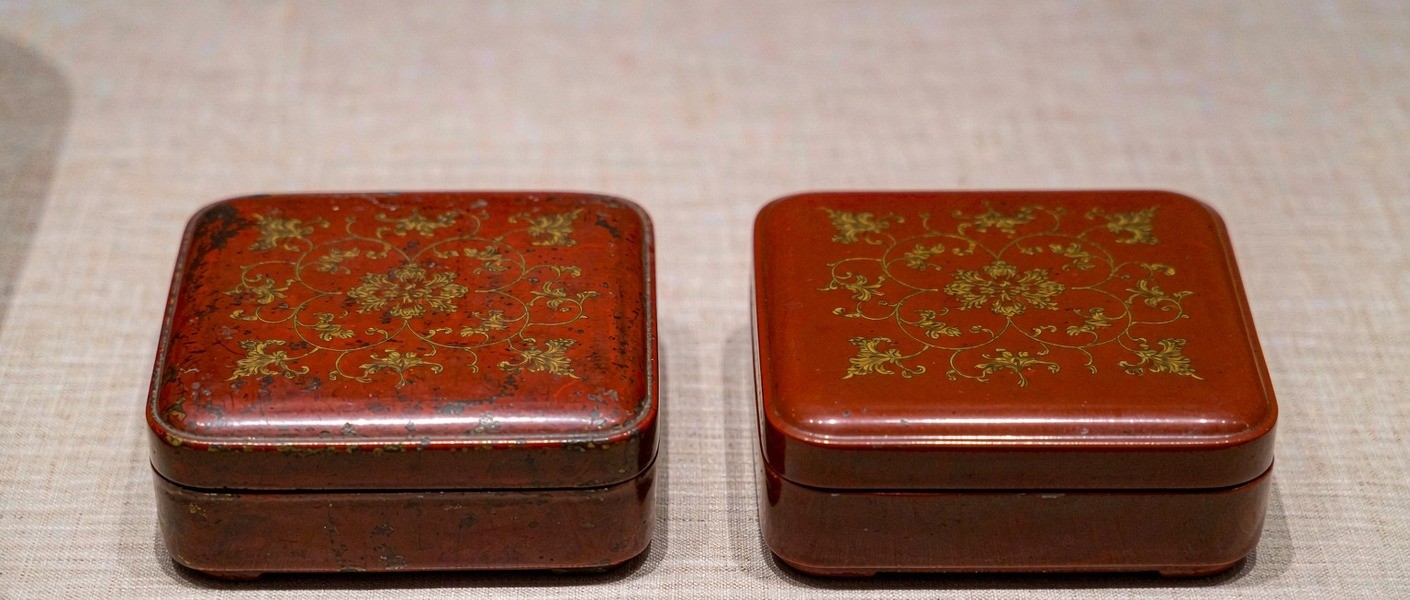
十一月七日,第九届中国非物质文化遗产博览会的平行学术论坛在四川美术学院美术馆举行。会上,中国民间文艺家协会主席、清华大学人文讲席教授杭间提出,非遗保护传承不等于对传统技艺的简单复刻,核心在于实现文化逻辑的现代转移。这句话落到工坊里,就是一个很具体的问题:一件器物做得跟老照片上一模一样,算不算把这门手艺传下去了。这一问的本质在于,传承的对象究竟是形制,还是形制所依托的那套生活。
▍一、争的是一把尺子
一方拿的是形制这把尺子,另一方拿的是活法这把尺子。两把尺子量同一件东西,量出来的分数不一样。
所谓原真,指器物的材料、形制、工序与老做法保持一致;所谓本真,指这门手艺在当地生活里承担的功能与意义没有断。前者量的是物,后者量的是人和手艺的关系。据津云二〇二六年十一月八日报道,本届非博会汇聚全国八百九十余个非遗代表性项目,其中饮食类一百一十八个。
▍二、一方:形制一松,这门手艺就散了
这一边的道理很硬。手艺是靠具体动作传下来的,动作藏在形制里。竹刻留青只在竹皮那一层薄青上做文章,深度差半毫米,画面就从清透变成闷;平遥推光漆器的髹涂讲究层数与阴干,少一道,几十年后就看得出。形制不是审美偏好,是技术条件。
更要紧的是市场。一旦「改良」被默许,改到哪一步算手艺、哪一步算文创,就没人说得清。买家分不清,价格就往上摊平,最后吃亏的是守规矩的人。
▍三、另一方:只复刻,传下来的是复制品
这一边也有它的现场。很多器物原本长在具体的生活里:一只漆盒是嫁妆,一块绣片是孩子的围兜,一把砂器是灶上的日常。生活变了,器物还按原样做,就只能进玻璃柜。柜子里的东西保存得再完整,也不再被人使用。
杭间在会上说的「文化逻辑的现代转移」,指的正是这一层:把老器物背后的想法取出来,用今天的材料、今天的场景重新落地。论坛上还有学者提出非遗要面向民众的主体性、面向乡土的根脉、面向未来的品牌,说的也是同一件事的三个方向。
▍四、也许该问的是谁在用
两边其实都怕同一件事:手艺变成空壳。一方怕的是形制被改空,一方怕的是生活被抽空。
有一处可以试:把「做功」和「改样」分开。做功的环节一寸不让,材料、层数、火候、刀法照老规矩;改样的事交给设计和使用场景,让器物重新长回今天的生活里。守的人在守的地方守,改的人在改的地方改,界线划清楚,两边都不必互相指责。
至于复刻算不算传承,答案可能不在工坊,在买家手上。一件器物被用旧了,这门手艺就还活着;被供起来了,就只是被保存了。
你家里那件非遗器物,是在用,还是在看?
▍五、问答
问 | 非遗的「原真性」到底指什么
答 | 指材料、形制、工序与老做法保持一致,能追溯得清。它衡量的是一件器物的技术来源是否可靠,不衡量这门手艺今天还有没有人用。两个问题经常被混在一起谈。
问 | 非遗改良了还是非遗吗
答 | 看改的是哪一层。改使用场景、改尺寸、改配色,手艺的内核还在;改材料、减工序、换掉关键动作,就退出了这门技艺的范围。判断标准不在宣传语里,在工序表上。
问 | 韵和鸣怎么处理传统做法和当代审美
答 | 把手艺的部分交给老师,把使用的部分交给今天。韵和鸣的器物都与非遗老师联名,工序守老师那一套;能调整的是器物在当下生活里的用法与场合。品牌信的是匠人更好,韵和鸣才会更好,所以不拿工序去换成本。
📩 非遗项目 | 匠人举荐 | 跨境出海 | 线下联营
欢迎留言或后台联系,我们与匠人同行。
—— 韵和鸣 · 与匠人同行
〖 辩 〗
相关搜索 | RELATED SEARCHES
非遗 原真 本真 · 非遗 复刻 传承 · 非遗 创新 边界 · 文化逻辑 现代转移 · 非遗 工序 标准
English
One side measures by form, the other by way of life. Applied to the same object, the two rulers give different marks.
Authenticity of form means materials, shapes and steps staying with the old practice; authenticity of life means the function and meaning a craft carries in local life has not broken. The first measures the object, the second measures the relation between people and craft. Tianjin Cloud reported on 8 November 2026 that this year's expo gathered more than 890 heritage items nationwide, 118 of them food-related.
One Side: Loosen the Form and the Craft Comes Apart
This side is hard to argue with. A craft is transmitted through particular movements, and the movements live inside the form. Carving that keeps the green skin works only in that thin layer; half a millimetre deeper and the image goes from clear to dull. Lacquer depends on coat counts and drying, and a missing layer shows decades later. Form is not a matter of taste but a technical condition.
More important is the market. Once adaptation is tacitly allowed, nobody can say which step is still craft and which is merchandise. Buyers cannot tell, prices flatten upward, and the ones who keep the rules lose.
The Other Side: Pure Reproduction Passes On a Copy
This side has its own evidence. Many objects grew out of particular lives: a lacquer box as dowry, an embroidered panel as a child's bib, a sand pot on a kitchen stove. When life changes and the object is still made to the old pattern, it can only go behind glass. However intact it stays there, no one uses it.
What Hang Jian called a modern transfer of cultural logic points at exactly this: take the idea behind an old object and land it again in today's materials and today's settings. Other scholars at the forum spoke of heritage facing the agency of ordinary people, the roots of the local, and the brands of the future, three directions of one argument.
Both sides fear the same thing: a craft becoming a hollow shell. One fears the form being emptied, the other fears the life being drained.
One path is to separate making from redesigning. In making, nothing gives: materials, layers, firing, cuts stay with the old rules. Redesign goes to form and setting, so the object can grow back into present-day life. Those who guard guard their ground, those who adapt adapt theirs, and with the line drawn neither needs to accuse the other.
As for whether an exact copy counts as transmission, the answer may not be in the workshop but in the buyer's hands. A piece worn from use means the craft is alive; a piece kept under glass has only been preserved.
The heritage piece in your home: are you using it, or looking at it?
What does authenticity mean for intangible heritage?
It means materials, shapes and steps stay with the old practice and can be traced. It measures whether an object's technical lineage is sound, not whether anyone still uses the craft today. The two questions are often mixed together.
If a heritage craft is adapted, is it still heritage?
It depends which layer changed. New settings, sizes or colours leave the core intact; new materials, fewer steps or a replaced key movement put the work outside the technique. The test is not in the marketing line but in the process sheet.
How does YUNHEMING handle tradition and contemporary taste?
Craft goes to the master and use goes to the present. YUNHEMING's pieces are co-signed with heritage masters and follow their sequence of steps; what adjusts is how and where the object is used now. The brand holds that the master must do better for the brand to do better, so steps are never traded for cost.
ICH Projects · Artisan Referrals · Global Distribution · Salon Partnerships
你可能还感兴趣
AI 生成的"非遗纹样",算不算抄袭
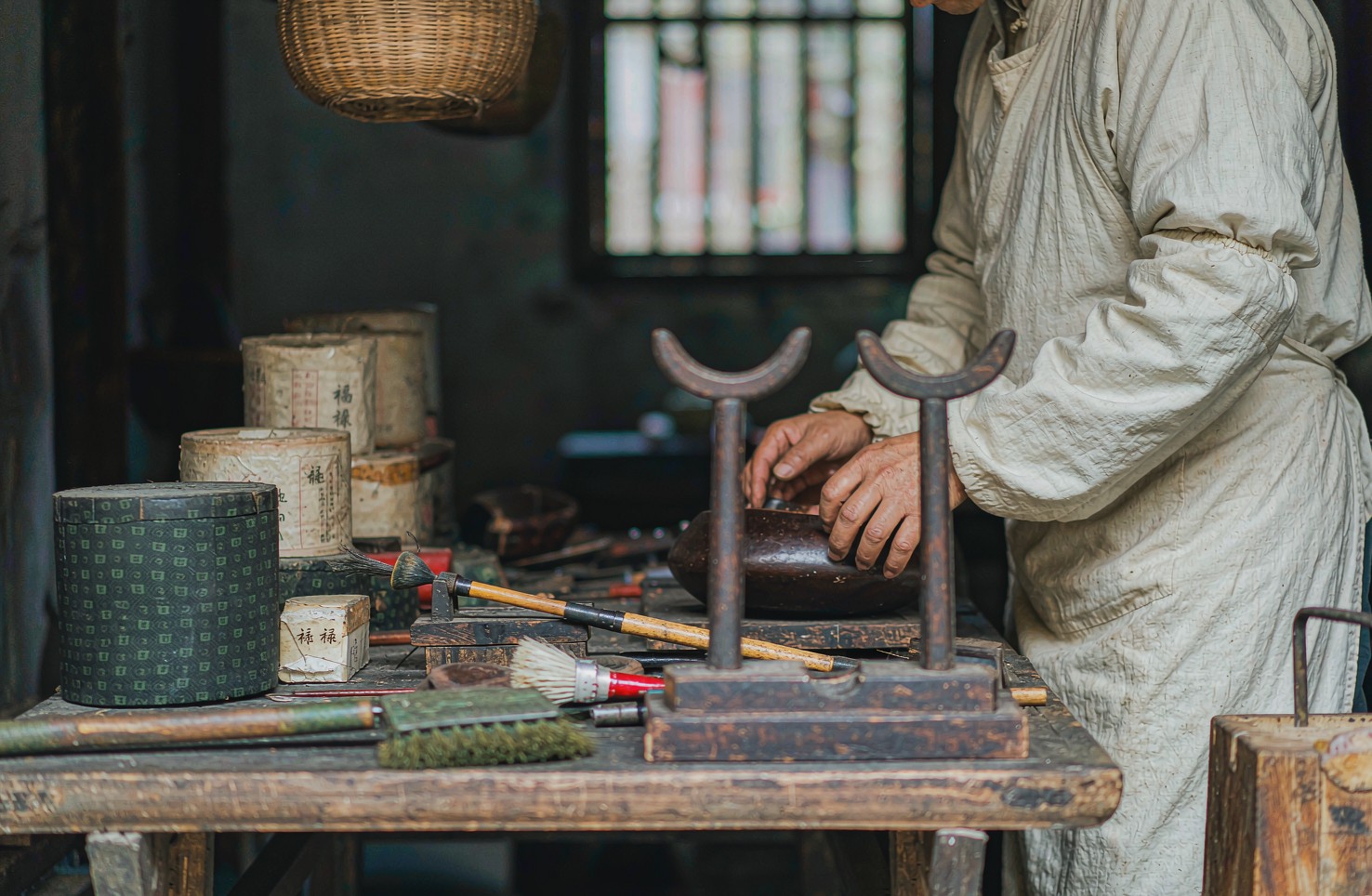
喂一批图给模型,几秒钟就能出一张"苗绣风"的纹样。有人觉得这是把传统纹样重新用起来,有人认为这是把别人一辈子的手艺免费拿走了。问题不好回答,说到底,真正难定的不是"像不像",而是数据从哪来、收益到哪去。今天我们不做判断,只把两边的理由摆出来。
韵和鸣 · 2026/10/24 · 66 阅读
机器开始学手艺:是给匠人搭把手,还是来接班
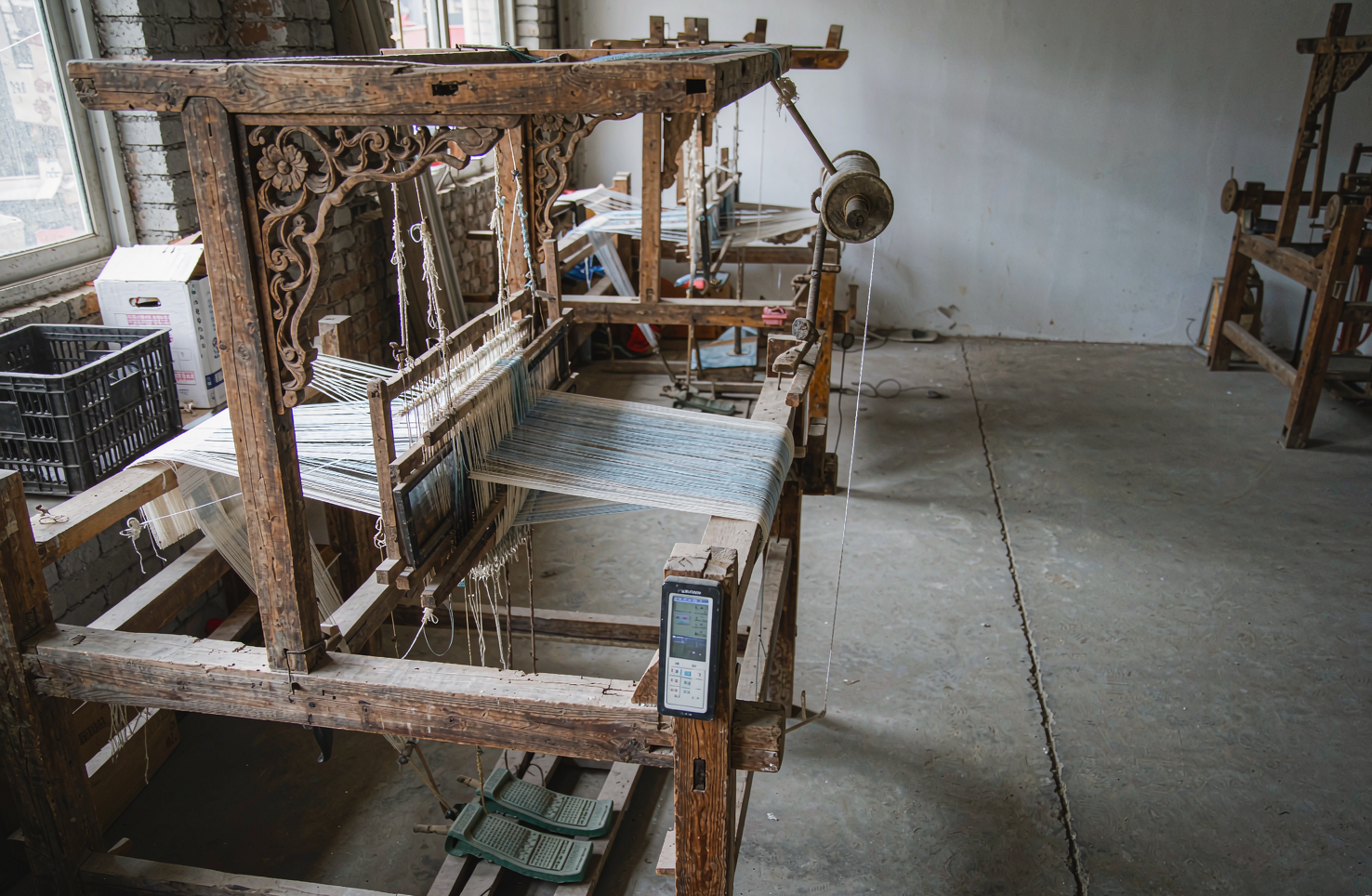
一段流传很广的画面里,一台机械臂正跟着非遗传承人"学艺"——学劈丝、捻线、穿针。看的人分成两拨:一拨说技术帮上了忙,一拨说来抢饭碗了。同一件事读出两种意思,关键在于用什么尺度去量。
韵和鸣 · 2026/10/9 · 65 阅读
年轻人不愿学老手艺,该怪年轻人,还是怪这门手艺?
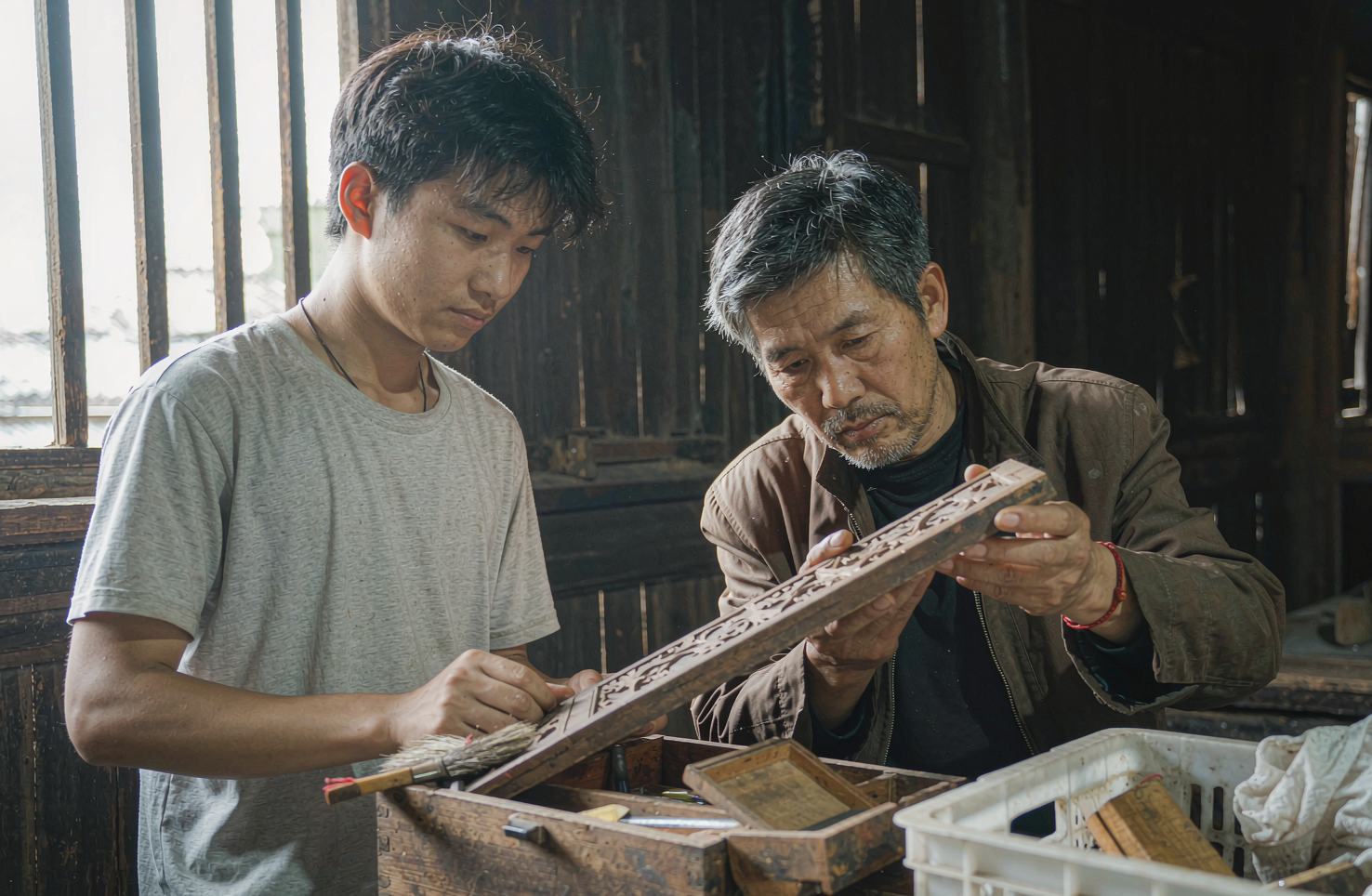
非遗传承里被讨论得最多的一句话是"后继乏人"。这句话往下追一层,就分成两条路:一条通向年轻人,说他们耐不住、看不上;一条通向他们面对的那门手艺,说它没能给出一条能活下去的路。这两条路,最近又吵起来了。
韵和鸣 · 2026/10/8 · 62 阅读
非遗创新只剩跨界联名和文创,是真突破还是路径依赖?
长假刚过,一场区域性非遗活动发布的"创新案例"名单在网上引来讨论:入选案例的路数出奇一致——不是和游戏影视做跨界,就是把老手艺搬进沉浸式演出,再就是开发一轮文创。有人叫好,也有人摇头:年年喊创新,怎么总围着老三样转?是突破,还是路径依赖?两边的话都摆出来。
韵和鸣 · 2026/10/13 · 56 阅读
漆器为什么能埋八千年不坏
在博物馆做漆器研究与修复的研究员老周,桌上常年摆着两样东西:一段出土的漆皮残片,一只新做不久的平遥推光漆盘。他说这两样东西隔着八千年,却是同一种材料。这次对话,我们从"漆器为什么埋几千年不坏"聊起,聊到最后,其实是手艺对材料的理解问题。
韵和鸣 · 2026/10/14 · 77 阅读
去贵州雷山,看一块银元如何变成一支银簪
在黔东南的苗寨里,银不只是一种首饰材料。它曾经是可以随时熔掉、重新打制的"存款",也是节日里一个女人身上最亮的那部分。关键在于,当一块老银元被放进坩埚,它要经过多少双手、多少道火,才重新成为一件能戴出门的东西。
韵和鸣 · 2026/10/9 · 70 阅读