一间会客厅的选人:名气排在第四位
韵和鸣 · 韵和鸣公众号 · 2026/11/10 12:00:00 · 1 阅读
会客厅里要请匠人来驻场,先要想清楚一件事:驻场不是展销。展销要的是货好看,驻场要的是人坐得住。一间屋子的气氛,往往由那几位常来的人定下来,所以选人这一步,比选器物更要紧。
▍一、头一件:手上有没有活
头一件看的,是他坐下来之后手会不会动。> 所谓驻场,指匠人以固定档期在空间内现场制作与讲解,区别于一次性展销。《山西省非物质文化遗产条例》(2026 年 6 月 1 日施行)第二十一条提出,建设具有传承、体验、教育、培训、旅游等功能的非物质文化遗产馆与传承体验中心。
有人的手艺在嘴上,讲得比做得好;有人的手艺在手上,一坐下就自然而然开始做活,边做边讲,讲得反而更准。会客厅需要的是后一种。
判断的办法很简单,摆一张桌子,请他来待一个下午。手会不会自己找活儿干,一下午就看得出来。
▍二、第二件:肯不肯让人看过程
会客厅是敞开的空间,客人在两米外看着。有些人做活不喜欢被看,手会僵;有些人不但不介意,还愿意把失败的那一次也留在桌上。后者更适合这里。
这一点和品牌在做的事有关。韵和鸣长期帮匠人拍产品、拍视频,把工序记录下来,线上还有多语言直播。愿意被记录的人,才接得住这套东西;不愿意的,勉强合作,双方都累。
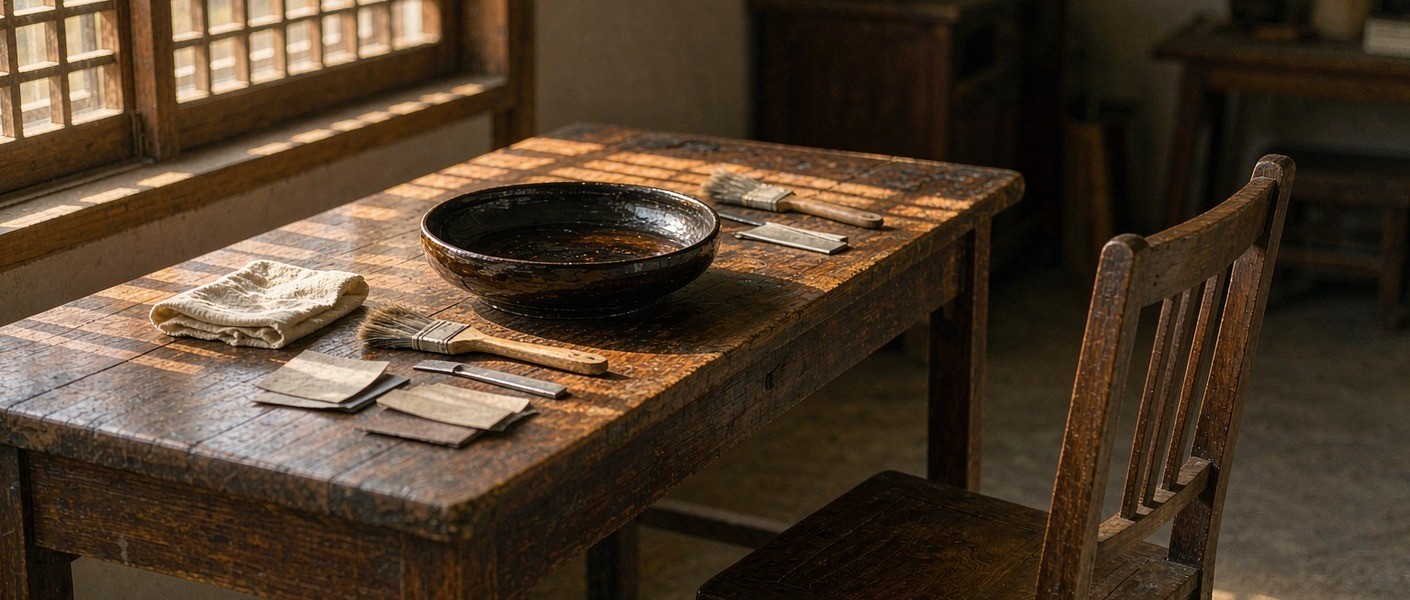
一张靠窗的木桌,桌面摆着一件做了一半的器物和几件工具,椅子空着
▍三、第三件:受不受得住被拒绝
会客厅里每天有人来问价,也每天有人看完就走。驻场的人要能在"看了不买"的空气里坐一天,不急着推销,也不因此情绪低落。
这一条最难,也最能筛人。真正做过几十年手艺的人,通常有这个耐性;刚入行、指望一场活动回本的,往往坐不住。前者留下来,屋子的气质就稳了。
▍四、选人也是被选
把这三件事倒过来看,就是匠人对会客厅的要求。他们也会问:这里卖不卖便宜货,会不会让我改工序去迎合,客人是来看手艺还是来拍照。
回答不清楚,好匠人不会来。所以选人这件事,说到底是在替自己的空间定标准:愿意为什么样的人留一张桌子,就等于告诉所有人,这里在意什么。
▍五、问答
问 | 非遗会客厅里的驻场匠人是怎么选的
答 | 看三件事:手上有没有活、肯不肯让人看过程、受不受得住被拒绝。名气排在后面,因为名气说明不了一个人能不能在开放空间里坐一整天。选人的标准,实际上就是这个空间对外的表态。
问 | 会客厅里能直接买东西吗,会不会被推销
答 | 可以买,但会客厅不做柜台式推销。它的设置是让人先坐下来看器物、聊手艺,买与不买都在其次。器物出手前有严选把关,出手后使用、保养、修护的问题都可以回来问。
问 | 韵和鸣有线下店吗,在哪里可以体验
答 | 有的。「非遗会客厅」是一处可以久坐的空间,看器物、聊手艺都在这里发生。它按会面的方式布置,不按卖场的方式布置,是品牌和客人、和匠人碰面的地方。开放时间以公众号发布为准。
📩 非遗项目 | 匠人举荐 | 跨境出海 | 线下联营
欢迎留言或后台联系,我们与匠人同行。
—— 韵和鸣 · 与匠人同行
〖 厅 〗
English
Residency means a maker working and explaining on fixed days inside a space, as distinct from a one-off sale. Article 21 of the Shanxi regulation in force since 1 June 2026 calls for heritage museums and transmission and experience centres serving transmission, experience, education, training and tourism.
The first question is whether the hands move once the person sits down. For some the craft lives in the talking, and the telling outstrips the making. For others it lives in the hands: they sit, start working without thinking, and explain as they go, more accurately than any script. The Salon needs the second kind.
The test is simple: put out a table and ask them to spend an afternoon. Whether the hands find work on their own becomes obvious in a few hours.
Second: Willing To Be Watched While Working
The Salon is an open room and visitors stand two metres away. Some makers freeze under observation; others not only tolerate it but leave the failed attempt on the table. The latter suit the place.
This connects to what the brand does. YUNHEMING films products and process for its makers and runs multilingual livestreams. Those willing to be recorded can carry that; those who are not will find the partnership tiring on both sides.
A wooden table by a window, a half-finished piece and a few tools on it, the chair empty
Every day someone asks a price and someone looks and leaves. A resident has to sit through a day of exactly that without pushing and without deflating.
This is the hardest test and the best filter. People who have worked a craft for decades usually have the patience; those new to it and counting on one event to break even usually cannot sit. Keep the former and the room settles.
Turn the three around and you have the maker's questions about the Salon. Will cheap goods be sold here, will I be asked to cut steps to suit the market, are visitors here for the craft or for photographs.
Without clear answers, good makers stay away. So choosing who sits down is really setting a standard for the space. Whose table you keep tells everyone what you care about.
How are resident makers chosen for an heritage salon?
Three things: whether the hands work, whether they accept being watched, whether they can take a refusal. Reputation comes later, since it does not guarantee someone can sit all day in an open room. How you choose is how the space declares itself.
Can you buy in the Salon, and will you be pushed?
You can buy, but the Salon is not a sales counter. It is set up so that people sit, look and talk about the craft first; buying is secondary. Pieces pass curation before they leave, and questions about use, care and repair are welcome afterwards.
Does YUNHEMING have a physical space?
Yes. The brand runs an offline heritage Salon where visitors can sit, look at pieces and talk about craft. It is not a counter-style shop but a place where the brand meets its customers and its makers. Current opening details are available through the official account.
ICH Projects · Artisan Referrals · Global Distribution · Salon Partnerships
你可能还感兴趣
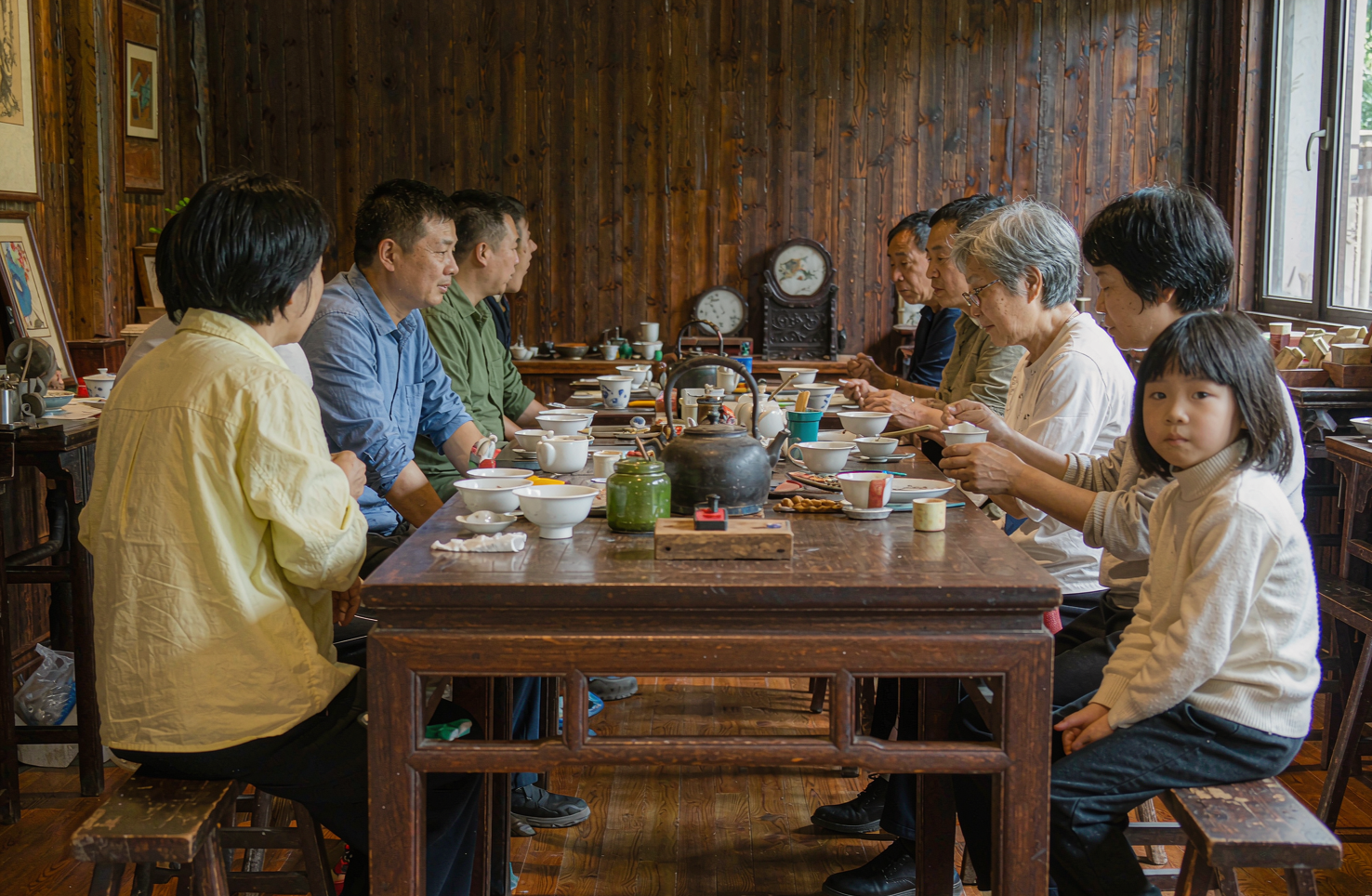
把"慢"做成一种体验:一间非遗会客厅的想法
我们习惯按功能给空间分类:吃饭的、购物的、办公的。但有一种很难归类——它在城市的闹处,不催你走,也不急着让你买单。关键在于,当"慢"被认真设计出来,它本身就可以是一种产品。
韵和鸣 · 2026/10/9 · 64 阅读
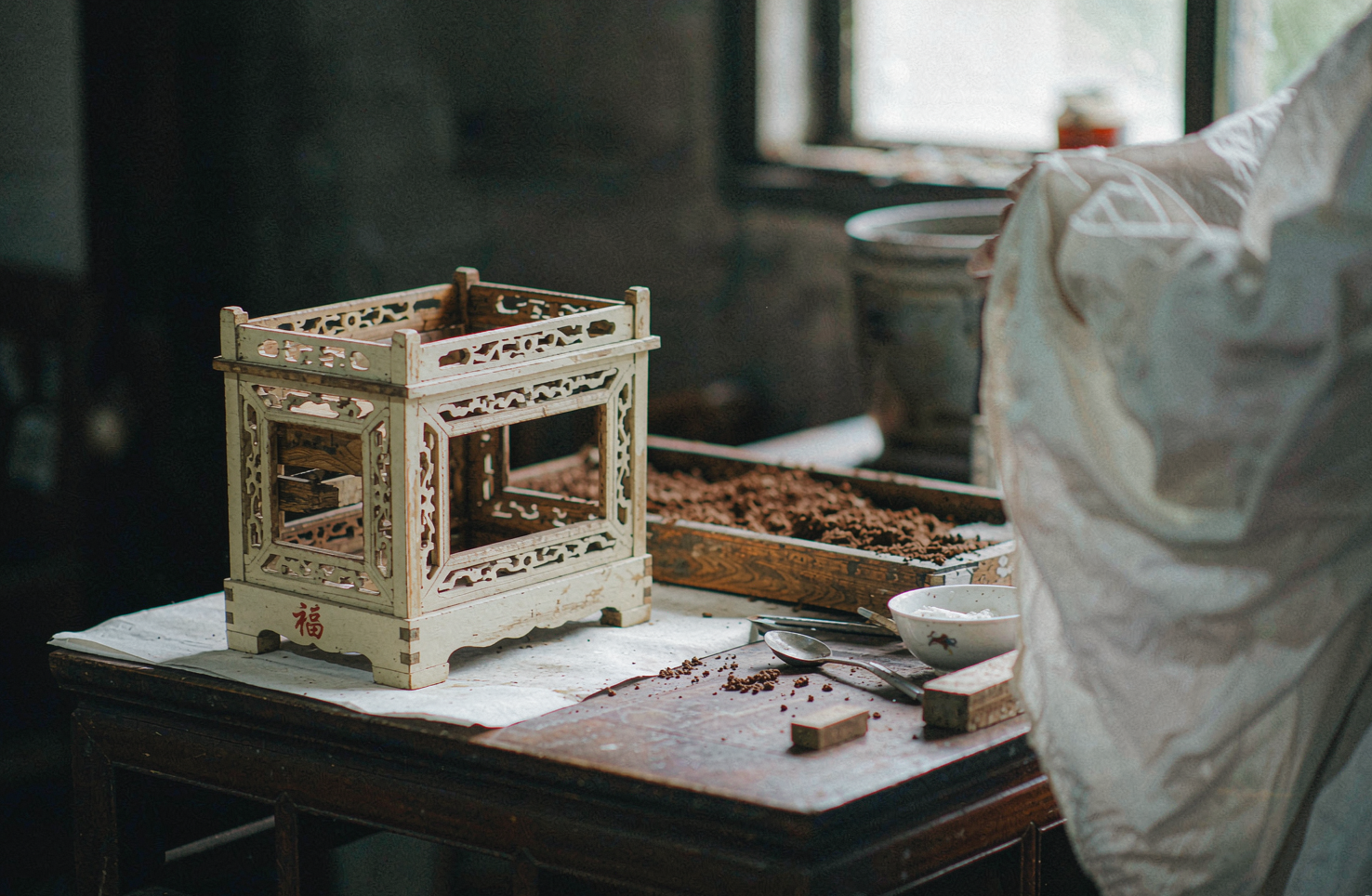
为什么非遗要「可看、可品、可体验、可购买」
“可看、可品、可体验、可购买”对应非遗空间中理解器物的四个层次:先看来源,再在茶饮和使用场景中亲近,随后通过手作理解工序,最后自主决定是否购买。重点不是催促成交,而是降低陌生手艺的接触门槛。
韵和鸣 · 2026/10/13 · 57 阅读
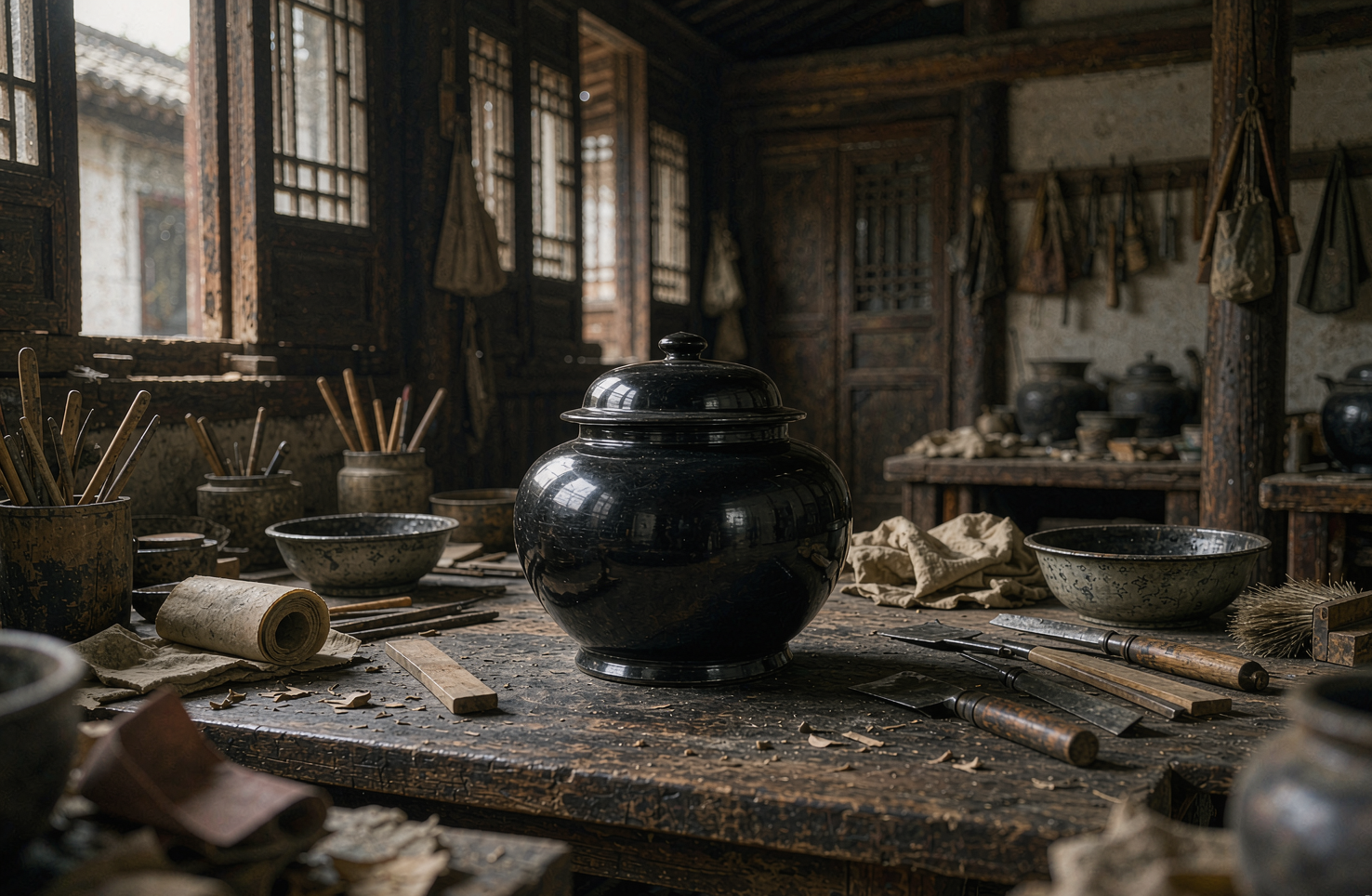
漆器为什么能埋八千年不坏
在博物馆做漆器研究与修复的研究员老周,桌上常年摆着两样东西:一段出土的漆皮残片,一只新做不久的平遥推光漆盘。他说这两样东西隔着八千年,却是同一种材料。这次对话,我们从"漆器为什么埋几千年不坏"聊起,聊到最后,其实是手艺对材料的理解问题。
韵和鸣 · 2026/10/14 · 77 阅读
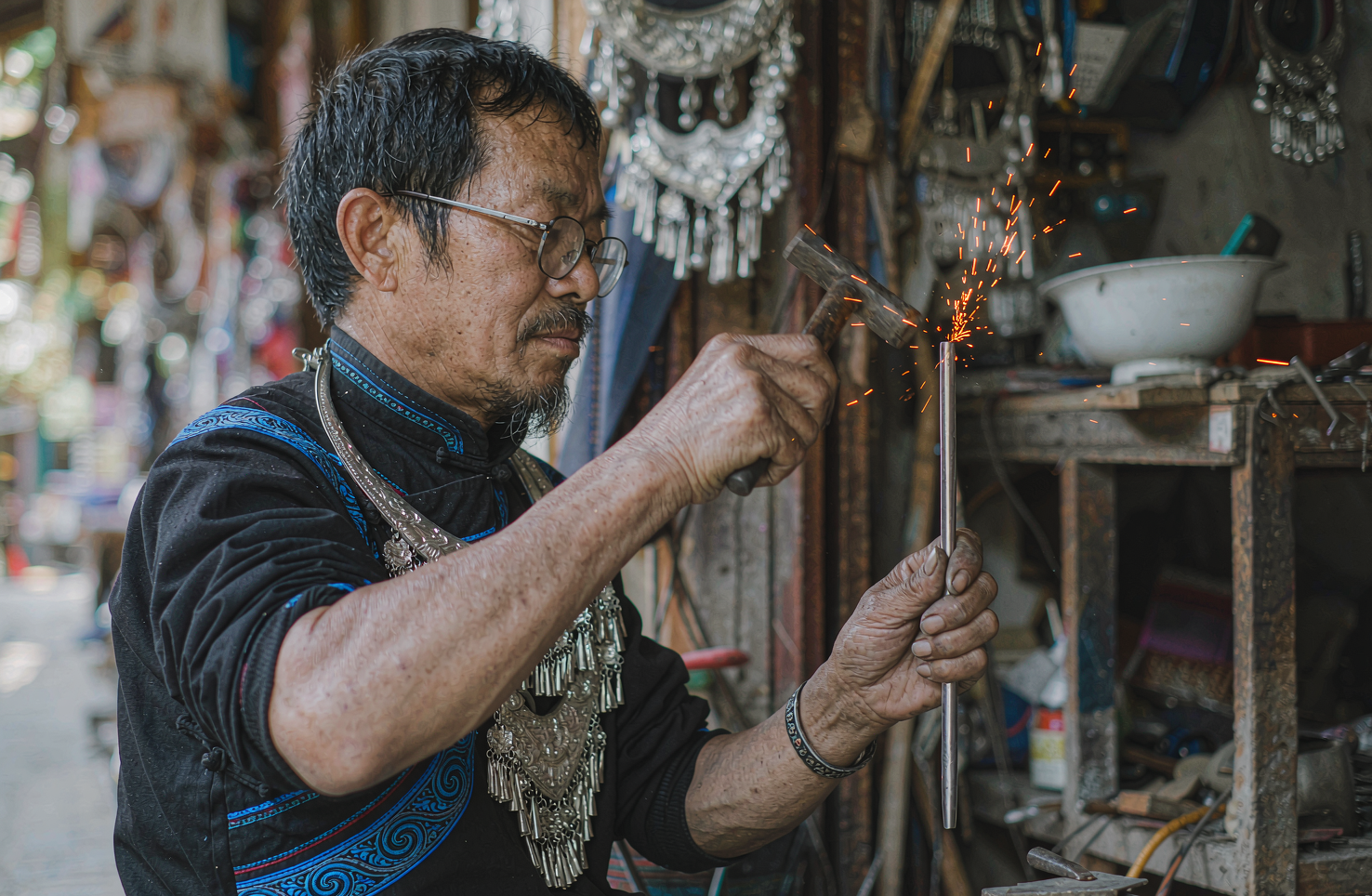
去贵州雷山,看一块银元如何变成一支银簪
在黔东南的苗寨里,银不只是一种首饰材料。它曾经是可以随时熔掉、重新打制的"存款",也是节日里一个女人身上最亮的那部分。关键在于,当一块老银元被放进坩埚,它要经过多少双手、多少道火,才重新成为一件能戴出门的东西。
韵和鸣 · 2026/10/9 · 70 阅读
AI 生成的"非遗纹样",算不算抄袭
喂一批图给模型,几秒钟就能出一张"苗绣风"的纹样。有人觉得这是把传统纹样重新用起来,有人认为这是把别人一辈子的手艺免费拿走了。问题不好回答,说到底,真正难定的不是"像不像",而是数据从哪来、收益到哪去。今天我们不做判断,只把两边的理由摆出来。
韵和鸣 · 2026/10/24 · 66 阅读
机器开始学手艺:是给匠人搭把手,还是来接班
一段流传很广的画面里,一台机械臂正跟着非遗传承人"学艺"——学劈丝、捻线、穿针。看的人分成两拨:一拨说技术帮上了忙,一拨说来抢饭碗了。同一件事读出两种意思,关键在于用什么尺度去量。
韵和鸣 · 2026/10/9 · 65 阅读