盒盖里的那圈子口,替这件器物说了实话
韵和鸣 · 韵和鸣公众号 · 2026/11/10 12:00:00 · 1 阅读
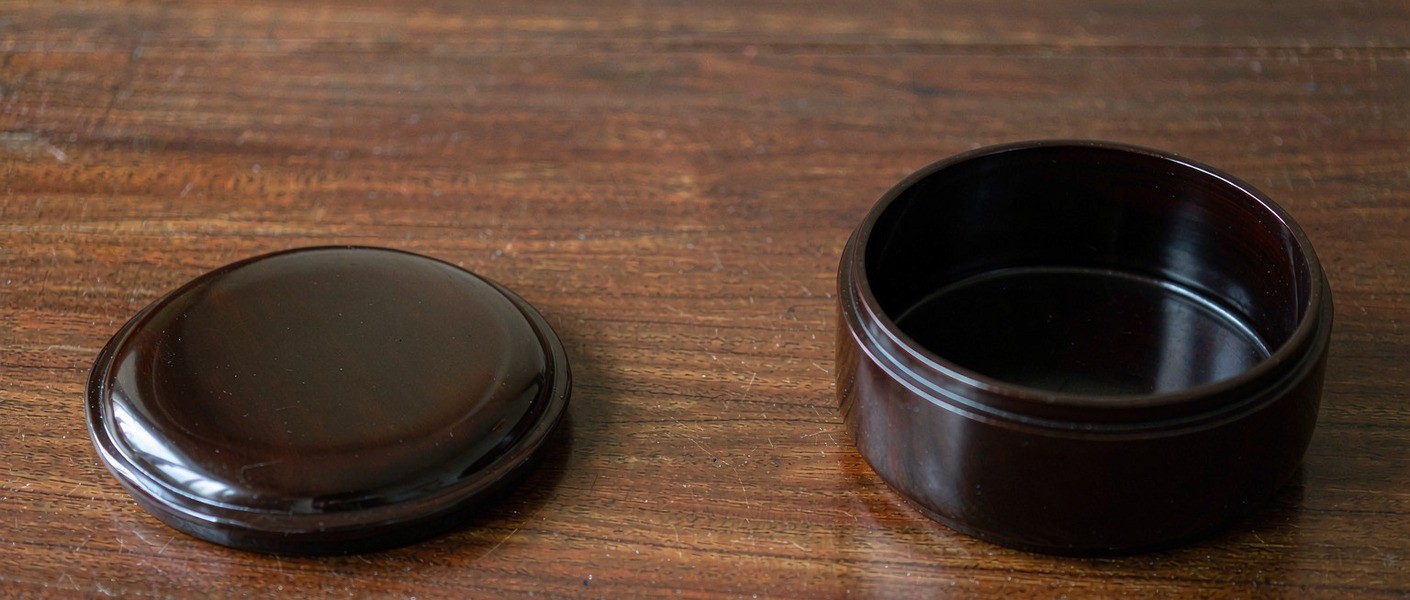
看一件漆盒,多数人先看面。面是给眼睛的,子口是给手的。把盒盖翻过来,内侧沿口有一圈凸起的边,它要严丝合缝地插进盒身的槽里,这一圈叫子口。它不出现在任何照片里,却几乎决定了这只盒子能陪你多少年。
▍一、子口到底在做什么
子口干四件事。定位,盖上去不歪;密封,挡住灰尘与湿气;承力,让盒盖的重量落在盒身而不是靠边沿硬顶;控形,木胎会随季节伸缩,子口给这点伸缩留出余地,盒子才不裂。
所谓子口,指盒盖内侧那一圈凸起的边,插入盒身的槽后起定位、密封与承力作用。面可以重做,口一旦修偏,盖子便再也合不严。《平遥推光漆器髹饰技艺保护条例》(晋中市人大常委会,2023 年 10 月 1 日施行)第二条把裱布、上漆、打磨、推光、擦漆列为该技艺的核心工序。
做漆器的人常说,盒子好不好,三分看面七分看口,面可以补,口补不了。面上一道细微的流漆,用细砂纸过一遍再推光还能救;子口一旦修歪,整只盒子的盖子就永远盖不严。
▍二、子口出问题,多在看不见的四层
头一层是木胎。做盒子的木头要放够时间,含水率降下来才动刀。料没干透就做,盒子出门时严丝合缝,过一个梅雨就松了,过一冬又紧了,盖子忽松忽紧,怎么调都不对。
第二层是口沿的厚度。子口的壁要匀,一圈下来厚薄一致,插进去才不偏。手工修口靠的是刀感和手感,差几张纸的厚度,转一圈就能感觉出来。
第三层最容易被忽略,是漆层。髹涂要一遍一遍来,每一遍都得把口沿的漆修掉。哪一遍偷懒没修,漆就堆在子口上,越堆越厚,最后顶住盒身,盖子按不下去。这种毛病出在看不见的地方,买的时候也未必发现,用几个月才显出来。
第四层是修配。盖与身是配对的,同一批盒子也不能互换。做得好的人家会把每只盒子的盖子单独修到贴合,编号留档;做工业化拼装的,抓一只盖配一只身,看着一样,手感不一样。
一只漆盒的盖子被翻过来放在桌上,内侧一圈凸起的子口在光下显出一道细影
▍三、验收五看
一看落。 盖子放上去,应当自己缓缓落下,到底时有一点轻微的回落感,声音很轻。要用力按才下去的,子口偏紧;一晃就歪的,偏松。
二看缝。 盖合之后,沿口一圈的缝要匀。对着光转一圈,缝隙宽窄一致,说明子口修得正。
三转一圈。 慢慢转三百六十度,阻力应当均匀,没有一处忽然变紧或忽然变松。有突变的地方,就是子口某一段有高有低。
四摸口沿。 手指沿子口内侧走一圈,应当圆润不刮手,也不该摸到漆的堆积。刮手说明修口没过细砂,堆漆说明某一遍没修。
五看留缝。 好的子口不是越严越好。留一点走缝,给木胎伸缩的余地。严到没有余地的盒子,头一年很风光,第二年容易出事。
一只手把盒盖缓缓放下,指尖停在盖沿上,盒身与盖之间的缝细而匀
▍四、一年之后再验一次
子口真正的考试不在买的那天,在过一个完整的四季之后。木胎稳定了,漆层也彻底干透,这时候盖子还合得上、缝还匀,说明料选对了、胎处理到位了、口修得有余地。
反过来,一年之内盖子开始晃、开始紧、开始按不到底,问题多半不在你用得不小心,而在出厂那一刻就已经定了。这也是为什么手工器物的售后里,口沿的问题最该被认真对待。
▍五、问答
问 | 漆盒的子口是什么,为什么重要
答 | 子口是盒盖内侧那一圈凸起的边,插进盒身的槽里,负责定位、密封、承力,也给木胎的伸缩留余地。它决定了盖子能不能长期盖严,是手工漆盒最难补的一处。
问 | 买的时候怎么快速判断子口做得好不好
答 | 三个动作就够。把盖放上去,看它能否自己缓缓落下;对着光转一圈,看缝是否宽窄一致;再用手指沿内侧摸一圈,看是否刮手或有漆堆积。三样都过,基本可以放心。
问 | 盖子有点紧,是不是用久了就好了
答 | 未必。偏紧多半是漆层堆在子口上,用得越久越紧,还可能顶裂口沿。正确做法是找制作者修口,用细砂纸轻磨再补一遍漆,不要自己硬按,也不要拿湿布去泡。
问 | 韵和鸣的严选到底严在哪
答 | 严在三条:只选真正的非遗手工品,只和非遗传承人本人合作,只收手工真作。机器流水线的东西,哪怕便宜、哪怕像,也不在严选之列。像子口这种看不见的地方,正是严选要盯的地方。
📩 非遗项目 | 匠人举荐 | 跨境出海 | 线下联营
欢迎留言或后台联系,我们与匠人同行。
—— 韵和鸣 · 与匠人同行
〖 器 〗
相关搜索 | RELATED SEARCHES
漆盒子口 · 漆器 盒盖 严丝合缝 · 漆盒 验收 · 推光漆器 盒 · 手工漆器 怎么挑 · 子口 留缝
English
The rim does four jobs. It locates, so the lid sits square. It seals, keeping out dust and damp. It carries load, so the lid's weight lands on the body instead of jamming on the edge. And it absorbs movement: wood expands and contracts with the seasons, and the rim's clearance gives that movement somewhere to go, which is what keeps the box from splitting.
The inner lip is the raised rim inside a lid that seats into a groove in the body, locating, sealing and carrying load. A face can be remade; a rim trimmed off true means the lid never closes again. Article 2 of the Pingyao polished lacquerware protection regulation, in force since 1 October 2023, lists mounting, coating, sanding, polishing and wiping as the craft's core steps.
Lacquer makers say the lid decides a box: three parts face, seven parts rim. A face can be rescued. A rim cannot. A faint run on the surface can be sanded and repolished; a rim trimmed off true means the lid never closes properly again.
When the Rim Goes Wrong, It Is Usually in Four Hidden Layers
The first layer is the wooden body. Timber must rest long enough for moisture to settle before it is cut. Work it too green and the box leaves the workshop tight, loosens through the wet season, tightens again through winter, and no adjustment holds.
The second is the thickness of the rim. The wall must be even all the way round, or the lid seats crooked. Trimming by hand relies on the blade and the fingertips; a difference of a few sheets of paper shows up as soon as you turn the lid.
The third, and the most often missed, is the lacquer. Coating happens pass after pass, and each pass requires wiping the rim clean. Skip that once and lacquer builds on the lip, thicker with every coat, until it jams against the body and the lid will not press down. The fault hides where nobody looks, may not show at purchase, and appears months later.
The fourth is fitting. Lid and body are matched pairs; even boxes from the same batch do not interchange. Careful workshops fit each lid individually and keep the numbers on file. Assembly-line practice takes any lid for any body. They look alike and feel different.
A lacquer lid turned face down on a table, its raised inner rim casting a thin shadow
First, the drop. Set the lid on and it should settle slowly by itself, with a slight give at the end and very little sound. One that needs pressing is too tight; one that rocks is too loose.
Second, the seam. With the lid on, the gap around the rim should be even. Turn it against the light; a gap of constant width means the rim was trimmed true.
Third, a full turn. Rotate slowly through 360 degrees; resistance should stay even, with no spot suddenly tighter or looser. A sudden change marks a high or low section on the rim.
Fourth, the fingertip. Run a finger along the inside of the rim; it should feel round, not sharp, and free of lacquer build-up. Sharpness means the trimming skipped fine abrasive; build-up means a pass was not cleaned.
Fifth, the clearance. A good rim is not the tightest possible. A little play lets the wood move. A box sealed to zero tolerance looks impressive the first year and tends to fail the second.
A hand lowering a lid slowly, fingertips resting on its edge, the seam between lid and body fine and even
The real test is not purchase day but the far side of a full year of seasons. By then the wood has settled and the lacquer has cured through. If the lid still seats and the seam still reads even, the timber was chosen well, the body prepared properly, and the rim trimmed with room to spare.
Conversely, a lid that starts to rock, to tighten, or to stop pressing home within a year is usually not the owner's carelessness but something settled at the moment it left the bench. That is why rim problems deserve the most serious attention in after-sales for handwork.
What is the inner lip on a lacquer box, and why does it matter?
The inner lip is the raised rim inside the lid that seats into a groove in the body. It locates the lid, seals it, carries load, and gives the wood room to move. It decides whether the lid closes properly over years, and it is the hardest part of a lacquer box to fix.
How can a buyer judge the rim quickly?
Three moves suffice. Set the lid on and see whether it settles by itself; turn it against the light and check the gap is even; run a finger along the inside for sharpness or lacquer build-up. Pass all three and it is broadly safe.
The lid is a little tight; will it loosen with use?
Not necessarily. Tightness usually means lacquer has built up on the rim, which worsens with use and can crack the edge. The right move is to have the maker re-trim it, sanding lightly and recoating; do not force it and do not soak it in a damp cloth.
What does curated actually mean at YUNHEMING?
Three rules: only genuine heritage handwork, only with the bearers themselves, only hand-made pieces. Machine production stays out however cheap or convincing. Exactly the places nobody photographs, like an inner rim, are what curation is for.
ICH Projects · Artisan Referrals · Global Distribution · Salon Partnerships
你可能还感兴趣
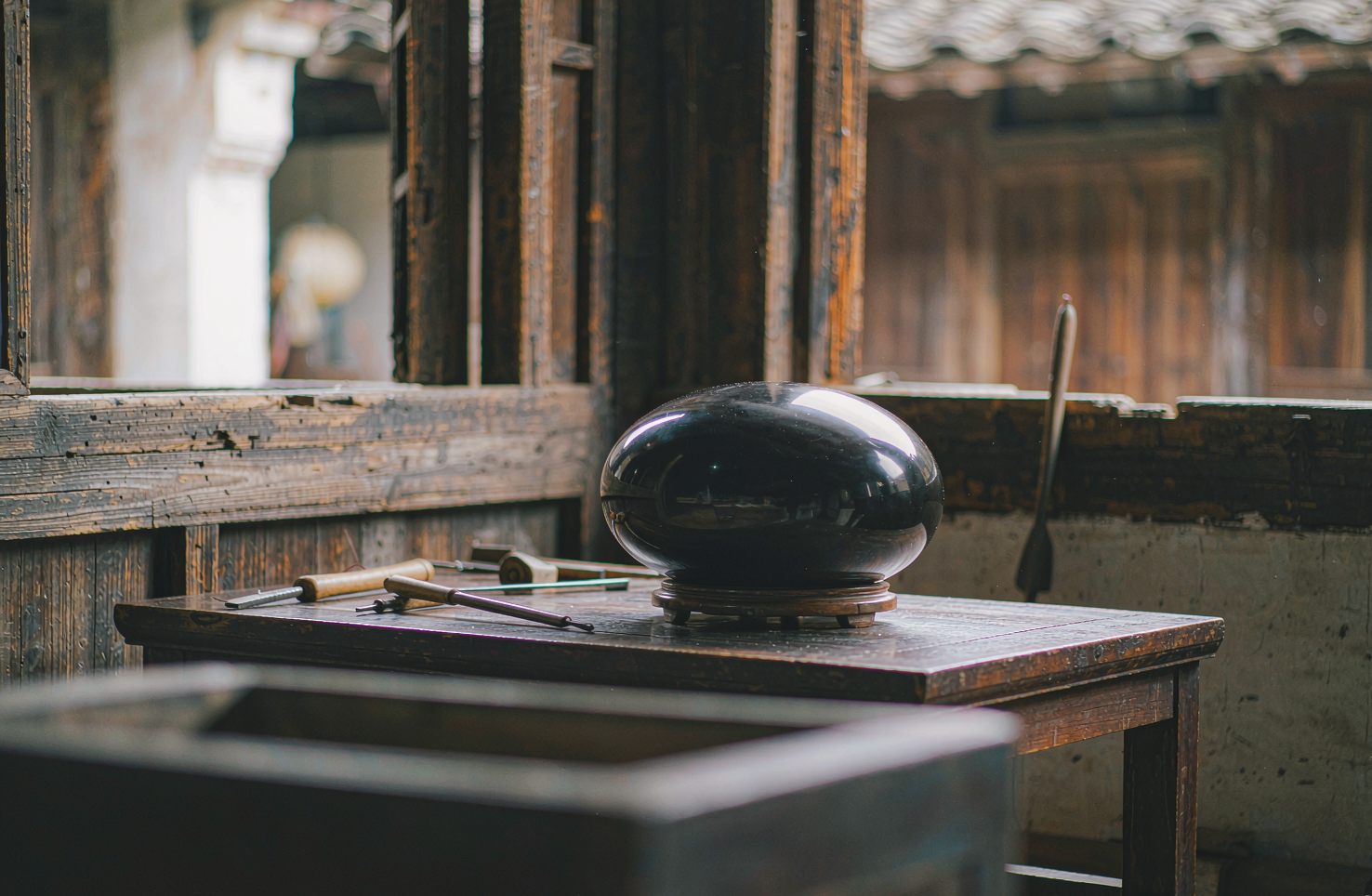
一件漆器该有多重,手感不会说谎
严选器物,看纹样、看款识、看证书,都是明面上的事。但有一道标准写不进任何参数表——上手。同一尺寸的两只漆盘,一只压手温润,一只轻飘干瘪,差别从何而来?这次把"分量"这件事拆开讲。说到底,重量是工序的记账本。
韵和鸣 · 2026/10/14 · 58 阅读
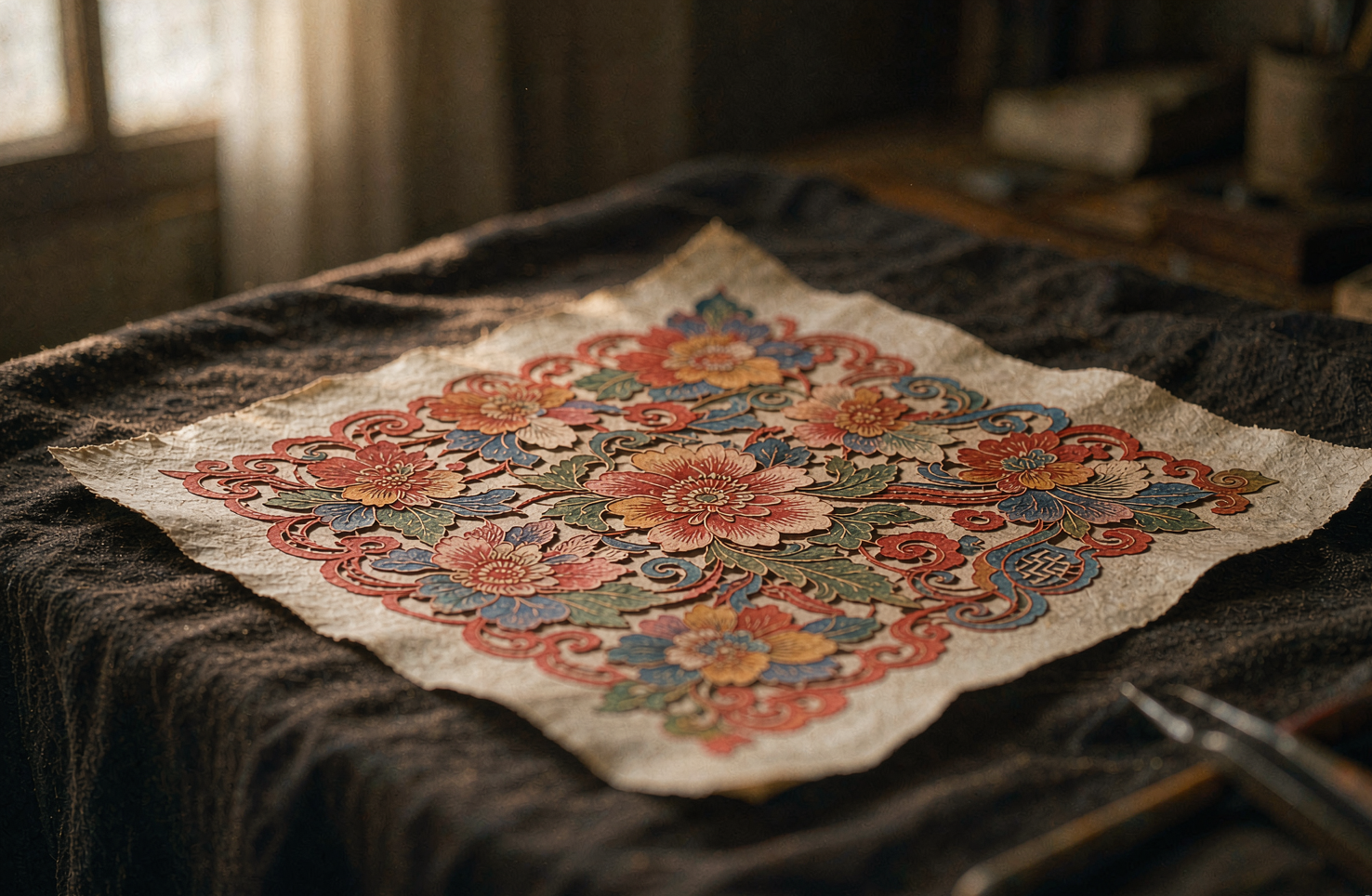
一张蔚县剪纸,彩色的刻刀活
严选录这一期看一张不太一样的剪纸:它不用剪刀,用刻刀;不止红色,还带着点染出来的粉与绿。河北张家口蔚县的剪纸,是剪纸大家族里"反着来"的一支——别处以剪为主、以红为正,蔚县以刻代剪、以点彩上色。说到底,这两个"反着来"的本质,是蔚县人把剪纸从窗前的女红,做成了作坊里的分工手艺:看懂了这一点,才算看懂了这张纸。
韵和鸣 · 2026/10/13 · 55 阅读
一盏博山琉璃:颜色是炉火给的,不是颜料调的
博山琉璃的颜色由矿石、着色配方和炉温共同形成,鸡油黄等色料并非烧成后涂在表面。文章介绍挑料、吹制、塑型、灯工和内画,说明流纹、气泡与壁厚如何反映手工过程,并提供观察颜色、过渡和口沿的选器方法。
韵和鸣 · 2026/10/12 · 55 阅读
一枚漆书签:小物件为什么反而更考验手艺
漆书签体量小,却同时暴露胎体稳定、漆层附着、边缘打磨与日常耐用度。挑选时先看薄厚与侧面,再摸边缘和转角,比只看纹样更能判断小件工序是否扎实,也值得问清售后修复。
韵和鸣 · 2026/10/24 · 51 阅读
平金开黑:金与黑,为什么这么耐看
平金开黑以黑漆为底、金线为饰,关键在于黑底的推光质量、金线的稳定和留白的分寸。文章介绍相关工具与工序,并从线条、光泽、使用和来源等方面说明如何观察描金漆器,避免只用金的多少判断价值。
韵和鸣 · 2026/10/10 · 50 阅读
一只描金漆器,为什么要磨到能照见人
案头一只描金漆艺茶杯,杯身墨黑,杯沿一线描金。有人问:它凭什么比一只普通杯子"金贵"这么多?答案不在材料里,在它挨过的那一遍遍手上。
韵和鸣 · 2026/10/2 · 48 阅读