从山西出发:一个品牌为什么先画人再画地图
韵和鸣 · 韵和鸣公众号 · 2026/11/9 12:00:00 · 1 阅读
做非遗出海最容易犯的错是先画地图:先定要进哪几个国家,再回头找货。韵和鸣走的路反了过来,先看人,再看路。根在山西平遥的一门漆器技艺上,脚步落在全国各地的工坊里,最后才落到海外市场。
▍一、根:一门技艺给的判断力
平遥推光漆器髹饰技艺是品牌的起家技艺,2006 年列入国家级非物质文化遗产名录。工序从制胎、裱布、刮灰、髹漆、阴干到描金彩绘与推光,一件器物要跨过许多个夜。这门技艺教给人的头一件事是等,第二件事是分得清哪一道不能省。
有了这个判断力,再看别的手艺就不容易被表面骗过去。竹编看底,苏绣看背面,银饰看焊缝,瓷器看釉与胎的结合。一门手艺学到的标准能迁移到另一门,这是从平遥出发得到的实际好处。
▍二、面:为什么不能只做山西
山西是主场,不是全部。只做漆器,等于把品牌押在一个品类上;只做山西,等于把客群押在一个省里。读者的审美在变,器物的使用场景也在变,一个品牌若只有一种材料、一种语言,很快会讲完。
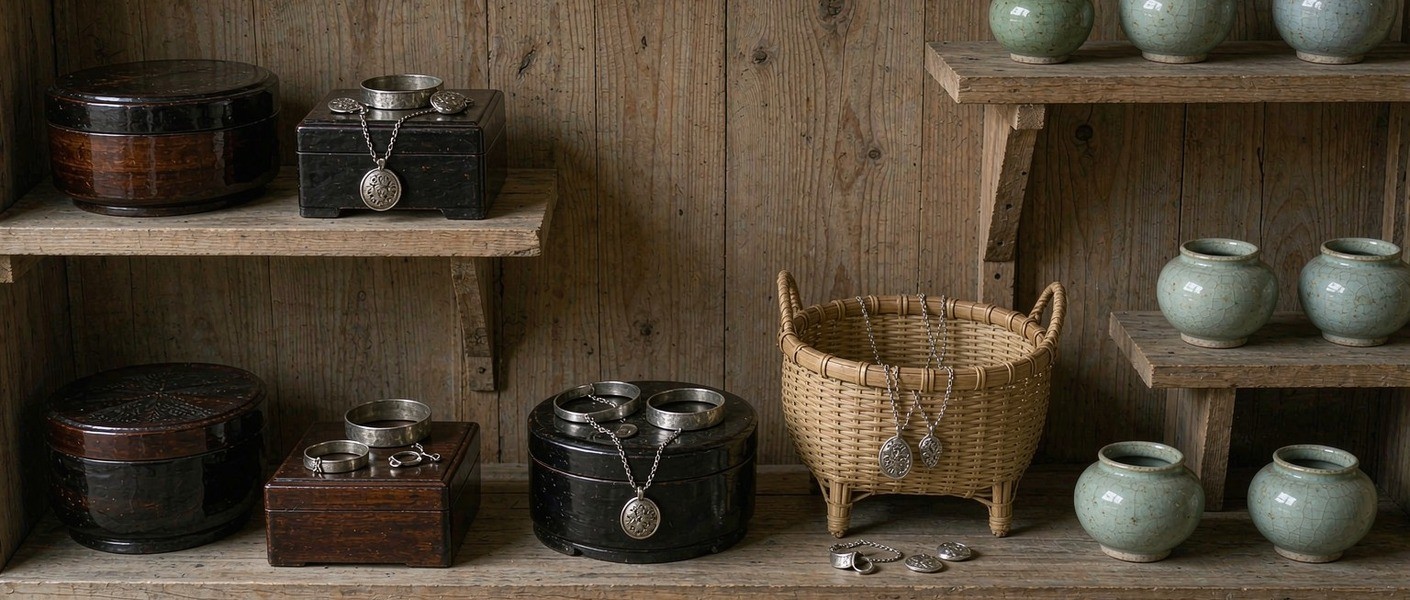
所以有了六大矩阵:漆、竹、绣、银、锦、瓷。不是把六类货摆在一起卖,而是让六种材料互相解释。漆的光、竹的韧、绣的密、银的亮、锦的纹、瓷的润,放在一个空间里,读者能看见中国手艺的宽度。
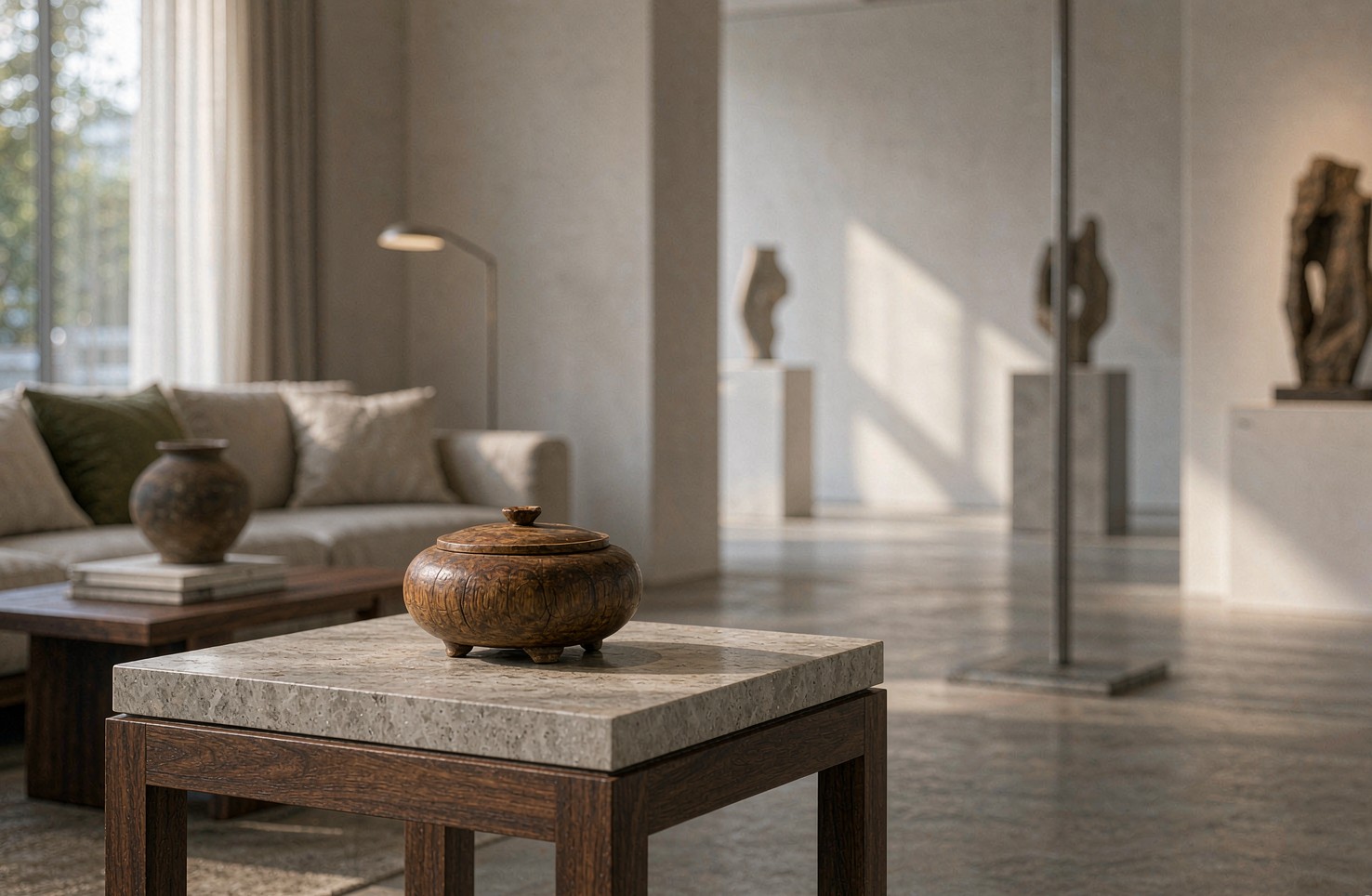
陈列台上一层木板,上面几只不同材质的器物排成一线,光从高侧落下
会客厅的陈列原则也来自这个判断:山西一半,全国一半。一半留着根,一半打开视野。这不是审美偏好,是自我约束,防止越做越窄。
▍三、路:出海是起家就在做的事
品牌背后的公司做跨境供应链,产品出口欧美、日韩、新加坡等市场,在新加坡与德国设有团队。出海不是后来加的一章,而是这门生意的底子。
最难的一段不在物流,在解释。一件漆器为什么值这个价,为什么有手工痕迹,为什么颜色与图片有差,这些问题在国内要解释一遍,到海外还要用另一种语言再讲一遍。品牌的做法是把解释前置:多语言直播、多国语言翻译、持续的匠人访谈与器物视频,把「怎么做的」讲在「买不买」之前。
▍四、先画人的理由
如果只为一门生意,做漆器就够了,不必碰六个品类,不必做访谈。这些在短期账上都算成本。
品牌的回答写在信条里:非遗老师更好,韵和鸣才会更好。反过来理解更清楚,手艺人的日子不好过,品牌的好日子也长不了。
▍五、问答
问 | 韵和鸣是山西的品牌还是全国性的品牌
答 | 根在山西,视野在全国。起家技艺是产自山西平遥的国家级非遗平遥推光漆器髹饰技艺,但收的器物与服务的匠人覆盖全国,会客厅的陈列原则是山西一半、全国一半。
问 | 一个非遗品牌为什么要做六个品类
答 | 三个原因。品类单一时品牌容易被一个产区的行情绑住;多材料能让读者看见中国手艺的整体宽度;六个矩阵还能互相印证标准,漆器练出的判断力可以用在竹、绣、银、锦、瓷上。品类变多,标准只有一条:必须是真的非遗手工。
📩 非遗项目 | 匠人举荐 | 跨境出海 | 线下联营
欢迎留言或后台联系,我们与匠人同行。
—— 韵和鸣 · 与匠人同行
〖 生 〗
English
The Root: Judgement Learned from One Craft
Pingyao polished lacquerware, listed nationally in 2006, is where the brand began. Body, cloth, putty, lacquer, drying, gold tracing, polishing: many nights pass between. The first thing it teaches is patience; the second is knowing which step cannot be skipped.
With that judgement other crafts are harder to fool. Bamboo is read at the base, embroidery at the reverse, silver at the seam, porcelain where glaze meets body. A standard learned in one craft transfers to another, and that is the practical gain of starting in Pingyao.
The Surface: Why Shanxi Alone Is Not Enough
Shanxi is home ground, not the whole ground. Lacquer alone puts the brand on one category; Shanxi alone puts its audience in one province. Taste shifts and so do occasions; a brand with one material and one vocabulary runs out of things to say.
Hence six matrices: lacquer, bamboo, embroidery, silver, brocade, porcelain. Not six lines side by side but six materials explaining one another. Sheen, toughness, density, brightness, weave, glaze: in one room a reader sees the width of Chinese craft.
Objects in different materials lined up on a board, light falling from high to the side
The Salon's display rule follows the same judgement: half Shanxi, half the country. One half keeps the root, the other opens the view. It is a limit against narrowing, not a matter of taste.
The Road: Export Was There from the Start
The company behind the brand runs cross-border supply chains, exporting to Europe, the US, Japan, Korea and Singapore, with teams in Singapore and Germany. Export is not a later chapter; it is the floor the business stands on.
The hardest stretch is not logistics but explanation: why a piece costs what it does, why marks of the hand are normal, why colour differs from a photograph. These must be said at home and again in another language. The brand moves explanation forward: multilingual livestreams, translation, and steady interviews and process films that put how it is made before whether to buy.
If this were only a business, lacquer would be enough: no six categories, no interviews, no filming for makers. On a short ledger all of that reads as cost.
The answer sits in the creed: the masters do better, and only then does YUNHEMING. Read backwards it is clearer: if makers fare badly, the brand's good years will not last. Drawing people first is a considered choice.
Is YUNHEMING a Shanxi brand or a national one?
Rooted in Shanxi, looking nationwide. It began with Pingyao polished lacquerware, national-level heritage from Shanxi, but the objects it takes and the makers it serves span the country, and the Salon displays half Shanxi, half elsewhere.
Why carry six categories?
For three reasons. One category ties the brand to one region's fortunes; multiple materials show the breadth of Chinese craft; the matrices cross-check standards, since judgement learned on lacquer applies to bamboo, embroidery, silver, brocade and porcelain. Categories multiply, the standard does not: genuine handmade heritage work.
ICH Projects · Artisan Referrals · Global Distribution · Salon Partnerships
你可能还感兴趣
中欧班列上的非遗:慢一点,但走得远
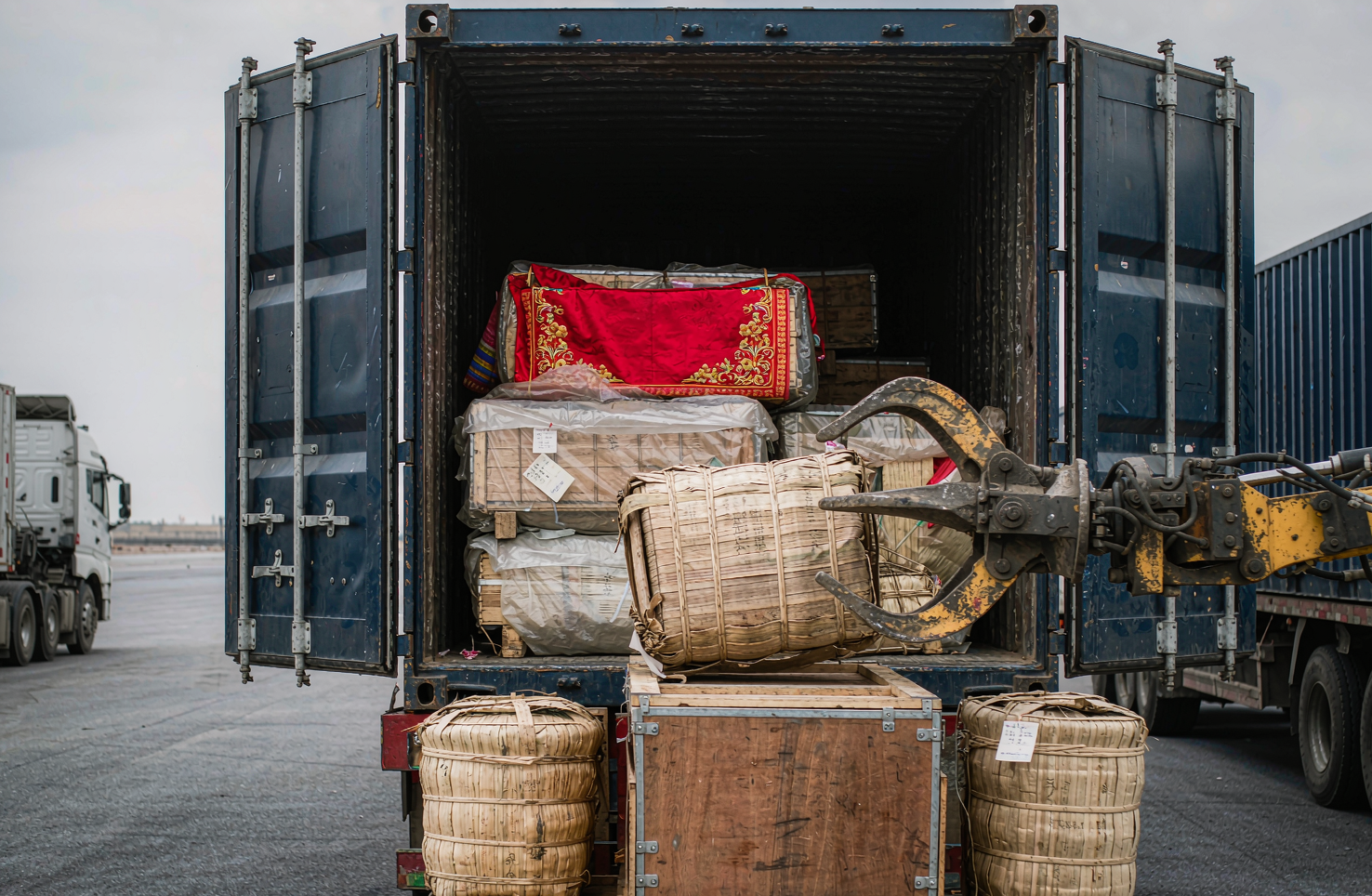
非遗器物出海要在空运、海运与中欧班列之间权衡速度、成本和稳定性。对高工时、易碎、怕潮的手作而言,包装、防护、海外仓及发货报关等环节的安排,比单纯求快更能守住器物与资金。
韵和鸣 · 2026/10/8 · 67 阅读
韩国的非遗保护:从"文化财"到活态传承
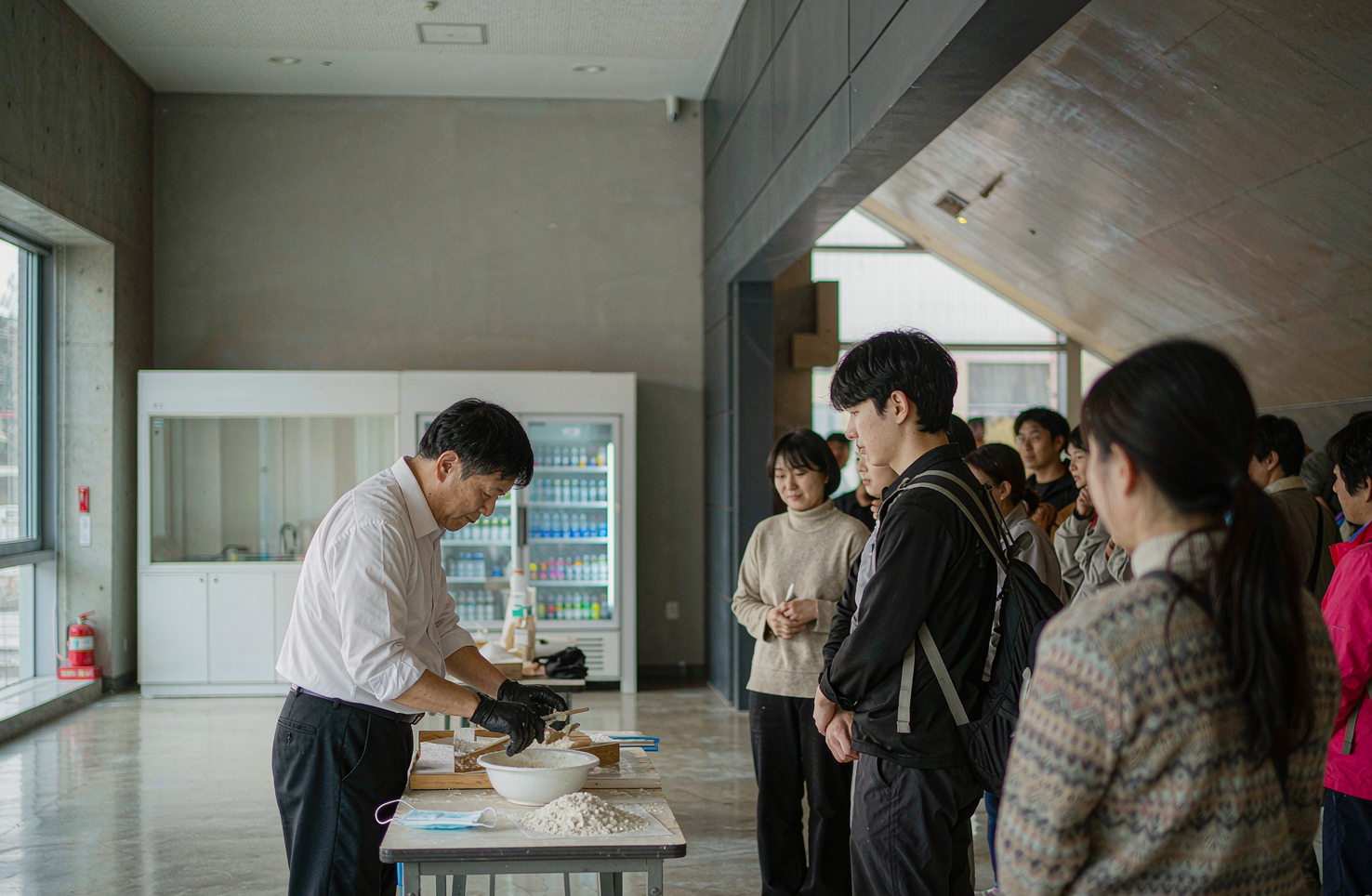
看世界怎么保护非遗,韩国常被提到,也常被简单化。它有一套自己的名词——"文化财""无形文化财""保有者"。关键在于,这套名词背后不只是一份名单,而是一整套"怎么把手艺交下去"的制度。
韵和鸣 · 2026/10/9 · 60 阅读
穆拉诺与博山:隔着七千公里的两座炉火之城
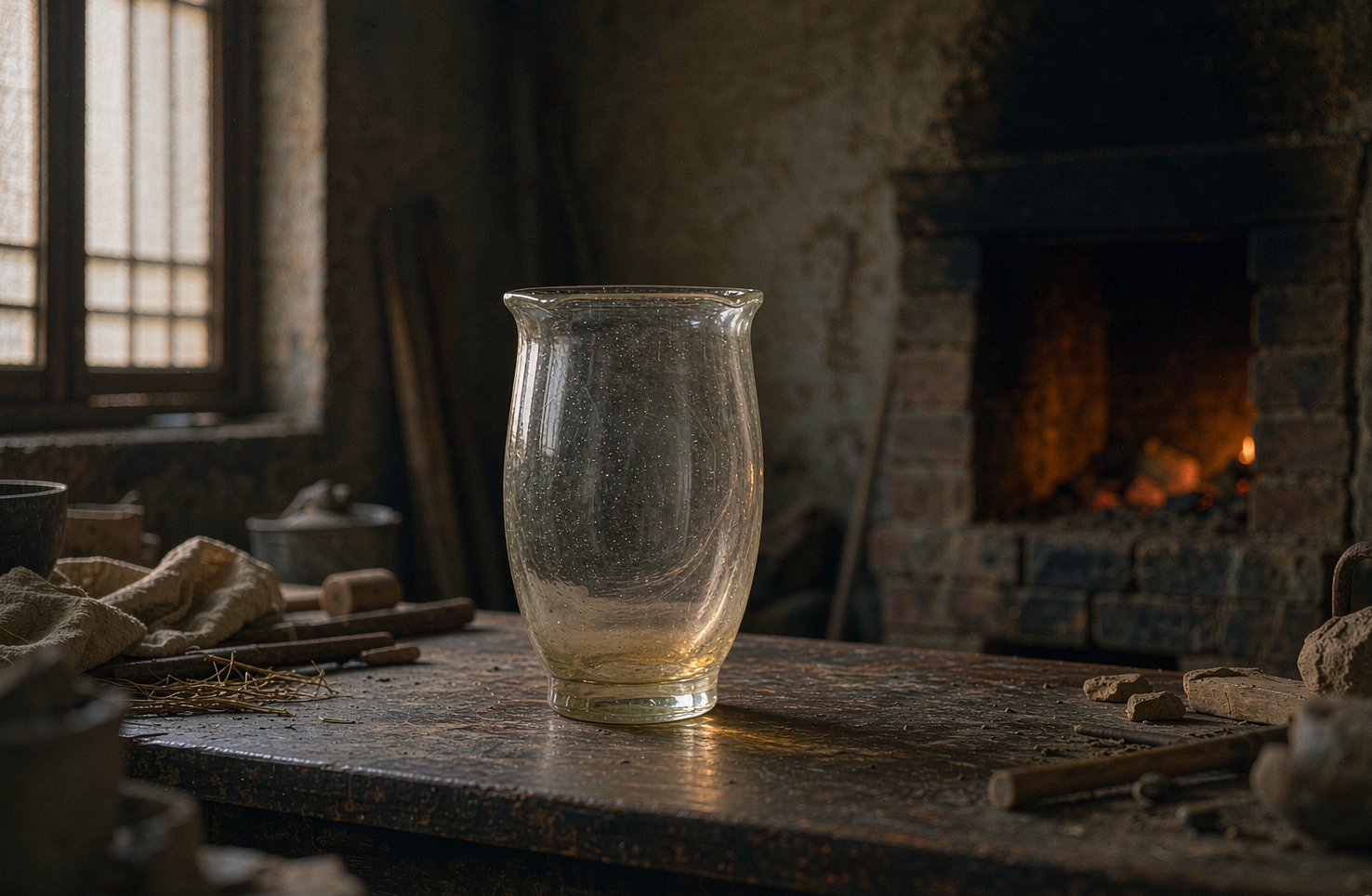
穆拉诺因作坊迁聚形成玻璃产业,博山则依托当地矿石与供料、匠人传统发展琉璃。文章比较两地产业聚集和原产地表达的路径,说明传承既需要师傅与学徒的密度,也需要把制作地点、来源和标准讲清楚。
韵和鸣 · 2026/10/12 · 57 阅读

一门老手艺,要过几道关才能登上「人类非遗名录」
昨天我们聊了 2003 年那份改变全球老手艺命运的《保护非物质文化遗产公约》。今天接着往下问:公约建立了名录,那一门手艺要经历什么,才能把自己的名字写上去?
韵和鸣 · 2026/10/3 · 57 阅读
"非遗"这个词,各国怎么叫、怎么理解
中文非遗、日本无形文化财及法国工艺大师等称呼,对应不同的认定单位与保护重心。比较这些体系,关键不在逐字互译,而在看名录、个人与社区分别承担什么角色,以及传承如何发生。
韵和鸣 · 2026/10/24 · 54 阅读
一件平遥漆器,如何走到海外客人家中
一件平遥漆器出海,要先讲清材质、工艺与来路,再经过合规、报关、物流、海外仓和末端配送。文章结合已有政策与跨境电商安排,说明多语种说明和养护提示同样重要:物流负责抵达,清楚的信息负责建立信任。
韵和鸣 · 2026/10/5 · 53 阅读