钱投在设施上,手艺能不能跟着走进去
韵和鸣 · 韵和鸣公众号 · 2026/11/9 12:00:00 · 1 阅读
11 月 4 日,新华社报道国家发展改革委等部门印发一份消费基础设施指导意见。全称《关于加强消费基础设施建设 促进消费投资良性互动的指导意见》,由国家发展改革委、交通运输部、商务部、文化和旅游部、市场监管总局联合印发,发改就业〔2026〕1508 号,成文日期 2026 年 10 月 19 日,共二十条。文件讲的是市场、街区、停车场、冷链、检测站,看似离手艺很远。细读之下,有三处与做手艺的人直接相
▍一、它管的不是手艺,是人走得到的地方
文件开头写明定位:把加强消费基础设施建设作为改善消费供给、促进有效投资的重要抓手,补齐设施短板,提升设施功能。
所谓消费基础设施,按这份文件的用法,是指商品交易市场、商业街区、文旅消费集聚区、停车与充电设施、冷链与物流站点、检验检测站点等承载消费活动的场所与设备;文件由国家发展改革委等五部门于 2026 年 10 月 19 日以发改就业〔2026〕1508 号印发。
非遗的扶持多落在保护、传承、工坊建设上,管的是生产端;这份文件管的是到达端。一件器物要被人看见,先得有个让人走到的地方。
▍二、头一处:街区与旧厂区
第二条第(三)项提出,推动老旧商业街区业态升级,发展文创、夜市、潮流零售、沉浸式体验等特色业态;推动老旧厂区功能转换,建设改造首店集聚区、运动潮流场馆、家居生活体验馆、特色美食街区、主题展览演艺空间等新型消费载体。
对非遗来说,这一条给的是位置。文创与沉浸式体验被并列写进街区业态,意味着城市改造存量空间时,手作有资格占一个铺面,而不是只在展会里出现三天。旧厂区尤其值得留意,大面积、低租金的空间正是工坊加展陈加体验课需要的条件。
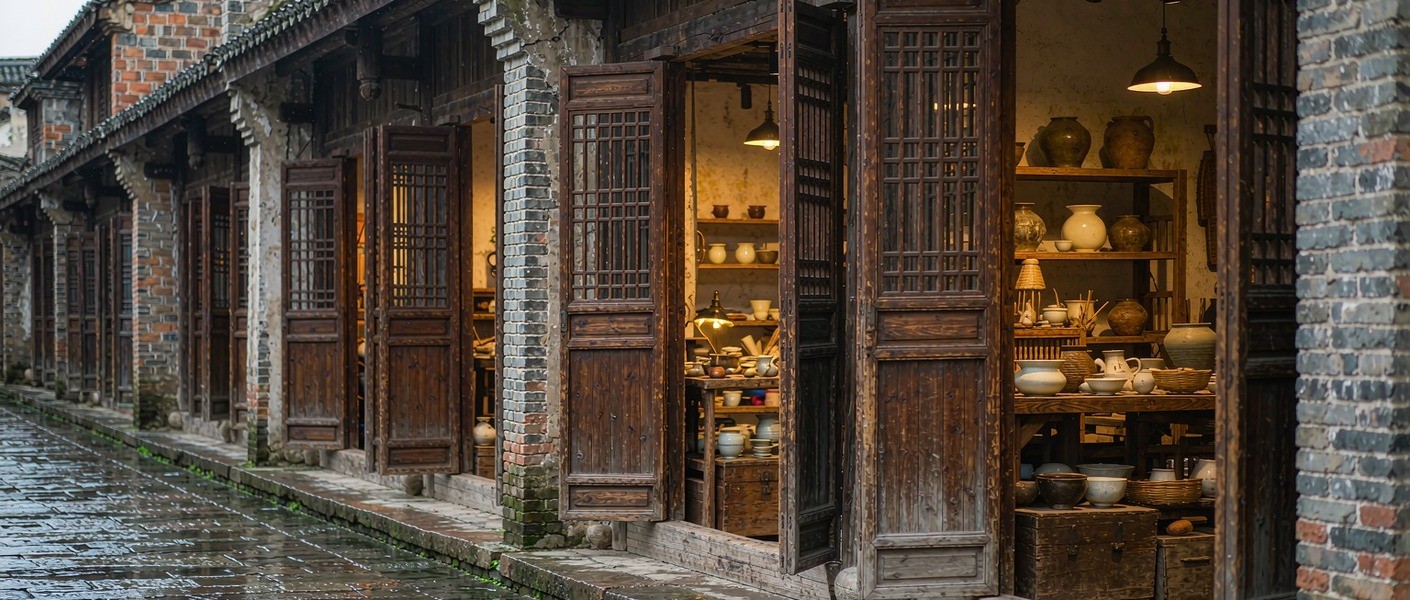
一条老街的骑楼下,几间小店亮着灯,木格窗里摆着手作器物
▍三、第二处:公路服务区与集市
第四条第(十二)项讲公路服务消费设施:结合精品自驾旅游公路打造,加强公路沿线服务节点建设改造,因地制宜增设消费网点,引导沿线发展特色餐饮、文创集市、自驾营地等消费业态;推动高速公路服务区、公路客运枢纽标准化、品质化升级,布局连锁超市、品牌餐饮、自动售货终端、文旅推介等设施。
文创集市四个字,是这条里最实的落点。服务区人流通常是路过、停留短、有伴手礼需求,适合单价中等、体积不大、一眼看得懂的手作。
▍四、第三处:检验检测
第五条第(十五)项部署检验检测设施:完善市级综合消费检验检测中心功能配置,健全县级基础性站点,鼓励第三方机构下沉布局,依托产业园区、商业聚集区建设区域性公共服务平台和专业化检测服务基地。
这一条与手艺的关系要绕一下才看得见。手作要卖上价,材质与工艺得能出报告:漆器的漆膜、陶瓷的铅镉迁移、银饰的含银量、织物的色牢度。小工坊自建实验室不现实,平台下沉到园区,小批量、多品种的手作才有合规路径。
▍五、问答
问 | 这份消费基础设施文件和非遗有关系吗
答 | 有间接但实在的关系。第二条第(三)项把文创、沉浸式体验写进街区与旧厂区改造方向,第四条第(十二)项提出在公路沿线发展文创集市,第五条第(十五)项部署检测平台下沉园区。三处分别对应非遗的销售位置、渠道形态与质量凭据。
问 | 文件里的钱,手艺人能直接用上吗
答 | 多数条款投向设施与平台,承接主体是地方政府、园区、市场运营方与服务机构,不是个人匠人。手艺人更现实的路径是借势:街区改造时争取铺面,园区建检测平台时用上服务,服务区招租时进集市。
问 | 韵和鸣怎么用这类渠道
答 | 挑着用。韵和鸣做非遗出海,产品出口欧美、日韩、新加坡等市场,背后有自己的跨境链条;国内的街区、集市、服务区属另一类入口,适合做体验与认知,不适合堆货。判断标准没变:器物要能说清出自哪位匠人之手、工序是否守得住,渠道只是把话说给更多人听的地方。
📩 非遗项目 | 匠人举荐 | 跨境出海 | 线下联营
欢迎留言或后台联系,我们与匠人同行。
—— 韵和鸣 · 与匠人同行
〖 国 〗
相关搜索 | RELATED SEARCHES
消费基础设施 指导意见 · 发改就业〔2026〕1508号 · 文创集市 · 非遗 进街区 · 非遗 检验检测 · 非遗 渠道
English
The opening sets the purpose: treat consumer infrastructure as the lever for better supply and effective investment, fill the gaps, improve the layout, raise the function.
Consumer infrastructure here means the places and equipment that carry consumption: goods markets, commercial streets, cultural-tourism clusters, parking and charging, cold chain and logistics nodes, testing stations. Five departments issued the document on 19 October 2026 as No. 1508 of 2026.
Most heritage support lands on protection, transmission and workshops, which is production. This document addresses arrival. For an object to be seen, there must be a place a person walks to. A workshop can be excellent and still earn nothing if its output sits where no one goes.
Article two, item three, calls for upgrading the business mix of old commercial districts toward cultural creative goods, night markets, trend retail and immersive experience, and for converting old factory grounds into first-store clusters, sports halls, home-experience halls, food streets and exhibition and performance spaces.
For heritage this supplies a position. Naming cultural creative goods alongside immersive experience means handwork can qualify for a shopfront when a city renovates existing space, instead of appearing for three days at a fair. Factory conversions matter most: large floors, low rent and flexible shells are what a workshop-display-class combination needs.
Shops lit under the arcade of an old street, handmade objects behind wooden lattice windows
Article four, item twelve, covers roads: as scenic driving routes are built, upgrade service nodes, add retail points suited to each place, encourage local food, cultural creative markets and camping sites, and standardise service areas and bus hubs with chain stores, branded food, vending terminals and tourism information.
"Cultural creative market" is the most concrete opening. Service-area traffic passes through, stays briefly and often wants a gift, which suits work of middling price, modest size and quick legibility. Pairing upgrades with new retail points concedes that such stops are more than places to refuel.
Article five, item fifteen, deploys testing: complete municipal consumer testing centres, build county-level stations, encourage third-party labs to move downstream, and set up regional public platforms and specialised bases in industrial parks and commercial clusters.
The link takes a step to see. For handmade work to command a price, material and process need testable reports: lacquer film, lead and cadmium migration, silver content, colour fastness. A small workshop cannot run a lab, so platforms moving into parks give small-batch, high-variety work a route to compliance. Clear standards make quotations and acceptance possible.
Does this document concern heritage at all?
Indirectly but concretely. Item three of article two names cultural creative goods and immersive experience in street and factory conversion; item twelve of article four calls for cultural creative markets along roads; item fifteen of article five pushes testing into parks. They map onto sales space, channel form and quality evidence.
Can a maker draw on the money directly?
Most clauses fund facilities and platforms, and the recipients are governments, parks, market operators and service providers rather than individual makers. The realistic route is to ride the wave: bid for a shopfront, use the lab, join the market. Article seven pools funding and uses new policy finance tools and real estate investment trusts, again landing with operators.
How does YUNHEMING use such channels?
Selectively. YUNHEMING exports to Europe, the US, Japan, Korea and Singapore on its own cross-border chain; domestic streets, markets and service areas are another kind of entrance, good for experience rather than stock. The standard holds: the piece must state whose hands made it, and a channel is only where that gets said to more people.
The document never says heritage, yet it names the three things craft lacks: a reachable place, a portable form, and evidence of quality. Whether craft walks in depends on local rules and on makers moving a step.
A personal reading only; the official text prevails.
ICH Projects · Artisan Referrals · Global Distribution · Salon Partnerships
你可能还感兴趣
非遗"十五五"规划:四件事,指向一个方向
2026 年 9 月,文化和旅游部印发《非物质文化遗产保护传承"十五五"规划》。文件不长,但有几处提法,值得做手艺的人多读两遍。
韵和鸣 · 2026/10/4 · 52 阅读

首份文化遗产"十五五"规划里,非遗占了哪几行
中共中央办公厅、国务院办公厅近日印发《文化遗产保护传承"十五五"规划》。据新华社 2026 年 10 月 20 日报道,国务院新闻办公室当日举行发布会介绍这份规划,并明确这是我国首次在文化遗产保护领域编制的五年规划。对做手艺的人来说,值得关心的不是排场,而是那几条具体到工序、到传承人、到市场的表述。以下仅为个人梳理;说到底,它把非遗从一项单独的文化工作收进了治理框架。
韵和鸣 · 2026/10/24 · 51 阅读

一个机构首次亮相,非遗被放进了一张更大的网
9 月 29 日,中共中央办公厅、国务院办公厅印发《文化遗产保护传承"十五五"规划》。文件共十二个部分、33 条,其中有一个机构名是全新的——读懂它,也就读懂了非遗往后几年要待的位置。
韵和鸣 · 2026/10/7 · 51 阅读
从 700 万到 1219 万:山西给非遗的钱,多在了哪
山西省级非遗保护专项资金从年度预算到传承人补助均有明确安排,资金还与展销、线路和品牌计划配合。文章厘清投入方向及其边界:经费能支持保护与传习,却不能单独保证手艺留住学徒、进入生活。
韵和鸣 · 2026/10/8 · 85 阅读

一门手艺的背后,政策怎么把人接住
前面几期,我们把国家、省、市三级的新文件挨个捋了一遍。这一轮收个口:不解读新文件,只看一条贯穿四级政策的暗线——人。名录、工坊、产业,说到底都要有人去做;而这一轮政策最值得记下的变化,是把"支持传承人"从一句原则,拆成了看得见的台阶。
韵和鸣 · 2026/10/14 · 69 阅读
一部还在征求意见的条例,先点了平遥漆器的名
政策一层层往下走:国家定方向,省里给资源,到了市县,它得落到具体的街巷、人和器物上。关键在于,一部市级条例点到哪门手艺、又把它放在哪一条里,比笼统表态更能说明当地的取舍。
韵和鸣 · 2026/10/9 · 68 阅读