一间非遗空间的「失手」:我们做错过什么
韵和鸣 · 韵和鸣公众号 · 2026/11/8 12:00:00 · 1 阅读
讲成功经验的文章太多,讲失手的太少。会客厅开到现在,有三件事做错过,每一件当时都觉得有道理。写下来不是为了检讨,是因为后来发现,这三处弯路很多同行也在走。所谓「非遗在社区」,是指把传承体验设施嵌入社区、街区与商业空间的做法;据文化和旅游部 2026 年印发的《非物质文化遗产保护传承"十五五"规划》,支持街区、社区设立非遗驿站、非遗创意坊、非遗生活美学馆等场所。
▍一、头一个错:把会客厅做成了展厅
开业初期我们填得很满。沿墙一排展柜,中间两个中岛,每件器物配了灯与说明牌。照片很好看,来的人却说不出话,绕一圈,点头,走了。
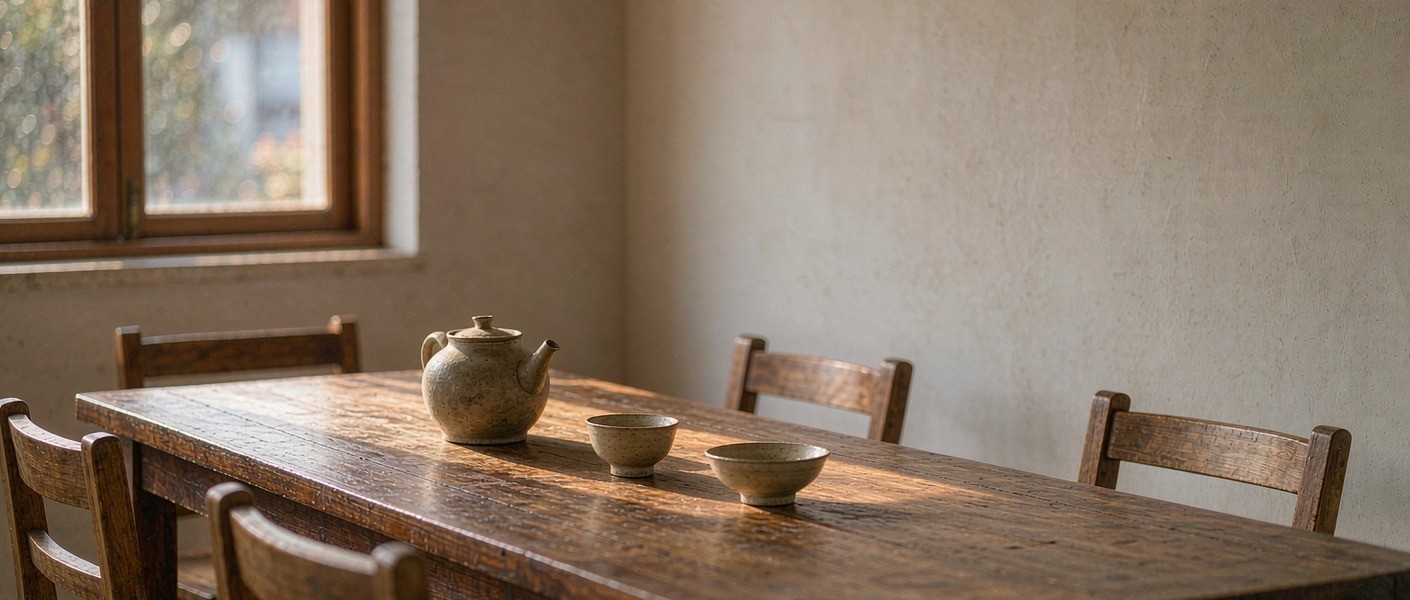
问题在于没有地方坐。会客厅的重点在「客厅」两个字,客厅的定义是有人愿意待着。改法很笨,撤掉一个中岛,换上一张长桌和几把椅子,桌上只留一壶茶与两件器物。人一坐下,话就多了,问的问题也从「这个多少钱」变成「这个怎么做的」。
▍二、第二个错:活动排得太密
有一段时间,几乎每个周末都办活动。茶会、手作课、匠人分享、联名发布排得满满当当。数据好看,人数也涨,半年后却发现常来的那批人不见了。
原因是空间被活动占满了。活动有流程、有主角、有开始与结束,人来了就是观众。常客要的其实是没安排的时间,可以自己走到某个角落,看一件东西看很久。后来我们把活动砍到每月两场,其余时间留空,人才慢慢回来。
靠窗一张长桌,桌面只有茶壶与一只敞口的漆盒,午后光落在桌角
▍三、第三个错:选品贪多
会客厅一开始想做到「六大品类齐全」,漆、竹、绣、银、锦、瓷都要有,理由是客人来了总得看到想看的东西。结果每类只有几件,撑不起叙事,客人看完记不住任何一件。
后来的做法是集中。一个季度只做一个主题,宁可按主题说话的器物上桌,品类不齐也认。这样做的代价是有人进来找不到想看的,好处是来的人大多能带走一段完整的话。
▍四、问答
问 | 去非遗会客厅,需要提前预约吗
答 | 建议提前问一声,尤其是想看成系列器物或想听讲解的时候。会客厅不是柜台式的卖场,常有人在做采访、拍摄或者与匠人谈事,提前约能避开这些时段,也能让我们把相关的器物提前取出来。
问 | 会客厅里可以只坐坐、不买东西吗
答 | 可以。会客厅本来就是让人坐下来看器物、聊手艺的地方,进门不设消费门槛。我们更希望客人把这里当成一个可以反复来的地方,看得多了,自然知道自己要什么。
问 | 韵和鸣为什么愿意把做错的事写出来
答 | 因为品牌的价值在于可核对。韵和鸣做的是把全国真正的非遗手工品严选出来送到海外,器物与非遗老师联名,来源、工序、署名都要说得清;连自己的弯路都愿意摊开,讲器物的时候才可信。
📩 非遗项目 | 匠人举荐 | 跨境出海 | 线下联营
欢迎留言或后台联系,我们与匠人同行。
—— 韵和鸣 · 与匠人同行
〖 厅 〗
English
Mistake One: We Built a Gallery Instead of a Room
Early on we filled the space: cases along the wall, two islands in the middle, every object lit and labelled. The photographs were good, and visitors said little, a lap around, a nod, out the door.
The problem was nowhere to sit. The point of a salon is the sitting room, and a sitting room is defined by people being willing to stay. The fix was crude: remove an island, put in a long table and chairs, leave only a pot of tea and two objects. Once people sat, they talked, and the questions changed from price to process.
For a stretch we ran something almost every weekend: tea gatherings, craft classes, maker talks, collaboration launches. The numbers looked fine and attendance grew, yet after half a year we noticed the regulars had gone.
The cause was that events filled the room. An event has a run of show, a protagonist, a beginning and an end, and whoever comes is an audience. What regulars wanted was unplanned time, to wander to a corner and look at one thing for a long while. We cut events to two a month and left the rest empty, and slowly people returned.
A long table by the window with only a teapot and an open lacquer box, afternoon light at the corner
At first we wanted all six categories on show, lacquer, bamboo, embroidery, silver, brocade and porcelain, on the reasoning that a visitor should find whatever they came for. The result was a handful of pieces per category, enough for no story, and nothing remembered.
We then concentrated. One theme per quarter, and only objects that speak to the theme go on the table, uneven categories accepted. The cost is that some visitors find nothing they came for; the gain is that most leave with a whole account of something.
Do you need a booking to visit the Salon?
A quick message beforehand helps, especially if you want to see a series or hear an explanation. The Salon is not a counter-style shop, and interviews, filming or talks with makers often happen there; booking avoids those hours and lets us bring out the relevant pieces.
Can you simply sit in the Salon without buying?
Yes. The Salon exists so people can sit, look and talk, and there is no spending threshold at the door. We would rather guests treat it as a place to return to; after enough looking, people know what they want.
Why does YUNHEMING write about its mistakes?
Because a brand's value lies in being checkable. YUNHEMING curates genuine handmade heritage work from across China for overseas markets, co-signs pieces with the makers, and states provenance, process and credit; a brand willing to lay out its own wrong turns is more credible when it describes an object.
Writing these three down, we kept revising one sentence. The Salon is neither a shop nor a museum; it is closer to a room where people are willing to stay. Fewer things, good chairs, hot tea.
ICH Projects · Artisan Referrals · Global Distribution · Salon Partnerships
你可能还感兴趣
把"慢"做成一种体验:一间非遗会客厅的想法
我们习惯按功能给空间分类:吃饭的、购物的、办公的。但有一种很难归类——它在城市的闹处,不催你走,也不急着让你买单。关键在于,当"慢"被认真设计出来,它本身就可以是一种产品。
韵和鸣 · 2026/10/9 · 57 阅读
为什么非遗要「可看、可品、可体验、可购买」
“可看、可品、可体验、可购买”对应非遗空间中理解器物的四个层次:先看来源,再在茶饮和使用场景中亲近,随后通过手作理解工序,最后自主决定是否购买。重点不是催促成交,而是降低陌生手艺的接触门槛。
韵和鸣 · 2026/10/13 · 49 阅读
漆器为什么能埋八千年不坏
在博物馆做漆器研究与修复的研究员老周,桌上常年摆着两样东西:一段出土的漆皮残片,一只新做不久的平遥推光漆盘。他说这两样东西隔着八千年,却是同一种材料。这次对话,我们从"漆器为什么埋几千年不坏"聊起,聊到最后,其实是手艺对材料的理解问题。
韵和鸣 · 2026/10/14 · 69 阅读
去贵州雷山,看一块银元如何变成一支银簪
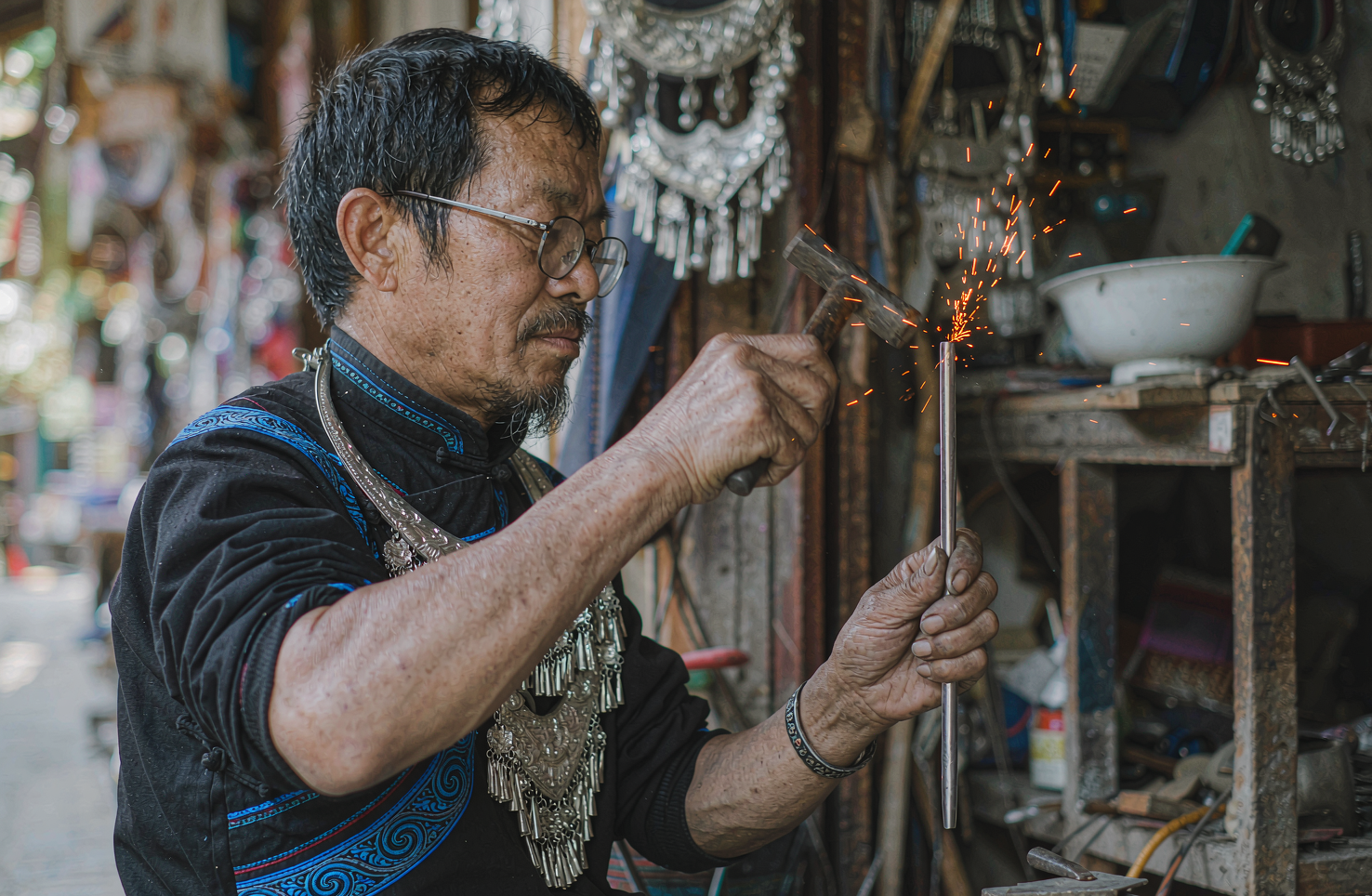
在黔东南的苗寨里,银不只是一种首饰材料。它曾经是可以随时熔掉、重新打制的"存款",也是节日里一个女人身上最亮的那部分。关键在于,当一块老银元被放进坩埚,它要经过多少双手、多少道火,才重新成为一件能戴出门的东西。
韵和鸣 · 2026/10/9 · 62 阅读
AI 生成的"非遗纹样",算不算抄袭
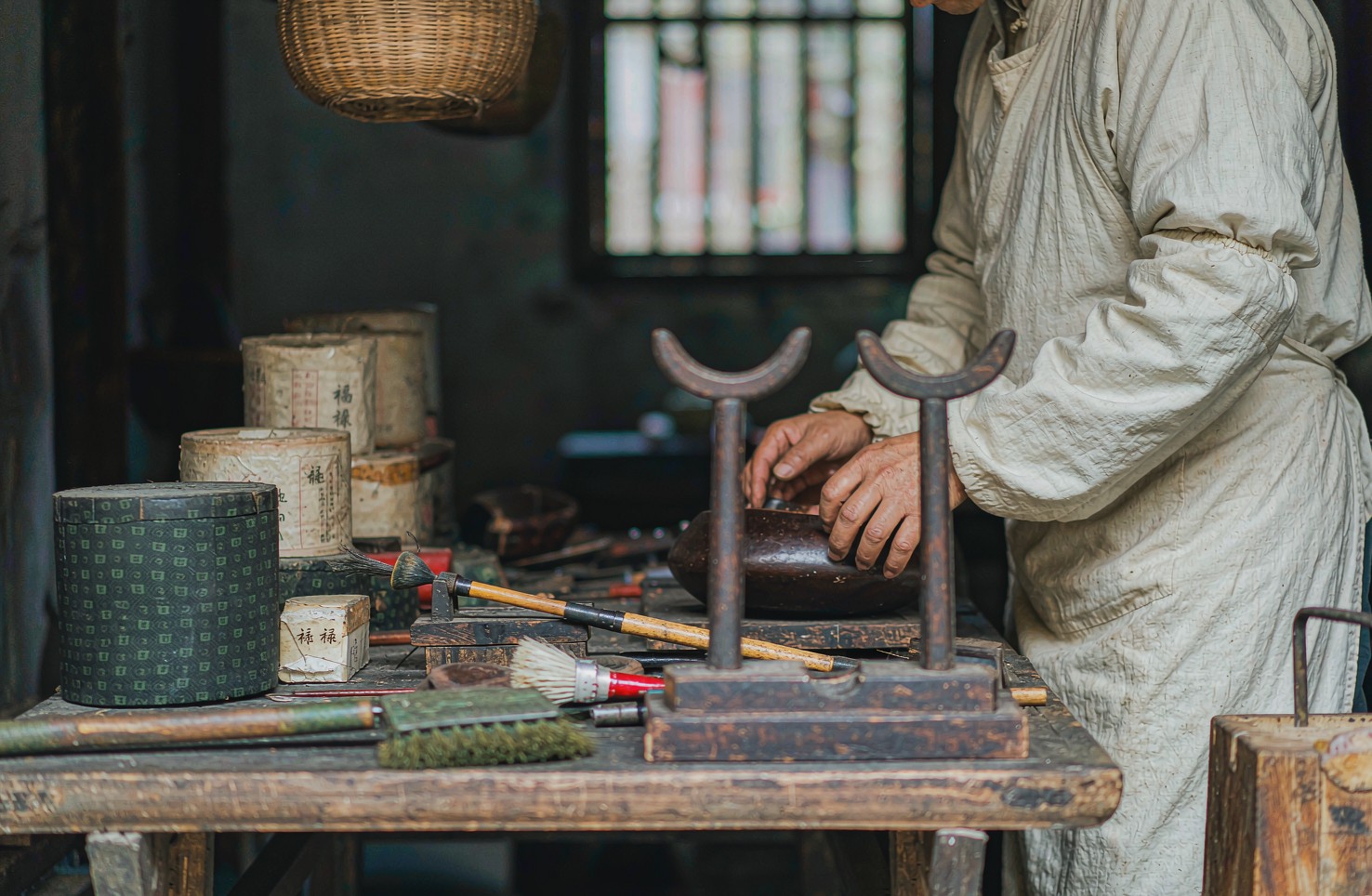
喂一批图给模型,几秒钟就能出一张"苗绣风"的纹样。有人觉得这是把传统纹样重新用起来,有人认为这是把别人一辈子的手艺免费拿走了。问题不好回答,说到底,真正难定的不是"像不像",而是数据从哪来、收益到哪去。今天我们不做判断,只把两边的理由摆出来。
韵和鸣 · 2026/10/24 · 60 阅读
机器开始学手艺:是给匠人搭把手,还是来接班
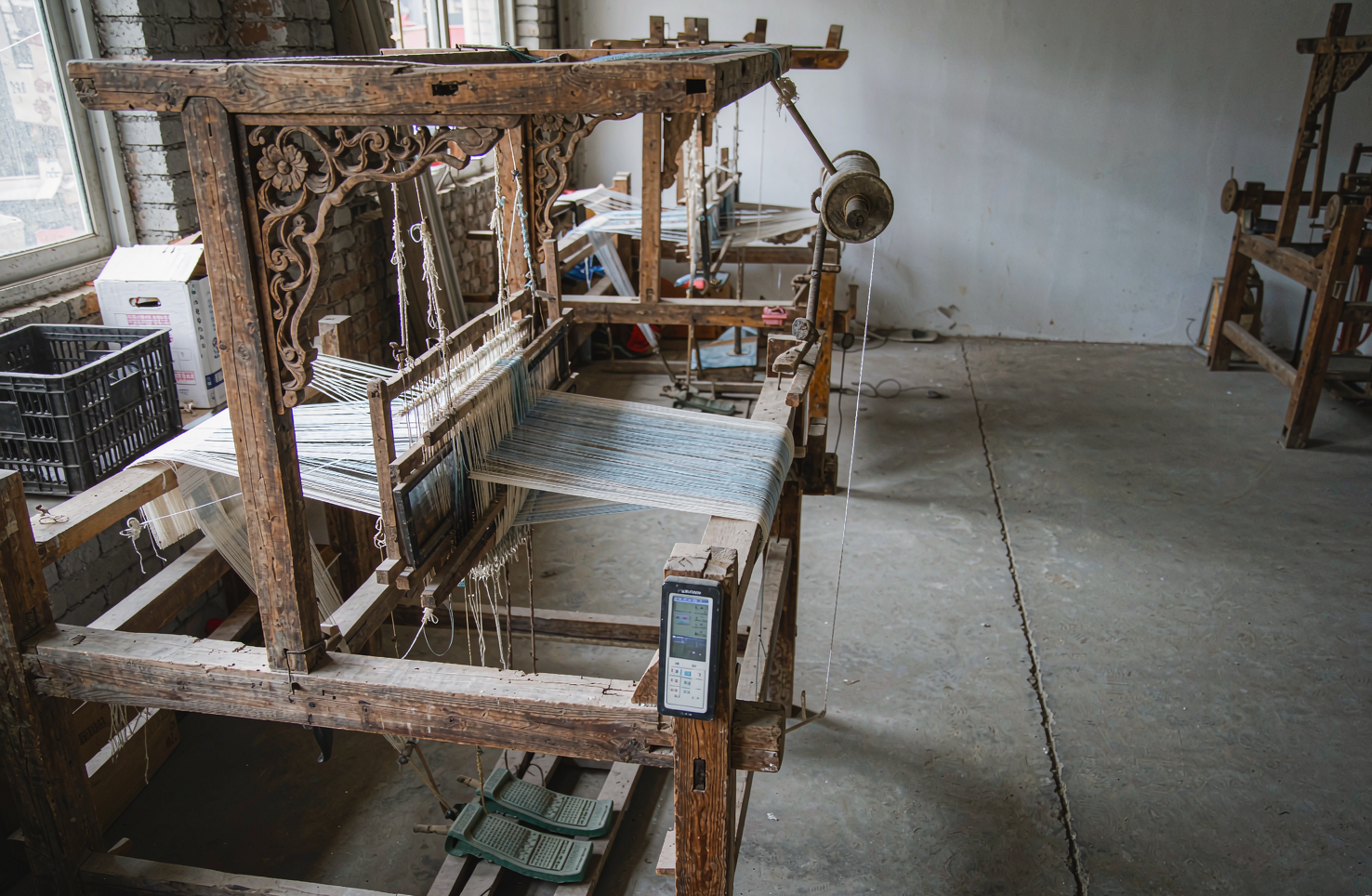
一段流传很广的画面里,一台机械臂正跟着非遗传承人"学艺"——学劈丝、捻线、穿针。看的人分成两拨:一拨说技术帮上了忙,一拨说来抢饭碗了。同一件事读出两种意思,关键在于用什么尺度去量。
韵和鸣 · 2026/10/9 · 58 阅读