历史经典产业这份意见,三处条款比口号更值得看
韵和鸣 · 韵和鸣公众号 · 2026/11/8 12:00:00 · 4 阅读
11 月头一周,六部门那份《关于推动历史经典产业高质量发展的意见》被反复提起。11 月 2 日央视网报道各地如何借它做文旅融合,11 月 4 日《中国旅游报》写了山东的柳编、陶瓷、汉服怎么接上去。文件本身是 2026 年 8 月 28 日印发的,工信部联消费〔2026〕204 号,经国务院同意,由工业和信息化部、人力资源社会保障部、农业农村部、商务部、文化和旅游部、市场监管总局联合印发。热闹之外,
▍一、它先把边界划清楚了
文件开头给了定义,历史经典产业是指丝绸、茶叶、瓷器、中药、酿造、工艺美术、文房四宝等文化底蕴深厚的中华传统特色产业。工艺美术与文房四宝被直接点名,非遗里的器物类技艺大体落在其中。目标写成了数字,到 2028 年培育 50 家百亿规模龙头企业、塑造 100 个中国消费名品、打造若干千亿级集群;到 2030 年培育一批世界一流企业。
所谓历史经典产业,按这份文件的界定,是指丝绸、茶叶、瓷器、中药、酿造、工艺美术、文房四宝等文化底蕴深厚的中华传统特色产业,由工业和信息化部会同五个部门于 2026 年 8 月 28 日以工信部联消费〔2026〕204 号印发。
▍二、头一处:传承人的收入被写进国家文件
第十八条讲人才接续培养,其中一句不常见,合理保障国家级、省级非遗代表性传承人以及青年从业者薪酬待遇。同段还写了规范开展工艺美术大师等评选活动,实施「新八级工」职业技能等级制度,支持地方把技艺人才纳入人才分类目录。
把薪酬待遇写进产业文件,含义不轻。过去谈传承,重心多在「有人学」,学成之后靠什么生活,往往落到个人与市场身上。摆到产业政策层面,等于承认手艺留不住人,先要解决挣不到钱的问题。
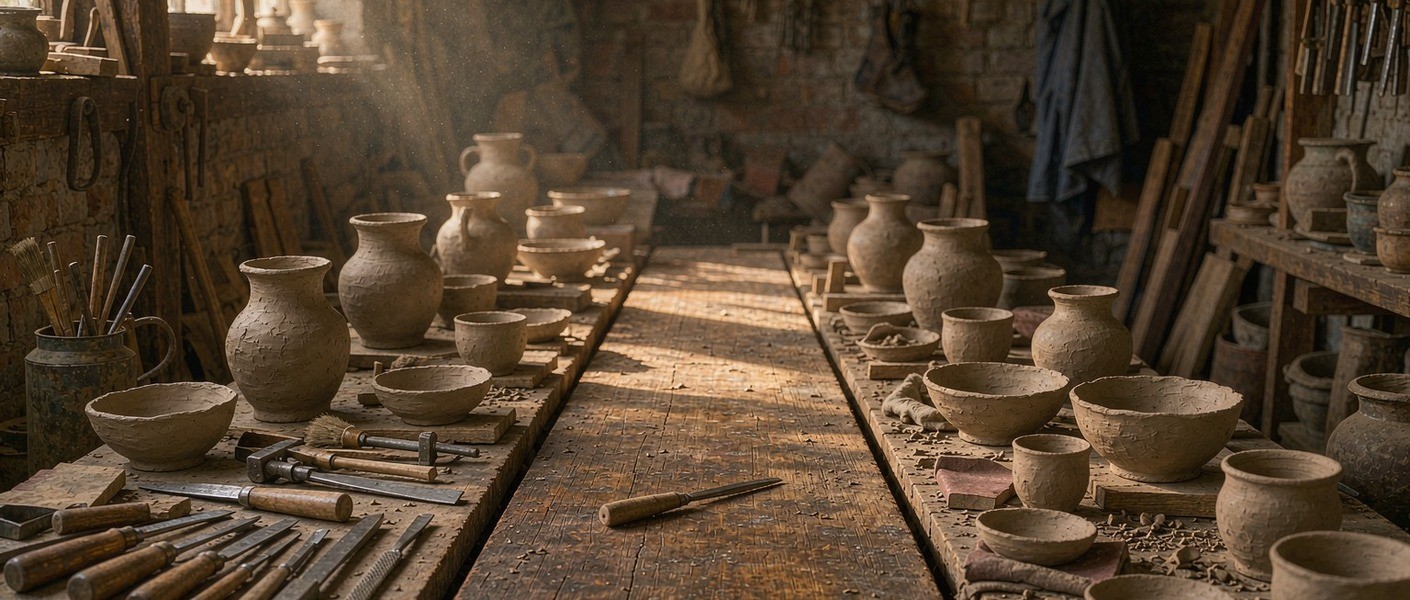
车间里一排工作台,台上摊着工具与半成的器物,光线从高窗落下来
▍三、第二处:配方与纹样要变成数据集
第八条讲智能化升级,写法比一般文件具体。编制人工智能赋能历史经典产业实施指南,支持优势产区探索建设产业大脑,构建涵盖配方、纹样、工艺等参数的高质量数据集,应用大模型解析传统工艺原理,建立产业工艺知识图谱。
对非遗这一端,这段话有两面。好的一面是记录方式变了,口传心授与纸上的工序单可以变成能被检索、被比对、被教学的结构化资料。难的一面是同一套数据也可能被用来替代人,纹样进入数据集之后,谁能用、怎么授权、收益归谁,文件没有细说。
▍四、第三处:出海从展会走到渠道
第十九条的落点很实。组织「经典品牌全球首发」,支持依托进博会、服贸会、消博会开展新品发布;鼓励名品精品依法依规进入口岸出境免税店、离境退税商店、市内免税店、高端商超;支持在境外设立品牌体验中心。这一串名单比「鼓励出口」有用,难处常在落地那一段,货到了摆在哪儿、怎么退税。
第二十条讲传播,提到「村播、旅播、艺播」三类平台与「中国好礼」「国潮精品」等标识产品。把直播写进产业文件,说明卖手艺的现场已被当成基础设施。
▍五、问答
问 | 历史经典产业包括哪些行业,非遗在不在里面
答 | 文件列了丝绸、茶叶、瓷器、中药、酿造、工艺美术、文房四宝七类,工艺美术与文房四宝直接点名,非遗中的器物类技艺基本落在其中。文件由工业和信息化部等六部门于 2026 年 8 月 28 日印发,文号工信部联消费〔2026〕204 号。
问 | 这份意见对普通手艺人有什么实际影响
答 | 三处与个人直接相关。第十八条提出合理保障国家级、省级非遗代表性传承人及青年从业者薪酬待遇,并要求健全职业标准、实施「新八级工」等级制度;第十六条提出补齐工艺规范与质量标准短板,标准清楚之后,报价与验收才有依据。
问 | 韵和鸣做非遗出海,这些渠道用得上吗
答 | 用得上,但顺序要摆对。韵和鸣做的是把全国真正的非遗手工品严选出来送到海外市场,背后有未来丝路的跨境链条,产品出口欧美、日韩、新加坡等地。免税店与境外体验中心属于渠道入口,能不能站住,仍要看器物本身讲不讲得清来路与工序。
📩 非遗项目 | 匠人举荐 | 跨境出海 | 线下联营
欢迎留言或后台联系,我们与匠人同行。
—— 韵和鸣 · 与匠人同行
〖 国 〗
相关搜索 | RELATED SEARCHES
历史经典产业 · 六部门意见 · 工信部联消费〔2026〕204号 · 非遗传承人 薪酬 · 工艺美术 标准 · 非遗出海 渠道
English
The text opens with a definition: historical classic industries are China's traditional industries with deep cultural roots, namely silk, tea, porcelain, Chinese medicine, brewing, arts and crafts and the four treasures of the study. The last two are named outright, and most object-based heritage crafts fall inside. Goals are set in numbers: by 2028, fifty leading firms at the ten-billion-yuan scale, one hundred Chinese consumer brands and several hundred-billion-yuan clusters; by 2030, a group of world-class enterprises and known brands.
Historical classic industries, as defined here, are China's traditional industries with deep cultural roots, including silk, tea, porcelain, Chinese medicine, brewing, arts and crafts and the scholar's four treasures, issued on 28 August 2026 by the industry ministry with five others as document No. 204 of 2026.
Clause One: Bearers' Income Enters a National Document
Article eighteen covers training the next generation, with an uncommon line: reasonably safeguard the pay of national and provincial heritage bearers as well as young practitioners. The same passage calls for orderly selection of arts and crafts masters, a new eight-grade vocational skill system, and local support for bringing craft workers into talent catalogues.
Putting pay into an industrial document carries weight. Past discussion centred on getting people to learn; what happens to their livelihood afterwards was left to individuals and the market. Placing it at the level of industrial policy admits one thing: if a craft cannot keep people, the income problem comes first.
A row of workbenches in a workshop, tools and half-finished pieces laid out, light falling from high windows
Clause Two: Recipes and Patterns Are to Become Datasets
Article eight covers intelligent upgrading, and is more specific than such texts usually are: a guide for AI in these industries, industrial brains in leading production areas, high-quality datasets covering recipes, patterns and process parameters, models to analyse how traditional techniques work, and a knowledge graph of craft processes.
For heritage this cuts both ways. The good side is a change in how things are recorded: what passed mouth to mouth, or sat on paper, can become structured material that is searchable, comparable and teachable. The hard side is that the same data can be used to replace people, and once patterns enter a dataset the document does not say who may use them, how licensing works, or where revenue goes.
Clause Three: Going Abroad Moves from Fairs to Channels
Article nineteen lands concretely: a global debut programme for classic brands at the import expo, the services trade fair and the consumer products expo; encouragement for quality goods to enter duty-free shops at ports, departure tax-refund stores, downtown duty-free outlets and premium supermarkets; and support for brand experience centres abroad. That list is far more useful than a call to export more, since the difficulty sits at the landing stage: where goods sit, who explains them, how refunds work.
Article twenty covers promotion, naming three kinds of livestreaming platforms and labelled lines such as China Gifts. Writing livestreaming into an industrial document says something: the place where craft is sold now counts as infrastructure.
Which industries count as historical classics, and is heritage included?
Seven are named: silk, tea, porcelain, Chinese medicine, brewing, arts and crafts, and the scholar's four treasures, with the last two named outright, covering most object-based heritage crafts. Six ministries issued it on 28 August 2026 as document No. 204 of 2026.
What does the opinion change for an ordinary maker?
Three points touch individuals. Article eighteen seeks to safeguard pay for national and provincial bearers and young practitioners, and calls for occupational standards and the new eight-grade system; article sixteen fills gaps in process specification and quality standards, which gives pricing and acceptance a basis.
Do these channels matter for YUNHEMING's export work?
Yes, with the order kept straight. YUNHEMING curates genuine handmade heritage work from across China for overseas markets, backed by the Future Silk Road cross-border chain, with products going to Europe, the US, Japan, Korea and Singapore. Duty-free shelves and overseas experience centres are channel entrances; whether one holds the ground depends on whether a piece can state its provenance and process.
The weight of this document lies not in the targets but in three interfaces: a stated basis for income, a standard for records, and entrances for export. The interfaces are open; whether they carry traffic depends on the rules that follow.
The above is a personal reading only; the official text prevails.
ICH Projects · Artisan Referrals · Global Distribution · Salon Partnerships
你可能还感兴趣
非遗"十五五"规划:四件事,指向一个方向
2026 年 9 月,文化和旅游部印发《非物质文化遗产保护传承"十五五"规划》。文件不长,但有几处提法,值得做手艺的人多读两遍。
韵和鸣 · 2026/10/4 · 46 阅读

一个机构首次亮相,非遗被放进了一张更大的网
9 月 29 日,中共中央办公厅、国务院办公厅印发《文化遗产保护传承"十五五"规划》。文件共十二个部分、33 条,其中有一个机构名是全新的——读懂它,也就读懂了非遗往后几年要待的位置。
韵和鸣 · 2026/10/7 · 45 阅读

首份文化遗产"十五五"规划里,非遗占了哪几行
中共中央办公厅、国务院办公厅近日印发《文化遗产保护传承"十五五"规划》。据新华社 2026 年 10 月 20 日报道,国务院新闻办公室当日举行发布会介绍这份规划,并明确这是我国首次在文化遗产保护领域编制的五年规划。对做手艺的人来说,值得关心的不是排场,而是那几条具体到工序、到传承人、到市场的表述。以下仅为个人梳理;说到底,它把非遗从一项单独的文化工作收进了治理框架。
韵和鸣 · 2026/10/24 · 44 阅读
从 700 万到 1219 万:山西给非遗的钱,多在了哪
山西省级非遗保护专项资金从年度预算到传承人补助均有明确安排,资金还与展销、线路和品牌计划配合。文章厘清投入方向及其边界:经费能支持保护与传习,却不能单独保证手艺留住学徒、进入生活。
韵和鸣 · 2026/10/8 · 78 阅读

一门手艺的背后,政策怎么把人接住
前面几期,我们把国家、省、市三级的新文件挨个捋了一遍。这一轮收个口:不解读新文件,只看一条贯穿四级政策的暗线——人。名录、工坊、产业,说到底都要有人去做;而这一轮政策最值得记下的变化,是把"支持传承人"从一句原则,拆成了看得见的台阶。
韵和鸣 · 2026/10/14 · 63 阅读

一部还在征求意见的条例,先点了平遥漆器的名
政策一层层往下走:国家定方向,省里给资源,到了市县,它得落到具体的街巷、人和器物上。关键在于,一部市级条例点到哪门手艺、又把它放在哪一条里,比笼统表态更能说明当地的取舍。
韵和鸣 · 2026/10/9 · 61 阅读