「我们从来不讲非遗,只讲手艺」:这句话该怎么听
韵和鸣 · 韵和鸣公众号 · 2026/11/8 12:00:00 · 3 阅读
11 月 5 日,腾讯新闻《城市镜头》刊出一篇长报道,做民艺转化的团队「自然造物」创始人王猛涛说了一句很刺的话,我们从来不讲非遗,只讲手艺、民艺。同一篇报道里还有一组数据,截至 2026 年 5 月,非遗相关现存企业里近六成成立不足三年,成立十年以上的只有 6.69%。一句话加一组数字,把一个老问题重新摆上桌面。
▍一、标签这一边:它确实解决过问题
先把手艺叫成非遗,是有实惠的。进了名录,才有保护单位、有记录经费、有传承人认定,才有资格申报专项资金与工坊项目。对消费者,这三个字也是识别器,指向一个可核对的身份。
出海这一端同样受益。海外买家与平台需要一套说法来理解中国的手工品,非遗是一个现成的入口,能解释它为什么贵、为什么慢、为什么不能量产。做品牌的人清楚,讲不清来路的东西,溢价站不住。
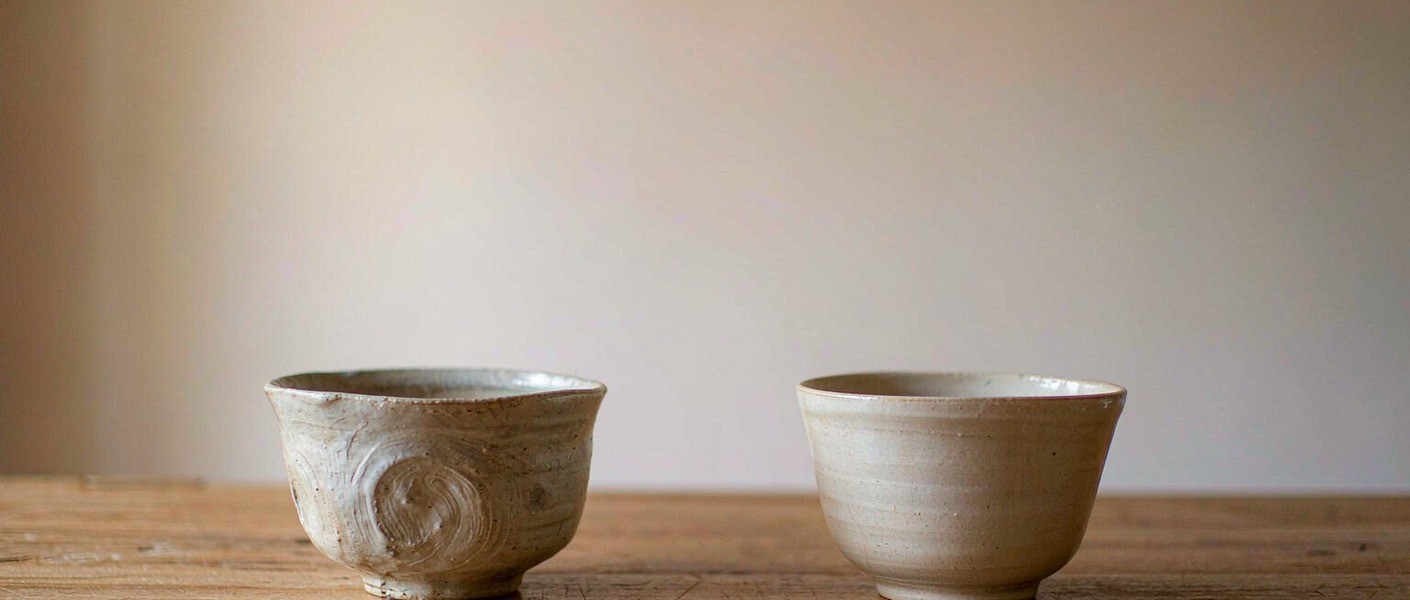
木桌上并排放着两件素色器物,一件带手作痕迹,一件边线整齐得近乎一样
▍二、标签这一边:代价也在同一处
反方的理由更硬。遗产两个字,语法上指向已经完成的东西。一门还在被使用的活手艺,被装进「遗产」这个筐,叙事上就先矮了一截。年轻人听到遗产,想到的是保护与抢救,不是职业与收入。
第二个代价是评价权外移。谁是传承人、哪一级、算不算真手艺,判断权在评审与名录,不在市场与使用者。王猛涛在同一篇报道里说过另一句,这门手艺能不能从手艺人身上流传下去,对他来讲没有这个使命。这话不好听,却说出了另一种立场,把选择权交回需求端。
第三个代价藏在那组企业数据里。近六成相关企业成立不足三年,涌进来的多是短周期玩家。标签带来关注,也带来套利的人,套利的人撤离时,留下的是一地同款。
▍三、收束
两边的道理都成立,因为它们说的不是同一件事。一方讲的是资源与识别,另一方讲的是叙事与判断权。标签本身没有对错,关键在于用它的人想解决什么问题,想留住谁。
一门手艺的生死线只有一条,有没有人愿意为它付钱,并且一直付。标签能帮忙找到这批人,也可能让人误以为找到了。你更认哪一边?评论区说说。
▍四、问答
问 | 非遗产品和普通手工艺品有什么区别
答 | 差别在认定与责任。非遗代表性项目有名录级别、保护单位与代表性传承人,技艺的工序与谱系要说得清;普通手工艺品只对产品本身负责。买的时候看来源与工序,比看标签更可靠。
问 | 只有列入名录的手艺才值得买吗
答 | 名录是一层筛选,不能当作尺子。许多地方手艺尚未进入名录,工序照样完整。判断一件东西好不好,看三点,材料是否如实、工序是否手工完成、作者是否能说清自己跟谁学的。
问 | 韵和鸣怎么用「非遗」这三个字
答 | 当作核查工具用。韵和鸣只选真正的非遗手工品,器物与非遗老师联名,署名、产地、工序都要写清;这三个字对品牌的意义,是让来源可查、让责任可追,不是让价格自动上浮。
📩 非遗项目 | 匠人举荐 | 跨境出海 | 线下联营
欢迎留言或后台联系,我们与匠人同行。
—— 韵和鸣 · 与匠人同行
〖 辩 〗
English
The Case for the Label: It Solved Real Problems
Calling a craft heritage brings tangible things. Listing means a protecting unit, recording funds, recognised bearers, and eligibility for special funding and workshop programmes. For buyers the term works as an identifier: among a crowd of labels it points to a status that can be checked.
Export benefits too. Overseas buyers and platforms need a frame to understand Chinese handmade goods, and heritage is a ready entrance that explains why something costs more, why it is slow, why it cannot be mass produced. Brand people know that without a stated provenance, a premium does not hold.
Two plain objects side by side on a wooden table, one bearing hand marks, the other edged with machine regularity
The Case Against: The Cost Sits in the Same Place
The opposing argument is harder. The word heritage points, grammatically, to something finished. A living craft still in use, placed in that basket, is already framed as smaller than it is. Young people hearing heritage think of preservation and rescue, not of a trade and an income.
The second cost is that judgement moves outward. Who counts as a bearer, at which level, whether something is real craft, is decided by review and listing rather than by the market and its users. In the same piece Wang said something else: whether a craft survives through a particular maker is not his mission. It sounds harsh, and it names another position, handing the choice back to demand.
The third cost hides in those figures. With nearly sixty per cent of firms under three years old, most entrants are short-cycle players. A label draws attention and arbitrage alike, and when arbitrage leaves, a field of lookalikes remains.
Both sides hold, because they are not talking about the same thing. One speaks of resources and recognition, the other of narrative and the power to judge. A label is neither right nor wrong; what matters is which problem its user means to solve and whom it means to keep.
A craft has one lifeline: whether someone will pay for it, and keep paying. A label can help find those people, and can also make one believe they have been found. That judgement belongs to anyone doing business in craft. Which side do you take? Tell us below.
What separates a heritage product from an ordinary handmade object?
The difference lies in recognition and accountability. A listed heritage item has a level, a protecting unit and recognised bearers, and its process and lineage must be statable; an ordinary handmade object answers only for itself. When buying, check provenance and process rather than the label.
Is a craft worth buying only if it is on a list?
A list is one result of screening, not the only standard. Many local crafts are not yet listed and their process is intact all the same. Judge an object on three points: whether the material is as claimed, whether the work is done by hand, and whether the maker can say who taught them.
How does YUNHEMING use the word heritage?
As a tool for verification. YUNHEMING selects only genuine handmade heritage work, co-signs pieces with the masters, and states credit, origin and process; for the brand the word means provenance that can be checked and responsibility that can be traced, not an automatic markup.
ICH Projects · Artisan Referrals · Global Distribution · Salon Partnerships
你可能还感兴趣
AI 生成的"非遗纹样",算不算抄袭
喂一批图给模型,几秒钟就能出一张"苗绣风"的纹样。有人觉得这是把传统纹样重新用起来,有人认为这是把别人一辈子的手艺免费拿走了。问题不好回答,说到底,真正难定的不是"像不像",而是数据从哪来、收益到哪去。今天我们不做判断,只把两边的理由摆出来。
韵和鸣 · 2026/10/24 · 60 阅读
机器开始学手艺:是给匠人搭把手,还是来接班
一段流传很广的画面里,一台机械臂正跟着非遗传承人"学艺"——学劈丝、捻线、穿针。看的人分成两拨:一拨说技术帮上了忙,一拨说来抢饭碗了。同一件事读出两种意思,关键在于用什么尺度去量。
韵和鸣 · 2026/10/9 · 58 阅读
年轻人不愿学老手艺,该怪年轻人,还是怪这门手艺?
非遗传承里被讨论得最多的一句话是"后继乏人"。这句话往下追一层,就分成两条路:一条通向年轻人,说他们耐不住、看不上;一条通向他们面对的那门手艺,说它没能给出一条能活下去的路。这两条路,最近又吵起来了。
韵和鸣 · 2026/10/8 · 56 阅读

非遗创新只剩跨界联名和文创,是真突破还是路径依赖?
长假刚过,一场区域性非遗活动发布的"创新案例"名单在网上引来讨论:入选案例的路数出奇一致——不是和游戏影视做跨界,就是把老手艺搬进沉浸式演出,再就是开发一轮文创。有人叫好,也有人摇头:年年喊创新,怎么总围着老三样转?是突破,还是路径依赖?两边的话都摆出来。
韵和鸣 · 2026/10/13 · 48 阅读
漆器为什么能埋八千年不坏
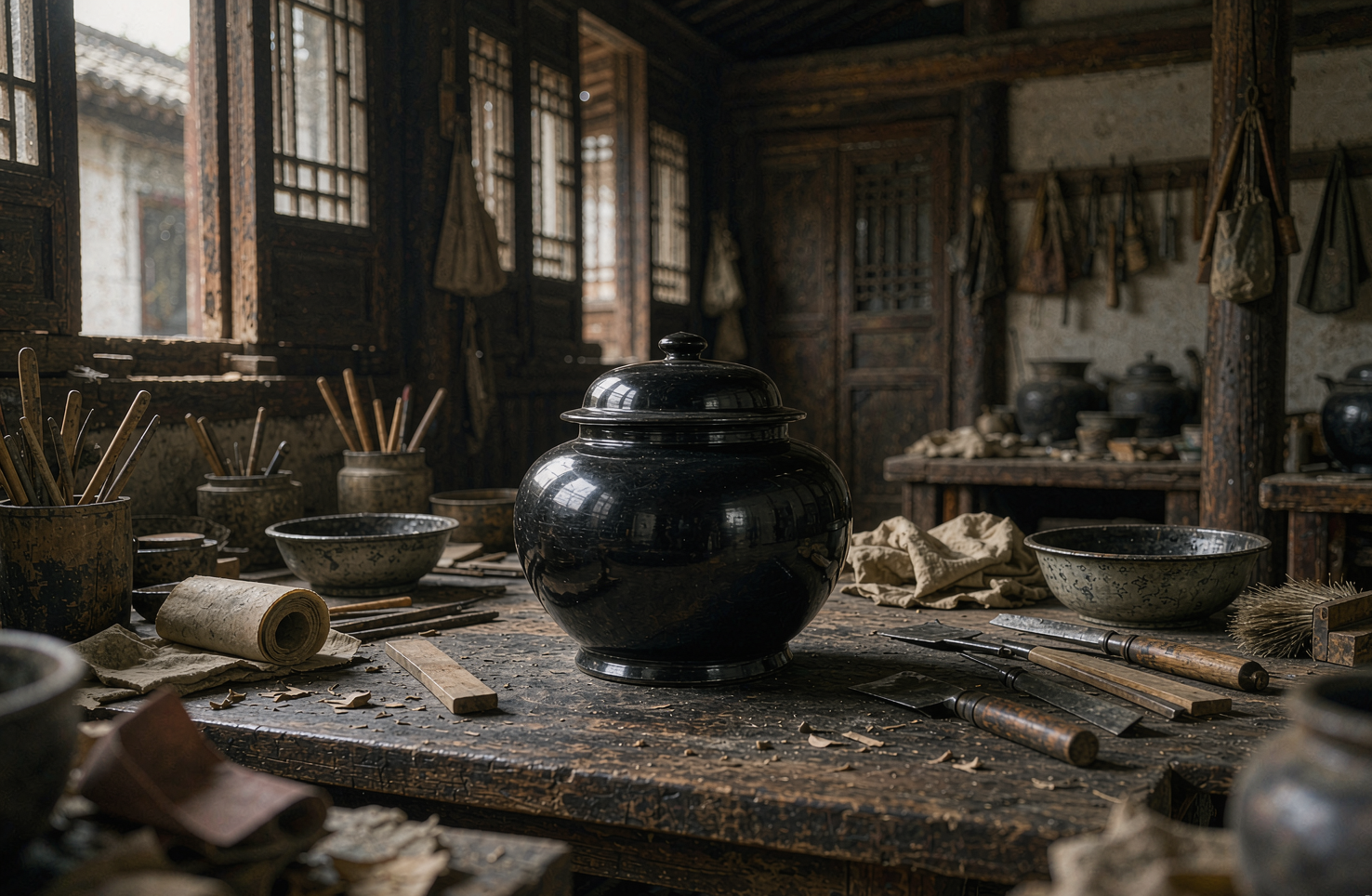
在博物馆做漆器研究与修复的研究员老周,桌上常年摆着两样东西:一段出土的漆皮残片,一只新做不久的平遥推光漆盘。他说这两样东西隔着八千年,却是同一种材料。这次对话,我们从"漆器为什么埋几千年不坏"聊起,聊到最后,其实是手艺对材料的理解问题。
韵和鸣 · 2026/10/14 · 69 阅读
去贵州雷山,看一块银元如何变成一支银簪
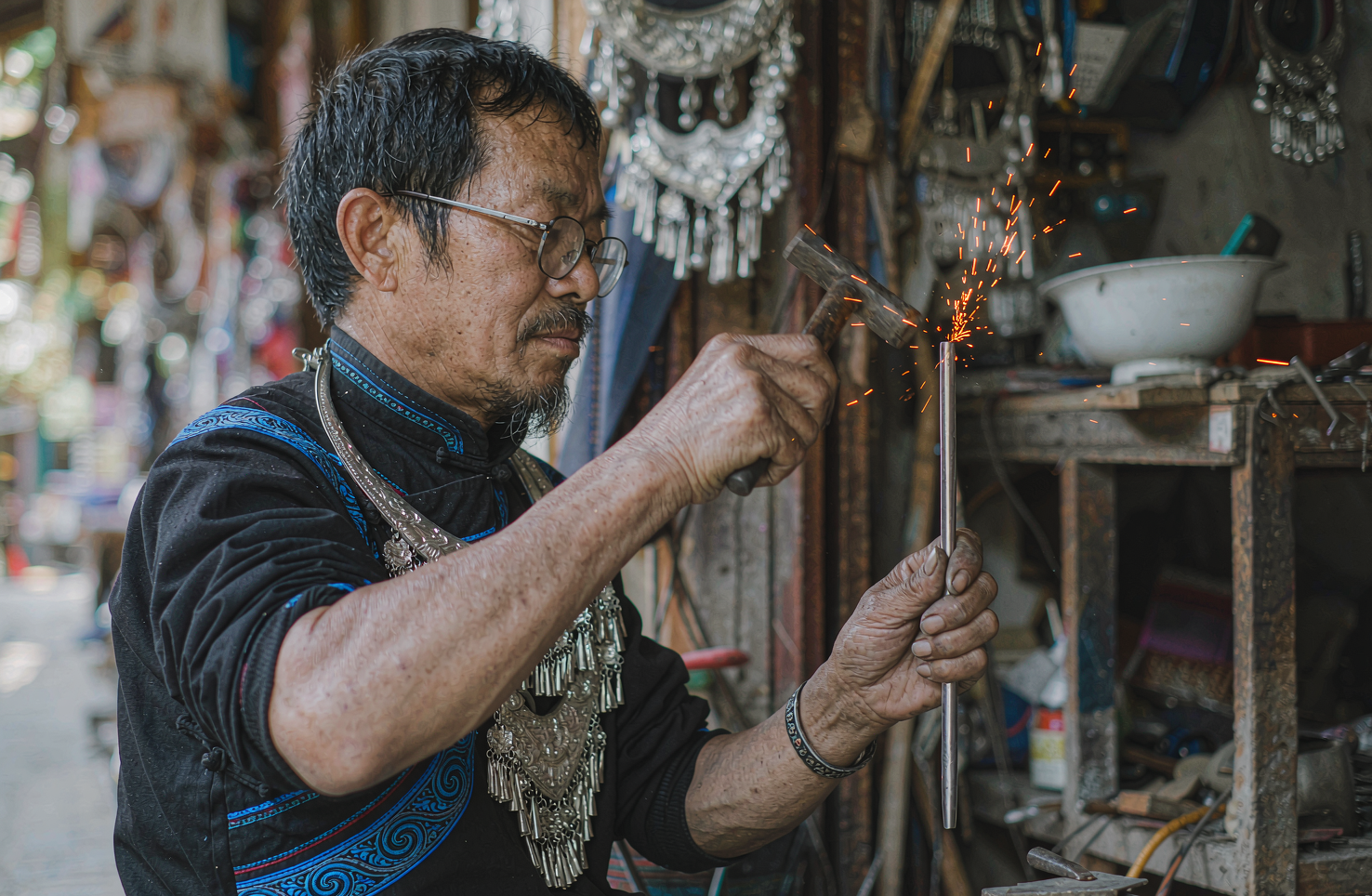
在黔东南的苗寨里,银不只是一种首饰材料。它曾经是可以随时熔掉、重新打制的"存款",也是节日里一个女人身上最亮的那部分。关键在于,当一块老银元被放进坩埚,它要经过多少双手、多少道火,才重新成为一件能戴出门的东西。
韵和鸣 · 2026/10/9 · 62 阅读