我们不做的事:一份写给自己看的清单
韵和鸣 · 韵和鸣公众号 · 2026/11/7 12:00:00 · 1 阅读
品牌介绍通常写「我们做什么」。今天反过来写一次「我们不做什么」。这份清单不是为了显得清高,是因为这几年真的靠它挡掉了一些单子,也真的因为守它慢过半拍。写下来,是给自己留个凭据。
▍一、不做说不清来路的器物
一件器物进门,头一个问题固定是:谁做的,在哪做的,用了什么工序。三个问题里有一个答不上来,就不收。这条听着简单,执行起来最难,因为市面上的外观可以做到很接近,只有问到工序,差别才浮出来。
▍二、不做没有工序的联名
联名两个字现在用得很松。我们的理解是,联名意味着匠人的名字与手艺同时在场:他做,他署名,他认可这件东西以他的名义出门。只借一个名头,把图案交给工厂去印,这类合作我们不做。
▍三、不做催出来的活
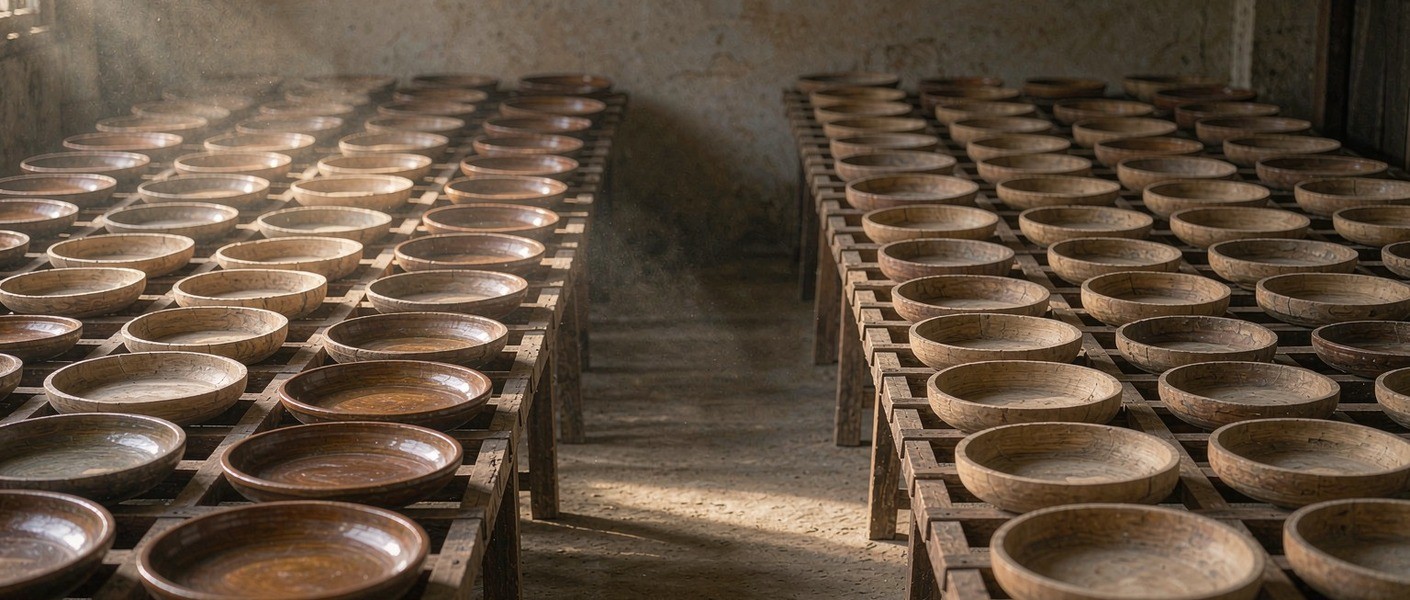
有些工序快不得。漆要一层层髹,每层干透才能上下一层;墨要晾,一两的墨锭在恒温恒湿的晾墨场里待上半年;织锦上机后换一版花样就是几天。催出来的东西,问题不会当场出现,会在两年后开裂、变形、脱色。
晾架上整齐排开的半成品,光线从侧面进来,落在一层薄灰上
所以节点要给在工序之后,不能给在营销之前。有一年节庆季,我们因为等一批器物出晾房,错过了上架时间。那批货后来卖得很好,客人复购时说的头一句话是「上一件用了两年还很好」。
▍四、不做把价格压到匠人做不下去的生意
促销是常态,但有一条底线:折后的价格要能让匠人继续按原来的工序做下去。压到需要减一道工、换一档料的程度,这笔生意就不接。短期看是丢了销量,长期看是保住了下次还能拿到同样的货。
所谓非遗经纪人,是指以代理与服务的角色介入非遗手工品的流通:替匠人处理内容、渠道、翻译、物流与售后,让手艺人专注制作。这一角色的边界在于,商业决定不能反过来改写工序。
▍问答
问 | 你们不做的事里,哪一条最难守
答 | 不催工。市场节奏是按月上新的,工序节奏是按季节走的,两者天然冲突。我们的处理办法是把预期先说清楚:这件东西什么时候能好,由工序决定,销售节点跟着工序走。
问 | 拒掉一单,匠人不会有意见吗
答 | 相反的情况更多。真正在做手艺的老师,往往比我们更不愿减工序。拒绝压价单这件事,多数时候是我们和匠人站在同一边,一起把不合适的生意挡在门外。
问 | 这些规矩会不会让品牌做不大
答 | 会慢,但不一定做不大。非遗手工品的供给本来有上限,一门手艺的产能由人手与工序决定。把速度让出去,换来的是可复述的来源与可延续的合作,这两样在海外市场比折扣更管用。
问 | 韵和鸣和手艺老师是怎么合作的
答 | 关系写在同一件东西上:老师做,老师署名,我们负责把它的来历讲清楚、把路铺到海外市场。只借名头、货交给工厂代做的合作,我们不当作联名。分成之外还有一层,作品归谁、署名怎么标、后续复刻要不要再谈,都提前写进约里。
📩 非遗项目 | 匠人举荐 | 跨境出海 | 线下联营
欢迎留言或后台联系,我们与匠人同行。
—— 韵和鸣 · 与匠人同行
〖 生 〗
English
When a piece comes in, the first questions are fixed: who made it, where, and by what process. If one of the three cannot be answered, it does not enter. Simple to state, hardest to enforce, because much on the market looks close enough until the process is asked about.
Co-signing is used loosely nowadays. Our reading is that it means a maker's name and craft are both present: they make it, they sign it, they accept that it travels under their name. Lending a name while a factory prints the pattern is not a collaboration we take on.
Some steps cannot be hurried. Lacquer goes on coat by coat, each needing to dry before the next; ink rests in a constant-climate room for half a year; once a brocade is on the loom, changing a pattern costs days. Rushed work does not fail on the spot; it cracks, warps or fades two years later.
Half-finished pieces in rows on a drying rack, side light settling on a film of dust
Deadlines must therefore follow the process, never precede the marketing. One holiday season we missed the shelf date waiting for pieces to leave the drying room. That batch sold well afterwards, and the first thing a returning customer said was that the earlier piece still looked good after two years.
We Do Not Price Makers Out of Their Own Craft
Discounting is routine, with one floor: the discounted price must still let the maker work to the same process. If it would require dropping a step or a grade of material, we pass. In the short run that costs volume; in the long run it keeps the same goods available next time.
A heritage agent works as representative and service provider in the circulation of handmade heritage goods, handling content, channels, translation, logistics and after-sales so that makers can keep to making. The boundary of the role is that commercial decisions must never rewrite the process.
Which of these rules is hardest to keep?
Not rushing the work. The market refreshes monthly while process moves with the seasons, and the two collide by nature. Our way through is to state expectations early: when a piece will be ready is decided by the process, and the sales calendar follows it.
Do makers object when you turn an order down?
More often the reverse. Masters who genuinely practise a craft are usually more reluctant than we are to cut steps. Refusing a price-cutting order usually finds us on the same side as the maker, keeping unsuitable business outside the door.
Do these rules keep a brand small?
It slows things down, though not necessarily small. Supply of handmade heritage work has a ceiling set by hands and process. Trading speed away buys provenance that can be retold and partnerships that continue, and in overseas markets those matter more than discounts.
How does YUNHEMING work with the masters?
The relationship is written on the object: the master makes it, the master signs it, and we make the provenance clear and open the route to overseas markets. Lending a name while a factory produces the goods is not a co-signing in our terms. Beyond revenue share, who owns the work, how credit is marked and whether a reissue needs a new agreement are all settled in writing beforehand.
The list will grow. What should a heritage brand refuse to do? Tell us below, and the right ones will go into the next version.
ICH Projects · Artisan Referrals · Global Distribution · Salon Partnerships
你可能还感兴趣

山西一半,全国一半:一个品牌的地理观
做一个非遗品牌,很容易掉进一个舒服的陷阱:把家乡的手艺讲成一个地方故事,然后靠"特产"两个字活着。这条路不难走,但也走不远。
韵和鸣 · 2026/10/8 · 45 阅读

一件手作品的价格,是怎么算出来的
手作价格不仅包含材料与工时,还要覆盖失败报废、等待占用和后续修复。判断价格是否合理,可追问各项成本对应什么、匠人获得什么、核心工序是否保留,以及售后由谁承担。
韵和鸣 · 2026/10/24 · 43 阅读

严选的标准,说到底是三条线
韵和鸣所说的严选,落在手艺来路、真实手作痕迹和长期使用价值上。文章解释为什么一定要去工坊看材料与工序,如何区分手作差异和故意做糙,也说明宁可少选、不在来源与品质上含糊的取舍。
韵和鸣 · 2026/10/4 · 43 阅读
六大非遗矩阵,是怎么被凑到一起的
韵和鸣将漆、竹、绣、银、锦、瓷划为六条手作品类线,共同准入标准是来源清楚、核心工序明确和手工真作。文章说明跨品类并非简单凑齐货架,而是用同一套选品、内容、渠道与出海协作连接不同匠人。
韵和鸣 · 2026/10/10 · 42 阅读

为什么叫"韵和鸣":三个字里的三重境界
韵和鸣三个字分别指向单项手艺的节奏、多门手艺的相处与中国非遗对外表达。文章用漆、竹、绣、银、锦、瓷的特点解释名称,并把出海落在讲清工艺与来路上,而不只是把器物运到远处。
韵和鸣 · 2026/10/2 · 41 阅读
从平遥漆坊到「韵和鸣」:十来年只做一件事
2015 年,品牌的前身平遥漆韵工坊创立,做的事很单一:平遥推光漆器髹饰技艺的复原。没有热闹的场面,就是对着老器物一遍遍试——七髹八磨,试到漆面能照见人。
韵和鸣 · 2026/10/2 · 30 阅读