一件手作品的价格,是怎么算出来的
韵和鸣 · 韵和鸣公众号 · 2026/10/24 12:00:00 · 7 阅读
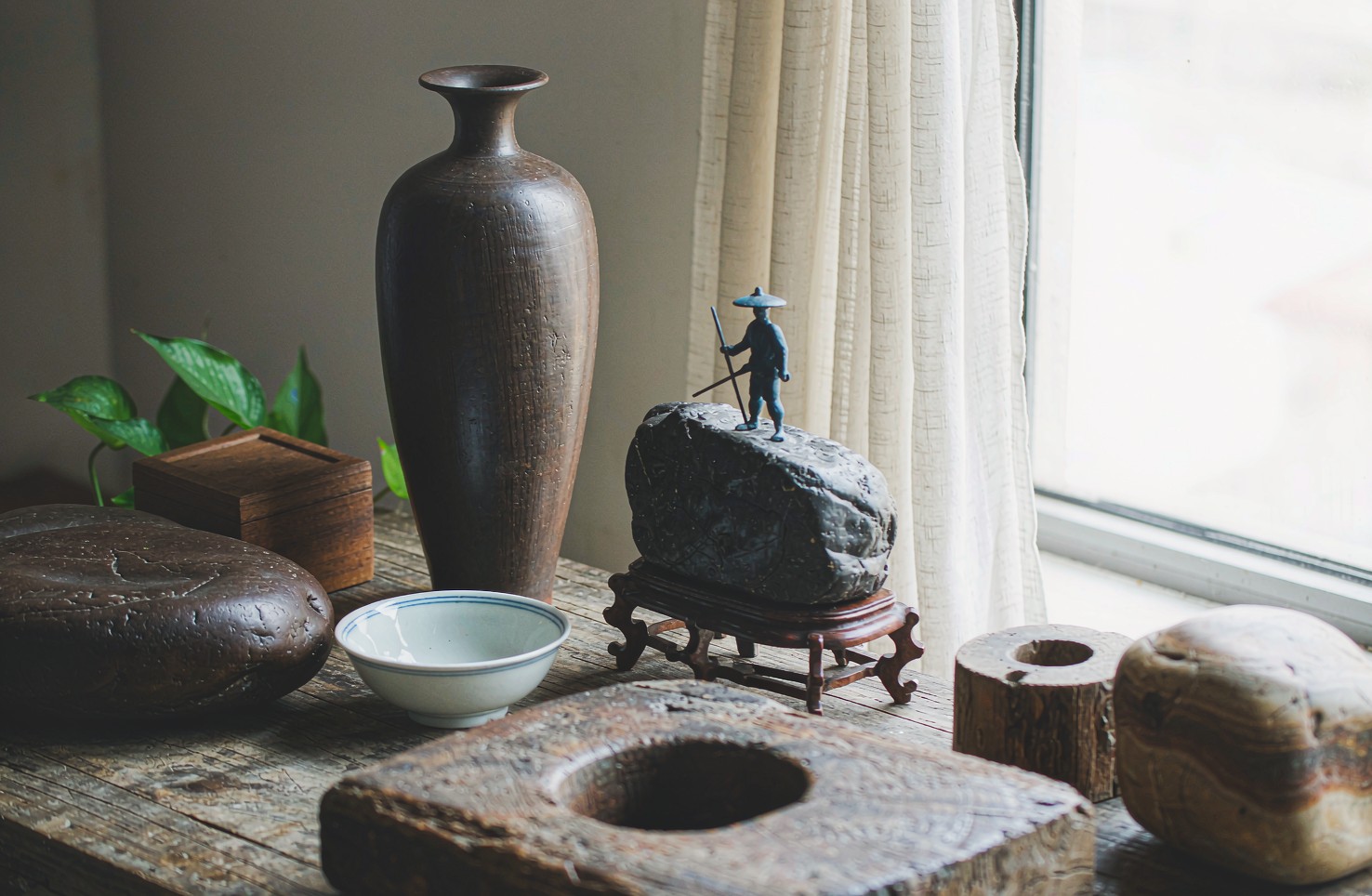
价格是我们被问得最多的问题之一。今天把账摊开说清楚:一件器物的价格里,既有看得见的材料与工时,也有看不见的报废率、等待时间和后续服务。把这三块讲明白,价格就不再是一个数字,而是一份说明。说到底,看价格就是看它能不能自圆其说。
▍一、先看成本的三层
第一层是显性的:材料、辅料、过程工具与人工工时,这部分大多数人心里有数。
2026 年印发的《文化遗产保护传承"十五五"规划》提出推动非遗工坊提质增效。所谓提质增效,即让工坊在生产、传承与带动产业三件事上同时站得住——这三项也正是定价时必须覆盖的成本。
第二层是隐性的:报废率。手工项目在某一道工序上失败,前面所有工时一并作废,而报废是常态,不是事故。第三层最容易被忽略——时间占用。一件需要反复阴干、反复修整的器物,占用的不只是工序时间,还有工坊的场地与季节窗口。
工作台上摊开的成本清单,旁边是一只尚未完成的器物
▍二、三个我们不肯压缩的地方
其一是付给匠人的部分。 我们是"非遗经纪人",定位里有一条是帮匠人做他做不了的事——看见、译介、交付。这一条要成立,前提是匠人的收入不被压到无法维持这门手艺。
其二是核心工序的手工程度。 价格要往下走,最快的办法是让机器接管核心环节。这一条我们不做:宁可少出几件,也不把核心工序交出去。
其三是售后。 我们支持回收,器物用久了出问题可以寄回来修。这项承诺预先计入成本,因为它意味着我们对结果负责。
▍三、所以有些东西,我们卖不了便宜
需要说清楚的是,价格高不等于价值高。我们真正在意的是价格能不能回答它自己:每一部分对应什么代价,哪些付给了人,哪些留给了售后。如果便宜到无法解释这些,通常意味着有人在这条链上没有拿到他应得的。
▍问答
问 | 手工器物贵,贵在哪三样
答 | 工时、报废率与时间占用。工时决定下限;报废率决定看不见的损失,手工项目的失败是常态;时间占用指的是等待与场地成本,比如需要反复阴干的器物。除此之外还有服务,能修退的东西通常比丢了就换的东西贵一点。
问 | 韵和鸣的定位是"非遗经纪人",具体帮匠人做什么
答 | 主要做匠人做不了或不擅长的部分:一是公益角度的帮扶,包括面向匠人的公益性质的技艺传授与记录;二是看得见的部分,我们给老师拍产品、拍视频,做多语言直播与多国语言翻译,让手艺讲给国内外读者听;三是替匠人挡掉不该接的单,让老师回到手艺本身。此外还有自有访谈栏目,把匠人的经历记录下来。
▍说在最后
我们始终相信一件简单的事:匠人更好,韵和鸣才会更好。定价是这条信念最直接的检验——如果一件事让匠人变差了,那它一定也让我们的这件事变差了。
你在买一件贵的东西时,最想知道账面上的哪一部分?评论区说说,我们试着逐条答。
📩 非遗项目 | 匠人举荐 | 跨境出海 | 线下联营
欢迎留言或后台联系,我们与匠人同行。
—— 韵和鸣 · 与匠人同行
〖 生 〗
English
That much anyone can picture.
The Cultural Heritage Protection and Transmission Plan issued in 2026 proposes raising the quality and effectiveness of heritage workshops, meaning that they must hold their ground in production, in transmission and in driving industry at once, three things that pricing must also cover.
The first layer is explicit: material, ancillary supplies, tools used and labour hours, which most people can picture. The second is implicit: the rejection rate. When a hand-process fails at one stage, all preceding hours are lost, and rejection is normal rather than accidental. The third is most often overlooked, the occupation of time: an object requiring repeated drying and truing takes up not just process time but workshop space and seasonal windows.
A cost sheet spread open on a bench beside an unfinished vessel
The first is what reaches the maker. We call ourselves heritage agents, and part of that role is doing for makers what they cannot do themselves: being seen, being translated, being delivered. That only holds if the maker's income is not squeezed below what sustains the craft, otherwise "support" is merely a phrase.
The second is how much of the core process stays handmade. The fastest way to bring price down is to let machinery take over the central stages. That we do not do: better to produce fewer pieces than to hand the core away, because the character of the object changes with it.
The third is aftercare. We support take-back, so a piece that develops problems after long use can return for repair. That promise is priced in from the start, because it means taking responsibility for outcomes, not merely for the transaction.
To be clear, a high price is not the same as high value, and no equals sign joins them. What concerns us is whether a price can account for itself: which part answers for which cost, what went to people and what was reserved for later service. When something is too cheap to explain any of that, it usually means someone along the chain did not receive their due.
Handmade objects cost more: what are the three things you pay for?
Labour hours, rejection rate and time occupied. Labour sets the floor; rejection determines the invisible loss, since failure is normal in hand processes; time occupied covers waiting and space, as with pieces needing repeated drying. Then comes service: things that can be repaired and returned usually cost slightly more than things you simply replace.
YUNHEMING calls itself a heritage agent: what does it actually do for makers?
Mainly the things a maker cannot or does not do well. There is support with a public-interest character. There is visibility: we photograph and film the maker and the work, run multilingual livestreams and translations, so the craft reaches readers at home and abroad. There is shielding: we turn away commissions they should not take, returning the maker to the work itself. There is also our own interview series, recording what makers have lived through.
We hold to one simple belief: only when makers do better does YUNHEMING do better. Pricing is the most direct test of that belief, because anything that makes the maker worse off necessarily makes our part of the work worse too.
ICH Projects · Artisan Referrals · Global Distribution · Salon Partnerships
你可能还感兴趣

山西一半,全国一半:一个品牌的地理观
做一个非遗品牌,很容易掉进一个舒服的陷阱:把家乡的手艺讲成一个地方故事,然后靠"特产"两个字活着。这条路不难走,但也走不远。
韵和鸣 · 2026/10/8 · 16 阅读
抢救一门濒危手艺,难在哪四件事
非遗名录里有一类项目,等不起慢工——传承人年事已高,徒弟寥寥,说法是"人走艺绝"。抢救性保护喊了很多年,落到实处难在哪?拆开看是四件事,一件比一件不光鲜。说到底,抢救的不只是档案,是一门手艺重新回到生活的机会。
韵和鸣 · 2026/10/14 · 14 阅读
六大非遗矩阵,是怎么被凑到一起的
一个品牌摆出来的东西,会暴露它自己的标准。漆、竹、绣、银、锦、瓷——这六样来自不同地方、不同工艺的手作,被放在同一张桌上,靠的不是好看,说到底是一套谁都绕不过去的门槛。
韵和鸣 · 2026/10/10 · 13 阅读
一篇稿子,能为一位匠人做什么
"内容赋能匠人"这六个字,写在我们主张里,一开始也只是六个字。直到有一次,一位做漆的老师傅跟我们说了句话:他最缺的不是订单,是"被说清楚"。
韵和鸣 · 2026/10/7 · 13 阅读

严选的标准,说到底是三条线
一件东西摆在面前,我们先问的不是价格,是三个问题——谁做的,在哪做的,用什么料做的。
韵和鸣 · 2026/10/4 · 13 阅读

我们为什么坚持实地寻访
说到底,寻访不是内容选题,是品牌的地基。不去产地、不见匠人、不看现场,"严选"两个字就只剩修辞。这一期共生志,把坚持的理由讲清楚。
韵和鸣 · 2026/10/12 · 12 阅读