一件手作出海,清关时最常被问到的三个问题
韵和鸣 · 韵和鸣公众号 · 2026/11/7 12:00:00 · 1 阅读
手作出海,最容易被低估的一段路在清关。匠人关心的是工序,买家关心的是到货,而海关关心的是另外三件事:这是什么、谁负责、单据对不对得上。这三问任何一问答不清,货就停在港口。今天把这三个卡口拆开讲。
▍一、头一问:这件东西按什么归类
归类是所有手续的起点。同一件器物,按材质归和按用途归,税率与监管条件可能不同。手作的麻烦在于它常常跨类:一只漆盒,既是木制品,又是漆器,还可能带螺钿镶嵌。
稳妥的做法是提前把三样写清:主体材质、主要用途、是否含特殊材料。材质写不准,后续检验要求全部跟着错;带濒危物种成分的材料另有许可要求,不能靠猜。
▍二、第二问:这件东西在目的国由谁负责
这一问近两年变得要紧。欧盟的通用产品安全条例自 2024 年 12 月起适用,要求投放欧盟市场的产品具备可追溯信息,并指定一名位于欧盟境内的责任人;没有这一环,产品在合规层面就站不住。美国对儿童用品另有检测与认证要求,涉及儿童使用的手作要格外留意。
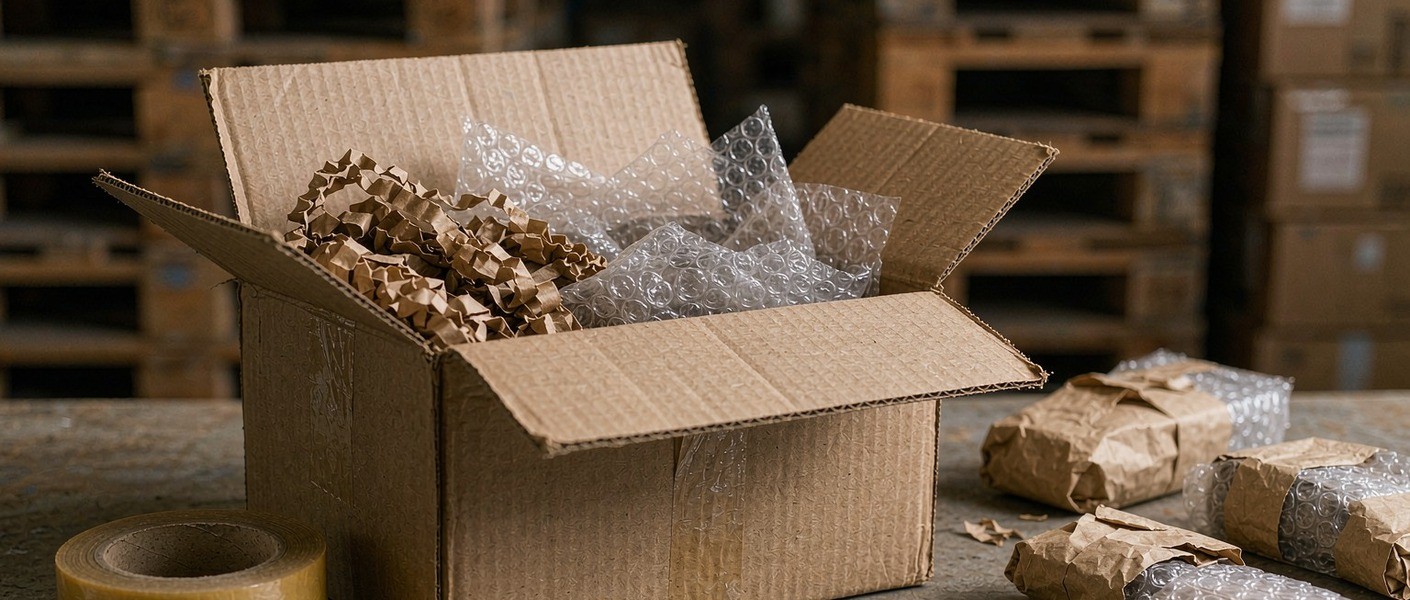
打包台上摊开的纸箱、气泡膜与一张待贴的标签
对工坊来说,这一条的现实含义是:出海不能只找买家,还要找伙伴。谁承担这个角色要在合同里写明,角色不清,出了问题退不回来。
▍三、第三问:单据和实物对得上吗
第三问最琐碎,也最容易出事。发票、装箱单、原产地证,三份文件上的品名、数量、重量、价值必须彼此一致,也要与实物一致。手作的麻烦是件件不同:尺寸有出入,重量有浮动,一批货里混着几个规格。
解决办法是老老实实写细。品名写到能被辨认的程度,别用「工艺品」概括一批;分规格列清,别取平均;木质包装按国际处理要求办妥并加施标识。查验看的是文件与实物能不能对上,含糊就是风险。
所谓清关,是指货物进出境时向海关申报、接受审核与查验、缴纳相应税费并获准放行的全过程。手作类货物因单件差异大、材质复合多,申报时对描述准确度的要求高于标准化商品。
▍四、问答
问 | 非遗手作出口,最容易卡在哪一环
答 | 卡在归类与描述。材质复合、用途多样的器物,一旦品名写得笼统,查验时就要反复解释;其次是目的国的责任人要求,欧盟市场没有境内责任人会在合规层面受阻。
问 | 小批量试单也要走完整流程吗
答 | 要走。金额大小不影响合规要求,只影响成本分摊。头一单把归类、责任人、单据三件事理顺,后面放量才不会重复踩坑;反过来,小单省下的手续,往往在大单上成倍补回来。
问 | 韵和鸣的出海链条能帮匠人解决哪些环节
答 | 主要是器物之外的那一段。韵和鸣背靠未来丝路的跨境供应链,产品出口欧美、日韩、新加坡等市场,报关、物流、售后由链条承接;匠人专心做手艺,被看见与被送达的部分交给品牌。
📩 非遗项目 | 匠人举荐 | 跨境出海 | 线下联营
欢迎留言或后台联系,我们与匠人同行。
—— 韵和鸣 · 与匠人同行
〖 海 〗
相关搜索 | RELATED SEARCHES
非遗 出口 清关 · 手作 跨境 报关 · HS 编码 归类 · 欧盟 GPSR 责任人 · 木质包装 ISPM 15
English
Gate One: What Category Does This Fall Into?
Classification is where everything starts. The same object filed by material and filed by use can face different duties and conditions. Handmade goods cause trouble because they cross categories: a lacquer box is a wooden article, a lacquerware piece, and possibly a mother-of-pearl inlay at once.
The sound approach is to state three things in advance: principal material, principal use, and any special component. Get the material wrong and every inspection requirement follows it wrong; materials containing endangered species carry separate permits, and that is not a matter for guessing.
Gate Two: Who Is Responsible in the Destination Country?
This has grown urgent in the past two years. The EU's General Product Safety Regulation has applied since December 2024, requiring traceable information for products placed on the market and a responsible person established in the EU; without that link, a product does not stand up on compliance. The United States applies separate testing and certification rules to children's products, which matters for handmade items children may use.
An open carton, bubble wrap and a label waiting to be applied on a packing bench
For a workshop the practical meaning is that going abroad needs partners as much as buyers. Whoever takes the role must be named in the contract; unclear roles cannot be undone after a problem.
Gate Three: Do the Papers Match the Goods?
The third is the fiddliest and the likeliest to fail. Invoice, packing list and certificate of origin must agree with one another on description, quantity, weight and value, and must agree with the goods. Handmade goods vary piece to piece: slight differences in size, drift in weight, several specifications in one shipment.
The remedy is to describe things honestly and in detail. Name the item precisely instead of summarising a shipment as craftwork; list specifications separately rather than averaging; treat wooden packaging to the international requirement and apply the mark. Inspectors check whether papers meet goods, and vagueness is the risk.
Customs clearance is the process of declaring goods at a border, submitting to review and inspection, paying applicable duties and obtaining release. Because handmade shipments vary piece by piece and combine materials, declarations demand more descriptive accuracy.
Where do heritage exports most often stall?
At classification and description. For objects with mixed materials and multiple uses, a vague description invites repeated explanation at inspection; next is the responsible-person requirement, which blocks EU market access when unmet.
Do small trial orders need the full process too?
Yes. Order size changes cost allocation, not compliance. Settle classification, responsibility and paperwork on the first order and scaling up goes smoothly; the steps skipped on a small order are usually repaid many times over on a large one.
Which links can YUNHEMING's export chain handle for makers?
Mainly the stretch beyond the object. Backed by the Future Silk Road cross-border supply chain, YUNHEMING ships to Europe, the United States, Japan, South Korea and Singapore, with declaration, logistics and after-sales carried by the chain, so makers keep to their craft while visibility and delivery sit with the brand.
There is no shortcut in customs, only detail written plainly. Where did you, or a maker you know, get stuck going abroad? Tell us below, and the next piece can take it apart.
ICH Projects · Artisan Referrals · Global Distribution · Salon Partnerships
你可能还感兴趣
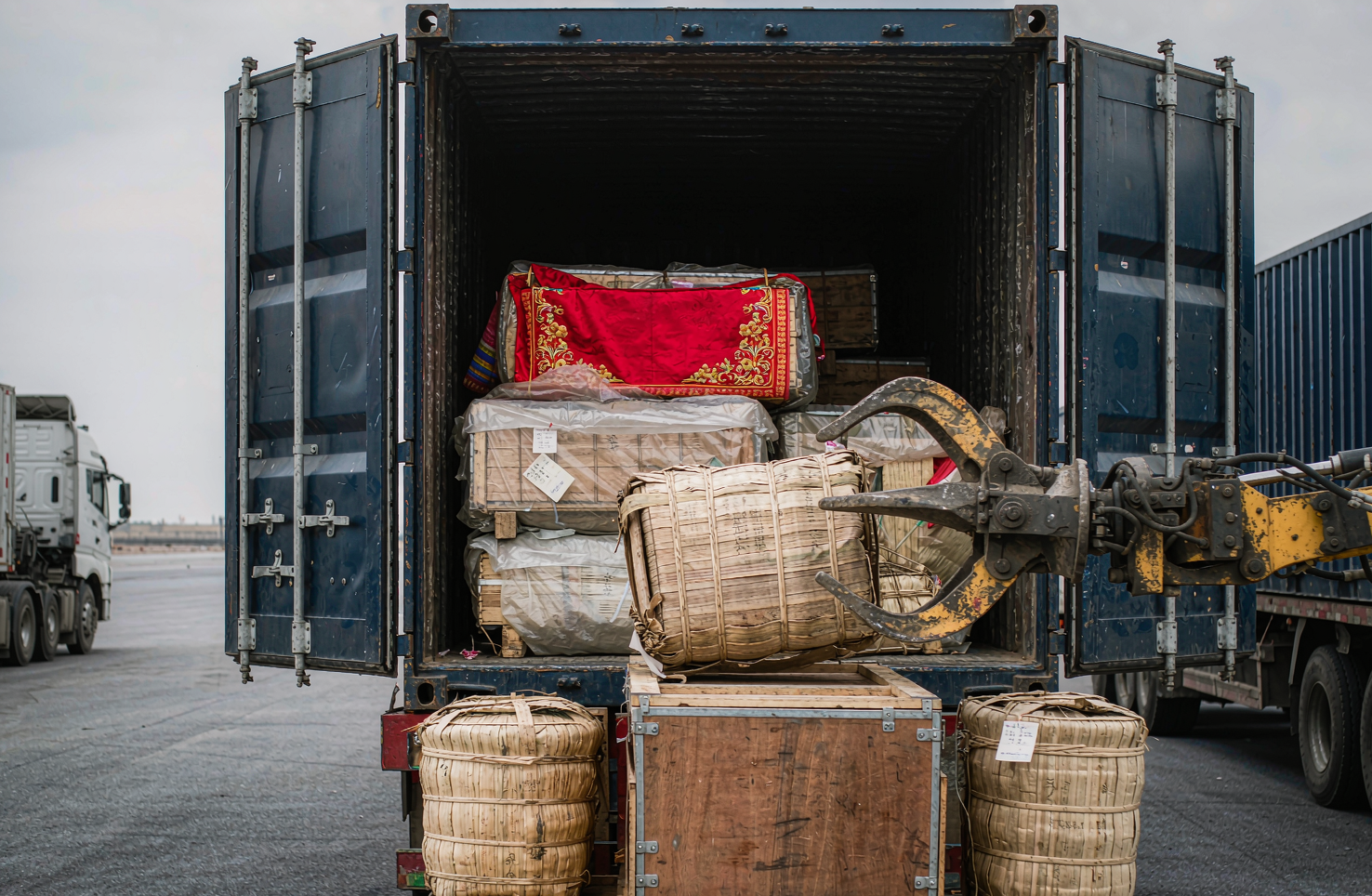
中欧班列上的非遗:慢一点,但走得远
非遗器物出海要在空运、海运与中欧班列之间权衡速度、成本和稳定性。对高工时、易碎、怕潮的手作而言,包装、防护、海外仓及发货报关等环节的安排,比单纯求快更能守住器物与资金。
韵和鸣 · 2026/10/8 · 64 阅读

一件平遥漆器,如何走到海外客人家中
一件平遥漆器出海,要先讲清材质、工艺与来路,再经过合规、报关、物流、海外仓和末端配送。文章结合已有政策与跨境电商安排,说明多语种说明和养护提示同样重要:物流负责抵达,清楚的信息负责建立信任。
韵和鸣 · 2026/10/5 · 51 阅读

非遗出海,先过的不是海关是文化关
跨境的手续、物流、退税率,都有章可循;真正难的是一道没有章可循的关——文化关。一件器物漂洋过海,如果讲不清自己是什么、谁做的、怎么用,它就只是一件"东方风格的工艺品"。过没过文化关,决定了它卖的是货,还是手艺。
韵和鸣 · 2026/10/14 · 45 阅读

一份非遗产品的多语种说明书,该写什么
器物到达海外买家手里的那一刻,介绍才刚开始。中文语境里许多不必解释的事——这是什么、谁做的、怕什么——换成另一种语言,都要从头说一遍。说明书不是翻译稿,它是产品的第二次介绍。
韵和鸣 · 2026/10/20 · 43 阅读

北欧人为什么喜欢极简的东方漆器
做出海这些年,有个现象耐人寻味:描金绘彩的器物,国内客人爱得直接;反倒是几色素面的漆器,常常被北欧客人先买走。说到底,不是他们看不懂繁复,而是"少"这件事,两边想到一块儿去了。
韵和鸣 · 2026/10/11 · 37 阅读

韩国的非遗保护:从"文化财"到活态传承
看世界怎么保护非遗,韩国常被提到,也常被简单化。它有一套自己的名词——"文化财""无形文化财""保有者"。关键在于,这套名词背后不只是一份名单,而是一整套"怎么把手艺交下去"的制度。
韵和鸣 · 2026/10/9 · 58 阅读