一份非遗礼物怎么选:先看收礼的人怕什么
韵和鸣 · 韵和鸣公众号 · 2026/11/7 12:00:00 · 1 阅读
每年十一月起,送礼的咨询就多起来。问得最多的不是哪件好看,是「送这个会不会不合适」。这个担心是对的。非遗器物各有脾气,怕潮的、怕晒的、怕磕的、怕干的,送错了不是心意不到,是给人添了负担。选礼物这件事,先做减法再做加法,错得会少很多。
▍一、头一条:先问养护条件,再谈审美
一件漆器送进北方冬天的暖气房,最怕的不是冷,是干。漆层与木胎的伸缩不一致,湿度掉得太快,接缝处容易起细纹。这不是质量问题,是材料属性。同理,绣品怕潮怕强光,瓷怕磕碰与骤冷骤热,银饰怕硫怕氯,竹木怕干裂也怕霉。
所以送礼前的头一个问题不是「他喜欢什么颜色」,是「他家放在哪里、有没有地暖、窗户朝哪」。答案往往就决定了品类。有小孩常跑动的家庭,先避开轻薄的立件;长期空置的房子,先避开需要通风的竹木;南方梅雨季长的城市,绣品要慎送。
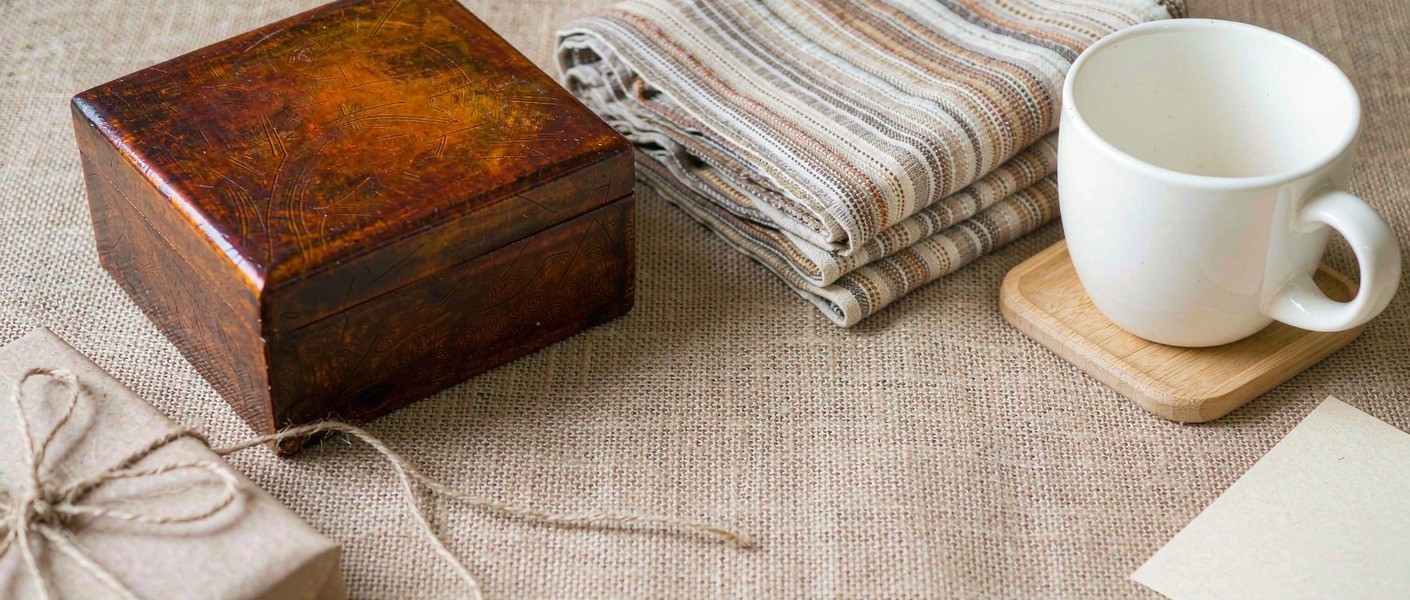
铺着素麻布的桌面上,一只漆盒、一件织物与一只白瓷杯并排摆放
▍二、第二条:礼物要能进入对方的生活,不要只进柜子
这条经验来自退货与闲置的反馈。送出去的非遗器物,最常见的结局有两种:一种是天天在用,越用越有感情;另一种是摆进柜子,一年看两次,最后忘了它怕什么,坏了才发现。
能进入生活的器物有个共同点,尺寸合手、场景明确。一只可以日常用的茶杯,比一只只能供着的赏瓶更容易被记住;一条能围出去的织锦围巾,比一幅挂不住的绣片更常被提起。选礼物时不妨在心里过一遍:对方会在哪个时刻用到它,那个时刻是否真实存在。
一只杯子被端在手中,杯沿贴着窗光,背景是模糊的木格窗
▍三、第三条:关系与分寸,比价格重要
非遗礼物的难处在于价格不透明。同是漆盒,工序差三道,价格能差一截;收礼的人不懂行,只会觉得贵或便宜,不会觉得对或不对。这时候分寸感就成了关键:给长辈,可以选做工扎实、器型端正的;给同事与合作伙伴,选体量适中、不占地方的;给不太熟的人,避开过于私人化的品类。
还有一层是文化含义。器物上常带纹样,牡丹、如意、松鹤、缠枝,各有各的说法。送礼时不必讲得太满,讲清出处与做法就好。把寓意讲成卖点,反而让收礼的人有压力。
还有一层常被忽略,是随礼的说明。器物出门时带一张养护卡,写清怕什么、怎么擦、出了问题找谁,收礼的人心里就有底。这比包得再华丽都实用,也把送礼人的周到留在了纸上。
送礼前可以把四个问题在心里过一遍:对方会在什么场合用它;他家有没有养护条件;这份礼与我们的关系是否相称;他收到之后要不要为它操心。四问都过得去,这件器物大概就选对了。
所谓严选,是指按可核查的标准筛选手工器物:材料是否真、工序是否完整、制作者是否可追溯。价格高低不构成严选的依据,工序与来源才是。
▍四、问答
问 | 送非遗礼物,选哪个品类最不容易出错
答 | 日用类最稳。茶杯、食器、收纳小盒、围巾这类有明确使用场景的器物,接受度高、养护要求也不苛刻;观赏类适合关系较近、家里有陈列条件的人。
问 | 预算有限,怎么送得体面
答 | 把钱花在工序上,别花在体量上。小件而工序完整的器物,比大件而做法含糊的器物更站得住;送礼时讲清它是怎么做出来的,比强调价格更有分量。
问 | 收到非遗礼物,养护上要注意什么
答 | 记住三句:避开暴晒与骤冷骤热,避开长期潮湿,避开磕碰与叠压。漆器与竹木另需稳定湿度,银饰需密封防氧化,织绣需避光平放。拿不准就问卖家,正规渠道都会给养护说明。
问 | 韵和鸣选礼物会看什么
答 | 看三件事:器物是否出自非遗老师之手,工序是否守得住,来源是否讲得清。韵和鸣的器物与匠人联名,署名、做法、养护一并写清;送礼的人能说清来历,收礼的人才接得住这份心意。
📩 非遗项目 | 匠人举荐 | 跨境出海 | 线下联营
欢迎留言或后台联系,我们与匠人同行。
—— 韵和鸣 · 与匠人同行
〖 器 〗
相关搜索 | RELATED SEARCHES
非遗礼物 · 送礼 怎么选 · 漆器 保养 · 非遗 手作 送礼 · 节庆 礼品 非遗
English
A lacquer piece entering a heated northern flat in winter does not fear cold but dryness. Lacquer and wood move at different rates; when humidity drops fast, hairline cracks appear at the joints. This is not a defect but a property of the material. Likewise, embroidery fears damp and strong light, porcelain fears knocks and sudden heat, silver fears sulphur and chlorine, bamboo and wood fear both cracking and mould.
So the first question is not what colour they like but where the piece would sit, whether there is underfloor heating, and which way the windows face. The answer usually settles the category. Households with small children: avoid light, tall pieces. Homes left empty for long stretches: avoid bamboo and wood that need air. Cities with long plum rains: be careful with embroidery.
A lacquer box, a folded textile and a white porcelain cup on plain linen
Second: A Gift Should Enter a Life, Not Just a Cabinet
This comes from what gets returned or left unused. Heritage gifts end in one of two ways: used daily and increasingly loved, or placed in a cabinet, looked at twice a year, then forgotten along with its care until something fails.
Objects that enter a life share two traits: a size that fits the hand, and a clear occasion. A cup used daily is remembered longer than a vase only displayed; a brocade scarf worn out of the house is mentioned more often than an embroidery panel with nowhere to hang. Run a test before choosing: at what moment would they use it, and does that moment actually exist?
A cup held in the hand, its rim catching window light, a blurred lattice behind
Third: Relationship and Measure Outweigh Price
The difficulty is that heritage pricing is not transparent. Two lacquer boxes three steps apart in process can differ widely in price, and a receiver who does not know the field registers expensive or cheap, not right or wrong. Measure matters: for elders, solid work and proper form; for colleagues and partners, moderate size that takes little space; for people you barely know, avoid categories that feel personal.
There is also meaning. Objects carry motifs, peony, ruyi, pine and crane, scrolling vine, each with its own reading. No need to over-explain when giving; provenance and method are enough. Turning symbolism into a sales pitch only presses the receiver.
One more thing is often missed: the note that travels with the gift. A care card stating what the piece fears, how to wipe it and whom to call if something goes wrong gives the receiver solid ground. It is more useful than any amount of wrapping, and it leaves the giver's care on paper.
Four questions are worth running before choosing: on what occasion will they use it; does their home allow the care it needs; does the value suit the relationship; and will it become a worry once received. Clear all four and the piece is probably right.
Curated selection means screening handmade objects against checkable standards: whether the material is genuine, the process complete, the maker traceable. Price is not the criterion; process and provenance are.
Which category is safest for a heritage gift?
Daily-use pieces are safest: cups, serving ware, small boxes, scarves, all with clear occasions and modest care demands. Display pieces suit closer relationships and homes with room to show them.
How do you give decently on a modest budget?
Spend on process, not on size. A small piece with complete workmanship stands firmer than a large one with vague method, and explaining how it was made carries more weight than naming a price.
What care does a heritage gift need?
Three rules: avoid strong sun and sudden temperature swings, avoid prolonged damp, avoid knocks and stacking. Lacquer, bamboo and wood also want stable humidity; silver wants airtight storage; textiles want dark, flat storage. When unsure, ask the seller; reputable channels provide care notes.
What does YUNHEMING look at when choosing a gift piece?
Three things: whether the piece comes from a master's hand, whether the process holds, and whether provenance is clear. YUNHEMING co-signs works with makers and sets out credit, method and care; when the giver can explain the origin, the receiver can properly accept it.
A November gift list is really a test of how well you know someone; an object is only one way to answer. What heritage gift, given or received, fitted you best? Is it still in use?
ICH Projects · Artisan Referrals · Global Distribution · Salon Partnerships
你可能还感兴趣
一件漆器该有多重,手感不会说谎
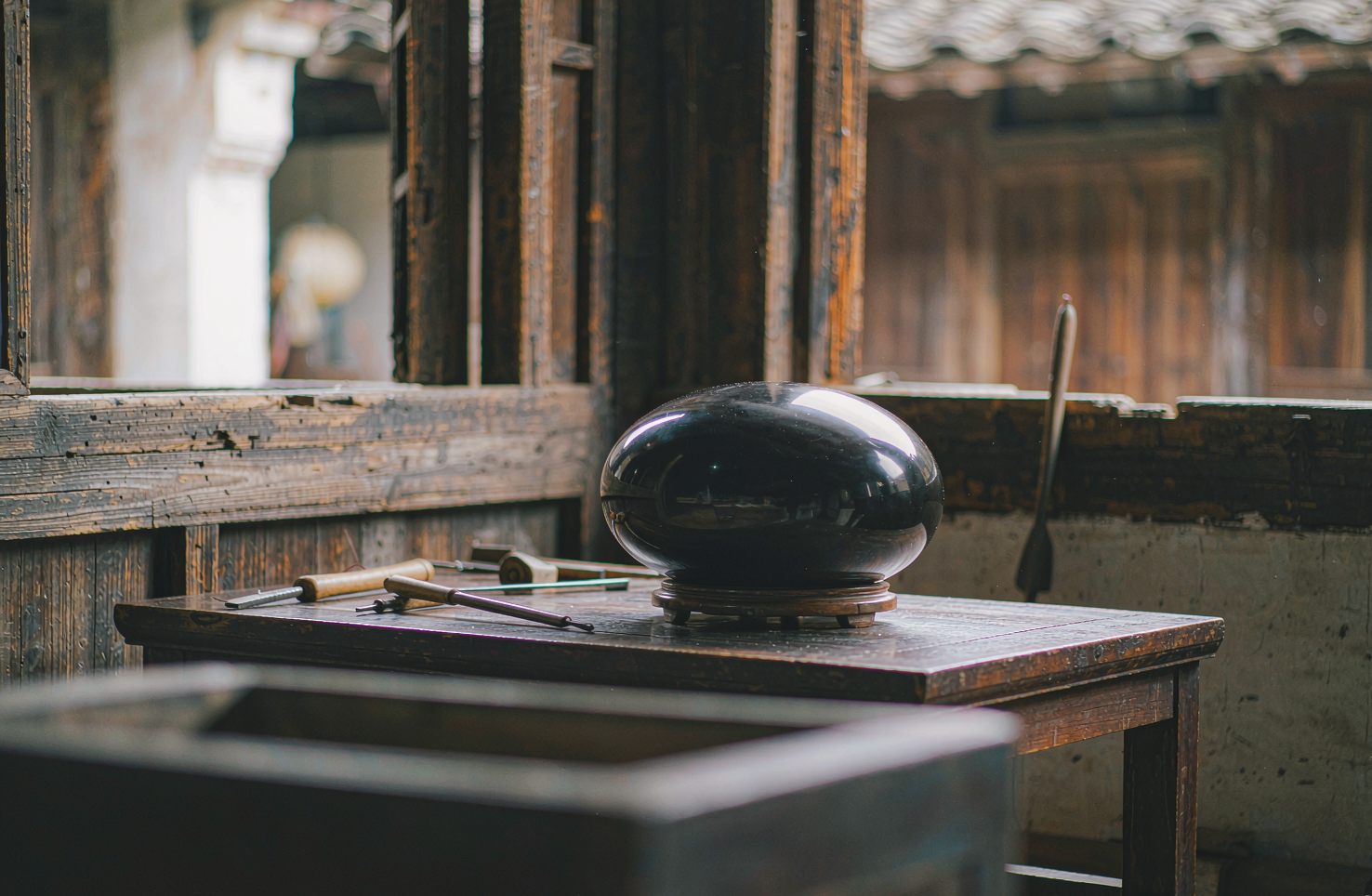
严选器物,看纹样、看款识、看证书,都是明面上的事。但有一道标准写不进任何参数表——上手。同一尺寸的两只漆盘,一只压手温润,一只轻飘干瘪,差别从何而来?这次把"分量"这件事拆开讲。说到底,重量是工序的记账本。
韵和鸣 · 2026/10/14 · 55 阅读
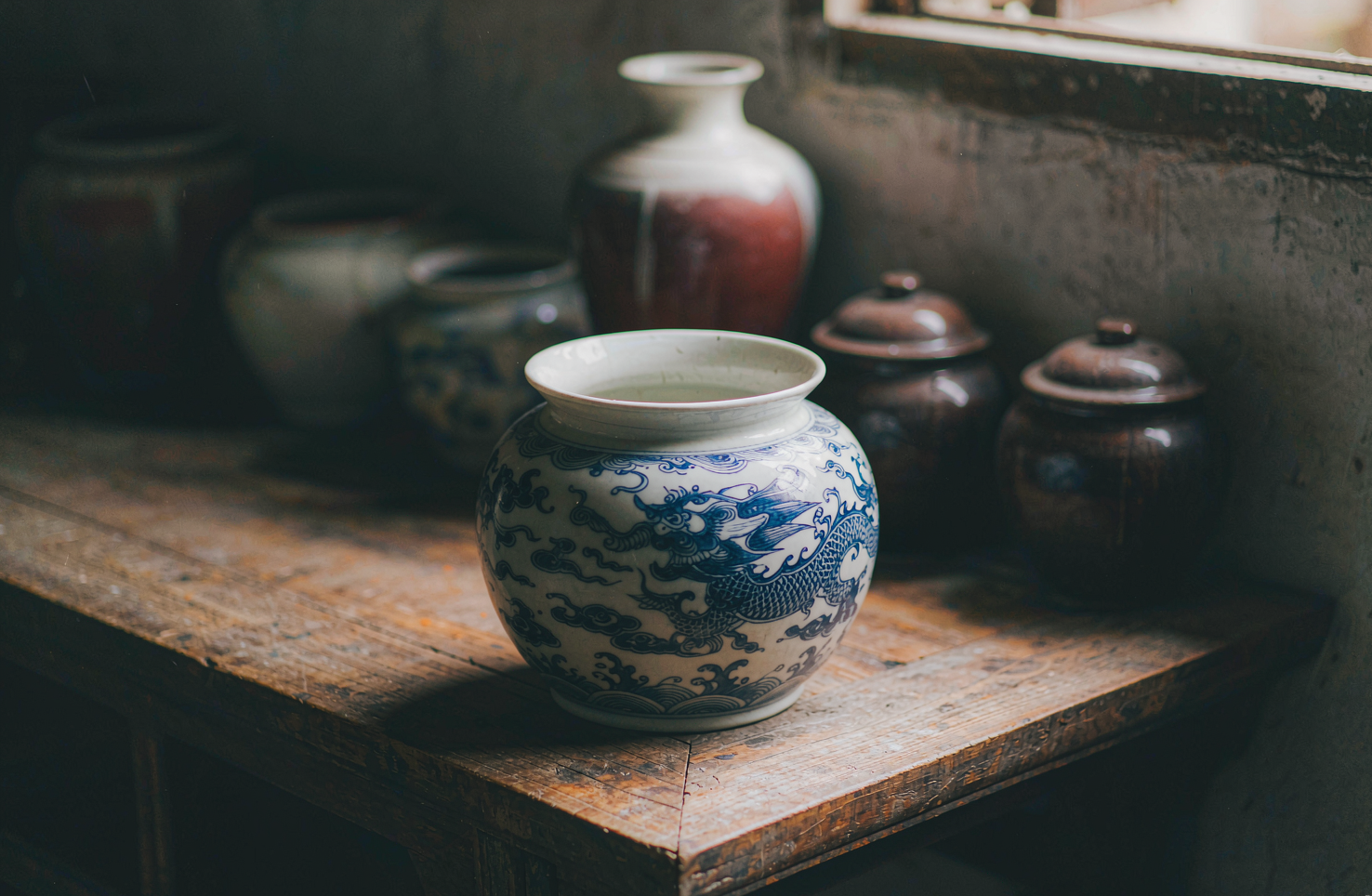
一盏博山琉璃:颜色是炉火给的,不是颜料调的
博山琉璃的颜色由矿石、着色配方和炉温共同形成,鸡油黄等色料并非烧成后涂在表面。文章介绍挑料、吹制、塑型、灯工和内画,说明流纹、气泡与壁厚如何反映手工过程,并提供观察颜色、过渡和口沿的选器方法。
韵和鸣 · 2026/10/12 · 53 阅读
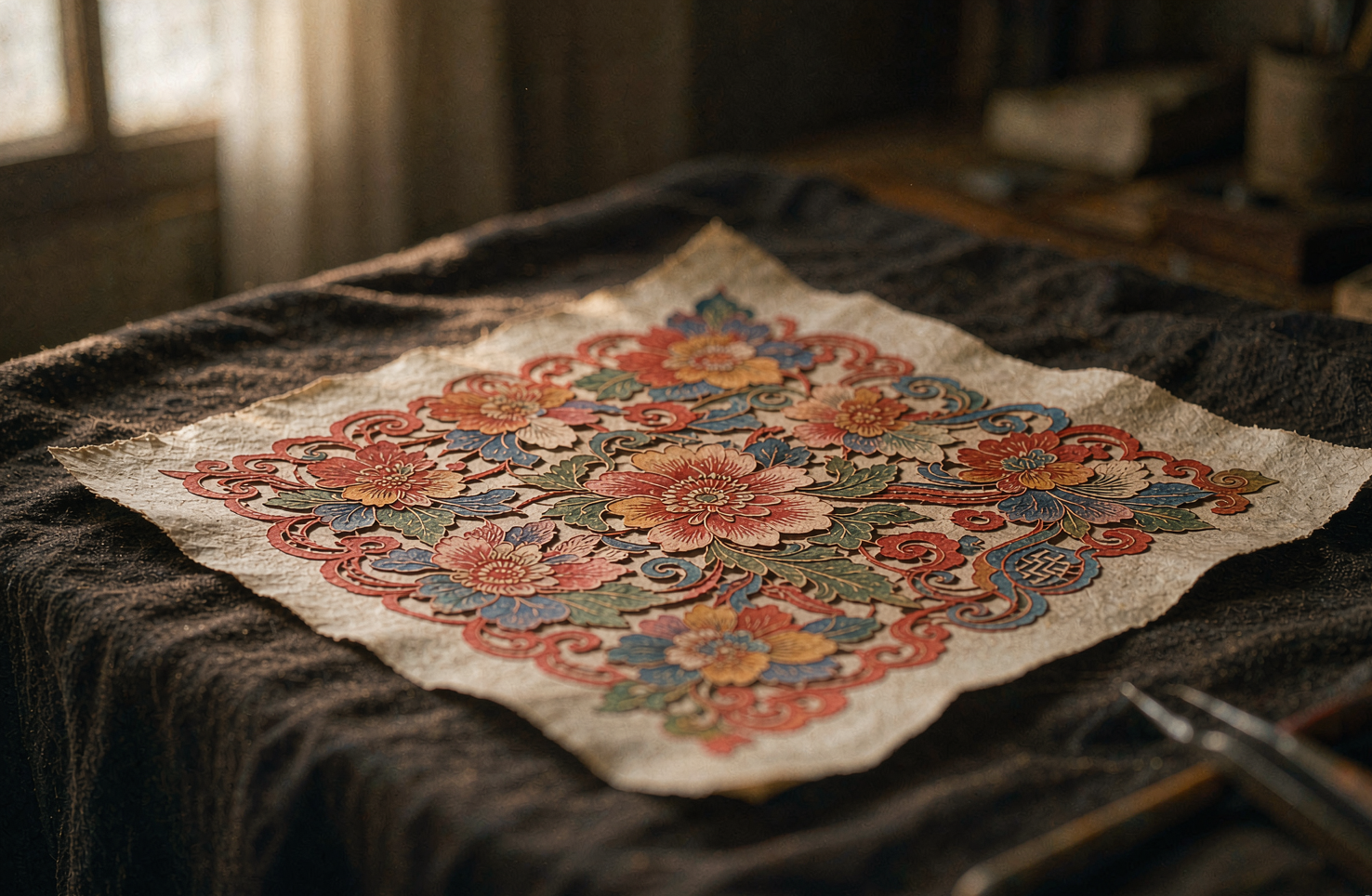
一张蔚县剪纸,彩色的刻刀活
严选录这一期看一张不太一样的剪纸:它不用剪刀,用刻刀;不止红色,还带着点染出来的粉与绿。河北张家口蔚县的剪纸,是剪纸大家族里"反着来"的一支——别处以剪为主、以红为正,蔚县以刻代剪、以点彩上色。说到底,这两个"反着来"的本质,是蔚县人把剪纸从窗前的女红,做成了作坊里的分工手艺:看懂了这一点,才算看懂了这张纸。
韵和鸣 · 2026/10/13 · 52 阅读
一枚漆书签:小物件为什么反而更考验手艺
漆书签体量小,却同时暴露胎体稳定、漆层附着、边缘打磨与日常耐用度。挑选时先看薄厚与侧面,再摸边缘和转角,比只看纹样更能判断小件工序是否扎实,也值得问清售后修复。
韵和鸣 · 2026/10/24 · 48 阅读
平金开黑:金与黑,为什么这么耐看
平金开黑以黑漆为底、金线为饰,关键在于黑底的推光质量、金线的稳定和留白的分寸。文章介绍相关工具与工序,并从线条、光泽、使用和来源等方面说明如何观察描金漆器,避免只用金的多少判断价值。
韵和鸣 · 2026/10/10 · 47 阅读
竹编漆艺茶席:两种非遗,如何在同一张桌上共生
一张茶席上,常常同时摆着竹编的垫、漆艺的托。它们来自两门毫不相干的手艺,却在同一片茶汤边安静相处。共生这件事,比"混搭"难得多。
韵和鸣 · 2026/10/2 · 46 阅读