非遗做成日用品,是活路还是消耗
韵和鸣 · 韵和鸣公众号 · 2026/11/7 12:00:00 · 1 阅读
这两天海宁的皮影耳环被讨论得不少。把一个在幕布后演了几百年的影偶,做成戴在耳朵上的首饰,喜欢的人说这是让手艺走进生活,不喜欢的人说这是把戏拆成了零件。同一件事,两套说法都站得住。非遗做成日用品,到底是活路还是消耗,值得认真吵一次。
▍一方:器物本来就是在用的时候才活着
支持的一方有个站得很稳的起点。中国的手艺史上,绝大多数器物生来就是日用品,漆盒装物、竹篮盛米、绣片缝在衣襟上。它们被供进玻璃柜,是近几十年的事。把非遗做成日用品,某种意义上是把手艺放回它原来的位置。
第二个理由是钱。日用品有复购,有现金流,能让工坊按月发得出工钱,也才留得住学徒。只做观赏件的工坊,订单一断就得停窑停案。
所谓日用品化,是指把原本以陈设、收藏为主的非遗器物,按日常使用的功能与价格重新设计、生产与销售。商务部等 9 部门《关于加快推进科技兴商的意见》(商建函〔2026〕551 号,2026 年 10 月 13 日)提出加快历史经典产业转型升级、开发经典名品精品,为这类转向提供了政策语境。
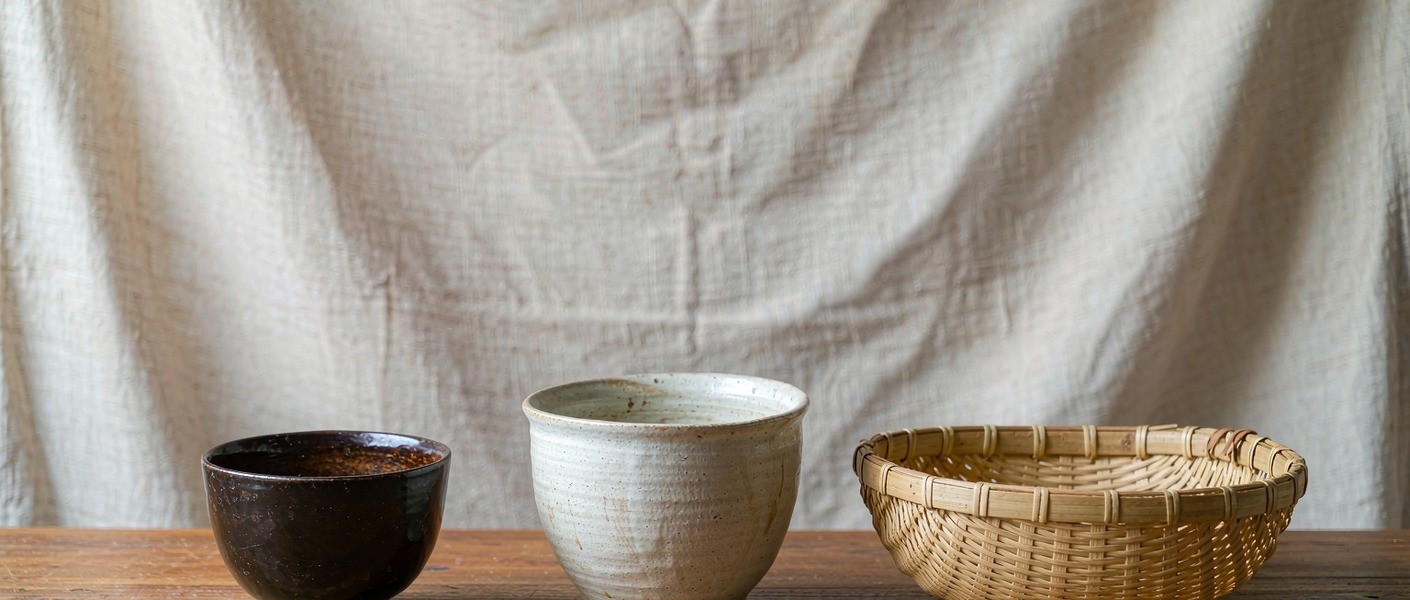
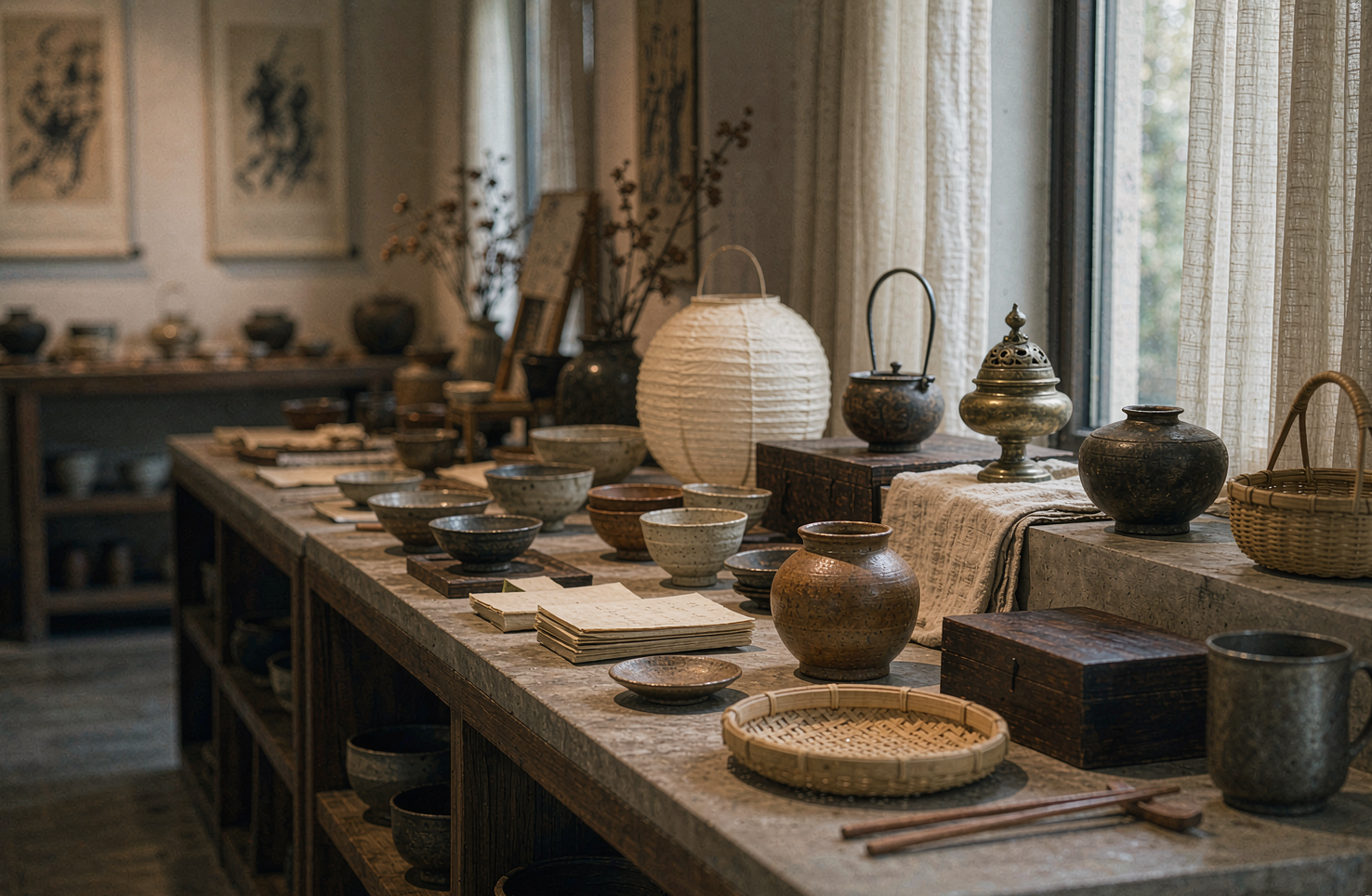
木桌上并排放着几只日常用的器物,杯沿与盘口都留着使用痕迹
▍另一方:快消的节奏会把工序磨薄
反对方的担心同样具体。日用品的商业逻辑是低成本、高频次、快迭代,这套逻辑一旦成为主导,工序就会成为被优化的对象。髹涂从七遍减到三遍,绣线从手工劈丝换成机绣打底,等到消费者察觉,东西已经换了一副骨架。
更深的一层是符号化。纹样被抽出来印在杯子和帆布包上,与原来那门技艺脱钩,消费者买到的是一种非遗的感觉,手艺本身分不到一分钱。这种情况不少见,一门手艺的名气被反复借用,真正在做的人却没多卖出一件。
▍收束:分水岭不在做成什么,在谁在做
两边的道理都成立,所以这道题不该按品类判。做耳环也可以是手艺活,做屏风也可以是流水线。真正的分水岭有两条:一是谁在做,是不是传承人本人或经其带的徒弟;二是用什么方法做,工序有没有被悄悄减掉。
把这两条问清楚,日用品就是活路;问不清楚,日用品就是消耗。判断权其实不在行业内部,在每一个掏钱的人手里。
▍问答
问 | 怎么判断一件非遗日用品是不是真手工做的
答 | 先看工序完整性,再看件与件之间的差异。真手工的同类器物会有细微不同,接口、走线、釉面都不完全一致;流水线产品件件相同。最后看来源,能不能说出制作者与做法。
问 | 非遗做文创,会不会把传统做浅了
答 | 浅不浅看有没有留下手艺的主体。只借纹样、不接手艺,容易做浅;由传承人参与、工序不减、署名清楚,文创反而是让更多人接触到这门手艺的入口。
问 | 韵和鸣怎么在自己的选品里守住这条线
答 | 把「是不是手工」拆成三个能追问的问题:这件东西谁在做,哪几道工序不能省,材料用的是哪一档。三问答得齐才进严选,答不齐就退回。外观再像的压模货与代工货,都过不了这几问;器物与老师联名,署名与做法一并写在页面上。
📩 非遗项目 | 匠人举荐 | 跨境出海 | 线下联营
欢迎留言或后台联系,我们与匠人同行。
—— 韵和鸣 · 与匠人同行
〖 辩 〗
English
One Side: Objects Live While They Are Used
The supporting side starts from firm ground. Through most of Chinese craft history, objects were born as utensils: lacquer boxes held things, bamboo baskets carried rice, embroidered panels were sewn to a collar. Their placement behind glass is a matter of the last few decades. Making heritage into daily goods returns craft, in a sense, to where it began.
The second reason is money. Daily goods repeat, generate cash flow, let a workshop pay wages by the month, and only then keep apprentices. A workshop making display pieces alone stops the kiln when orders stop.
Daily-good conversion means redesigning, producing and selling heritage objects once meant for display or collection around the functions and prices of ordinary use. The October 2026 joint opinion by nine ministries on technology-driven commerce calls for upgrading historical classic industries and developing exemplary products, the policy context behind this turn.
Several everyday vessels set side by side on a wooden table, rims and edges showing the marks of use
The Other Side: Fast-Moving Rhythm Thins the Process
The opposing worry is equally concrete. Daily goods run on low cost, high frequency and fast turnover, and once that logic dominates, process becomes the thing to optimise. Seven coats of lacquer drop to three, hand-split silk gives way to machine stitching, and by the time buyers notice, the object has a different skeleton.
Deeper lies the drift into symbol. Patterns are lifted onto cups and tote bags, severed from the craft that made them, and what a buyer acquires is the feeling of heritage while the craft earns nothing. A craft's reputation is borrowed repeatedly, and the people practising it sell no more for it.
Closing: The Divide Is Not What Is Made, but Who Makes It
Both arguments stand, so the question cannot be settled by category. An earring can be craft; a screen can be assembly line. The real divide has two lines: who makes it, whether the bearer or apprentices trained by them, and how it is made, whether steps have been quietly removed.
Ask those two questions clearly and daily goods become a lifeline. Leave them unasked and they become a drain. The judgement does not rest inside the industry; it rests with everyone who pays.
How can you tell whether a heritage daily item is genuinely handmade?
Check whether the process is intact, then look at variation between pieces. Handmade objects differ slightly from one another in joints, stitching and glaze; assembly-line goods are identical. Finally, ask provenance: can the maker and the method be named?
Does heritage merchandise make tradition shallow?
Depth depends on whether the craft remains the subject. Borrowing patterns without taking on the craft runs shallow; with bearers involved, steps intact and credit clear, merchandise becomes an entrance to the craft.
How does YUNHEMING hold this line in its own selection?
We break "is it handmade" into three questions that can be pressed: who makes it, which steps cannot be skipped, and what grade the material is. Only pieces that answer all three enter the selection. Pressed and outsourced goods may look alike and still fail these questions; works are co-signed with the master, with credit and method stated on the page.
Have you bought a daily item labelled as heritage? Did it turn out to be craft, or just a label? Pick a side below.
ICH Projects · Artisan Referrals · Global Distribution · Salon Partnerships
你可能还感兴趣
AI 生成的"非遗纹样",算不算抄袭
喂一批图给模型,几秒钟就能出一张"苗绣风"的纹样。有人觉得这是把传统纹样重新用起来,有人认为这是把别人一辈子的手艺免费拿走了。问题不好回答,说到底,真正难定的不是"像不像",而是数据从哪来、收益到哪去。今天我们不做判断,只把两边的理由摆出来。
韵和鸣 · 2026/10/24 · 60 阅读
机器开始学手艺:是给匠人搭把手,还是来接班
一段流传很广的画面里,一台机械臂正跟着非遗传承人"学艺"——学劈丝、捻线、穿针。看的人分成两拨:一拨说技术帮上了忙,一拨说来抢饭碗了。同一件事读出两种意思,关键在于用什么尺度去量。
韵和鸣 · 2026/10/9 · 58 阅读
年轻人不愿学老手艺,该怪年轻人,还是怪这门手艺?
非遗传承里被讨论得最多的一句话是"后继乏人"。这句话往下追一层,就分成两条路:一条通向年轻人,说他们耐不住、看不上;一条通向他们面对的那门手艺,说它没能给出一条能活下去的路。这两条路,最近又吵起来了。
韵和鸣 · 2026/10/8 · 56 阅读
非遗创新只剩跨界联名和文创,是真突破还是路径依赖?
长假刚过,一场区域性非遗活动发布的"创新案例"名单在网上引来讨论:入选案例的路数出奇一致——不是和游戏影视做跨界,就是把老手艺搬进沉浸式演出,再就是开发一轮文创。有人叫好,也有人摇头:年年喊创新,怎么总围着老三样转?是突破,还是路径依赖?两边的话都摆出来。
韵和鸣 · 2026/10/13 · 48 阅读
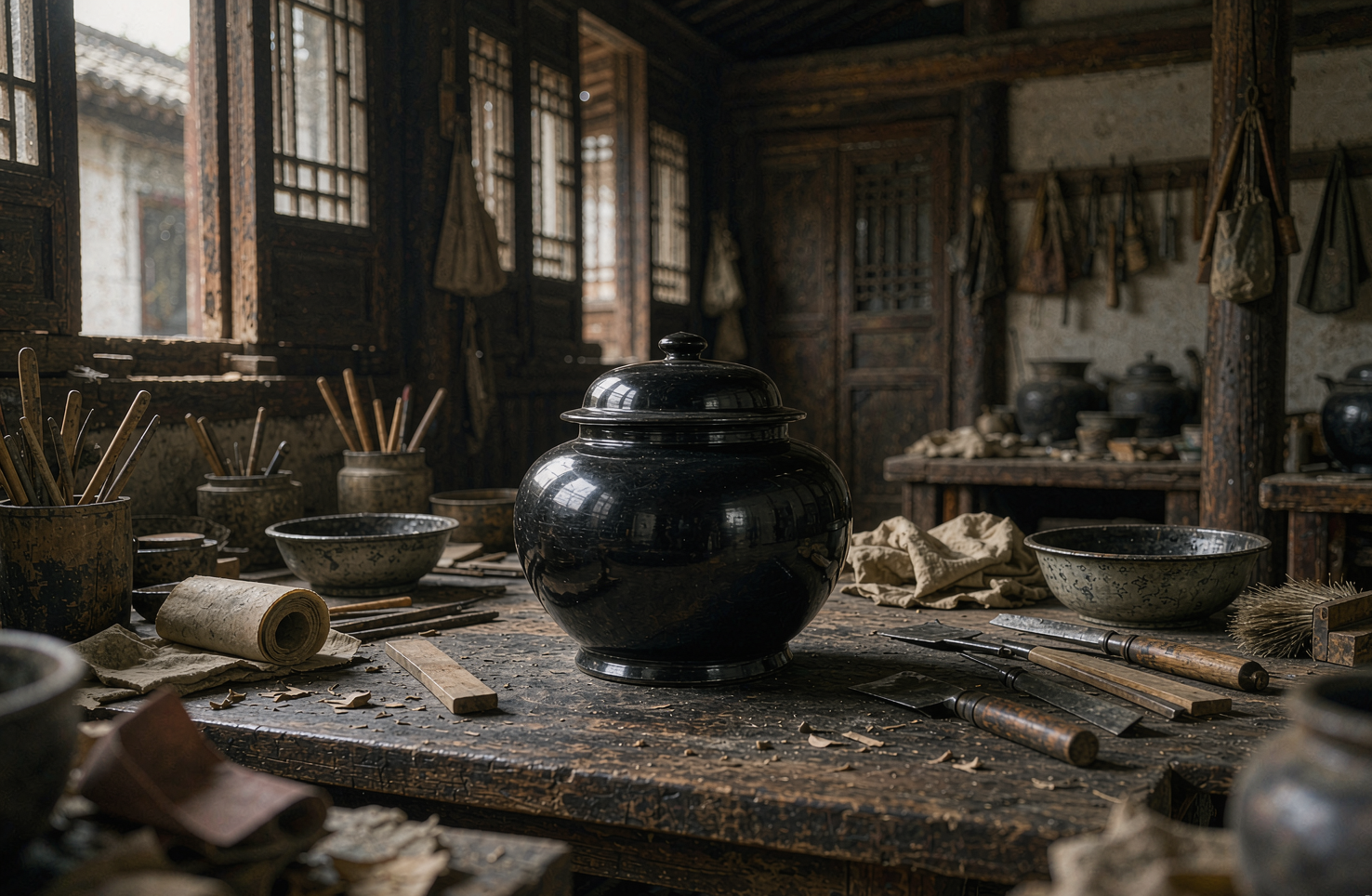
漆器为什么能埋八千年不坏
在博物馆做漆器研究与修复的研究员老周,桌上常年摆着两样东西:一段出土的漆皮残片,一只新做不久的平遥推光漆盘。他说这两样东西隔着八千年,却是同一种材料。这次对话,我们从"漆器为什么埋几千年不坏"聊起,聊到最后,其实是手艺对材料的理解问题。
韵和鸣 · 2026/10/14 · 69 阅读
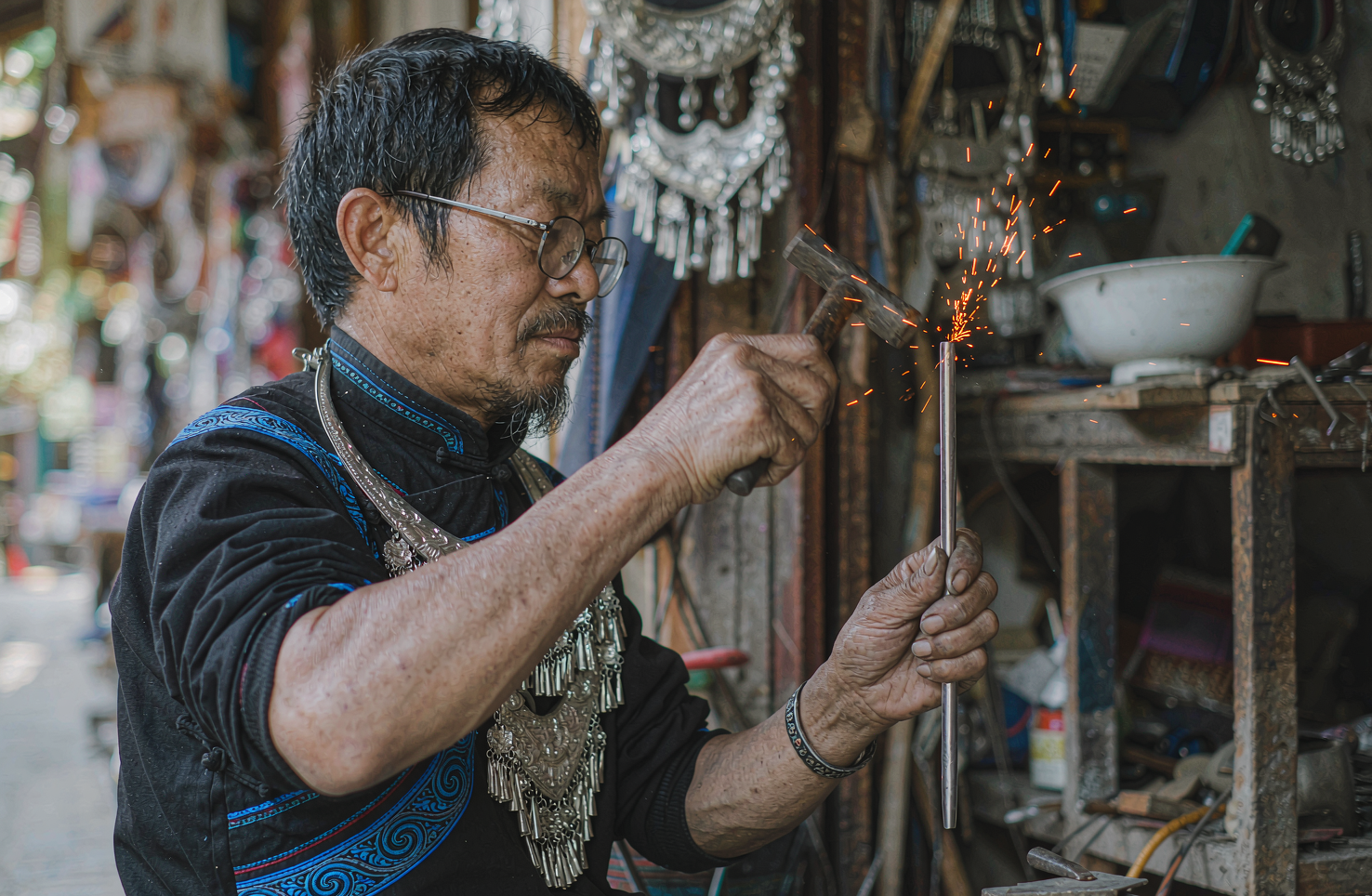
去贵州雷山,看一块银元如何变成一支银簪
在黔东南的苗寨里,银不只是一种首饰材料。它曾经是可以随时熔掉、重新打制的"存款",也是节日里一个女人身上最亮的那部分。关键在于,当一块老银元被放进坩埚,它要经过多少双手、多少道火,才重新成为一件能戴出门的东西。
韵和鸣 · 2026/10/9 · 62 阅读