亲子非遗手作课,为什么最难做也最值得做
韵和鸣 · 韵和鸣公众号 · 2026/11/6 12:00:00 · 1 阅读
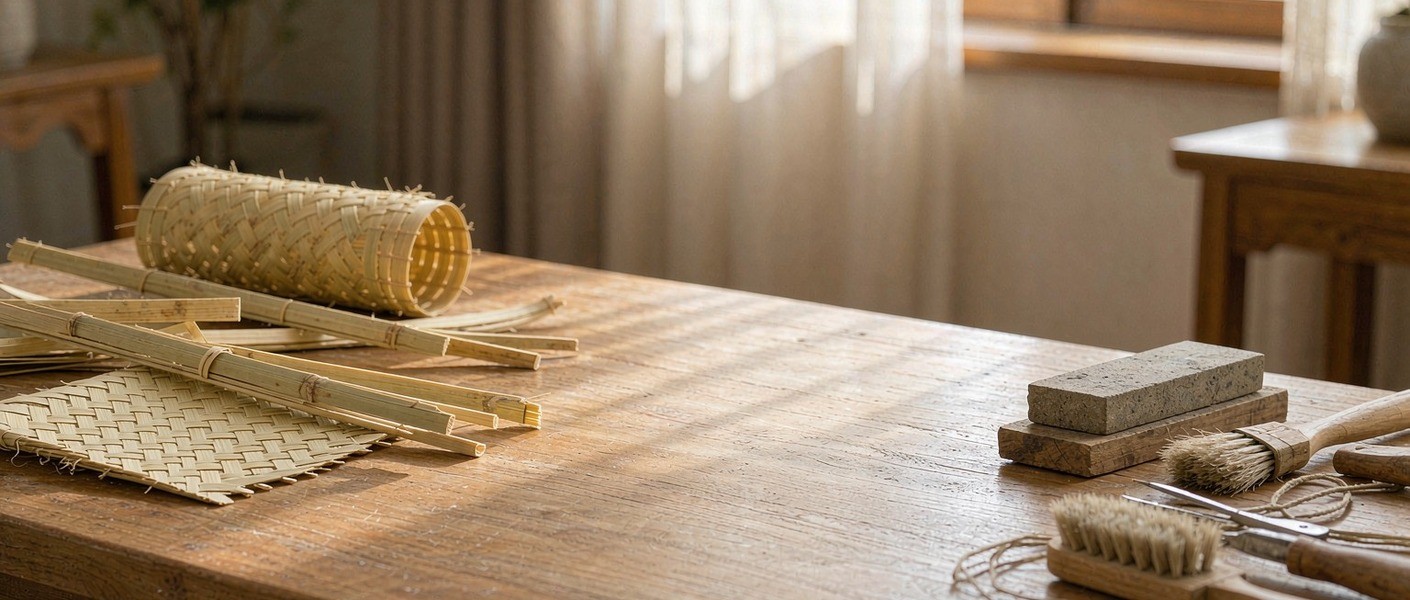
会客厅的课程表里,亲子手作课报名最热,运营最头疼。孩子在工坊里的注意力以分钟计,工具要重新选,工序要拆到极简,家长在旁边拍照的手还总想代劳。但几年做下来,这门课也是最被记住的一门。难与值得,其实是同一件事的两面。
▍一、难在哪里
先说难点,都摆在明处。头一个是工序取舍:真正的手工环节动辄以天计,一节课九十分钟,只能切出安全的几步。切多了是游戏,切少了孩子跟不上。第二个是安全边界,刀具、热源、生漆这类材料要么替换、要么隔离,动作设计全部重排。第三个最微妙:家长。孩子刚卡住,大人的手就伸过去了。作品是完成了,手艺的体验停在了家长手里。
长桌一角,孩子的小手和家长的手各执一件半成品
▍二、为什么值得
值得的部分在于「头一回」。对一个城市孩子,头一回亲手把篾片压出弧度、头一回看见漆在布上慢慢晕开,这种经验没有替代品。手作课给的不只是知识,是一次用手的记忆。会客厅做过的不完全统计里,上过亲子课的家庭,回头参加成人课与鉴赏活动的比例明显更高。
设计上我们守三条:环节切成二十分钟一段,每段都有成品感;家长与孩子各做各的,成品分开署名,谁的手艺归谁;下课前留五分钟「验收」,让孩子自己讲哪一步最难。讲得出难处的孩子,下回还来。
据文化和旅游部 2026 年 10 月 20 日在国新办新闻发布会上介绍,「十五五」时期将持续深化「非遗在校园」,加强对青少年传承人的培养。会客厅的亲子课,是这条线在民间自发的那一端。
▍问答
问 | 带孩子体验非遗手作,几岁开始合适
答 | 看工序强度,不看年龄标签。剪纸、拓印、简单编织这类低风险工序,五六岁可以上手;涉及刀具、热源或漆料的,一般要八岁以上并由师傅一对一带着。选课先问安全方案与师生配比,再问内容。
问 | 体验课和真正的传艺,会不会互相干扰
答 | 分工不同就不干扰。体验课负责兴趣与启蒙,让孩子和家长知道这门手艺是什么、难在哪;传艺在工坊里走完整工序,靠师徒制长期培养。前者给后者筛人,后者给前者托底。会客厅的课始终注明是体验环节,不冒充学艺。
问 | 韵和鸣的会客厅是什么地方,孩子能去吗
答 | 是能坐下来、上手看器物的线下空间,陈列山西一半、全国一半,孩子可以看、可以问、可以上手摸允许触碰的器物。亲子手作课与匠人访谈都会在这里办,买不买东西是后话,先把眼睛和手养起来。
📩 非遗项目 | 匠人举荐 | 跨境出海 | 线下联营
欢迎留言或后台联系,我们与匠人同行。
—— 韵和鸣 · 与匠人同行
〖 厅 〗
English
Name the difficulties first; all are in plain sight. The first is what to keep of the process: real handwork counts in days, a class runs ninety minutes, and only a few safe steps can be cut from it. Too few and it becomes a game; too many and the child cannot follow. The second is safety: blades, heat and raw lacquer must be replaced or fenced off, and every motion re-designed. The third is subtlest: the parents. The moment a child sticks, an adult hand reaches over. The piece gets finished; the experience of craft stops in the parent's hand.
At one end of the long table, a child's small hand and a parent's each holding a half-finished piece
The worth lies in the "first time". For a city child, the first time pressing a bamboo strip into a curve, the first time watching lacquer bloom slowly across cloth, is an experience without substitute. The class gives not information but a memory held in the hand. In the salon's rough counts, families who take the parent-child class come back for adult classes and viewing sessions at a visibly higher rate.
Three rules govern the design: steps cut into twenty-minute stretches, each ending with something made; parent and child each work on their own piece, signed separately, whose craft belongs to whom; and five minutes of "inspection" before the end, in which the child explains which step was hardest. The child who can name the difficulty comes back next time.
As the Ministry of Culture and Tourism told a State Council Information Office briefing on 20 October 2026, the coming five years will deepen "heritage on campus" and strengthen the training of young bearers. The salon's parent-child class is the spontaneous, civic end of that same line.
From what age is a hands-on heritage class suitable?
By the intensity of the process, not the age label. Low-risk steps such as paper cutting, rubbing and simple weaving suit five or six; anything with blades, heat or lacquer usually waits for eight and up with one-to-one supervision. Ask a class first for its safety plan and staff ratio, then for its content.
Do trial classes and real transmission get in each other's way?
With different mandates they do not. Trial classes serve interest and initiation, letting families learn what the craft is and where it is hard; transmission walks the full process in a workshop under long apprenticeship. The former filters people for the latter; the latter underwrites the former. The salon's classes are always labelled as introductory experience, never as training.
What is YUNHEMING's salon, and may children visit?
An offline space where one sits down and handles the pieces, half Shanxi and half the whole of China on display; children may look, ask and touch what is permitted. Parent-child classes and maker interviews are held here. Buying is a later chapter; first the eye and the hand are raised.
A small hand pressing its first curve into bamboo remembers for years. When did your child last make something with their own hands? Tell us in the comments.
ICH Projects · Artisan Referrals · Global Distribution · Salon Partnerships
你可能还感兴趣
把"慢"做成一种体验:一间非遗会客厅的想法
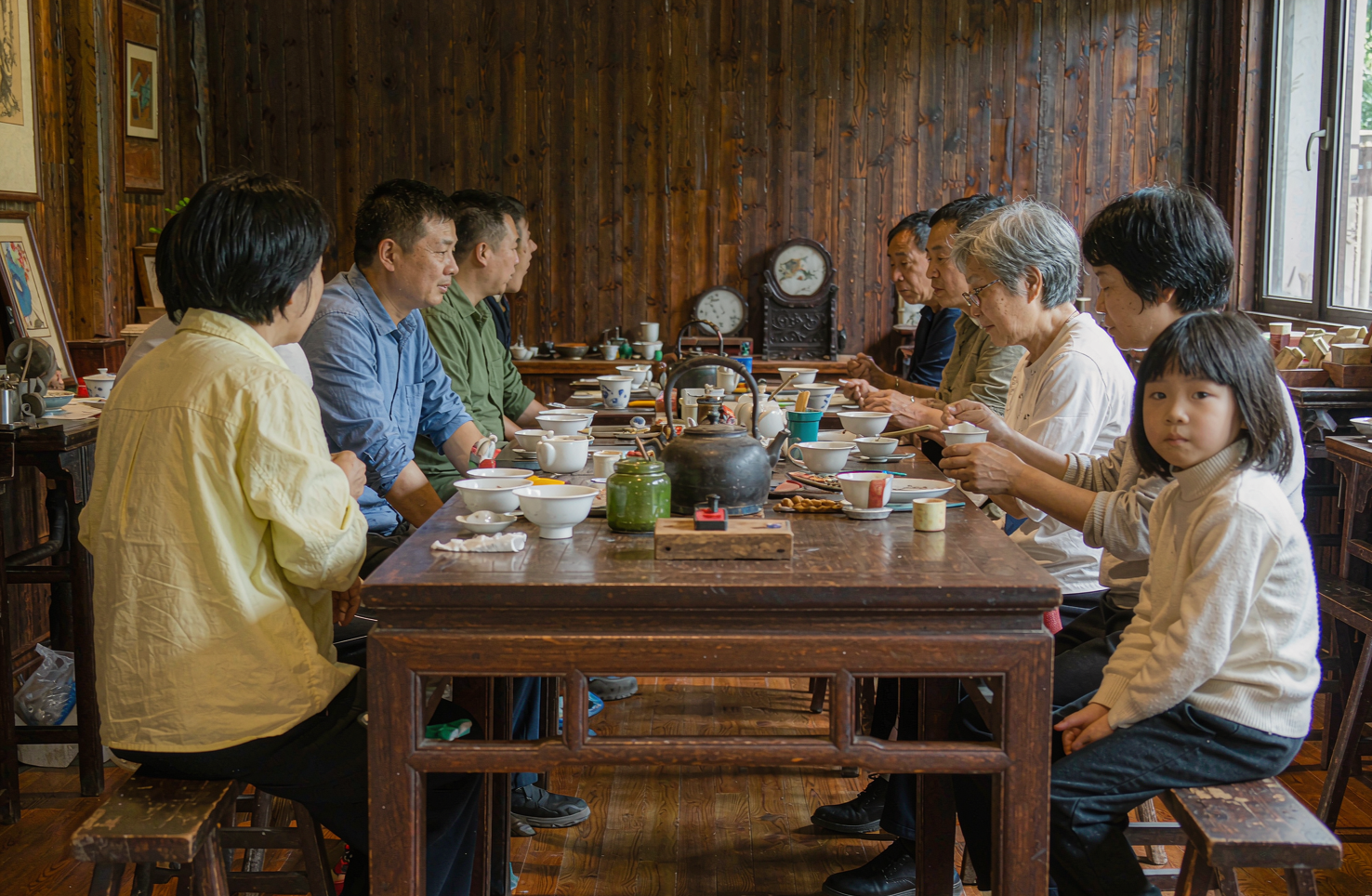
我们习惯按功能给空间分类:吃饭的、购物的、办公的。但有一种很难归类——它在城市的闹处,不催你走,也不急着让你买单。关键在于,当"慢"被认真设计出来,它本身就可以是一种产品。
韵和鸣 · 2026/10/9 · 57 阅读
为什么非遗要「可看、可品、可体验、可购买」
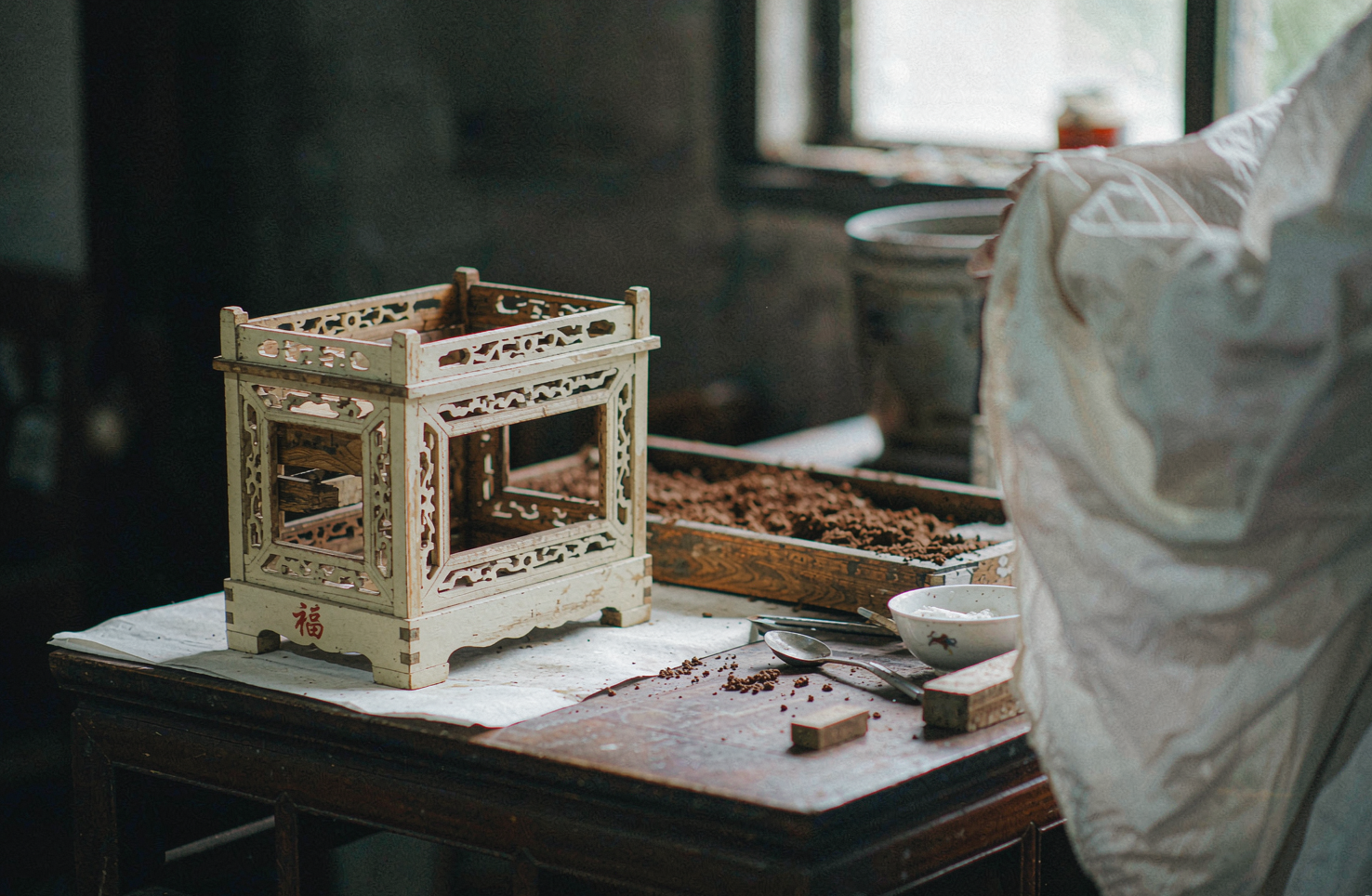
“可看、可品、可体验、可购买”对应非遗空间中理解器物的四个层次:先看来源,再在茶饮和使用场景中亲近,随后通过手作理解工序,最后自主决定是否购买。重点不是催促成交,而是降低陌生手艺的接触门槛。
韵和鸣 · 2026/10/13 · 49 阅读
漆器为什么能埋八千年不坏
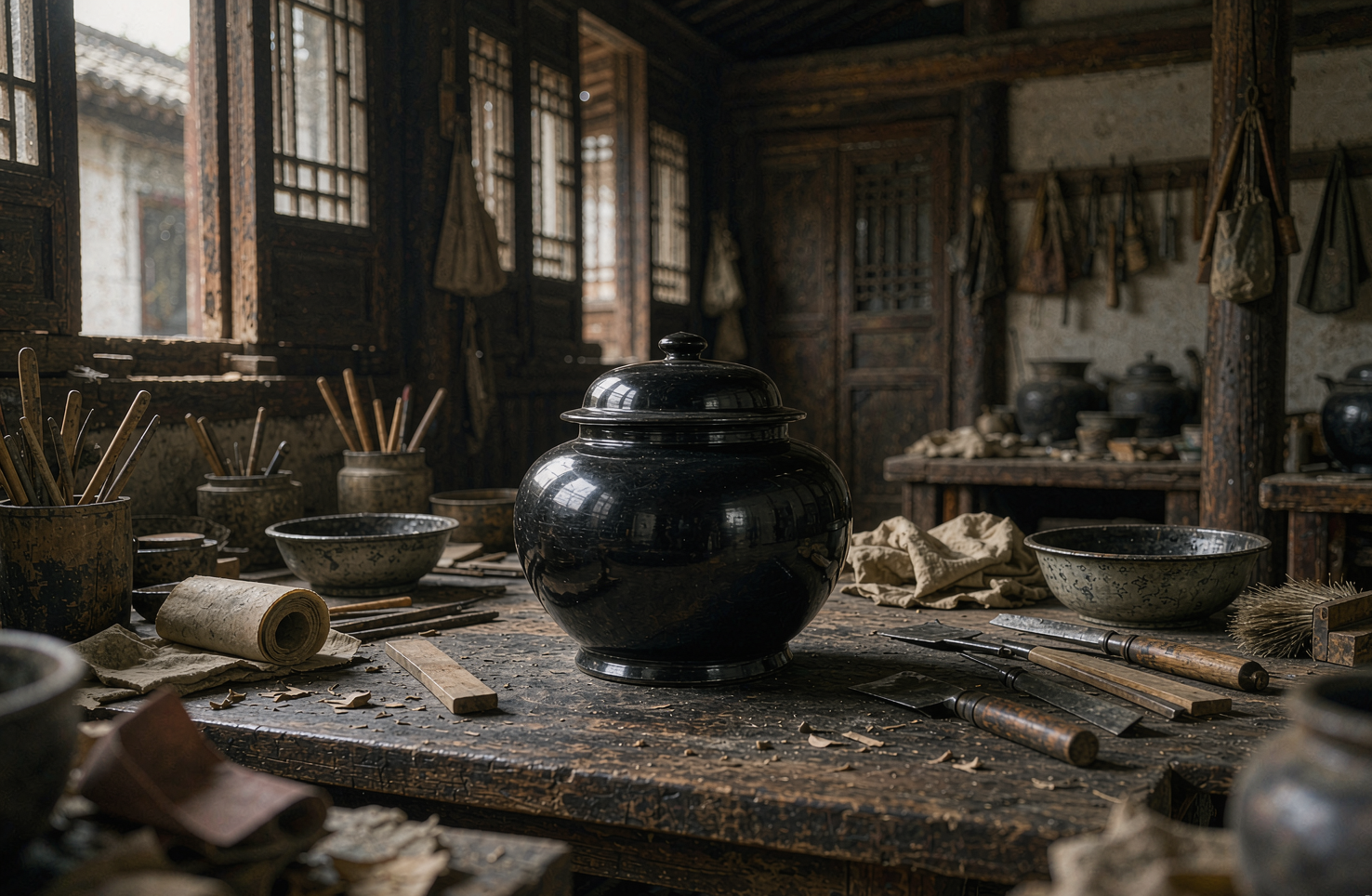
在博物馆做漆器研究与修复的研究员老周,桌上常年摆着两样东西:一段出土的漆皮残片,一只新做不久的平遥推光漆盘。他说这两样东西隔着八千年,却是同一种材料。这次对话,我们从"漆器为什么埋几千年不坏"聊起,聊到最后,其实是手艺对材料的理解问题。
韵和鸣 · 2026/10/14 · 69 阅读
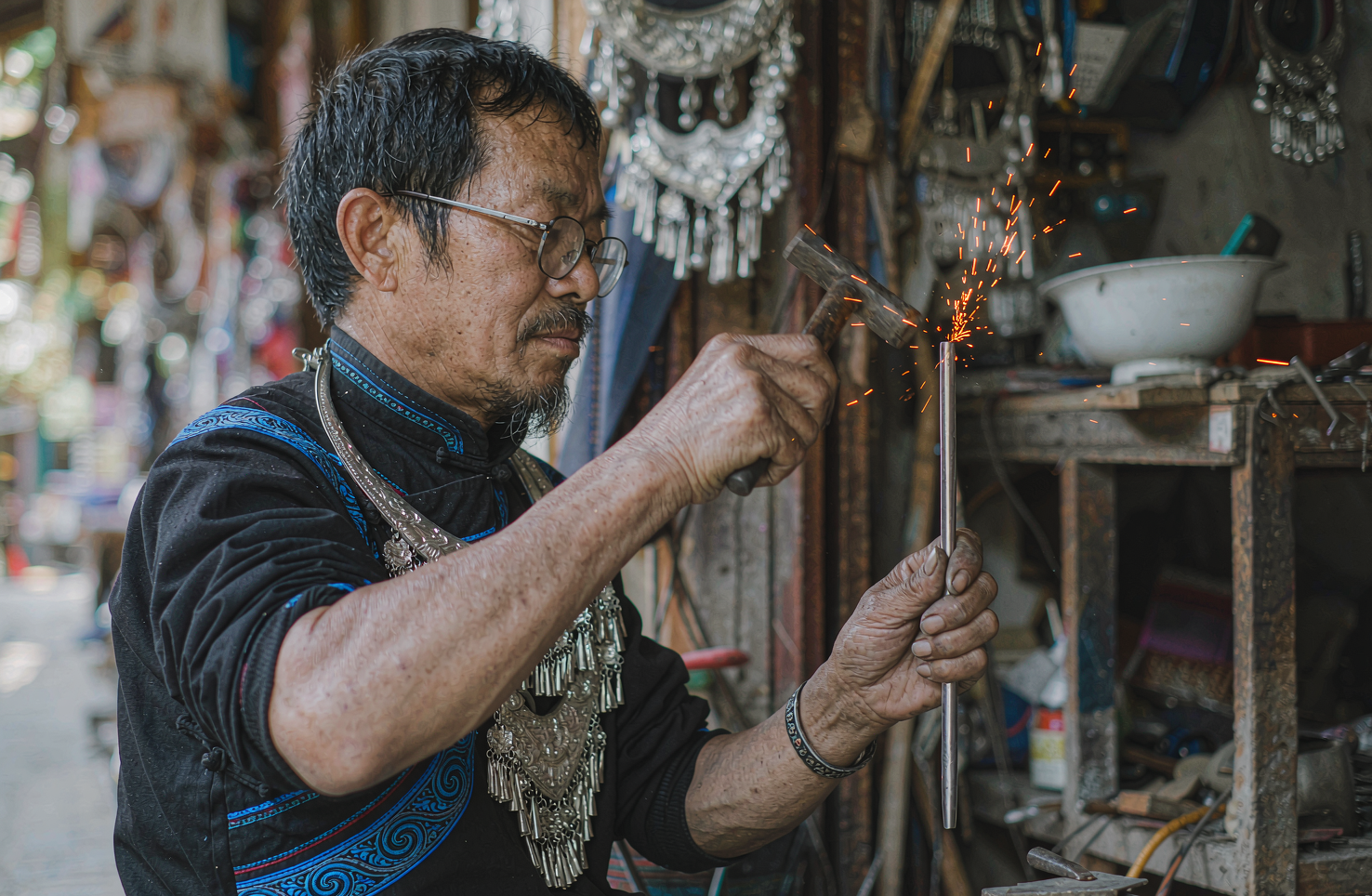
去贵州雷山,看一块银元如何变成一支银簪
在黔东南的苗寨里,银不只是一种首饰材料。它曾经是可以随时熔掉、重新打制的"存款",也是节日里一个女人身上最亮的那部分。关键在于,当一块老银元被放进坩埚,它要经过多少双手、多少道火,才重新成为一件能戴出门的东西。
韵和鸣 · 2026/10/9 · 62 阅读
AI 生成的"非遗纹样",算不算抄袭
喂一批图给模型,几秒钟就能出一张"苗绣风"的纹样。有人觉得这是把传统纹样重新用起来,有人认为这是把别人一辈子的手艺免费拿走了。问题不好回答,说到底,真正难定的不是"像不像",而是数据从哪来、收益到哪去。今天我们不做判断,只把两边的理由摆出来。
韵和鸣 · 2026/10/24 · 60 阅读
机器开始学手艺:是给匠人搭把手,还是来接班
一段流传很广的画面里,一台机械臂正跟着非遗传承人"学艺"——学劈丝、捻线、穿针。看的人分成两拨:一拨说技术帮上了忙,一拨说来抢饭碗了。同一件事读出两种意思,关键在于用什么尺度去量。
韵和鸣 · 2026/10/9 · 58 阅读