为什么有些非遗器物,越贵反而越朴素
韵和鸣 · 韵和鸣公众号 · 2026/11/6 12:00:00 · 1 阅读
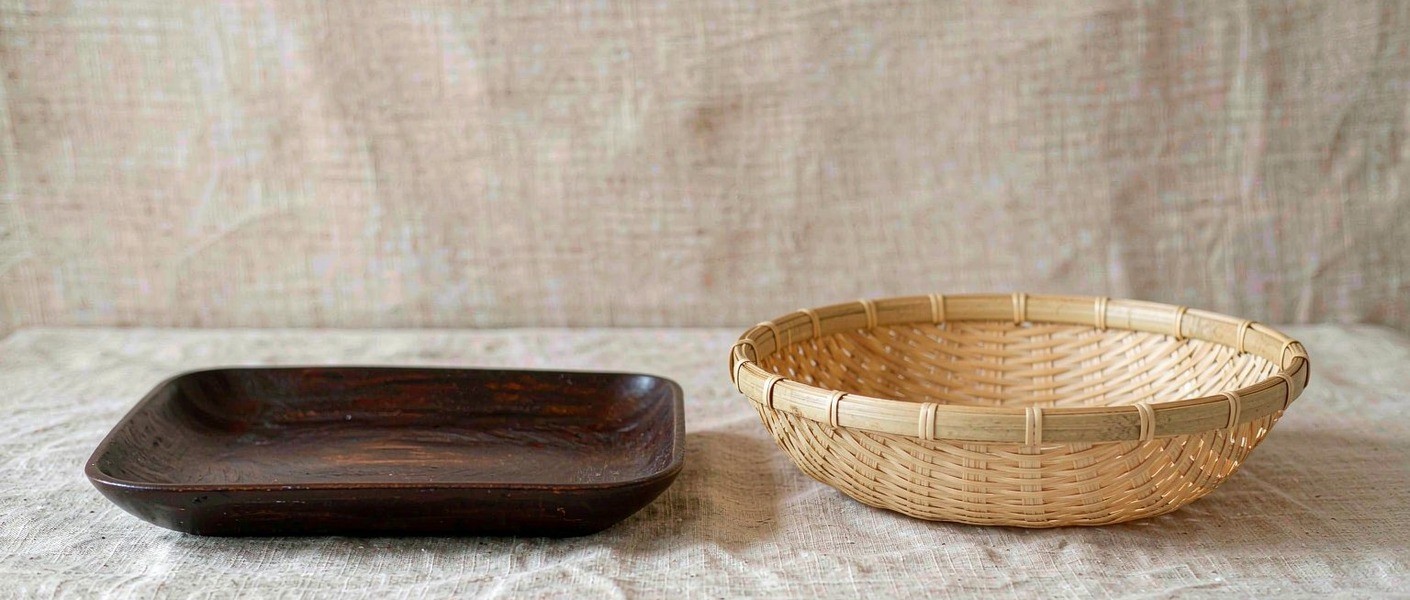
买非遗手作的人常有一个困惑:预算翻了几倍,拿到手的东西反而更素了。花团锦簇的便宜,克制内敛的贵,这条规律在漆器、瓷器、竹编、织绣里反复出现。朴素在手工的世界里,多数时候不是省钱,是花钱花在了别处。
▍一、装饰是遮,素面是露
先说审美这条线。满饰的器物有一个隐性好处:复杂的纹样能遮住瑕疵。一处漆面不够匀、一块瓷釉略有波动,都藏在图案里。素面器物没有这个庇护所,一道推光的圈痕、一点釉色的偏移,全都摊在光下。敢做素,前提是每一道工序都过得了直视。
所以老规矩里,素器往往是高手做的。纹样可以分工,素面无处分:木胎的平整、漆膜的厚薄、推光的匀净,一条链上任何一环松了,整件就散。同样是素,功夫密度完全不同。
审美上也有来路。中国的器物传统里,素一直占着高位:宋代的单色釉、素面的漆盒、不施繁饰的明式家具,走的都是把功夫藏进形与质的那条路。素不等于简单,它要求比例、线条、材质三者都拿得出手,任何一处平庸都会被放大。民间的说法是「耐看」,耐看的意思,就是禁得起天天看。
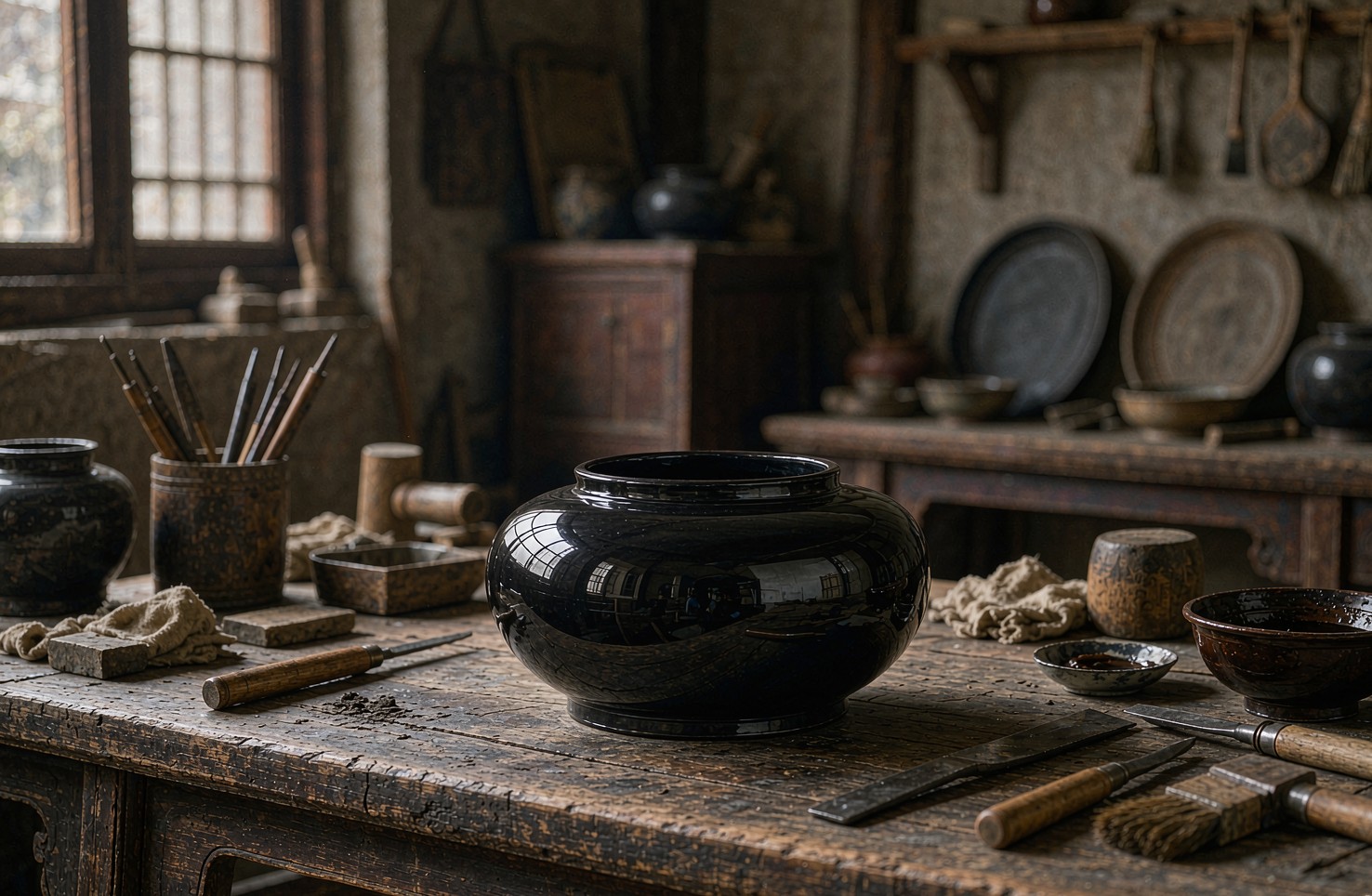
一只素色漆盘摆在案头,光线下漆面匀净无痕
▍二、贵在看不见的地方
再看钱花在哪。手工器物的价格大头,从来不在纹样而在准备:胎要选,料要备,失败要担。一件素色漆器,灰胎几遍、髹涂几遍、每遍之间阴干多久,外行看不出,成本全在这。装饰反而可能是省钱的——用图案盖住将就的底子,恰恰是降低标准的办法。
竹编同理。花样的筐靠编纹吸引视线,素色的日用器只能靠篾片的光洁、收口的齐整、密度的均匀立住。摸一只素筐的收边,刮手还是圆顺,是价格差异最诚实的位置。
还有一笔账常被忽略:报废率。素色器物挑不出毛病,也就意味着做坏的件没法出手,成本要摊进卖出的那部分里。工坊里做十个坯,能过素面这道检验的也许只有六七个,剩下的只能回炉或改做花器。装饰件的路数相反,小瑕疵可以顺势画进纹样里,损耗低得多。朴素背后的成本结构,比表面看着硬。
素色竹器的口沿特写,篾片收得紧密圆顺
▍三、严选的三看
在韵和鸣的严选经验里,判断「朴素的贵」是否为真,看三点。一看背面与内里:被人忽视的位置是否同样用心,素器的底往往比面更见功夫;二看过渡处:口沿、棱线、接缝这些交接的位置,是否处理得干净;三看来源:是谁做的、哪门手艺、能不能讲清工序。三点都对上,朴素就是克制的证据;对不上,朴素就只是简陋的托词。给一个可操作的顺序:先看形,再看工,最后才听故事。形歪了,工再细也难救;工塌了,故事讲得再圆也只是圆。
所谓工序密度,是指一件器物在单位表面上投入的手工工序量与合格率,包含备料、成型、修整、收尾各环节。朴素器物的定价依据,主要来自这一指标而非纹样复杂度。
▍问答
问 | 买非遗手作,素器和花器怎么选
答 | 按使用场景与鉴赏目的分。日用与久看,素器更耐,功夫全在匀净与细节,摆十年也不腻;送礼与初识,带纹样的更直观,文化符号一眼可读。预算相同时,素器的工序密度通常更高,但前提是来源讲得清。
问 | 朴素的器物怎么判断不是偷工
答 | 查三处:背面内里是否同样用心,口沿棱线等过渡处是否干净,来源工序是否说得清。偷工的朴素在细节处露馅,刮手的收口、粗糙的底面、讲不清的工序;真功夫的朴素经得起上手与追问。
问 | 韵和鸣选器物,贵和便宜怎么平衡
答 | 价格不是门槛,三条标准才是:只收真正的非遗手工品,只与传承人本人合作,核心工序手工完成。在这三条之内,贵的看工序密度,便宜的看完成度;每一件都与非遗老师联名,来路讲不清的一律不收。答案不是越贵越好,是每一分价格都能落到工序上。
📩 非遗项目 | 匠人举荐 | 跨境出海 | 线下联营
欢迎留言或后台联系,我们与匠人同行。
—— 韵和鸣 · 与匠人同行
〖 器 〗
相关搜索 | RELATED SEARCHES
非遗 器物 选购 · 素器 价值 · 手工 贵 原因 · 漆器 素面 · 器物 品质 判断
English
Begin with the aesthetic thread. Heavily decorated ware carries a hidden advantage: complex patterns hide flaws. An uneven patch of lacquer, a ripple in the glaze, disappears into the ornament. A plain surface offers no shelter; a ring mark from polishing, a drift in the glaze, lies open under the light. To dare plainness, every step of the process must survive a direct gaze.
In the old rules, then, plain pieces were the masters' work. Ornament can be divided among hands; plainness cannot: the trueness of the body, the evenness of each coat, the uniformity of the polish, if any link slackens, the whole piece comes apart. Two plain things can differ entirely in the density of workmanship they hold.
There is an aesthetic lineage too. In China's tradition of objects, the plain has long held the high ground: the monochrome glazes of the Song, unadorned lacquer boxes, Ming furniture without excess ornament, all taking the road that hides the work in form and substance. Plain is not simple; it demands proportion, line and material each stand on their own, and any mediocrity is magnified. The folk word is "bears looking at", which means it survives being seen every day.
A plain lacquer dish on a table, its surface even and unmarked in the light
Then look at where the money goes. The bulk of a handmade piece's price lies in preparation, never in pattern: the body selected, the materials readied, the failures borne. In a plain lacquer piece the rounds of ground and coating and the long drying between them are invisible to the lay eye, and that is where the cost lives. Decoration can even be the thrift: covering a compromised ground with pattern is precisely how standards get lowered.
Bamboo works the same way. Patterned baskets catch the eye with their weave; plain daily-use pieces stand only on the cleanness of the strips, the tidiness of the rim, the evenness of the density. Run a hand along the edge of a plain basket: whether it snags or rounds away is the most honest place the price difference lives.
One further ledger is often missed: the rate of loss. A plain surface forgives nothing, so a flawed piece cannot be sold, and its cost must be carried by those that pass. Of ten bodies made in a workshop, six or seven may survive the plain-surface inspection, the rest returning to the kiln or hiding in patterned form. Decoration runs the other way; small flaws fold gracefully into the ornament, and losses stay low. The cost structure behind plainness is harder than it looks.
A close view of a plain bamboo rim, strips gathered tight and smooth
In YUNHEMING's curation experience, whether plainness truly costs is read at three points. Look at the back and the interior: whether the neglected positions receive the same care, for the underside of a plain piece often holds more skill than its face. Look at the transitions: rim, edge, seam, whether the joins are clean. And look at the provenance: who made it, of which craft, and whether the process can be told. Where all three check out, plainness is evidence of restraint; where they fail, plainness is merely an excuse for shoddiness.
Process density is the amount of hand procedure and yield invested per unit of surface, from preparation through forming, refining and finishing. The pricing of plain pieces rests chiefly on this measure, not on the complexity of pattern.
Between plain and patterned handmade pieces, how to choose?
By use and intent. For daily use and long viewing, plain pieces endure, their merit in evenness and detail, and they do not tire in a decade; for gifts and first acquaintance, patterned pieces speak at a glance. At equal budget the plain piece usually carries denser work, provided its provenance is legible.
How to tell plainness from corner-cutting?
Check three places: whether back and interior show equal care, whether transitions such as rims and edges finish clean, and whether provenance and process can be told. Cut corners betray themselves in the small places, a snagging rim, a rough underside, a process no one can narrate. Plainness with real workmanship survives handling and questioning.
How does YUNHEMING balance dear and inexpensive in selection?
Price is not the bar; three standards are: only genuine handmade heritage pieces, only work with the bearers themselves, core steps finished by hand. Within those lines, the dear are read for process density and the modest for completeness; every piece is co-signed with a master, and anything without a clear provenance is refused. The answer is not dearer-is-better, but every unit of price landing on the process.
A plain surface conceals nothing; the work shows itself. Is there a plain piece at your side that grows better with use? Tell us about it.
ICH Projects · Artisan Referrals · Global Distribution · Salon Partnerships
你可能还感兴趣
一件漆器该有多重,手感不会说谎
严选器物,看纹样、看款识、看证书,都是明面上的事。但有一道标准写不进任何参数表——上手。同一尺寸的两只漆盘,一只压手温润,一只轻飘干瘪,差别从何而来?这次把"分量"这件事拆开讲。说到底,重量是工序的记账本。
韵和鸣 · 2026/10/14 · 55 阅读
一盏博山琉璃:颜色是炉火给的,不是颜料调的
博山琉璃的颜色由矿石、着色配方和炉温共同形成,鸡油黄等色料并非烧成后涂在表面。文章介绍挑料、吹制、塑型、灯工和内画,说明流纹、气泡与壁厚如何反映手工过程,并提供观察颜色、过渡和口沿的选器方法。
韵和鸣 · 2026/10/12 · 53 阅读
一张蔚县剪纸,彩色的刻刀活
严选录这一期看一张不太一样的剪纸:它不用剪刀,用刻刀;不止红色,还带着点染出来的粉与绿。河北张家口蔚县的剪纸,是剪纸大家族里"反着来"的一支——别处以剪为主、以红为正,蔚县以刻代剪、以点彩上色。说到底,这两个"反着来"的本质,是蔚县人把剪纸从窗前的女红,做成了作坊里的分工手艺:看懂了这一点,才算看懂了这张纸。
韵和鸣 · 2026/10/13 · 52 阅读
一枚漆书签:小物件为什么反而更考验手艺
漆书签体量小,却同时暴露胎体稳定、漆层附着、边缘打磨与日常耐用度。挑选时先看薄厚与侧面,再摸边缘和转角,比只看纹样更能判断小件工序是否扎实,也值得问清售后修复。
韵和鸣 · 2026/10/24 · 48 阅读
平金开黑:金与黑,为什么这么耐看
平金开黑以黑漆为底、金线为饰,关键在于黑底的推光质量、金线的稳定和留白的分寸。文章介绍相关工具与工序,并从线条、光泽、使用和来源等方面说明如何观察描金漆器,避免只用金的多少判断价值。
韵和鸣 · 2026/10/10 · 47 阅读
竹编漆艺茶席:两种非遗,如何在同一张桌上共生
一张茶席上,常常同时摆着竹编的垫、漆艺的托。它们来自两门毫不相干的手艺,却在同一片茶汤边安静相处。共生这件事,比"混搭"难得多。
韵和鸣 · 2026/10/2 · 46 阅读