在蜀绣工坊,我看懂了一根丝线怎么被劈成十六股
韵和鸣 · 韵和鸣公众号 · 2026/11/6 12:00:00 · 1 阅读
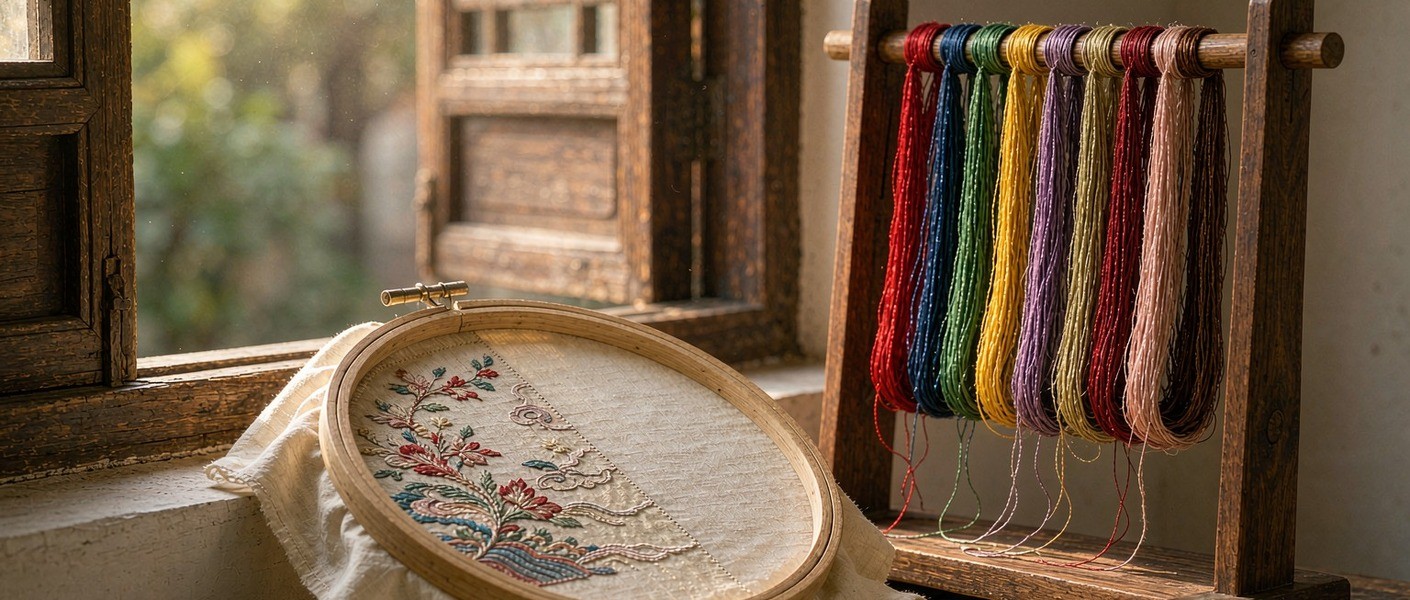
蜀绣 2006 年列入国家级非物质文化遗产名录,产地在四川成都一带。寻访之前,我对它的印象停留在「针法多」三个字上;从工坊出来,记得最牢的却是一个动作:劈丝。一根丝线在绣娘手里对折、再对折,变成十六股,每一股都比头发细。这门手艺的账,从这一下开始算。
▍一、丝线的脾气
到工坊是下午。绣娘先不谈针法,先让我看线。一根蚕丝线看着普通,捻开才知道是并起来的数缕;要绣出过渡自然的晕色,得把它劈开用。她的手法快得近乎随意:指腹一捻,线头散开,对折,再捻,再对折。几下之后,摊在掌心的是十六股几乎看不见的丝。
绣绷前的手,指间捻着一缕劈开的细丝
劈丝有方向。丝有毛向,顺毛与逆毛的光泽不一样,劈的时候要顺着来,绣的时候也要顺着来。绣娘说,新手头一道关不是针法,是丝的脾气:急一点就打结,躁一点就起毛,劈坏了的丝上不了绷子,只能废弃。她说这话时手上没停,一根线劈完不过十几秒,背后是年头。
工坊里验丝有专门的位置。窗边一张空桌,光线从侧面来,劈好的丝对着光看,起毛的、粗细不匀的,一眼就能挑出来。绣娘管这叫看丝光:好丝在光里是一条匀净的亮线,劈坏的丝光就散了,像蒙了层雾。案头这道关卡过不了,上了绷子再费几十个小时也救不回来。
▍二、晕针:针脚排出来的渐变
蜀绣里最见功夫的针法之一是晕针,用来绣颜色的过渡。原理说穿了一点不神秘:不同色阶的丝线,一行压一行地铺过去,行距与角度留得匀,远看就是从深到浅的晕。奥秘全在「匀」这一个字上。行距差半毫米,成品上就是一道看得见的痕。
绣片局部,色阶一行压一行,过渡处看不出接缝
一幅中等尺幅的花鸟绣片,配色几十种,每种都要劈丝、都要排针。绣娘说她的速度是一件数月,还不能天天都挤得出整段安静时间。配色也是慢慢养出来的本事:线柜里色号排开上百种,用哪些、深浅怎么接,师傅常常要试上好几天,两根线在案上比着看是顺的,绣进同一片花瓣里会突然打架。纸上画错能改,绣错一针就得挑线返工,所以配色的决定格外慎重。工坊里另一位年轻的学徒还停在铺针阶段,同一片花瓣,师傅收边,她铺底。分工本身就是教学:眼睛先学会看,手才学得会跟。
▍三、为什么这项手艺养得住人,也留不住人
聊到收入,绣娘没有回避:计件的市场压价,机绣的低价冲击,都在挤压手工的定价空间。但真正让她担心的还是人。学徒要三五年才能独立完成一幅作品,头两年几乎产出不了收入;能熬过这段的年轻人,多是对针线真有兴趣的。工坊现在接定制与研学,两头补——定制给收入,研学给人气。
所谓劈丝,是指将并捻的蚕丝线按毛向逐层剖分、分缕使用的备线工序。丝分得越细,色阶过渡越柔和,是精细绣品控制成本与品质的头一道关口。
▍问答
问 | 蜀绣为什么要把丝线劈开再绣
答 | 为了色阶与光泽。整根线太粗,颜色一块一块地硬;劈成数股后,同一根线能排出由深到浅的过渡,丝的毛向顺了,光泽也活。劈得越细越费工,所以精细绣片的价格里,备线这一道占的分量不小。
问 | 机绣和手工绣,最省事的分辨方法是什么
答 | 看背面和过渡。手工绣的背面走线松紧不一,但过渡是针脚一行行排出来的;机绣的背面密集整齐得像印刷,渐变靠程序喷印或多层贴补,放大看缺少行距的自然变化。再问一句工序:劈丝、配色这些环节,机器做不了也说不清。
问 | 韵和鸣寻访工坊,会跟绣娘谈什么
答 | 谈手艺也谈难处。走进工坊做匠人访谈,把工序与规矩记下来,也听收入、带徒、订单这些实际问题;之后能帮上的,是拍产品拍视频、做多语言的内容、对接渠道与出海的机会。先懂人,再谈器物,这是品牌做事的顺序。
📩 非遗项目 | 匠人举荐 | 跨境出海 | 线下联营
欢迎留言或后台联系,我们与匠人同行。
—— 韵和鸣 · 与匠人同行
〖 寻 〗
相关搜索 | RELATED SEARCHES
蜀绣 劈丝 · 蜀绣 针法 晕针 · 手工绣 机绣 区别 · 成都 非遗 工坊 · 蜀绣 为什么贵
English
I arrived in the afternoon. The embroiderer talked no stitchology at first; she had me look at the thread. A silk thread looks ordinary until you see it plied from several strands; to achieve graded colour, it must be split before use. Her motion looked almost careless: a roll of the fingertips, the end fans out, fold, roll again, fold. A few moves later, sixteen nearly invisible strands lay in her palm.
Hands at the frame, a split strand of silk rolled between the fingers
Splitting runs with the grain. Silk has a nap; shine differs with and against it, and both splitting and stitching must follow it. The first barrier for a beginner, she said, is not the stitches but the temper of silk: hurry and it knots, impatience and it frays. A badly split strand never reaches the frame, only the waste bin. Her hands never stopped as she spoke; a thread splits in a dozen seconds, and years stand behind it.
The workshop has a place set aside for checking silk. An empty table by the window takes side light; held against it, a frayed or uneven strand shows at a glance. She calls it reading the sheen: good silk in the light is one clean bright line, while badly split silk scatters its glow like a film of mist. Fail this checkpoint at the bench, and no dozens of hours on the frame will save the piece.
The Shaded Stitch: Gradient Laid Row by Row
Among the craft's most demanding techniques is the shaded stitch, used for gradations of colour. The principle holds no mystery once told: threads of neighbouring tones laid row upon row, spacing and angle kept even, so that from a distance the colour breathes from dark to light. All the secret sits in the word "even". Half a millimetre off in spacing leaves a visible scar in the finished panel.
A detail of the panel, tone laid over tone, the transitions seamless
A mid-sized flower-and-bird panel runs to dozens of colourways, each split and laid. At her pace, one piece takes months, and even then only with long unbroken hours. A younger apprentice in the workshop is still at the ground-stitch stage; on the same petal, the master finishes the edges while the apprentice lays the base. The division of labour is itself the teaching: the eye learns to see before the hand learns to follow.
Why the Craft Both Feeds and Loses Its People
On income she did not dodge: piece-rate markets and machine-embroidered cheap imports both squeeze the price of the handmade. What worries her more is people. An apprentice needs years before finishing a work alone, and the early stretch yields almost nothing; those who last are mostly the ones genuinely drawn to needle and thread. The workshop now takes commissions and study visits, one for income, one for audience.
Silk splitting is the preparatory step of dividing a plied silk thread along its nap, strand by strand, for use. The finer the strands, the softer the tonal transitions; it is the first gate of both cost and quality in fine embroidery.
Why does Shu embroidery split the silk before stitching?
For gradation and sheen. A whole thread is too coarse and colour lands in blocks; split into strands, one thread can lay a passage from dark to light, and with the nap followed, the silk glows. Finer splitting costs more labour, so in a fine panel the preparation of thread weighs heavily in the price.
What is the easiest way to tell machine from hand embroidery?
Look at the back and the gradations. A handmade back shows varied tension, yet transitions built row by row; a machine back is printed-regular, its gradients printed or layered without natural variation in spacing. Then ask about process: splitting and colour matching are steps a machine can neither do nor explain.
What does YUNHEMING talk about with embroiderers on visits?
Both the craft and the strain. The team interviews makers in their workshops, records process and rules, and listens to the practical side of income, apprentices and orders. What it can then offer is filming, multilingual content, and channels to export. Understanding the person comes before the piece; that is the brand's order of work.
One thread into sixteen strands, one panel into months. What is the finest thing you have met in daily life? Tell us in the comments.
ICH Projects · Artisan Referrals · Global Distribution · Salon Partnerships
你可能还感兴趣
去贵州雷山,看一块银元如何变成一支银簪
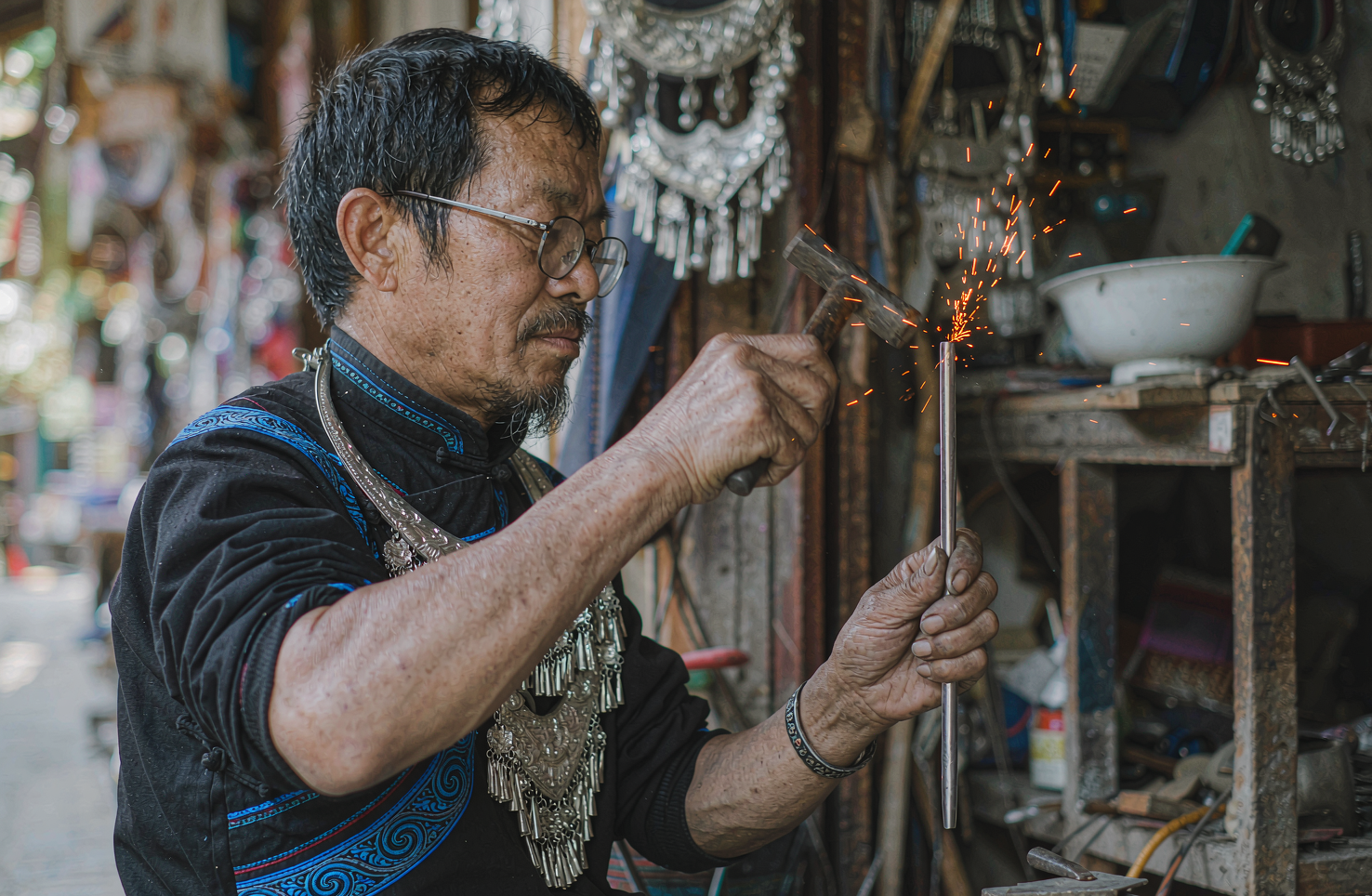
在黔东南的苗寨里,银不只是一种首饰材料。它曾经是可以随时熔掉、重新打制的"存款",也是节日里一个女人身上最亮的那部分。关键在于,当一块老银元被放进坩埚,它要经过多少双手、多少道火,才重新成为一件能戴出门的东西。
韵和鸣 · 2026/10/9 · 62 阅读
漆器为什么能埋八千年不坏
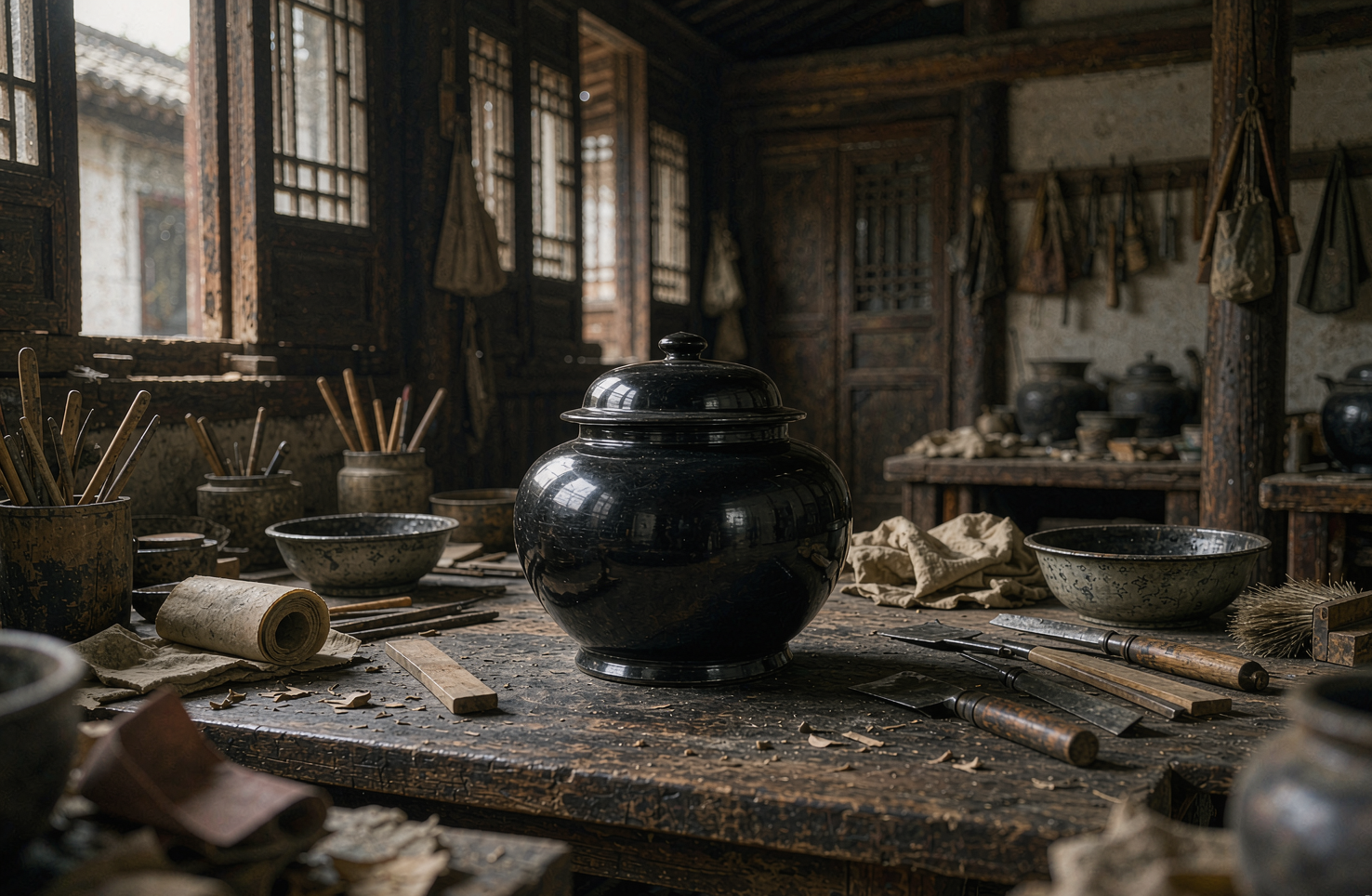
在博物馆做漆器研究与修复的研究员老周,桌上常年摆着两样东西:一段出土的漆皮残片,一只新做不久的平遥推光漆盘。他说这两样东西隔着八千年,却是同一种材料。这次对话,我们从"漆器为什么埋几千年不坏"聊起,聊到最后,其实是手艺对材料的理解问题。
韵和鸣 · 2026/10/14 · 69 阅读
AI 生成的"非遗纹样",算不算抄袭
喂一批图给模型,几秒钟就能出一张"苗绣风"的纹样。有人觉得这是把传统纹样重新用起来,有人认为这是把别人一辈子的手艺免费拿走了。问题不好回答,说到底,真正难定的不是"像不像",而是数据从哪来、收益到哪去。今天我们不做判断,只把两边的理由摆出来。
韵和鸣 · 2026/10/24 · 60 阅读
机器开始学手艺:是给匠人搭把手,还是来接班
一段流传很广的画面里,一台机械臂正跟着非遗传承人"学艺"——学劈丝、捻线、穿针。看的人分成两拨:一拨说技术帮上了忙,一拨说来抢饭碗了。同一件事读出两种意思,关键在于用什么尺度去量。
韵和鸣 · 2026/10/9 · 58 阅读
把"慢"做成一种体验:一间非遗会客厅的想法
我们习惯按功能给空间分类:吃饭的、购物的、办公的。但有一种很难归类——它在城市的闹处,不催你走,也不急着让你买单。关键在于,当"慢"被认真设计出来,它本身就可以是一种产品。
韵和鸣 · 2026/10/9 · 57 阅读
年轻人不愿学老手艺,该怪年轻人,还是怪这门手艺?
非遗传承里被讨论得最多的一句话是"后继乏人"。这句话往下追一层,就分成两条路:一条通向年轻人,说他们耐不住、看不上;一条通向他们面对的那门手艺,说它没能给出一条能活下去的路。这两条路,最近又吵起来了。
韵和鸣 · 2026/10/8 · 56 阅读