一件非遗作品,讲得动人和做得好,哪个更该被买单
韵和鸣 · 韵和鸣公众号 · 2026/11/6 12:00:00 · 1 阅读
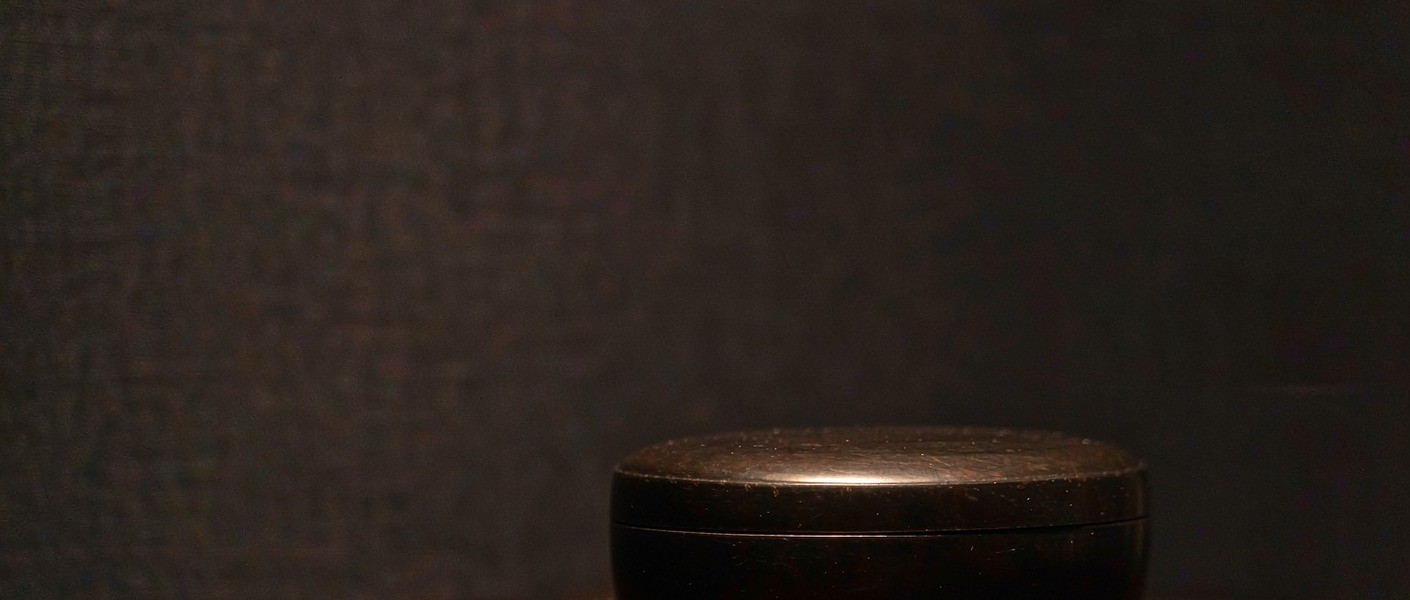
进博会给非遗设了展区,重庆的非遗博览会也开幕在即。热闹里有一个老问题被重新顶到台前:同样两件器物,一件做得好、没人会讲,一件做得普通、故事动人,市场往往选后者。为「讲得动人」付钱,到底冤不冤?
▍一方:看不见的工序,本来就需要翻译
支持叙事的人有个很硬的理由:手工的核心价值恰恰是看不见的。三百小时的针脚、七遍髹涂、一次阴干三个月,站在柜台前谁也数不出来。故事是这些工序的翻译器,把时间与难度转成普通人听得懂的语言。没有翻译,好手艺和普通货在货架上长得一样,最后一起卖地板价。
再说,讲得动人本身也是门槛。把一门技艺的来历、规矩、讲究讲得又准又好听,要下过案头功夫,访谈过匠人,核对过工序。讲错了会露馅,讲浅了没人听。这门手艺不比制作低级。
展台一角,一只手托着器物,正对来客讲解
▍另一方:溢价一旦跑在手艺前面,就会反噬
反对方的担心同样具体。价格由故事撑起来,质量却接不住,消费者头一回上当了,第二回就不再信任何叙事,连同那些真做得好的匠人一起买单。故事讲得越动人,反噬的面越大。
更深一层是激励的扭曲。如果「会讲」比「会做」赚钱,工坊会把资源从案板挪向镜头:工序减一遍省出时间拍视频,材料降一档省出预算投流量。手艺的完整性就这样被一点一点让渡出去。名区别骂错了,问题从来不在讲故事,在故事讲的东西是不是真的还在发生。
所谓叙事溢价,是指消费者为商品附着的讲述与情感线索支付的那部分价格。它成立的前提,是讲述的内容与商品的实际工序、材料、来源一致。
▍收束:两件事都真,尺子只有一把
讲得动人是传播问题,做得好是生产问题,本不该二选一。真正该被买单的,是「讲的内容恰好为真」的那件。故事讲到哪一道工序,就验哪一道;讲到哪位匠人,就见哪位匠人。尺子递到消费者手里,这场争论才有意义。
你买非遗手作时,更看重故事还是工序?有没有一次是被「讲得动人」打动,后来发现货不对板的?评论区说说。
▍问答
问 | 判断一件非遗作品值不值,该看什么
答 | 把故事当线索,把工序当证据。故事里提到的工序、材料、匠人,逐条问能不能对应上;对得上的,价格里有叙事也合理,对不上的,叙事本身就是风险。
问 | 韵和鸣替匠人讲的内容,靠什么确认是真的
答 | 靠访谈和寻访。团队长期走进工坊做匠人访谈与实地寻访,把过程公开给读者看;器物与非遗老师联名,出处、工序、署名写得清楚。讲出来的每一句,都能回到具体的人与做法上。
📩 非遗项目 | 匠人举荐 | 跨境出海 | 线下联营
欢迎留言或后台联系,我们与匠人同行。
—— 韵和鸣 · 与匠人同行
〖 辩 〗
English
One Side: Invisible Work Needs a Translator
Those who back narrative hold one hard argument: the core value of handwork is precisely what cannot be seen. Three hundred hours of stitching, seven coats of lacquer, three months of slow drying, none of it countable from the counter. The story is the translator, converting time and difficulty into a language anyone understands. Without translation, fine work and ordinary work look alike on the shelf, and both end up at floor price.
Besides, telling it well is itself a barrier. To narrate a craft's origin, rules and subtleties accurately and engagingly takes desk work, interviews with makers, verification of process. Errors show, and thinness bores. The telling is no lesser a craft than the making.
At a display corner, a hand holds a piece while explaining it to visitors
The Other Side: Once Premium Runs Ahead of Craft, It Bites Back
The opponents' worry is just as concrete. When price is propped up by story and quality cannot catch up, a buyer burned once stops believing any narrative, and the fine makers who truly deliver pay the same bill. The more moving the story, the wider the backlash.
Deeper lies the distortion of incentives. If talking pays better than making, workshops move resources from bench to lens: skip a step to buy filming time, downgrade material to buy traffic. The integrity of craft is ceded piece by piece. And do not blame the wrong thing: the problem is never storytelling itself, but whether what the story tells is still really happening.
Narrative premium is the portion of price paid for the telling and the emotional clues attached to a good. It holds only when what is told matches the actual process, material and provenance of the piece.
Closing: Both Are Real; There Is One Ruler
Telling well is a question of communication; making well is a question of production. It should never be either-or. What deserves to be paid for is the piece whose story happens to be true. Whatever step the story mentions, check that step; whichever maker it names, meet that maker. Only when the ruler is handed to the buyer does this debate find its meaning.
When you buy handmade heritage work, do you weigh the story or the process? Ever been won over by a telling that the piece failed to match? Tell us in the comments.
How should one judge whether a heritage piece is worth it?
Treat the story as a lead and the process as evidence. Ask, item by item, whether the steps, materials and maker named in the story can be matched; where they match, narrative in the price is fair, and where they do not, the narrative itself is the risk.
What keeps the content YUNHEMING tells on behalf of makers true?
Through interviews and field visits. The team keeps walking into workshops for interviews and on-site visits and opens the process to readers; works are co-signed with the masters, with provenance, process and signature stated clearly. Every sentence told traces back to a specific hand and practice.
ICH Projects · Artisan Referrals · Global Distribution · Salon Partnerships
你可能还感兴趣
AI 生成的"非遗纹样",算不算抄袭
喂一批图给模型,几秒钟就能出一张"苗绣风"的纹样。有人觉得这是把传统纹样重新用起来,有人认为这是把别人一辈子的手艺免费拿走了。问题不好回答,说到底,真正难定的不是"像不像",而是数据从哪来、收益到哪去。今天我们不做判断,只把两边的理由摆出来。
韵和鸣 · 2026/10/24 · 60 阅读
机器开始学手艺:是给匠人搭把手,还是来接班
一段流传很广的画面里,一台机械臂正跟着非遗传承人"学艺"——学劈丝、捻线、穿针。看的人分成两拨:一拨说技术帮上了忙,一拨说来抢饭碗了。同一件事读出两种意思,关键在于用什么尺度去量。
韵和鸣 · 2026/10/9 · 58 阅读
年轻人不愿学老手艺,该怪年轻人,还是怪这门手艺?
非遗传承里被讨论得最多的一句话是"后继乏人"。这句话往下追一层,就分成两条路:一条通向年轻人,说他们耐不住、看不上;一条通向他们面对的那门手艺,说它没能给出一条能活下去的路。这两条路,最近又吵起来了。
韵和鸣 · 2026/10/8 · 56 阅读
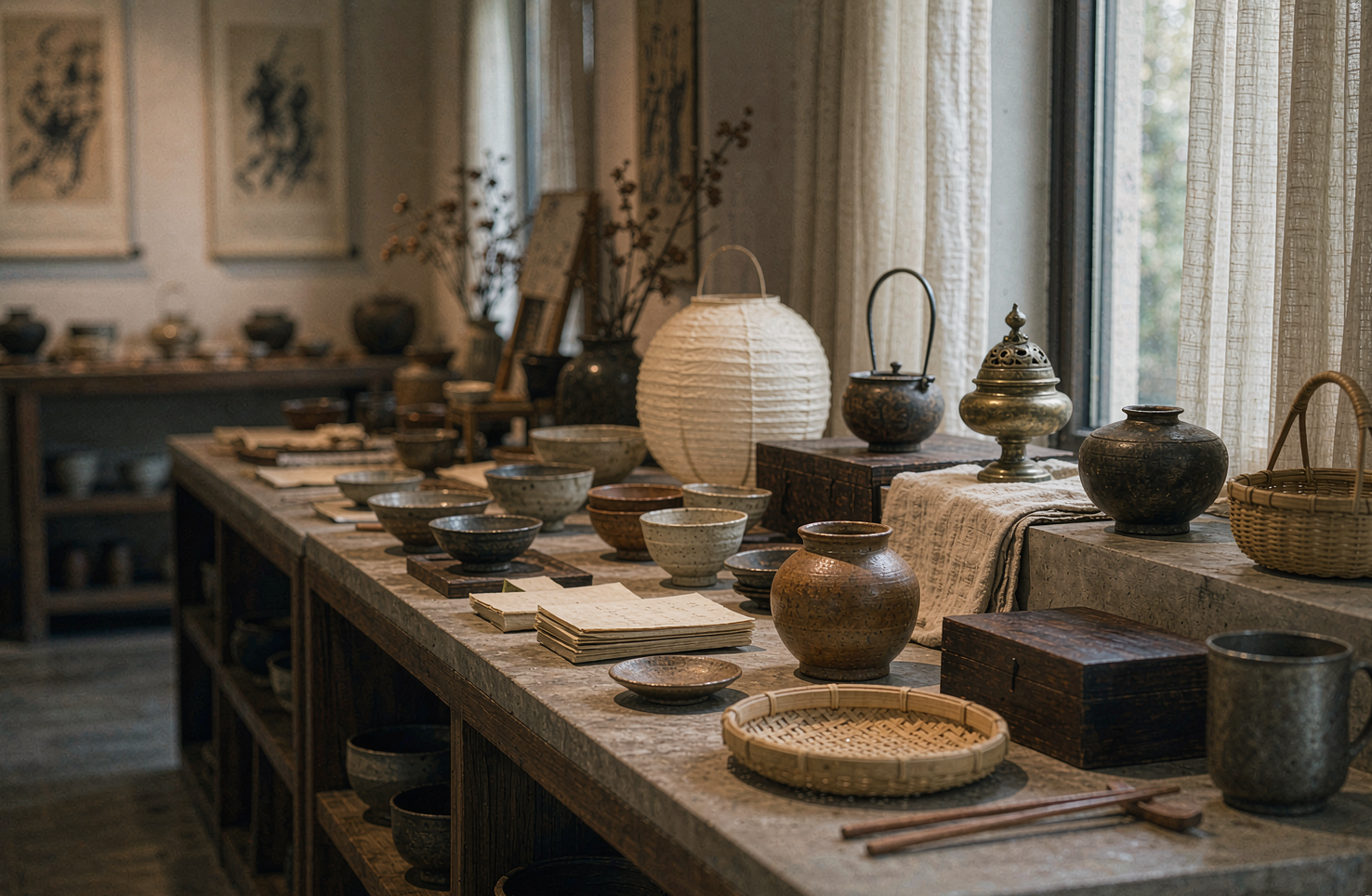
非遗创新只剩跨界联名和文创,是真突破还是路径依赖?
长假刚过,一场区域性非遗活动发布的"创新案例"名单在网上引来讨论:入选案例的路数出奇一致——不是和游戏影视做跨界,就是把老手艺搬进沉浸式演出,再就是开发一轮文创。有人叫好,也有人摇头:年年喊创新,怎么总围着老三样转?是突破,还是路径依赖?两边的话都摆出来。
韵和鸣 · 2026/10/13 · 48 阅读
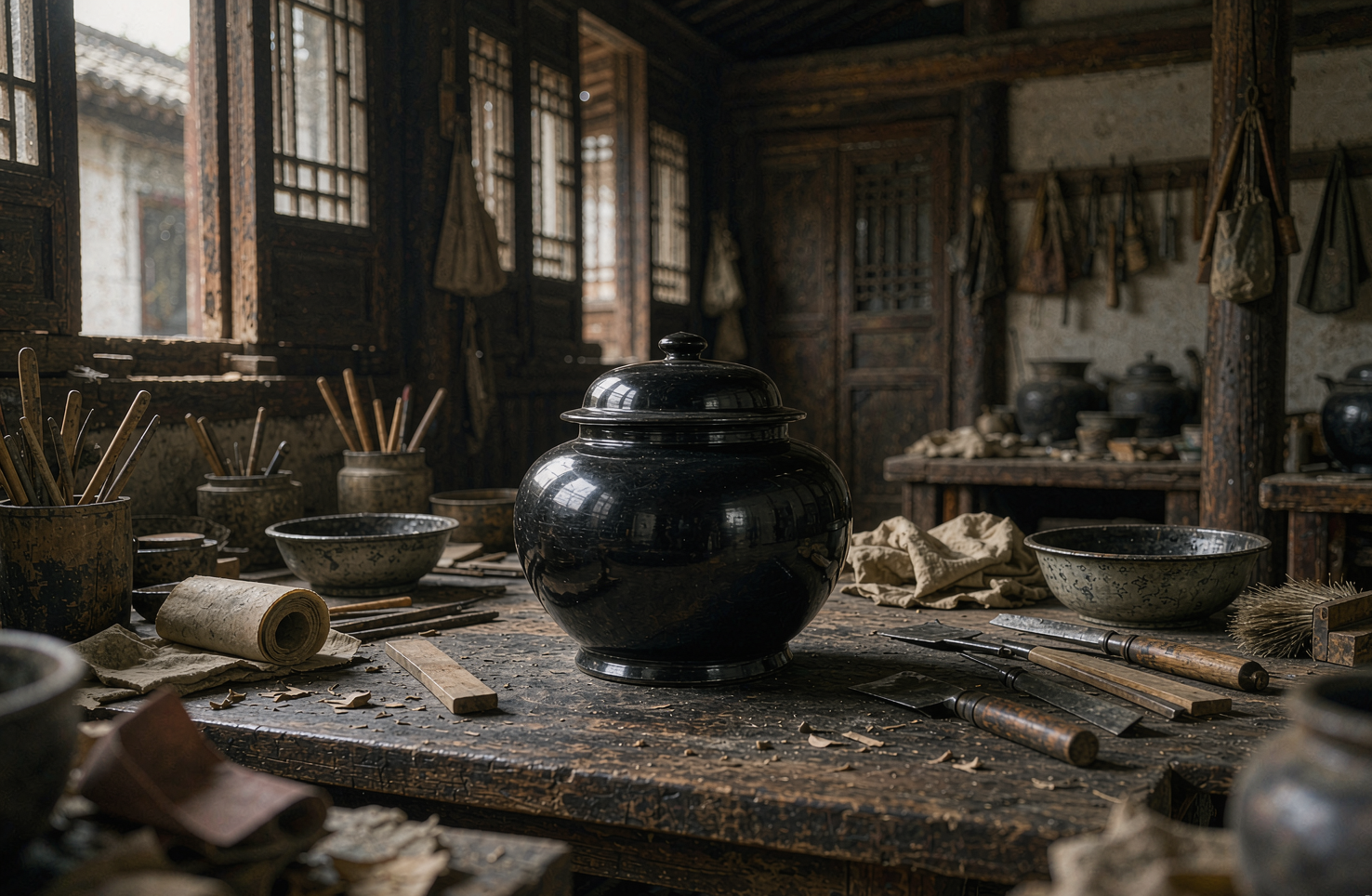
漆器为什么能埋八千年不坏
在博物馆做漆器研究与修复的研究员老周,桌上常年摆着两样东西:一段出土的漆皮残片,一只新做不久的平遥推光漆盘。他说这两样东西隔着八千年,却是同一种材料。这次对话,我们从"漆器为什么埋几千年不坏"聊起,聊到最后,其实是手艺对材料的理解问题。
韵和鸣 · 2026/10/14 · 69 阅读
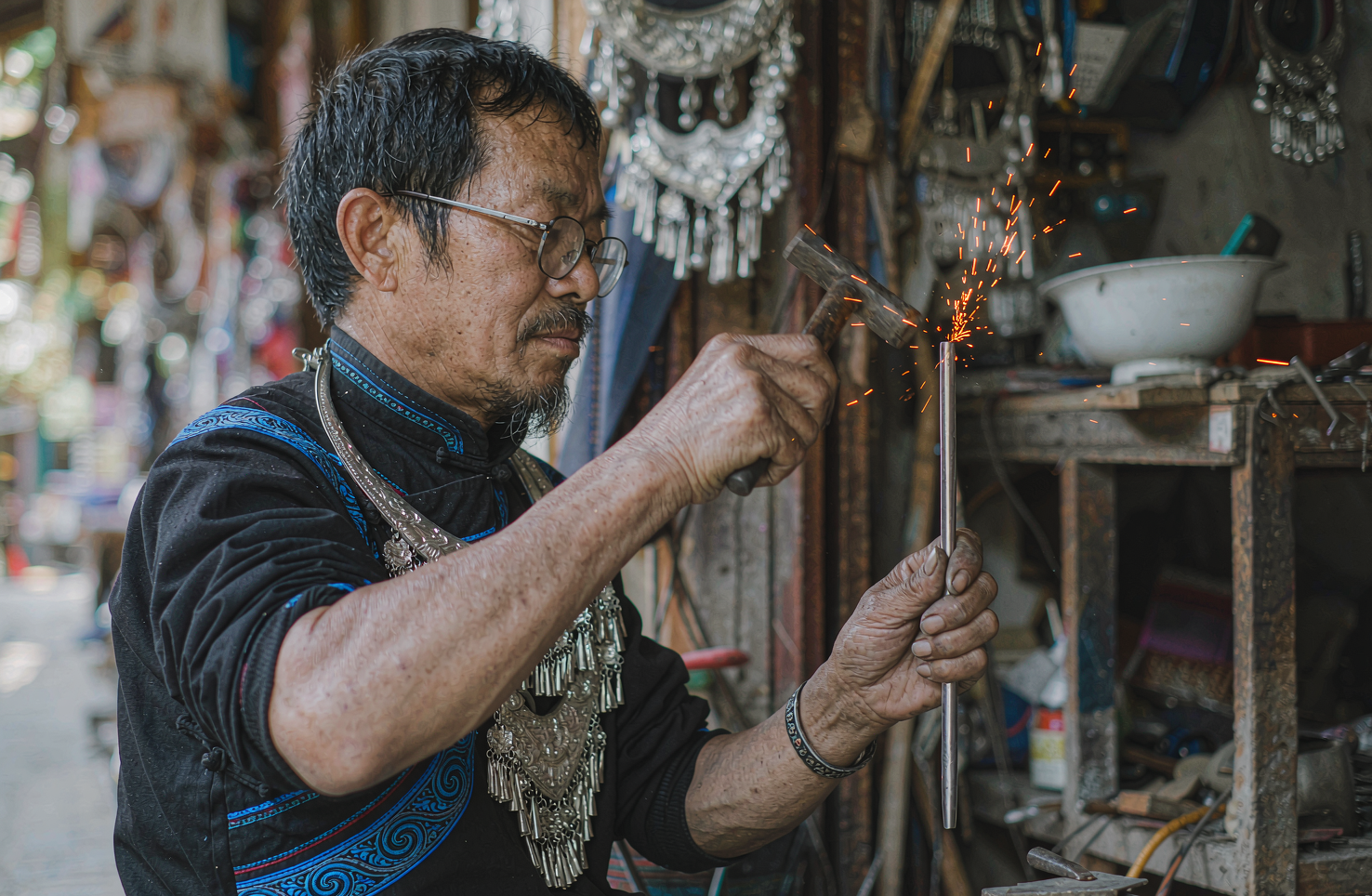
去贵州雷山,看一块银元如何变成一支银簪
在黔东南的苗寨里,银不只是一种首饰材料。它曾经是可以随时熔掉、重新打制的"存款",也是节日里一个女人身上最亮的那部分。关键在于,当一块老银元被放进坩埚,它要经过多少双手、多少道火,才重新成为一件能戴出门的东西。
韵和鸣 · 2026/10/9 · 62 阅读