我们为什么把海外中心放在新加坡
韵和鸣 · 韵和鸣公众号 · 2026/11/5 12:00:00 · 1 阅读
韵和鸣做非遗出海,出口欧美、日韩、新加坡等市场。这个链条要跑通,光有货不够,还得有人在当地接得住。所以我们在新加坡和德国设了公司。这一篇说说为什么选在这里,各自管什么。
▍一、新加坡:一个天然的中转与解释的窗口
头一个理由是位置。新加坡在东南亚的航运与航空枢纽上,货物从中国出,经这里分拨到各地,路径短、班次密。链路越短,磕碰与延误越少,漆器尤其经不起多一次转运。
第二个理由是语言。英语与华语并用,跟中国工坊和欧美买家沟通,能用同一套人。非遗出海的难点常常不在货,而在把工序讲清楚:漆髹了几遍、灰刮了几层、为什么这一件要等三个月。这类解释需要既懂手艺又懂商务的人,双语环境让招人容易一些。
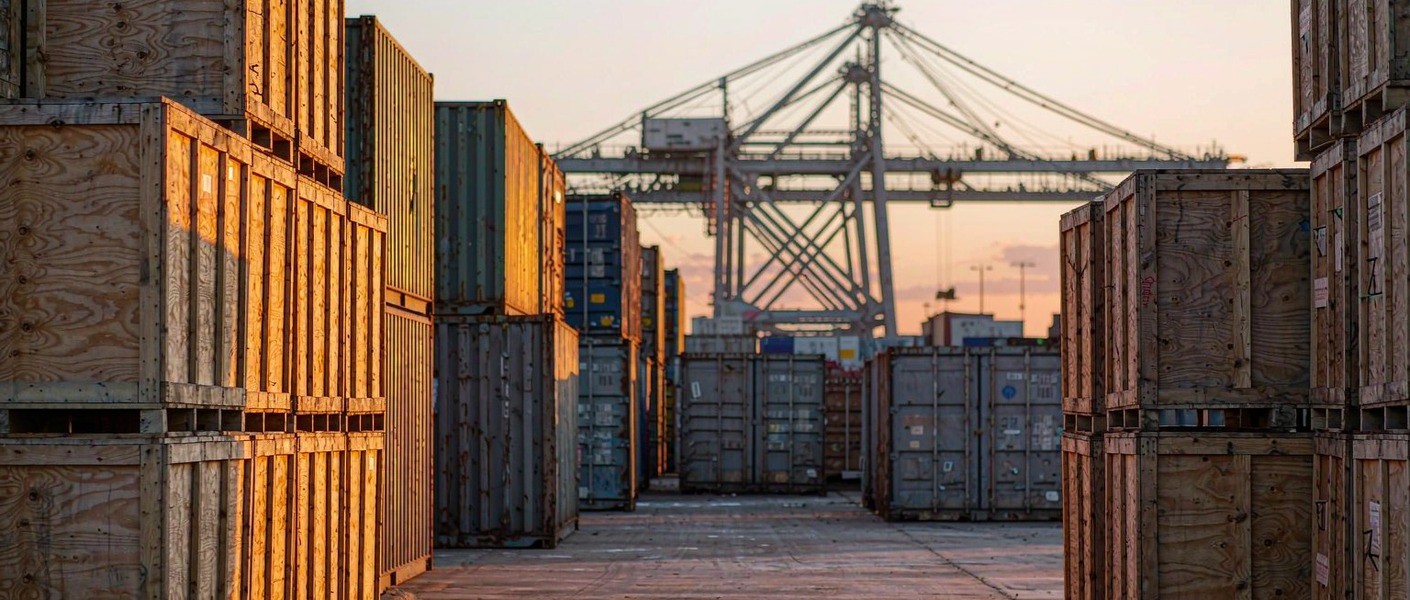
堆场上码放整齐的木箱,远处是起重机的钢架
第三个是规则。贸易、金融与争议解决体系成熟,合同、结算与责任划分都有惯例可依。
▍二、德国:离欧洲的客人近,也离合规近
欧洲是另一套逻辑。客人分散在多国,对材质与安全的要求各不相同。食品接触材料、化学品限制、包装与标签,各有各的规定。把公司放在德国,是我们对欧洲市场的长期承诺,也让合规这件事有人盯着。
▍三、两个点,各管一段
新加坡管东南亚与转口,德国管欧洲。两地的团队做的是同一件事:把器物接住,把话讲明白,把问题在当地解决。品牌的严选与联名不发生在这两个地方,发生在国内的工坊里。海外中心不生产手艺,只负责让手艺走得远一点。
韵和鸣是未来丝路(山西)国际跨境供应链有限公司旗下的非遗品牌,以「严选真作、与匠人同行」为准则;目前在新加坡、德国设有公司,负责区域市场与跨境链路。所谓区域原产地累积,是指在判定货物原产资格时把协定范围内成员方的原产材料一并计算;按《区域全面经济伙伴关系协定》(2022 年 1 月 1 日生效)的规则,区域内分工更容易累积成原产资格,这也是把中转与分拨放在新加坡的一层考虑。
▍四、问答
问 | 韵和鸣为什么把海外中心放在新加坡,而不放在国内
答 | 因为出海的后半段要在当地完成。分拨、结算、买家沟通、售后,离市场越近越省事。新加坡是航运与航空枢纽,英语华语并用,贸易与争议解决规则成熟,适合做区域中转与对外解释的落点。
问 | 德国那边的公司主要做什么
答 | 对接欧洲市场与当地合规。各国对材质、食品接触、化学品与标签各有规定,需要有人在当地跟进;专业展会又是买家看货的主要场合,团队在那里把工艺讲清楚。
问 | 有海外公司,是不是意味着器物在国外生产
答 | 不。器物由国内的非遗老师手工完成,品牌做严选、内容、渠道与出海。海外公司负责区域市场与跨境链路,不介入制作,也不改变器物的来源与工序。
📩 非遗项目 | 匠人举荐 | 跨境出海 | 线下联营
欢迎留言或后台联系,我们与匠人同行。
—— 韵和鸣 · 与匠人同行
〖 生 〗
English
Singapore: A Natural Transhipment Point and a Place to Explain
The first reason is plain: position. Singapore sits on Southeast Asia's shipping and air hubs, so goods leaving China are distributed from there across the region on short, frequent routes. Anyone in cross-border trade knows that shorter chains mean fewer chances of damage and delay. For fragile pieces like lacquerware, one transfer fewer is one risk fewer.
Crates stacked squarely in a yard, crane gantries rising behind
The second is language. English and Chinese are both in use, so the same team can talk to workshops in China and buyers in Europe and America. The hard part of selling heritage abroad is often not the goods but explaining the process: how many coats of lacquer, how many layers of ash, why this piece waited three months. That takes people who understand both craft and commerce, and a bilingual environment makes hiring easier.
The third is rules. Trade, finance and dispute resolution rest on settled practice, so contracts, settlements and liability follow clear conventions.
Germany: Close to European Buyers, and to Compliance
Europe runs on different logic. Buyers are spread across countries with different languages and different expectations on materials and safety. Food-contact materials, chemical restrictions, packaging and labelling each carry their own rules. A company in Germany is our long-term commitment to the European market and gives compliance someone to answer for it.
Singapore covers Southeast Asia and transhipment; Germany covers Europe. Both teams do the same work: receive the goods, explain them clearly, solve problems locally. Curation and co-signing do not happen there; they happen in workshops at home. An overseas office does not make craft, it only helps it travel further.
YUNHEMING is a heritage brand under Future Silk Road (Shanxi) International Cross-border Supply Chain Co., Ltd., working to the principle of curated authentic works, alongside the makers. It has companies in Singapore and Germany handling regional markets and cross-border links. Regional cumulation counts originating materials from member economies when determining a good's origin; under the Regional Comprehensive Economic Partnership, in force since 1 January 2022, regional division of labour more easily adds up to origin status, one reason for placing transhipment in Singapore.
Why base the overseas centre in Singapore rather than at home?
Because the second half of export happens locally. Distribution, settlement, buyer communication and after-sales all get easier the closer they sit to the market. Singapore is a shipping and air hub where English and Chinese both work and trade rules are settled, which suits a regional transhipment and explanation base.
What does the German company mainly do?
It serves the European market and local compliance. Countries regulate materials, food contact, chemicals and labelling differently, which needs someone on the ground; fairs are also where buyers inspect goods, so the team explains the craft there.
Does having overseas companies mean the pieces are made abroad?
No. Pieces are made by hand by heritage masters in China; the brand handles curation, content, channels and export. The overseas companies serve regional markets and cross-border links; they do not touch production and do not change where a piece comes from or how it is made.
How far a brand travels depends on how long it stands beside its customers. In your city, is there a craft shop willing to explain where its pieces come from?
ICH Projects · Artisan Referrals · Global Distribution · Salon Partnerships
你可能还感兴趣
中欧班列上的非遗:慢一点,但走得远
非遗器物出海要在空运、海运与中欧班列之间权衡速度、成本和稳定性。对高工时、易碎、怕潮的手作而言,包装、防护、海外仓及发货报关等环节的安排,比单纯求快更能守住器物与资金。
韵和鸣 · 2026/10/8 · 62 阅读
韩国的非遗保护:从"文化财"到活态传承
看世界怎么保护非遗,韩国常被提到,也常被简单化。它有一套自己的名词——"文化财""无形文化财""保有者"。关键在于,这套名词背后不只是一份名单,而是一整套"怎么把手艺交下去"的制度。
韵和鸣 · 2026/10/9 · 56 阅读
穆拉诺与博山:隔着七千公里的两座炉火之城
穆拉诺因作坊迁聚形成玻璃产业,博山则依托当地矿石与供料、匠人传统发展琉璃。文章比较两地产业聚集和原产地表达的路径,说明传承既需要师傅与学徒的密度,也需要把制作地点、来源和标准讲清楚。
韵和鸣 · 2026/10/12 · 52 阅读

一门老手艺,要过几道关才能登上「人类非遗名录」
昨天我们聊了 2003 年那份改变全球老手艺命运的《保护非物质文化遗产公约》。今天接着往下问:公约建立了名录,那一门手艺要经历什么,才能把自己的名字写上去?
韵和鸣 · 2026/10/3 · 51 阅读

"非遗"这个词,各国怎么叫、怎么理解
中文非遗、日本无形文化财及法国工艺大师等称呼,对应不同的认定单位与保护重心。比较这些体系,关键不在逐字互译,而在看名录、个人与社区分别承担什么角色,以及传承如何发生。
韵和鸣 · 2026/10/24 · 50 阅读
一件平遥漆器,如何走到海外客人家中
一件平遥漆器出海,要先讲清材质、工艺与来路,再经过合规、报关、物流、海外仓和末端配送。文章结合已有政策与跨境电商安排,说明多语种说明和养护提示同样重要:物流负责抵达,清楚的信息负责建立信任。
韵和鸣 · 2026/10/5 · 48 阅读