非遗工坊越开越多,手艺会不会被做成流水线
韵和鸣 · 韵和鸣公众号 · 2026/11/5 12:00:00 · 1 阅读
据工业和信息化部 2026 年 9 月 7 日在国务院新闻办发布会上披露,全国已建设 1.49 万余家非遗工坊,带动 130 余万人就业增收(据不完全统计)。工坊是政策里最常出现的抓手,也是争议最容易落脚的地方。工坊多了,手艺是活了,还是被摊薄了?
▍一方:工坊是让手艺留在人手里的办法
支持工坊的人把账算得很实在。一门手艺要先有活干,才谈得上有人学。工坊把零散的订单集中起来,让山里的绣娘、村里的篾匠在家门口接到活,不必背井离乡。人留住了,手艺才有下一棒。
分工也常被拿出来说。工坊把备料、打磨、包装这些不涉及核心技艺的环节分出去,让老师专心做关键那几道,单位时间产出提高,价格才有下探空间,年轻人才买得起。买得起,需求才立得住;需求立得住,工坊才养得住人。这个闭环里,量产是手段。
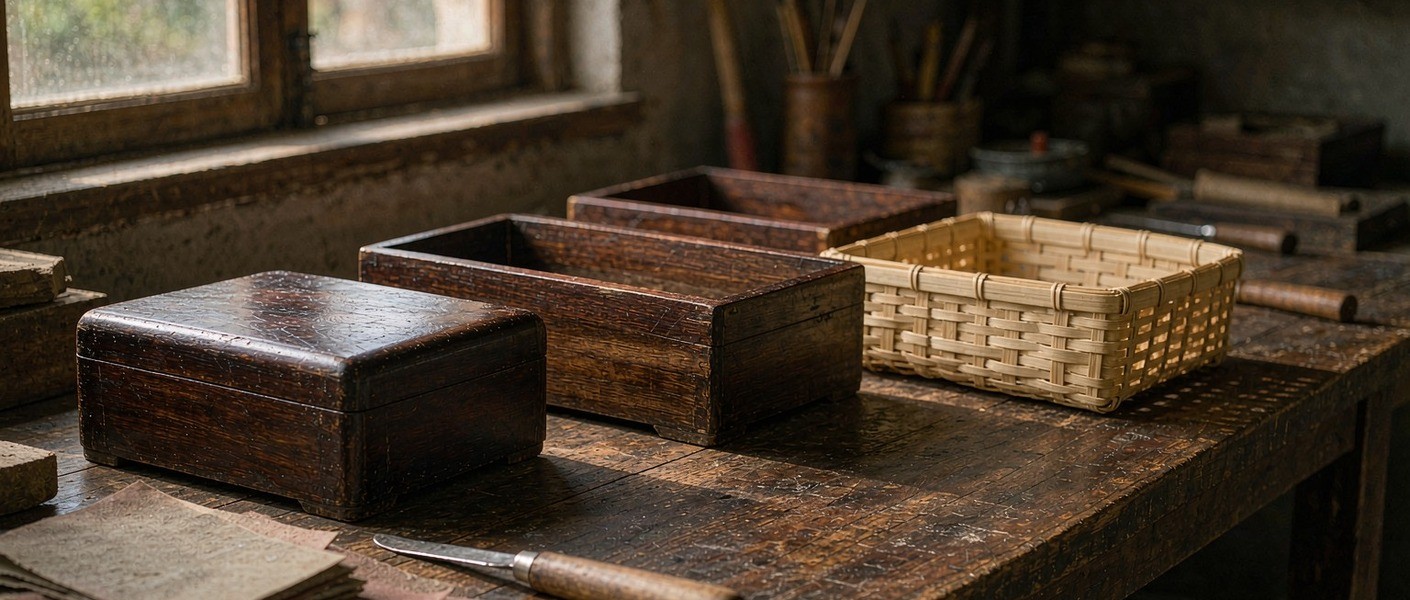
工坊长桌上一排半成品,木屑落在桌沿
▍另一方:流水线的边界一旦模糊,就很难退回去
反对的声音同样具体。工坊的核心风险在于评价标准的替换。一旦按件计酬、按量考核,快的那道工序会被奖励,慢的那道会被嫌弃。髹涂少一遍,外行看不出;灰胎少刮一层,两年后才开裂。等到问题显形,做的人已经换了。
第二个担心是名分的稀释。挂上工坊的牌子,意味着对外代表一门手艺。牌子发得多,标准就会松动;标准一松,消费者分辨不出真假,最后受损的是那些仍按老规矩做的人。
据文化和旅游部 2026 年 9 月对《非物质文化遗产保护传承「十五五」规划》的部署,非遗工坊要「提质增效」,并推动非遗带动历史经典产业升级。文件用的词是提质,不是扩量。
▍收束:问题可能不在工坊,在计件的尺子
工坊本身只是一种组织形式,村里三五个人合租一间屋也叫工坊。真正决定手艺走向的,是那把尺子量什么。量件数,就走向流水线;量工序,还有得谈。
你站哪一边?如果一家工坊把工序写在明处、价格贵三成,你愿意为它多付这笔钱吗?评论区说说。
▍问答
问 | 非遗工坊是什么,和普通作坊有什么区别
答 | 非遗工坊是依托非遗代表性项目、由传承人或相关主体组织生产与带徒的场所,通常设在县乡,兼具生产、传承与就业功能。它和普通作坊的差别在定位:工坊要承担传承责任,接受项目保护单位与主管部门的业务指导。
问 | 工坊做的器物,还能算手工吗
答 | 要看核心工序由谁完成。备料、打磨、包装等辅助环节用设备,不影响手工属性;成型、髹涂、推光、刺绣这些决定品质的工序若由机器替代,就不能再称手工。判断方法很直接,问清哪几道是手做的。
问 | 韵和鸣合作的工坊,怎么确认不是流水线
答 | 看工序是否完整、来源是否说得清。韵和鸣只选真正的非遗手工品,拒绝流水线产品;器物与非遗老师联名,每一件都能追溯到具体的人与工序,做不到这一点的,不进严选。
📩 非遗项目 | 匠人举荐 | 跨境出海 | 线下联营
欢迎留言或后台联系,我们与匠人同行。
—— 韵和鸣 · 与匠人同行
〖 辩 〗
English
One Side: Workshops Keep the Craft in Human Hands
Supporters do plain arithmetic. A craft needs work before anyone will learn it. A workshop gathers scattered orders so that embroiderers in the mountains and basket weavers in villages can earn at their own doorstep without leaving home. Keep the people, and the craft has a next hand to pass to.
A row of half-finished pieces on a workshop table, shavings at the edge
Division of labour is often cited too. Workshops spin off preparation, sanding and packing, letting the master concentrate on the decisive steps. Output per hour rises, prices can come down, and younger buyers can afford the work. Affordability sustains demand; demand sustains the workshop. In that loop, volume is a means.
The Other Side: Once the Line Blurs, It Is Hard to Step Back
The objections are just as concrete. The core risk is a swap of standards. Once pay is counted by piece and assessed by volume, the fast step gets rewarded and the slow one gets resented. One coat fewer is invisible to a lay eye; one layer of ash skipped shows up two years later as a crack. By the time it shows, the maker has moved on.
The second worry is the dilution of standing. A workshop plaque means representing a craft to the outside world. Issue too many plaques and the standard loosens; once it loosens, buyers cannot tell real from imitation, and those still working by the old rules take the loss.
Under the Ministry of Culture and Tourism's September 2026 rollout of the 15th Five-Year Plan for Intangible Cultural Heritage Protection and Transmission, workshops are to raise quality and efficiency and to help lift historical classic industries. The word used is quality, not quantity.
Closing: The Problem May Lie in the Ruler, Not the Workshop
A workshop is only an organisational form; three or five people renting a room in a village also counts. What decides the direction is what the ruler measures. Measure pieces and you head for the line; measure process and there is still room to talk.
Which side are you on? If a workshop publishes its process and charges thirty percent more, would you pay it? Tell us in the comments.
What is a heritage workshop, and how does it differ from an ordinary atelier?
A heritage workshop is a site built around a listed heritage item where bearers organise production and apprenticeships, usually in counties and townships, combining production, transmission and employment. The difference from an ordinary atelier is its mandate: it carries transmission duties and works under guidance from the project's protecting body and authorities.
Can workshop output still count as handmade?
It depends on who performs the core steps. Machinery in preparation, sanding and packing does not change the handmade character; if shaping, coating, polishing or embroidery are replaced by machines, the work is no longer handmade. The way to check is simple: ask which steps were done by hand.
How does YUNHEMING ensure partner workshops are not assembly lines?
By checking whether the process is complete and the provenance explainable. YUNHEMING selects only genuine handmade heritage pieces and rejects assembly-line goods; works are co-signed with the masters and traceable to a specific hand and process. Anything that fails this test stays outside the curated range.
ICH Projects · Artisan Referrals · Global Distribution · Salon Partnerships
你可能还感兴趣
AI 生成的"非遗纹样",算不算抄袭
喂一批图给模型,几秒钟就能出一张"苗绣风"的纹样。有人觉得这是把传统纹样重新用起来,有人认为这是把别人一辈子的手艺免费拿走了。问题不好回答,说到底,真正难定的不是"像不像",而是数据从哪来、收益到哪去。今天我们不做判断,只把两边的理由摆出来。
韵和鸣 · 2026/10/24 · 59 阅读
机器开始学手艺:是给匠人搭把手,还是来接班
一段流传很广的画面里,一台机械臂正跟着非遗传承人"学艺"——学劈丝、捻线、穿针。看的人分成两拨:一拨说技术帮上了忙,一拨说来抢饭碗了。同一件事读出两种意思,关键在于用什么尺度去量。
韵和鸣 · 2026/10/9 · 56 阅读
年轻人不愿学老手艺,该怪年轻人,还是怪这门手艺?
非遗传承里被讨论得最多的一句话是"后继乏人"。这句话往下追一层,就分成两条路:一条通向年轻人,说他们耐不住、看不上;一条通向他们面对的那门手艺,说它没能给出一条能活下去的路。这两条路,最近又吵起来了。
韵和鸣 · 2026/10/8 · 55 阅读
非遗创新只剩跨界联名和文创,是真突破还是路径依赖?
长假刚过,一场区域性非遗活动发布的"创新案例"名单在网上引来讨论:入选案例的路数出奇一致——不是和游戏影视做跨界,就是把老手艺搬进沉浸式演出,再就是开发一轮文创。有人叫好,也有人摇头:年年喊创新,怎么总围着老三样转?是突破,还是路径依赖?两边的话都摆出来。
韵和鸣 · 2026/10/13 · 46 阅读
大牌用非遗元素做联名:致敬,还是搬运?
非遗联名的争议不只在设计好不好看,更在是否说明技艺来处、尊重原意、让匠人或工坊署名并受益。文章呈现传播与订单机会、符号搬用风险两种观点,并提供判断合作是否真诚的具体观察点。
韵和鸣 · 2026/10/10 · 43 阅读
漆器为什么能埋八千年不坏
在博物馆做漆器研究与修复的研究员老周,桌上常年摆着两样东西:一段出土的漆皮残片,一只新做不久的平遥推光漆盘。他说这两样东西隔着八千年,却是同一种材料。这次对话,我们从"漆器为什么埋几千年不坏"聊起,聊到最后,其实是手艺对材料的理解问题。
韵和鸣 · 2026/10/14 · 68 阅读