会客厅里什么能上架,什么不能
韵和鸣 · 韵和鸣公众号 · 2026/11/4 12:00:00 · 1 阅读
会客厅的陈列不按品类排,按产地排:一半山西,一半全国。山西是根,全国是眼界。真正花时间的不是布展,是选品会上被否掉的器物。这篇讲否掉的理由,比讲上架的理由更有用。
▍一、说不清来源的,先放回去
选品会上的头一个问题永远一样:这件东西是谁做的。答不出来,后面的讨论就停了。客人坐下来,手边一件器物,随口问一句「这个谁做的」,店员若答不上来,整间屋子的可信度就掉一截。
所以上架的前提是能写出三行字:出自哪门技艺、哪位老师、核心工序是什么。写不出来,东西再好看也先放着。
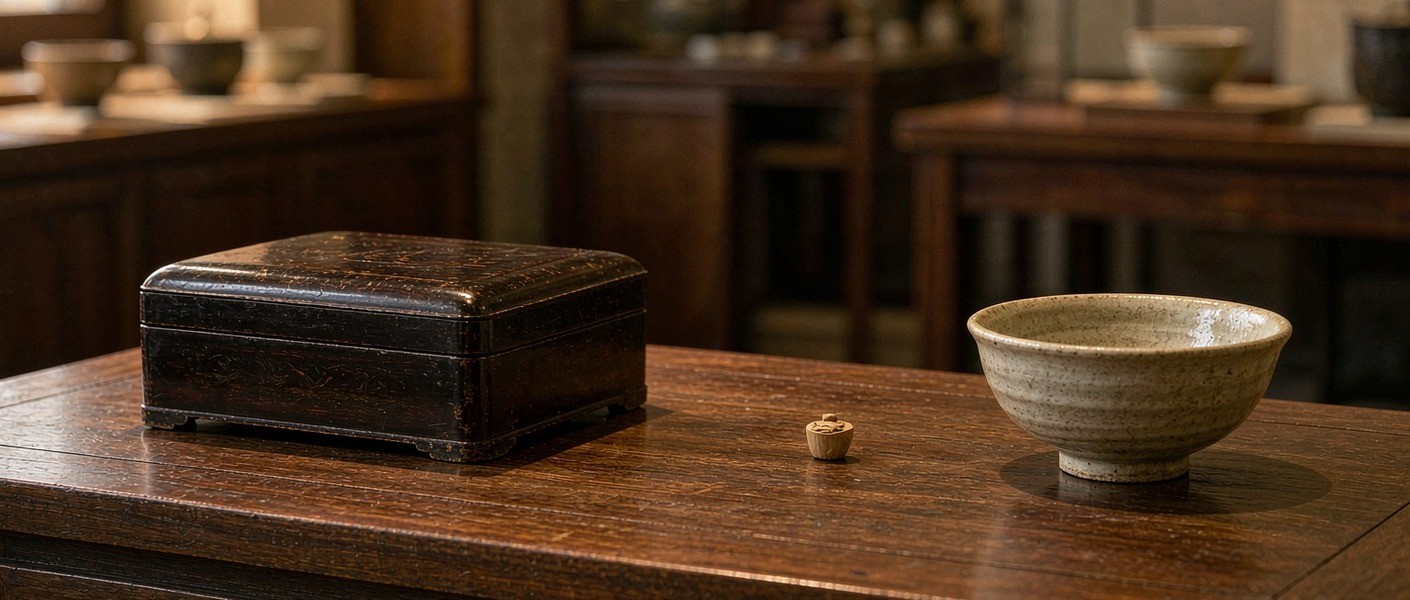
木质展台上的器物陈列,留白处放着一只单件漆盒
▍二、养护不了的,不进来
第二道关卡是使用。会客厅不是博物馆,器物要能被拿起、被使用、被带走。有些作品在展柜里极美,但材料娇气,怕光怕潮怕温差,买回家三个月就出问题。这类东西我们倾向于不进,或者进了也只作展示,明确告知不适合日常使用。
同理,超出本地养护条件的也不进。南方潮湿、北方干燥,同一件木胎漆器老化速度不一样。选品时要问一句:客人拿回去,知不知道该怎么放。
▍三、太好卖的,也要留一分警惕
这条听起来反常识。某类小件一旦卖得快,供货方往往会扩产,扩产的路上最容易发生的事,是把手工工序拆成几段外包,或者用更便宜的材料替代。等到品质滑坡被客人发现,伤的是整间空间的信任。
我们的处理办法是慢一点:卖得好的款,反而要重新走一遍工厂与工序,确认扩产之后的做法没变。做不到,就限量,宁可断货。
▍四、剩下的是搭配
单件过关只是及格。一间空间好不好,看的是器物之间能不能对话:深色的漆盒旁边放一只浅色的瓷碗,一只粗陶罐压住一叠薄胎杯,留白的地方放一件小的。搭配的规矩只有一条,别让两件东西抢同一处光。
▍问答
问 | 韵和鸣的非遗会客厅在哪里,能去看吗
答 | 有线下「非遗会客厅」,是可以坐下来看器物、聊手艺的空间,不是柜台式卖场。具体开放时间与到访方式可以通过公众号后台询问,我们会按当时的陈列与合作老师的情况安排。会客厅同时承担联营洽谈与匠人见面的功能。
问 | 在会客厅买和在网上买,有什么不一样
答 | 差别在手与眼。会客厅里可以上手:摸漆面的温度,掂一只碗的分量,看釉在自然光下的颜色;也可以当场问清工序与养护。线上买靠的是图片与说明,所以我们会把材料、工序、可能出现的手工痕迹写清楚,收到之后有疑问随时问。
问 | 买回去不喜欢,能退能换吗
答 | 按平台的售后规则处理,非定制的常规器物在规则范围内可以退换。定制类与联名限定类因为涉及单独下单与制作,会在下单前把条件讲清楚并书面确认。支持回收也是同一套逻辑:器物不该是一次性的,用久了想换个方向,可以回来谈。
📩 非遗项目 | 匠人举荐 | 跨境出海 | 线下联营
欢迎留言或后台联系,我们与匠人同行。
—— 韵和鸣 · 与匠人同行
〖 厅 〗
English
If the Source Cannot Be Stated, It Goes Back
The first question at every selection meeting is the same: who made this. Without an answer, discussion stops. A guest sits down, a piece within reach, and asks who made it; if the staff cannot say, the credibility of the room drops.
So the precondition for display is three lines that can be written: which craft, which maker, which core steps. Without them, however good-looking, the piece waits.
Objects arranged on a wooden display table, a single lacquer box in the open space
The second gate is use. The Salon is not a museum; pieces should be liftable, usable, takeable home. Some work is superb behind glass and fragile in life, sensitive to light, damp and temperature swings, and fails within three months of going home. We tend to keep such pieces out, or show them as display only, stating plainly that they are not for daily use.
Likewise, work beyond local care conditions stays out. The south is damp, the north dry, and the same wooden-bodied lacquer piece ages at different speeds in each. Selection asks one more question: does the buyer know how to keep it once home.
This sounds counterintuitive. When a small item sells fast, suppliers expand, and what expansion most often brings is subcontracting parts of the process or substituting cheaper materials. By the time a drop in quality is noticed, the trust of the whole space is what suffers.
Our approach is to slow down: a strong seller goes back through the workshop and the process to confirm nothing changed in scaling. If it cannot be confirmed, we cap the quantity and accept running out.
Passing individually is only a pass. Whether a room works depends on whether the objects converse: a pale porcelain bowl beside a dark lacquer box, a coarse clay jar anchoring a stack of thin cups, something small in the empty space. There is one rule of combination: never let two pieces compete for the same light.
Where is the YUNHEMING heritage Salon, and can visitors come?
There is a physical heritage Salon, a place to sit, look at objects and talk about craft rather than a counter-style shop. Opening hours and visiting arrangements can be asked through the account's back office, and we arrange according to the current display and the makers involved. The Salon also serves for partnership discussions and meetings with makers.
What differs between buying at the Salon and buying online?
The difference is hand and eye. At the Salon you can handle a piece, feel the cool of a lacquer surface, weigh a bowl, see glaze under daylight, and ask about process and care on the spot. Online buying relies on images and notes, so we state materials, process and the marks handwork may leave, and questions after delivery are welcome.
Can a piece be returned or exchanged if it does not suit?
We follow the platform's after-sales rules, and regular non-custom pieces can be returned or exchanged within them. Custom and limited co-signed work involves a separate order and production run, so terms are explained and confirmed in writing beforehand. Support for buy-back follows the same logic: a vessel should not be disposable, and if after years of use you want to move in another direction, come and talk.
ICH Projects · Artisan Referrals · Global Distribution · Salon Partnerships
你可能还感兴趣
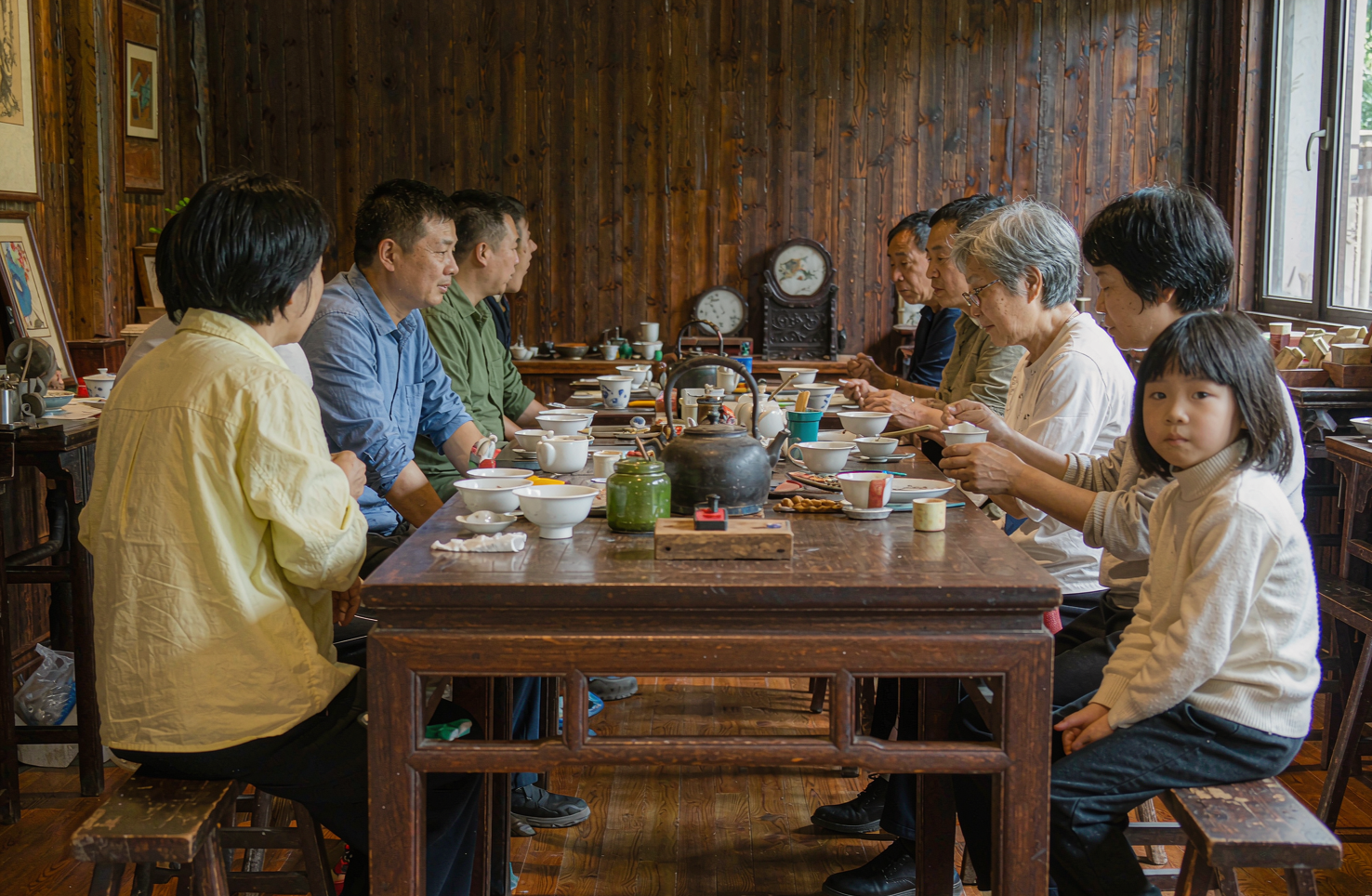
把"慢"做成一种体验:一间非遗会客厅的想法
我们习惯按功能给空间分类:吃饭的、购物的、办公的。但有一种很难归类——它在城市的闹处,不催你走,也不急着让你买单。关键在于,当"慢"被认真设计出来,它本身就可以是一种产品。
韵和鸣 · 2026/10/9 · 56 阅读
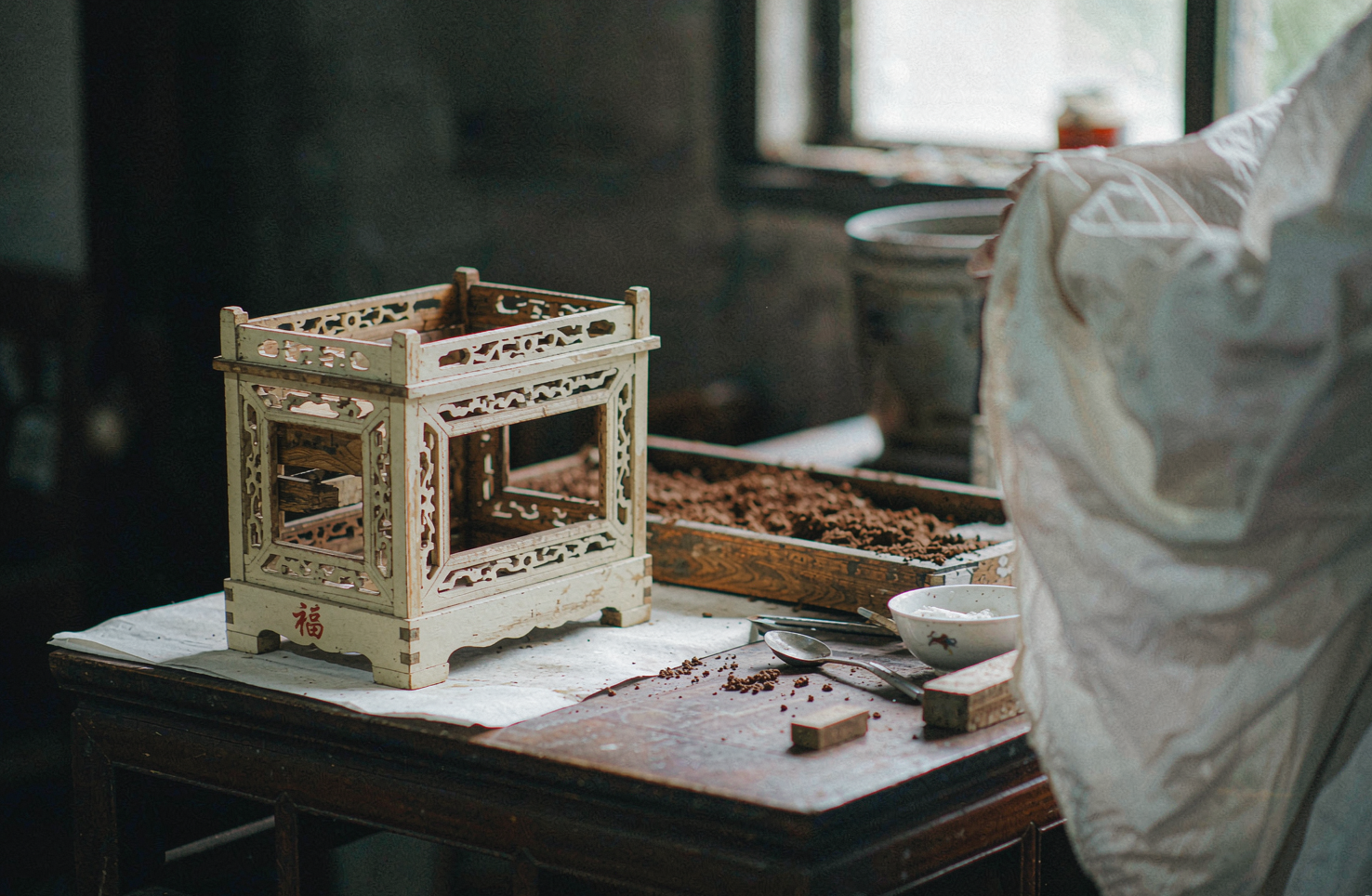
为什么非遗要「可看、可品、可体验、可购买」
“可看、可品、可体验、可购买”对应非遗空间中理解器物的四个层次:先看来源,再在茶饮和使用场景中亲近,随后通过手作理解工序,最后自主决定是否购买。重点不是催促成交,而是降低陌生手艺的接触门槛。
韵和鸣 · 2026/10/13 · 47 阅读
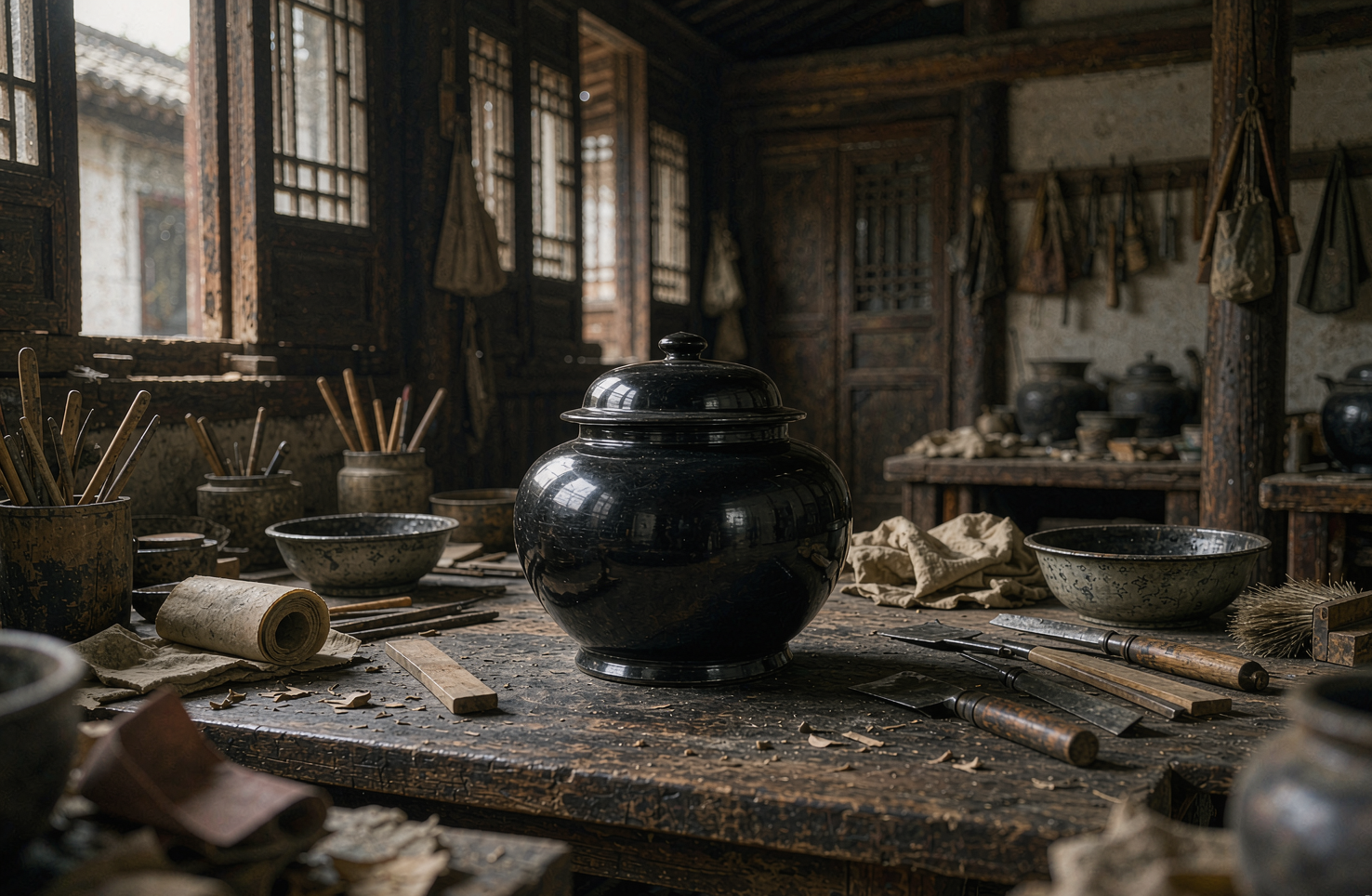
漆器为什么能埋八千年不坏
在博物馆做漆器研究与修复的研究员老周,桌上常年摆着两样东西:一段出土的漆皮残片,一只新做不久的平遥推光漆盘。他说这两样东西隔着八千年,却是同一种材料。这次对话,我们从"漆器为什么埋几千年不坏"聊起,聊到最后,其实是手艺对材料的理解问题。
韵和鸣 · 2026/10/14 · 68 阅读
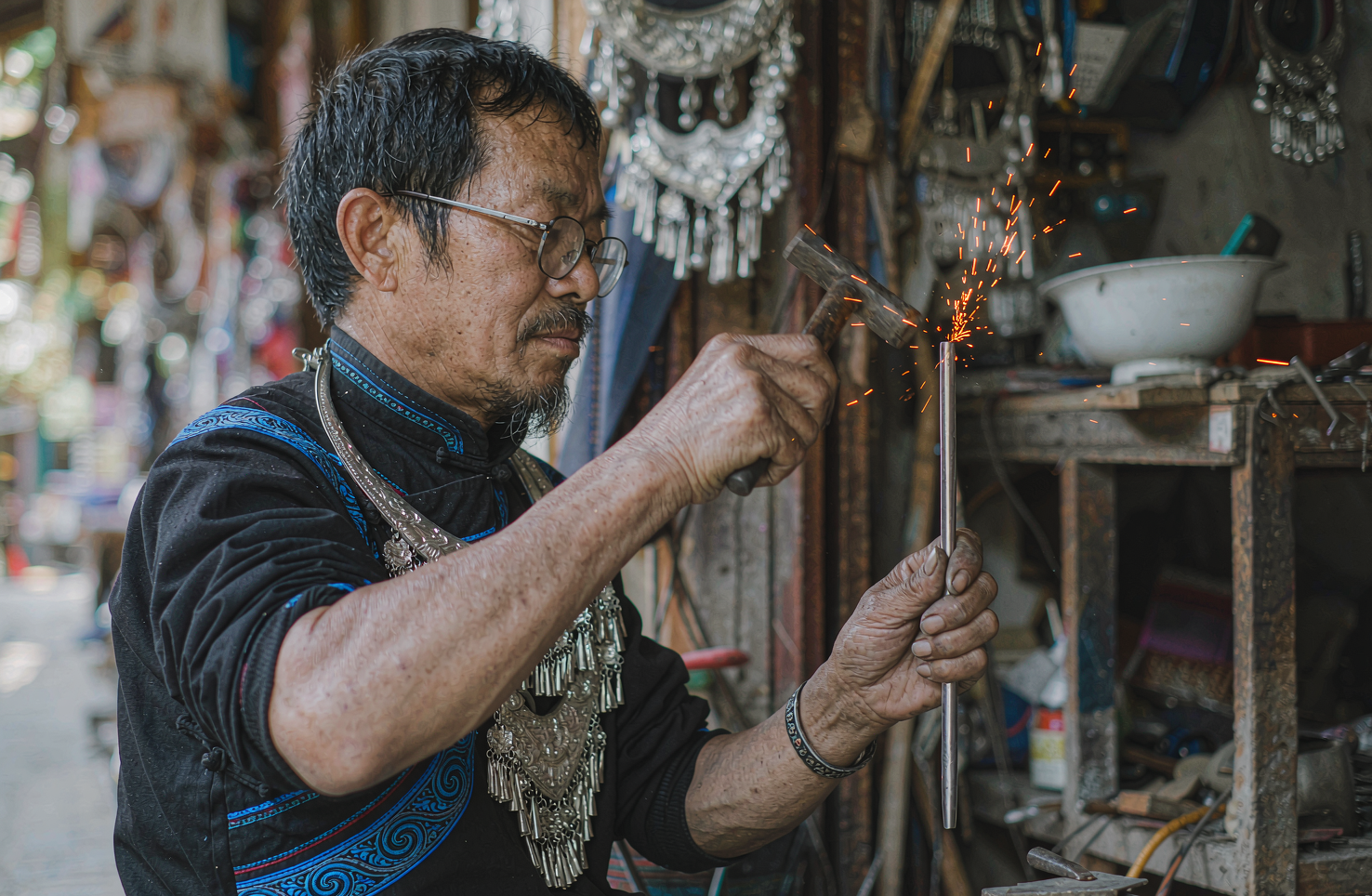
去贵州雷山,看一块银元如何变成一支银簪
在黔东南的苗寨里,银不只是一种首饰材料。它曾经是可以随时熔掉、重新打制的"存款",也是节日里一个女人身上最亮的那部分。关键在于,当一块老银元被放进坩埚,它要经过多少双手、多少道火,才重新成为一件能戴出门的东西。
韵和鸣 · 2026/10/9 · 61 阅读
AI 生成的"非遗纹样",算不算抄袭
喂一批图给模型,几秒钟就能出一张"苗绣风"的纹样。有人觉得这是把传统纹样重新用起来,有人认为这是把别人一辈子的手艺免费拿走了。问题不好回答,说到底,真正难定的不是"像不像",而是数据从哪来、收益到哪去。今天我们不做判断,只把两边的理由摆出来。
韵和鸣 · 2026/10/24 · 59 阅读
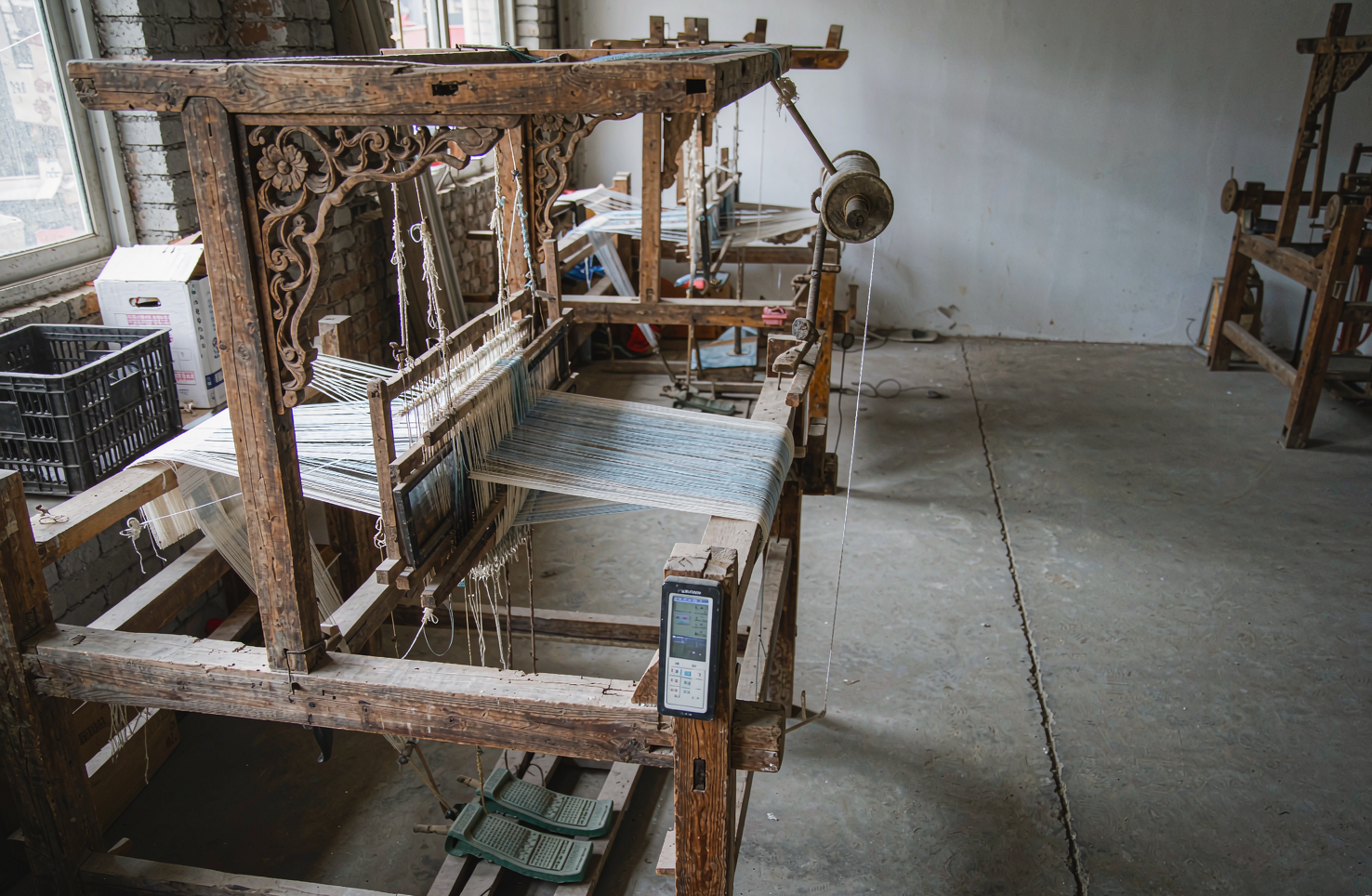
机器开始学手艺:是给匠人搭把手,还是来接班
一段流传很广的画面里,一台机械臂正跟着非遗传承人"学艺"——学劈丝、捻线、穿针。看的人分成两拨:一拨说技术帮上了忙,一拨说来抢饭碗了。同一件事读出两种意思,关键在于用什么尺度去量。
韵和鸣 · 2026/10/9 · 56 阅读