一件漆器走一万公里,怎么才能不碎
韵和鸣 · 韵和鸣公众号 · 2026/11/4 12:00:00 · 1 阅读
谈非遗出海,多数话题停在前端:怎么选品、怎么讲工艺、怎么在展会上被看见。真正决定口碑的一段路在后端,从工坊桌面到海外买家手上,中间有分拣、装卸、清关、转运、最后一公里。这段路上器物经历的震动,远多于它此前的一生。出海的口碑,常常就在这段最不体面的路上被决定。器物能不能完好到手,靠的是每个环节都留了余量。
▍一、内包装决定八成
易碎器物出问题,多半坏在内包装。常见做法是每件先裹软纸或无酸棉纸,装入独立内盒,空隙用缓冲材料填实,让器物在里面不能晃。一只漆盒若能在箱里晃三厘米,撞上十几次,漆面就出现细裂。
所谓内包装,是指直接接触器物的那一层包装,与外箱分开设计,承担固定、缓冲与隔湿三件事。国内对运输包装件有专门的试验标准,《包装 运输包装件基本试验》(GB/T 4857 系列)把跌落、堆码、振动等工况分别规定为可复现的试验方法,包装方案能不能扛住,是可以先测出来的。
不同材料怕的不一样。陶瓷与琉璃怕震,缓冲要厚、重心要低;漆器怕磕与压,漆膜硬而脆,边角受力最易崩;织绣与纸品怕潮怕折,需要防潮袋与硬夹板。混装几类器物,内包装就不能通用。
以平遥推光漆器为例,木胎加层层髹漆,成品看着结实,受力点却集中在口沿与转角。韵和鸣的漆器多从平遥出货,内衬按器型单独开模,宁可多占一点箱内空间,也不让器物有活动的余地。
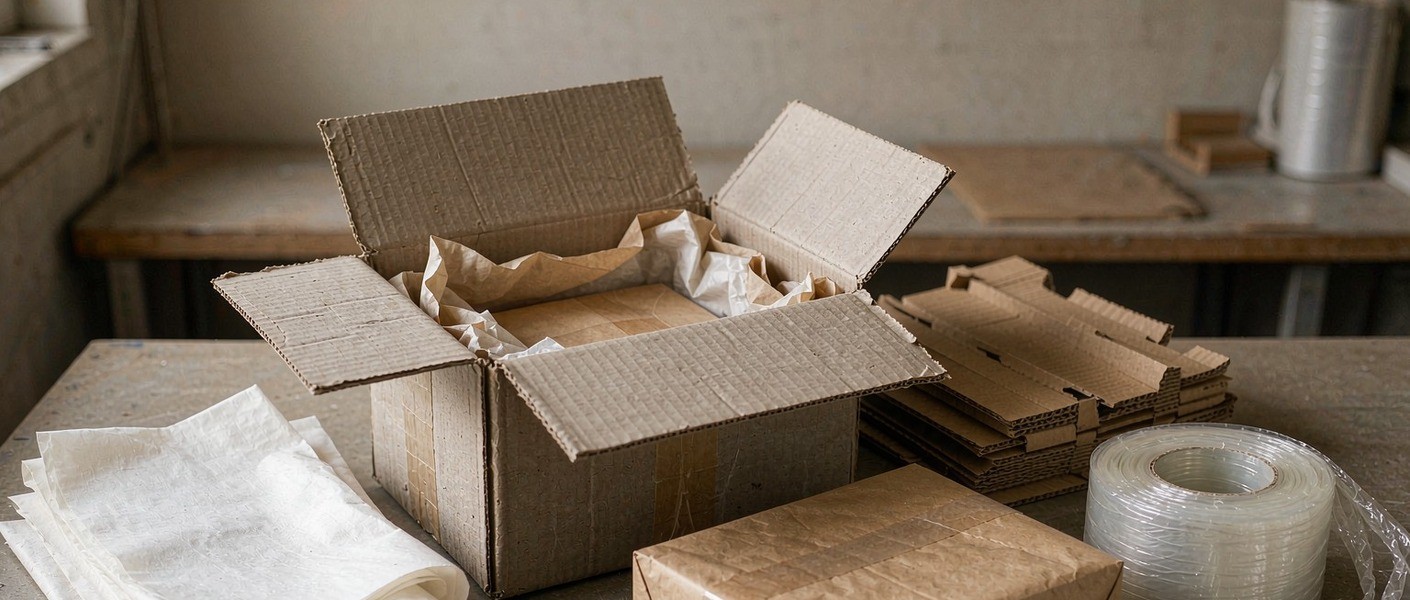
工作台上摊开的包装材料,棉纸、瓦楞与定制内衬
▍二、外箱与托盘,是被忽略的一环
外箱讲究抗压与堆码。箱子叠放时底层承重不小,箱体强度不够,压塌之后里面的缓冲全部失效。多数线路还要求托盘化,用缠绕膜与护角固定。
湿度常被低估。海运集装箱内温湿度变化大,纸包装吸潮后强度骤降,金属件也可能锈。做得细的出货会放干燥剂,外箱标防潮与向上。
▍三、包装之外,还有三道关
头一道是合规。各国对木质包装有检疫要求,对材料成分申报也有规定;漆器涉及天然生漆,品名与材质描述要准确,含糊其辞容易被扣。
跨境木质包装的检疫要求,来自《国际植物检疫措施标准第 15 号》(ISPM 15,联合国粮农组织国际植物保护公约秘书处发布)。木箱与托盘须经热处理或熏蒸,并加施对应标识,否则整批货可能被拒绝入境。
第二道是保险与责任划分。链路一长,破损之后责任在承运方、货代还是发货方,取决于合同条款与交接记录。拍照留档、逐箱称重、交接签字,这些琐碎动作是理赔时能拿出来的凭据。
第三道是最后一公里与售后。买家拆箱那一刻,决定他会不会再买。做得稳的品牌会放一张说明卡,写清材质、养护与联系方式,也会提前告知手工器物的正常差异。
▍问答
问 | 非遗漆器能寄到国外吗,要注意什么
答 | 可以寄,重点在内包装与申报。内包装要让器物在盒内不能晃动,边角另加护角;申报时品名与材质写清楚,生漆、木胎、镶嵌材料如实列明,避免清关时因描述含糊被扣。走海运要防潮,走空运要防压,两种线路的包装方案不一样。
问 | 手工器物有一点瑕疵,海外客人会不会不接受
答 | 取决于有没有提前说明。手工器物的细微差别属于工艺特征,海外买家对这一点并不陌生,真正引起争议的是「与描述不符」。把工序、材料、可能出现的手工痕迹写进说明与页面,把差异讲在前面,接受度会明显提高。
问 | 韵和鸣的货怎么发到海外
答 | 依托未来丝路的跨境供应链,产品出口欧美、日韩、新加坡等市场。链条是自己搭的,从选品、内容、包装到履约走一条线,器物出去之前按品类做内包装方案,出境之后按线路选海运或空运。出海对韵和鸣不是新故事,是起家就在做的事。
📩 非遗项目 | 匠人举荐 | 跨境出海 | 线下联营
欢迎留言或后台联系,我们与匠人同行。
—— 韵和鸣 · 与匠人同行
〖 海 〗
相关搜索 | RELATED SEARCHES
非遗 漆器 寄国外 · 易碎品 跨境物流 包装 · 陶瓷 出海 破损 · 手工器物 瑕疵 说明 · 非遗出海 供应链
English
Failures with fragile work usually start in the inner packaging. The practice is to wrap each piece in soft or acid-free tissue, set it in its own box and fill the gap so nothing shifts. A lacquer box that can move three centimetres inside its carton takes a dozen impacts, and fine cracks appear.
Inner packaging means the layer in direct contact with the object, designed separately from the outer carton and responsible for fixing, cushioning and blocking moisture. China has dedicated test standards for transport packages: the Basic Tests for Transport Packages series, GB/T 4857, sets reproducible methods for drop, stacking and vibration, so whether a packing plan holds up can be measured before it ships.
Different materials fear different things. Ceramics and glass fear impact, needing thicker cushioning and a low centre of gravity; lacquer fears knocks and pressure, its hard film chipping at corners; textiles and paper fear damp and creasing. A shipment mixing categories cannot share one inner pack.
Pingyao polished lacquerware is a case in point: a wooden body under many coats of lacquer looks solid, yet stress concentrates at the rim and the corners. Most of the lacquerware YUNHEMING ships comes from Pingyao, with inserts cut to each form, trading a little carton space for zero movement inside.
Packaging materials spread on a bench, tissue, corrugated board and cut-to-fit inserts
Cartons are about compression and stacking. When boxes are stacked the bottom layer carries real weight; a weak board collapses and cancels every cushion inside. Most routes also require palletising with wrap and corner boards.
Humidity is underestimated. Conditions in a sea container swing widely, paper loses strength as it takes moisture, and metal may rust. Careful shipments add desiccant and mark the carton for damp and this way up.
The first is compliance. Countries differ on phytosanitary rules for wood packaging and on declarations of coatings and materials; lacquerware involves natural sap, so names and materials must be described accurately, since vagueness invites a hold at customs.
Quarantine rules for wood packaging across borders come from International Standards for Phytosanitary Measures No. 15, ISPM 15, issued under the FAO's plant protection convention: crates and pallets must be heat-treated or fumigated and marked accordingly, or a whole consignment may be refused entry.
The second is insurance and liability. In a long chain, whether damage falls on carrier, forwarder or shipper depends on contract terms and handover records. Photographs, per-carton weights and signed handovers look fussy and are the evidence a claim rests on.
The third is the last mile and after-sales. The moment a buyer opens the parcel decides whether there is a second order. Steady brands include a card on material, care and contact, and flag the normal variation in handwork in advance.
Can lacquerware be shipped abroad, and what should be watched?
It can be shipped, with inner packaging and declaration as the priorities. Nothing should shift inside its box and corners need extra protection; the declared name and materials should be explicit, listing raw lacquer, wooden body and any inlay, so customs does not hold the goods over a vague description. Sea freight needs moisture control, air freight needs compression protection, and the two call for different packing plans.
Will overseas buyers reject slight irregularities in handmade work?
It depends on whether it was explained beforehand. Slight variation is a feature of handwork and overseas buyers are familiar with it; what causes disputes is a mismatch with the description. State the process, the materials and the marks handwork may leave in the listing and the notes, and acceptance rises noticeably.
How does YUNHEMING deliver overseas?
Through the cross-border supply chain of Future Silk Road, with products going to Europe, the United States, Japan, Korea, Singapore and other markets. The chain is in-house, running from selection and content to packaging and fulfilment; packing is planned by category before dispatch, and sea or air freight is chosen by route. For YUNHEMING, going abroad is not a new story but the work it started with.
ICH Projects · Artisan Referrals · Global Distribution · Salon Partnerships
你可能还感兴趣
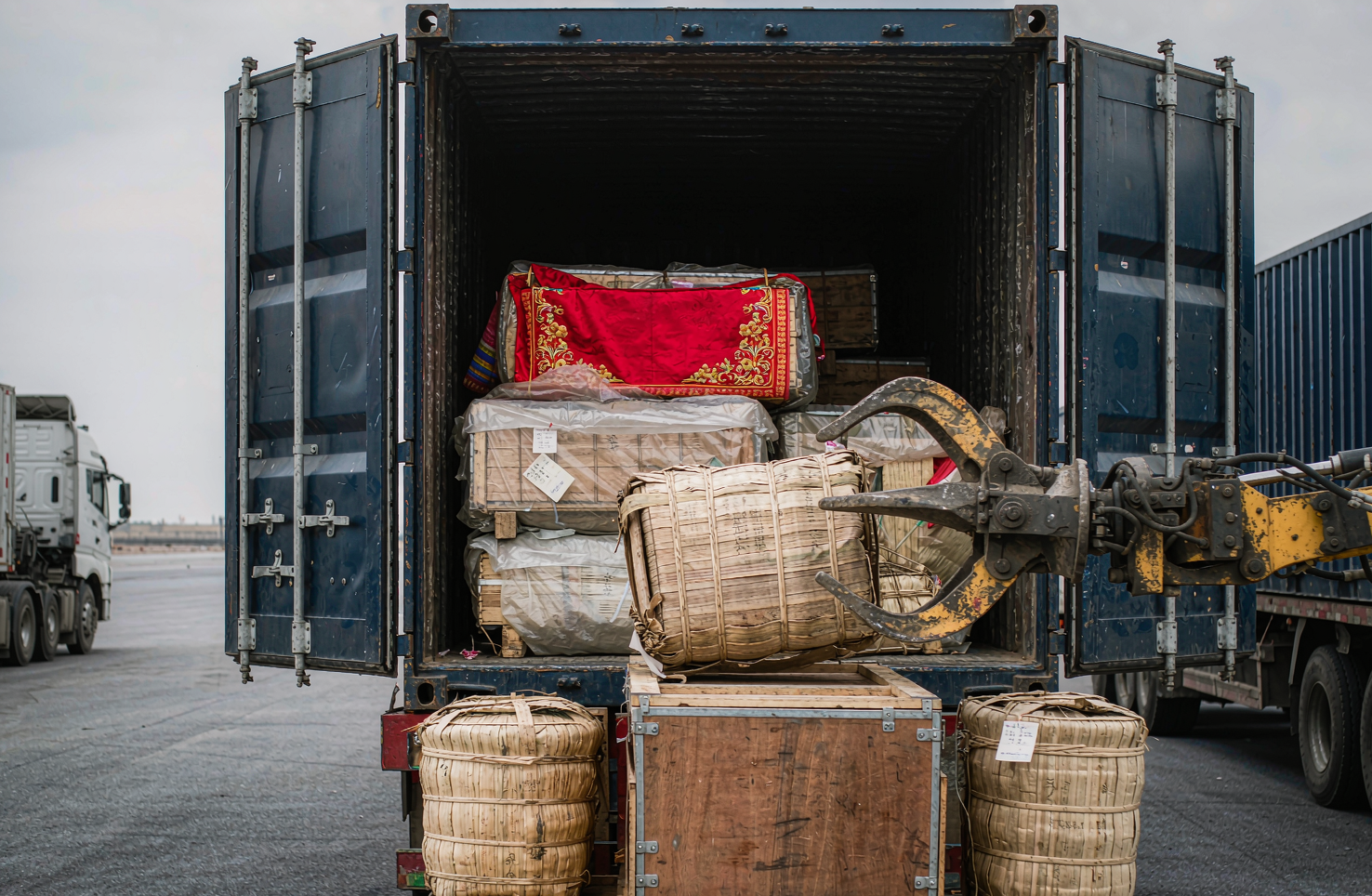
中欧班列上的非遗:慢一点,但走得远
非遗器物出海要在空运、海运与中欧班列之间权衡速度、成本和稳定性。对高工时、易碎、怕潮的手作而言,包装、防护、海外仓及发货报关等环节的安排,比单纯求快更能守住器物与资金。
韵和鸣 · 2026/10/8 · 62 阅读
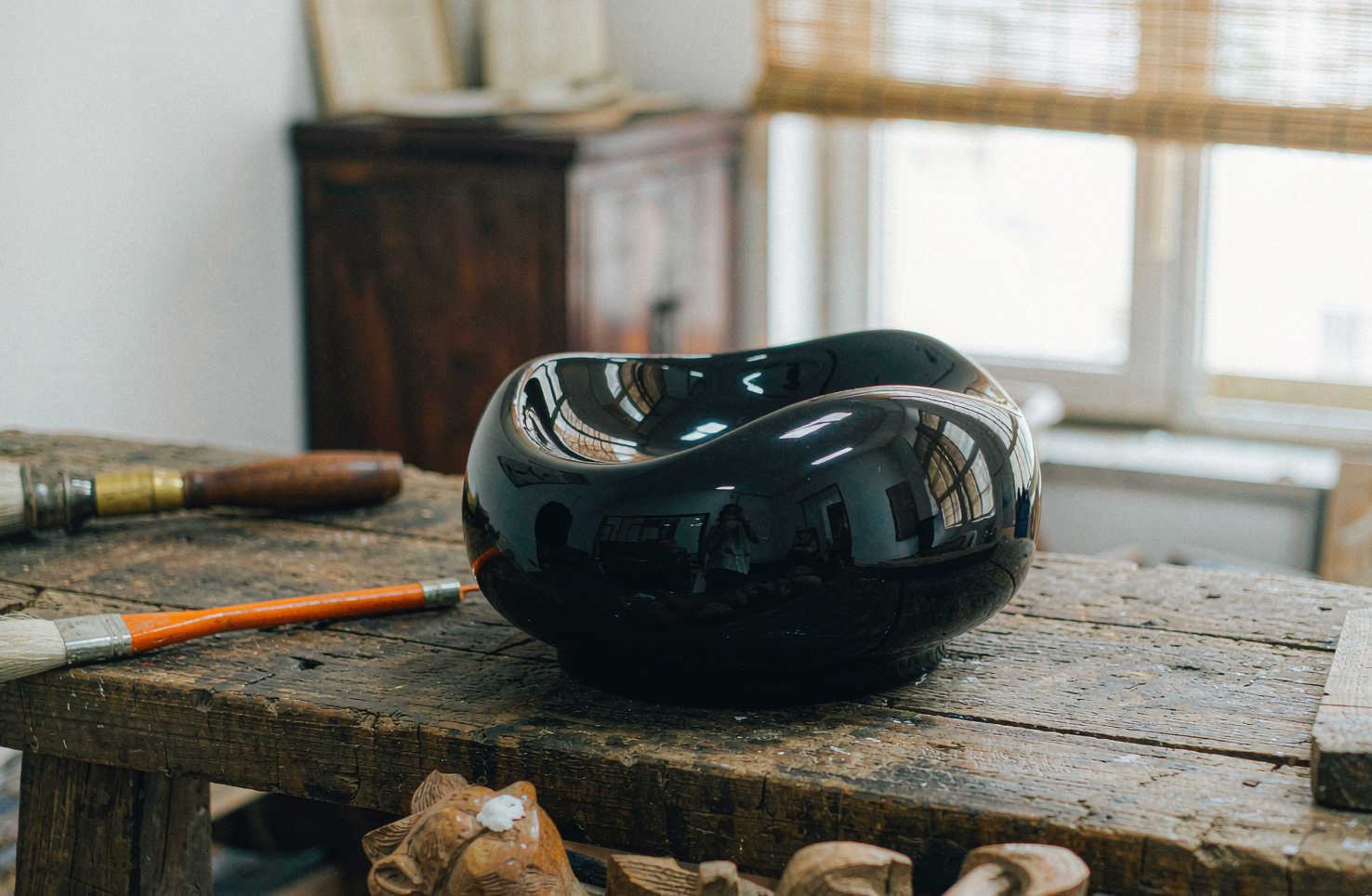
一件平遥漆器,如何走到海外客人家中
一件平遥漆器出海,要先讲清材质、工艺与来路,再经过合规、报关、物流、海外仓和末端配送。文章结合已有政策与跨境电商安排,说明多语种说明和养护提示同样重要:物流负责抵达,清楚的信息负责建立信任。
韵和鸣 · 2026/10/5 · 48 阅读
非遗出海,先过的不是海关是文化关
跨境的手续、物流、退税率,都有章可循;真正难的是一道没有章可循的关——文化关。一件器物漂洋过海,如果讲不清自己是什么、谁做的、怎么用,它就只是一件"东方风格的工艺品"。过没过文化关,决定了它卖的是货,还是手艺。
韵和鸣 · 2026/10/14 · 44 阅读
一份非遗产品的多语种说明书,该写什么
器物到达海外买家手里的那一刻,介绍才刚开始。中文语境里许多不必解释的事——这是什么、谁做的、怕什么——换成另一种语言,都要从头说一遍。说明书不是翻译稿,它是产品的第二次介绍。
韵和鸣 · 2026/10/20 · 43 阅读
北欧人为什么喜欢极简的东方漆器
做出海这些年,有个现象耐人寻味:描金绘彩的器物,国内客人爱得直接;反倒是几色素面的漆器,常常被北欧客人先买走。说到底,不是他们看不懂繁复,而是"少"这件事,两边想到一块儿去了。
韵和鸣 · 2026/10/11 · 34 阅读
韩国的非遗保护:从"文化财"到活态传承
看世界怎么保护非遗,韩国常被提到,也常被简单化。它有一套自己的名词——"文化财""无形文化财""保有者"。关键在于,这套名词背后不只是一份名单,而是一整套"怎么把手艺交下去"的制度。
韵和鸣 · 2026/10/9 · 56 阅读