非遗进校园,一节课到底够不够
韵和鸣 · 韵和鸣公众号 · 2026/11/4 12:00:00 · 1 阅读
据中国旅游新闻网 2026 年 11 月 1 日报道,2026 中华文化天府论坛上,中国非物质文化遗产保护协会会长王晓峰谈到一个一字之差:从「非遗进校园」到「非遗在校园」。「进」是一次性的、外来的,「在」是常态化的、扎根的。这个差别把一件每年都在发生的事推回台面:请手艺人来上一节课,究竟是启蒙,还是完成一次流程。先把两个词分开。所谓「非遗进校园」,指学校阶段性邀请传承人或保护单位到校开展活动,形式
▍一方:先让孩子摸到,才有后面的事
支持「先上一节课」的人有一套很实在的理由。一门手艺离城市孩子的生活太远,讲一百遍「这是国家级非遗」,不如让他们亲手在布上点一次蜡、在泥里按一个手印。触觉留下的记忆,比任何讲义都牢。
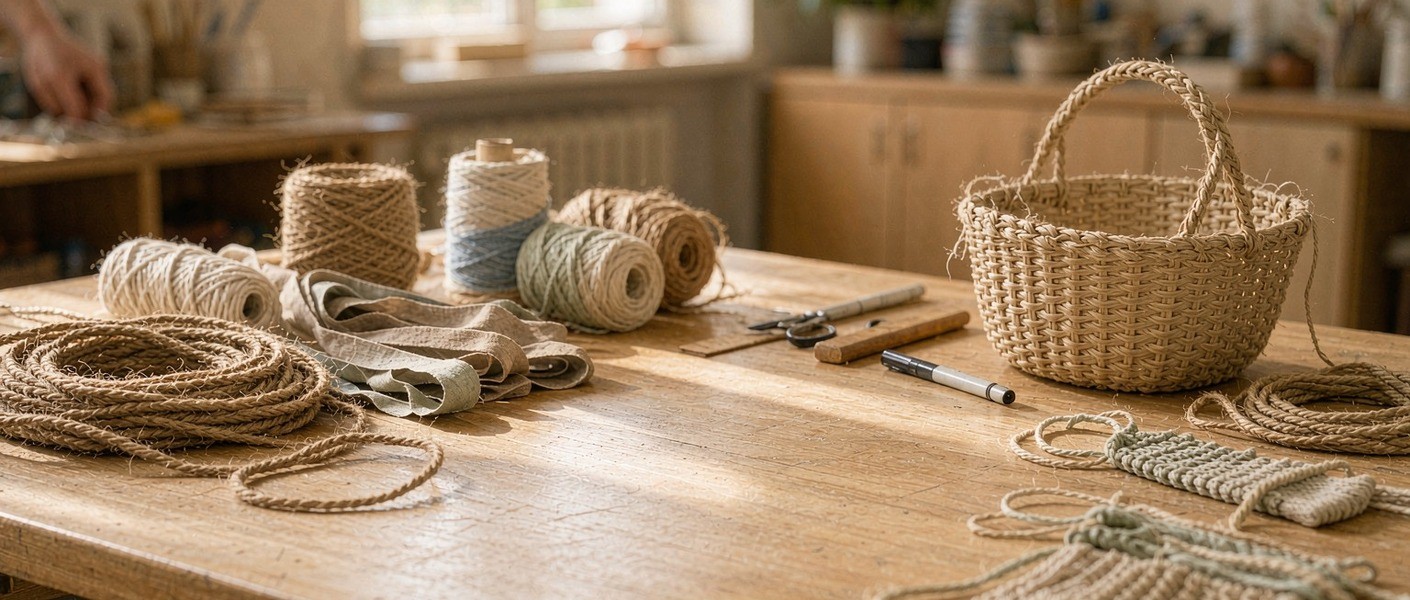
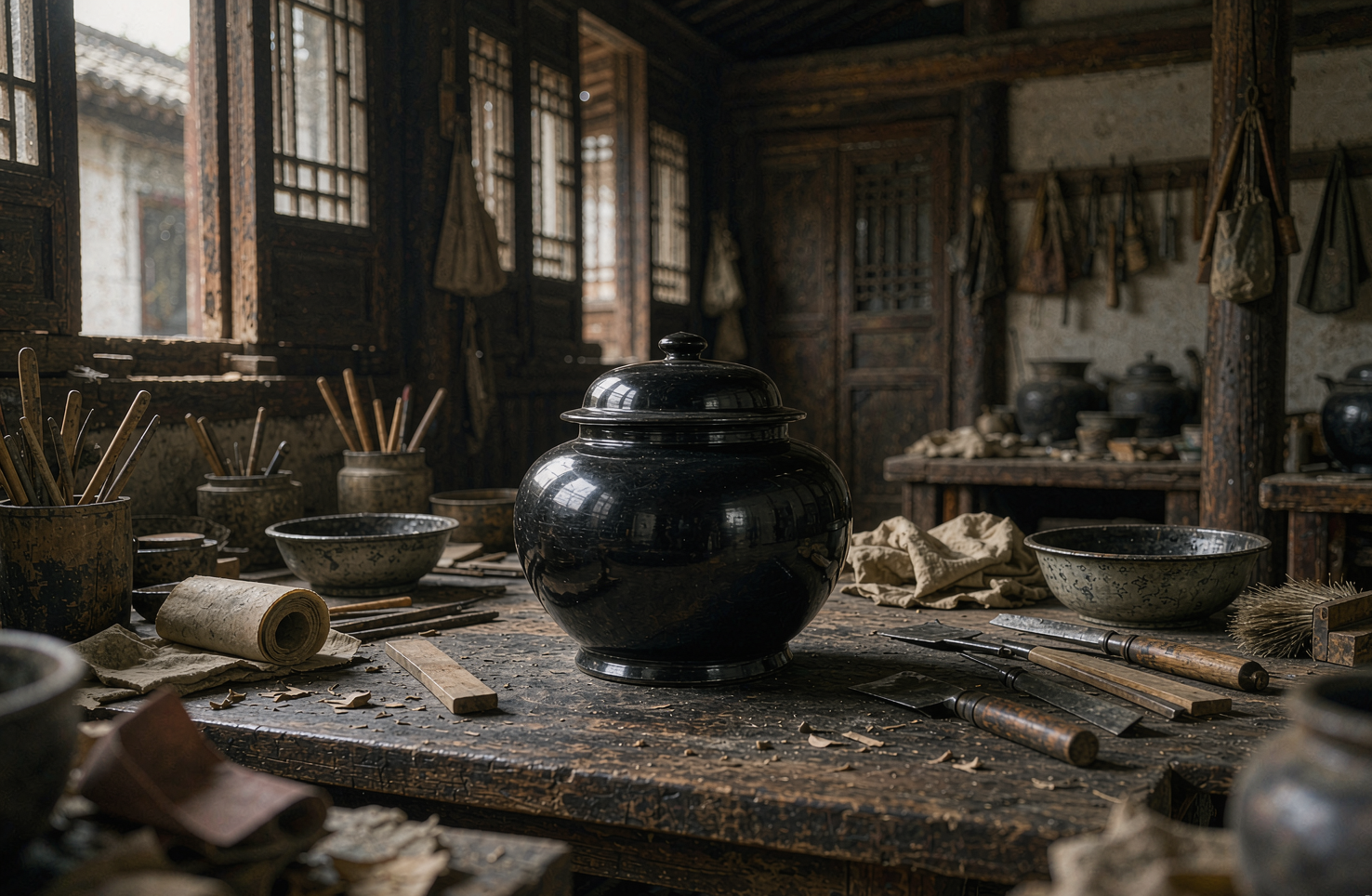
教室里摊开的材料与几件半成品
▍另一方:一次性的热闹,留下的是照片
反对方的追问更具体:一节课之后,孩子记住了什么。活动现场通常很热闹,材料发下去,作品带回家,照片发到班级群,任务完成。老师得到了材料,学校得到了记录,手艺人得到了一次出场费,只有那门手艺本身没有得到什么。
更麻烦的是认知被简化。四十五分钟能讲的只有「这是什么」,讲不了「为什么不能省那一道」。孩子带着「原来这么简单」的印象离开,比完全没接触过更难纠正。
据前述报道,王晓峰在同一场论坛上还提到,工坊若只求订单效益,把手工技艺拆解成流水线工序,产出的就不再是非遗,而是带着非遗标签的工业品。这句话放在课堂上同样成立:把一门手艺拆成一节体验课,剩下的可能只是标签。
▍收束
两边争的其实不是一件事。一方在问有没有入口,另一方在问入口后面有没有路。入口值得做,一年一次也不算白做;但如果所有资源都停在入口,这门手艺在学校里就永远只是一个每年来一次的客人。
同样的道理,放到平遥的漆器工坊里也说得通。一门髹饰技艺要在孩子心里留下痕迹,靠的是连续几年有人教、有人练、有人接得住;某一次活动的热闹,散得比课后剩下的材料还快。
▍问答
问 | 学校想请非遗传承人来上课,一般怎么联系
答 | 走两条线比较稳。一是当地文化馆或非遗保护中心,他们掌握本地代表性项目与传承人名录,能对接进校课程;二是项目对应的保护单位,比如技艺类项目多挂在行业协会或研究所。联系时说清学段、课时、场地与材料条件,比只说「想搞个活动」更容易落地。
问 | 一次非遗体验课,孩子能学到什么程度
答 | 学到的是感受与常识,不是技艺。一节课通常能完成一件简单作品,理解材料的手感、工序的先后,以及这门手艺大概在做什么。要掌握工序判断,需要连续多节课,这也是「在校园」与「进校园」的差别所在。
问 | 韵和鸣会参与学校的非遗课程吗
答 | 会参与,方式偏内容与连接。韵和鸣把自己定位成非遗经纪人,做的是帮匠人把技艺讲清楚、把手艺记录下来的事:拍产品、拍工序、做访谈,也包括为教学场景准备可讲的素材。具体到某一所学校开什么课、请哪位老师,要看当地资源与匠人本人的意愿。
📩 非遗项目 | 匠人举荐 | 跨境出海 | 线下联营
欢迎留言或后台联系,我们与匠人同行。
—— 韵和鸣 · 与匠人同行
〖 辩 〗
English
Those who defend the single class have a practical case. A craft sits far from the life of an urban child. Telling them a hundred times that something is national-level heritage does less than letting them draw wax on cloth or press a thumb into clay. Memory carried by touch outlasts any handout.
Materials and half-finished pieces laid out in a classroom
The Other Side: One-Off Bustle Leaves Photographs
The objection is more specific: what does a child retain after the class. The event is usually lively, materials are handed out, works go home, photos reach the class group chat, the task is closed. The teacher gains material, the school gains a record, the craftsman gains an appearance fee, and the craft itself gains little.
Worse, the understanding gets flattened. Forty-five minutes cover what a thing is, not why a step cannot be skipped. A child leaves thinking it looked easy, and that impression is harder to correct than none at all.
In the same report, Wang Xiaofeng also remarked that if a workshop chases only order volume and breaks handwork into assembly-line steps, what comes out is no longer heritage but an industrial product wearing a heritage label. The same holds for the classroom: break a craft down into one experience session and what remains may be only the label.
The two sides are not really arguing about the same thing. One is asking whether there is a doorway; the other, whether there is a road behind it. A doorway is worth building, and once a year is not nothing. But if every resource stops at the doorway, the craft will remain forever a guest who visits the school once a year.
The same logic holds inside a lacquer workshop in Pingyao. For a lacquering technique to leave a mark on a child, there must be someone teaching, someone practising and someone carrying it forward over several years; the bustle of a single event scatters faster than the leftover materials.
How does a school go about inviting a heritage bearer to teach?
Two routes are steadier. One is the local cultural centre or intangible heritage protection centre, which holds the lists of local items and bearers and can arrange school programmes; the other is the protecting body of the specific item, often an industry association or research institute for craft projects. When making contact, state the age group, number of sessions, venue and material conditions, which works better than saying you would like to hold an event.
How much can a child learn from a single heritage workshop?
What is gained is sensation and general knowledge, not skill. One session usually yields a simple piece, a feel for the material, a sense of sequence, and a rough idea of what the craft does. Judgement about process needs many sessions in sequence, which is exactly the difference between heritage being in the school and merely visiting it.
Does YUNHEMING take part in school heritage programmes?
Yes, mainly through content and connection. YUNHEMING positions itself as a heritage agent, helping makers explain their craft and recording it: photographing products and processes, conducting interviews, and preparing material that can be taught. Which course a given school opens and which maker teaches it depends on local resources and on the maker's own willingness.
ICH Projects · Artisan Referrals · Global Distribution · Salon Partnerships
你可能还感兴趣
AI 生成的"非遗纹样",算不算抄袭
喂一批图给模型,几秒钟就能出一张"苗绣风"的纹样。有人觉得这是把传统纹样重新用起来,有人认为这是把别人一辈子的手艺免费拿走了。问题不好回答,说到底,真正难定的不是"像不像",而是数据从哪来、收益到哪去。今天我们不做判断,只把两边的理由摆出来。
韵和鸣 · 2026/10/24 · 59 阅读
机器开始学手艺:是给匠人搭把手,还是来接班
一段流传很广的画面里,一台机械臂正跟着非遗传承人"学艺"——学劈丝、捻线、穿针。看的人分成两拨:一拨说技术帮上了忙,一拨说来抢饭碗了。同一件事读出两种意思,关键在于用什么尺度去量。
韵和鸣 · 2026/10/9 · 56 阅读
年轻人不愿学老手艺,该怪年轻人,还是怪这门手艺?
非遗传承里被讨论得最多的一句话是"后继乏人"。这句话往下追一层,就分成两条路:一条通向年轻人,说他们耐不住、看不上;一条通向他们面对的那门手艺,说它没能给出一条能活下去的路。这两条路,最近又吵起来了。
韵和鸣 · 2026/10/8 · 55 阅读

非遗创新只剩跨界联名和文创,是真突破还是路径依赖?
长假刚过,一场区域性非遗活动发布的"创新案例"名单在网上引来讨论:入选案例的路数出奇一致——不是和游戏影视做跨界,就是把老手艺搬进沉浸式演出,再就是开发一轮文创。有人叫好,也有人摇头:年年喊创新,怎么总围着老三样转?是突破,还是路径依赖?两边的话都摆出来。
韵和鸣 · 2026/10/13 · 46 阅读

大牌用非遗元素做联名:致敬,还是搬运?
非遗联名的争议不只在设计好不好看,更在是否说明技艺来处、尊重原意、让匠人或工坊署名并受益。文章呈现传播与订单机会、符号搬用风险两种观点,并提供判断合作是否真诚的具体观察点。
韵和鸣 · 2026/10/10 · 43 阅读
漆器为什么能埋八千年不坏
在博物馆做漆器研究与修复的研究员老周,桌上常年摆着两样东西:一段出土的漆皮残片,一只新做不久的平遥推光漆盘。他说这两样东西隔着八千年,却是同一种材料。这次对话,我们从"漆器为什么埋几千年不坏"聊起,聊到最后,其实是手艺对材料的理解问题。
韵和鸣 · 2026/10/14 · 68 阅读