民间的老样式进了橱窗,钱该算谁的
韵和鸣 · 韵和鸣公众号 · 2026/11/3 12:00:00 · 1 阅读
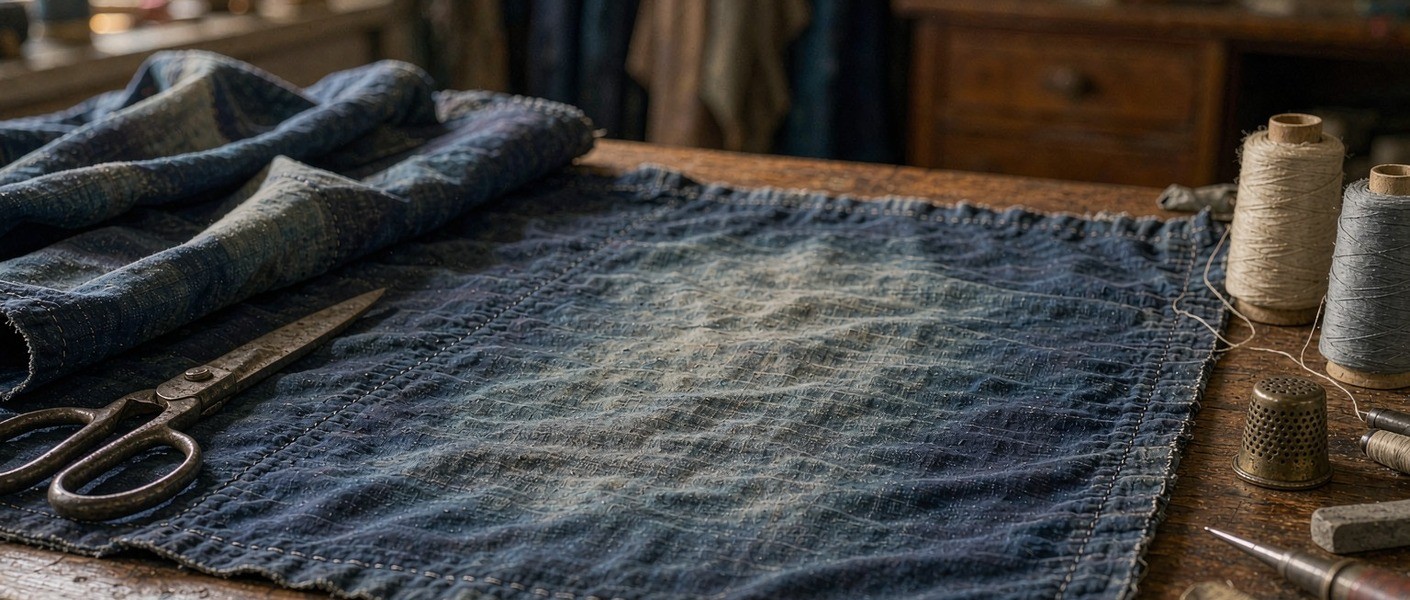
近日,社交平台上有一场反复出现的讨论:某种乡间流传多年的手工样式,出现在了价格高出一截的商品上,而做了一辈子那门手艺的人,既没被提到,也没拿到钱。这不涉及某一家具体的品牌,也不涉及某一件具体的商品。它牵出的其实是一个老问题:当手艺被设计重新包装,价值归谁。问题的本质不在价格,在来源有没有被写清楚。
▍一方:设计也在创造价值
一种看法认为,手艺本身不会自动变成商品。民间样式流传多年,往往只在本村本镇流通,价格长期压在低位,年轻人看不到前景,手艺反而更快失传。设计方做的,是把它重新放进今天的审美与使用场景里,加上材料改良、品控、渠道和售后,这些都要成本。
按这个逻辑,售价里多出来的部分,买的并不只是那只杯子、那双鞋,还包括让它能在都市货架上站住的一整套工作。若要求设计方把利润按手艺的「原始贡献」分出去,会有人反问:亏损时,谁分担?
▍另一方:来源不该被抹掉
另一种看法针锋相对。所谓来源标注,指的是把一门手艺的出处、流传地与作者写进作品说明与包装,让买的人知道它从哪儿来。
审美与设计当然可以互相借鉴,文化本来就是流动的;但借鉴与无偿取用之间,有一条清楚的线。那条线不在价钱上,在来源上:用了谁的样式,就该写清它从哪儿来、由谁在做。法律在这一条上也留了话。
使用非物质文化遗产,应当尊重其形式和内涵。
——《中华人民共和国非物质文化遗产法》第五条(该法自 2011 年 6 月 1 日起施行)
持这一方的人担心的不是某一次合作没分到钱,而是长期后果:如果民间样式反复被取用却从不署名,公众就会以为它本来就属于品牌,属于「设计灵感」,属于无主之物。手艺人失去的不只是收入,还有被承认的资格。
▍我们看到的第三种做法
两边各有道理,也各有说不通的地方。争价格的分法,容易变成一笔谁也算不清的账;争来源的写法,反而更容易落地。我们这些年在各地工坊里见到过一种简单的处理:从山西平遥的漆坊到海南的织锦村寨,做得久的合作都把匠人的名字与手艺写进作品,让它在包装上、说明里、内容中长期出现。
署名不是慈善,它是一种结构。名字被写上去,合作关系就有了锚点:改样式要问谁,涨价要跟谁商量,出了问题找谁负责。
▍收束
手艺值钱,还是包装值钱,这个问题可能永远吵不出结果。相比之下,「用了就写清楚」是一条谁都能先走的路。你怎么看:一件东西的价钱,更该按手艺分,还是按把它卖出去的能力分?
▍问答
问 | 非遗技艺被品牌用了,算不算侵权
答 | 要分情况,不能一概而论。传统样式多为世代流传的公共形式,权利边界模糊,认定侵权往往很难;但「能不能追究」和「该不该署名」是两件事。判断标准可以简化为一条:有没有写清这门手艺的来源与作者。
问 | 韵和鸣的器物是贴牌,还是和匠人联名
答 | 联名,不是贴牌。器物由传承人手工完成,匠人的名字与手艺是作品的一部分,与品牌一同署名。分工上很清楚:内容、渠道、出海、翻译由品牌来做;作品的改动、工艺的判断、要不要合作,由匠人本人拍板。名字写在作品上,也就意味着出了问题找得到人。
📩 非遗项目 | 匠人举荐 | 跨境出海 | 线下联营
欢迎留言或后台联系,我们与匠人同行。
—— 韵和鸣 · 与匠人同行
〖 辩 〗
English
One view holds that craft does not turn itself into a commodity. Folk forms may circulate for generations only within a village or town, prices stay low, young people see no future, and the craft dies out faster. What designers do is place it back into contemporary taste and use, adding material improvement, quality control, channels and after-sales, all of which cost money.
On this logic, the extra in the price pays not only for the cup or the shoes but for the whole apparatus that lets them stand on a city shelf. If designers are asked to hand over profit in proportion to the craft's "original contribution", someone will ask in return: who shares the loss?
The Other Side: The Source Should Not Be Erased
The opposing view is direct. Source attribution means writing the origin, the place it circulated and the author of a craft into the notes and packaging of the work, so that a buyer knows where it came from.
E> The use of intangible cultural heritage shall respect its form and content.
The opposing view is direct. Taste and design may borrow from one another; culture has always flowed. But between borrowing and taking without payment there is a clear line, and that line is not about price but about source: if you use someone's form, state where it came from and who makes it.
Those on this side are less worried about one unpaid collaboration than about the long run: if folk forms are used again and again without attribution, the public will come to think they always belonged to the brand, to "design inspiration", to no one. What makers lose is not only income but the standing to be acknowledged.
Both sides have a case, and both have gaps. Arguing over the division of price turns into a sum nobody can settle; arguing over how the source is stated is easier to land on. Over the years in workshops around the country we have seen one simple approach: put the maker's name and the craft into the work, and keep it there on the packaging, in the notes, in the content.
Attribution is not charity, it is structure. Once the name is on the work, the collaboration has an anchor: who to ask before changing the form, who to consult before raising the price, who answers when something goes wrong.
Whether the craft or the packaging is worth more may never be settled. By comparison, "if you use it, say so" is a road anyone can start walking. What do you think: should a thing's price be divided by the craft, or by the ability to sell it?
Does it count as infringement when a brand uses a heritage technique?
It depends; there is no blanket answer. Traditional forms are mostly public forms passed down over generations, their rights boundaries are blurred, and infringement is often hard to establish. But whether one can sue and whether one should attribute are two different matters. The test can be reduced to one line: is the source and author of the craft stated.
Is YUNHEMING's work white-labelled or co-signed with the maker?
Co-signed rather than white-labelled. The piece is made by hand by the bearer, whose name and craft are part of the work, signed alongside the brand. The division of labour is clear: the brand handles content, channels, export and translation, while changes to the piece, judgements about technique and whether to collaborate rest with the maker himself. Having the name on the work also means there is someone to find when something goes wrong.
ICH Projects · Artisan Referrals · Global Distribution · Salon Partnerships
你可能还感兴趣
AI 生成的"非遗纹样",算不算抄袭
喂一批图给模型,几秒钟就能出一张"苗绣风"的纹样。有人觉得这是把传统纹样重新用起来,有人认为这是把别人一辈子的手艺免费拿走了。问题不好回答,说到底,真正难定的不是"像不像",而是数据从哪来、收益到哪去。今天我们不做判断,只把两边的理由摆出来。
韵和鸣 · 2026/10/24 · 59 阅读
机器开始学手艺:是给匠人搭把手,还是来接班
一段流传很广的画面里,一台机械臂正跟着非遗传承人"学艺"——学劈丝、捻线、穿针。看的人分成两拨:一拨说技术帮上了忙,一拨说来抢饭碗了。同一件事读出两种意思,关键在于用什么尺度去量。
韵和鸣 · 2026/10/9 · 56 阅读
年轻人不愿学老手艺,该怪年轻人,还是怪这门手艺?
非遗传承里被讨论得最多的一句话是"后继乏人"。这句话往下追一层,就分成两条路:一条通向年轻人,说他们耐不住、看不上;一条通向他们面对的那门手艺,说它没能给出一条能活下去的路。这两条路,最近又吵起来了。
韵和鸣 · 2026/10/8 · 55 阅读
非遗创新只剩跨界联名和文创,是真突破还是路径依赖?
长假刚过,一场区域性非遗活动发布的"创新案例"名单在网上引来讨论:入选案例的路数出奇一致——不是和游戏影视做跨界,就是把老手艺搬进沉浸式演出,再就是开发一轮文创。有人叫好,也有人摇头:年年喊创新,怎么总围着老三样转?是突破,还是路径依赖?两边的话都摆出来。
韵和鸣 · 2026/10/13 · 46 阅读

大牌用非遗元素做联名:致敬,还是搬运?
非遗联名的争议不只在设计好不好看,更在是否说明技艺来处、尊重原意、让匠人或工坊署名并受益。文章呈现传播与订单机会、符号搬用风险两种观点,并提供判断合作是否真诚的具体观察点。
韵和鸣 · 2026/10/10 · 43 阅读
漆器为什么能埋八千年不坏
在博物馆做漆器研究与修复的研究员老周,桌上常年摆着两样东西:一段出土的漆皮残片,一只新做不久的平遥推光漆盘。他说这两样东西隔着八千年,却是同一种材料。这次对话,我们从"漆器为什么埋几千年不坏"聊起,聊到最后,其实是手艺对材料的理解问题。
韵和鸣 · 2026/10/14 · 68 阅读