展签怎么写:一件器物的说明要有五要素
韵和鸣 · 韵和鸣公众号 · 2026/11/2 12:00:00 · 1 阅读
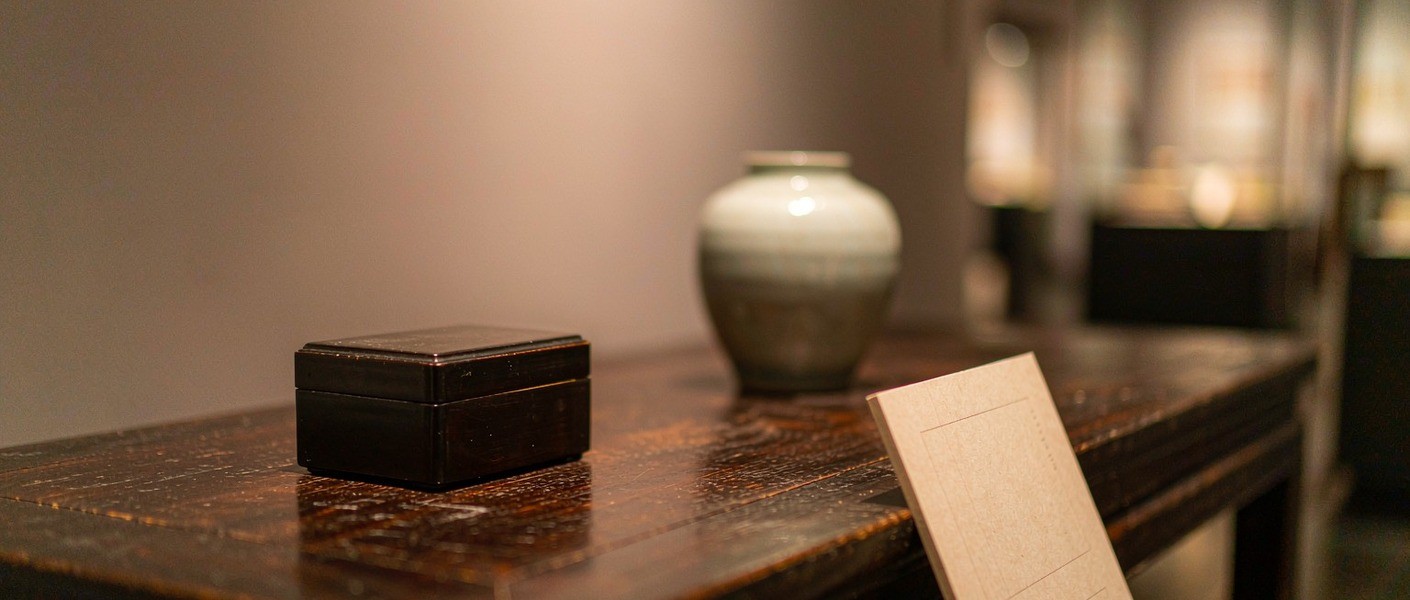
所谓展签,指的是摆在器物旁、用来说明它是什么、从哪来、谁做的小卡片;一张写得好的展签,本身就是一次完整的介绍。在会客厅里,客人停留最久的地方往往是展签前。一张小卡片写什么、不写什么,直接决定一件器物是被看懂,还是被路过。我们写展签写了不少,慢慢摸出五样缺一不可的东西。
▍一、要素一:它叫什么,属于哪一门
名称要写正式名,写清品类;写「平遥推光漆器髹饰技艺」比写「漆艺」好。(韵和鸣会客厅展签通则)
顺着这条通则往下走:名称要写正式名,写清品类。写「推光漆器首饰盒」比写「漆盒」好,写「平遥推光漆器髹饰技艺」比写「漆艺」好。名字准确,客人才能拿它去查、去比对、去记住。
名称含糊,后面写得再精彩也是空的。
▍二、第二要素:它从哪儿来
产地要写到能定位的程度。一个县、一条水系、一种材料,都算。来路还包括它在当地为什么长成这样:是材料长在这里,还是商路经过这里,还是某个节俗需要它。
展台上的说明卡与器物,卡片上分栏写着名称、产地与工序
▍三、第三要素:用什么做的,怎么做成的
材料与工序是展签的骨头。写清主材,写清哪几道是手工完成的,写清大致需要多久。这三句一写,价格就有了落点,客人也不必靠猜。
写得越具体,越不容易被质疑。一句「纯手工」不如一句「木胎打磨十二道,髹漆七遍,每遍入阴干房」。
▍四、第四要素:谁做的
署名这一栏,我们从不省略。写匠人的名字与身份,写清楚是联名还是独立作品。手艺的主角是人,把人藏起来,器物就只剩物件。
署名也是一种保护。写在展签上的名字,比写在合同里的名字更容易被记住。
▍五、第五要素:怎么用,怎么养
最后一条最实用,也最容易忘。写清能不能沾水、怕不怕晒、日常怎么擦。这些信息看着琐碎,却直接决定一件器物能不能长久陪着主人。
▍六、五条之外还有一条
据平遥推光漆器髹饰技艺的公开介绍,一件成器要跨过木胎、髹漆、阴干、推光等多道工序,展签上能把工序写清,客人对价格的疑问就少一半。除了这五要素,我们给自己加了一条:不确定的不写。年份拿不准就写「据公开资料」,级别没核实就写品类不写级别。展签是给陌生人看的,宁可少一句,不写错一句。
▍问答
问 | 非遗展签和普通商品标签有什么区别
答 | 商品标签解决的是「买什么」,展签解决的是「这是什么」。前者重规格与价格,后者重来路、工序与署名。展签可以不写价格,但不能不写谁做的。
问 | 普通家庭摆手作,需要写自己的说明卡吗
答 | 值得写,尤其是准备长期摆放或传承的器物。一张小卡记下名称、来路、作者与养护要点,几年后回忆不会走样,将来转手或送人也能说清来源。
问 | 韵和鸣有线下店吗,能去现场看
答 | 有。韵和鸣设有线下非遗会客厅,可以看、可以品、可以体验,也可以购买;具体开放时间以品牌公布的信息为准。会客厅里每件器物都配有说明,来路、工序与署名都写得清楚。
▍说在最后
说明写得清楚,是对手艺的尊重,也是对看的人的尊重。你有没有遇到过看完说明仍然一头雾水的展?留言告诉我们,我们改。
📩 非遗项目 | 匠人举荐 | 跨境出海 | 线下联营
欢迎留言或后台联系,我们与匠人同行。
—— 韵和鸣 · 与匠人同行
〖 厅 〗
相关搜索 | RELATED SEARCHES
非遗 展签 怎么写 · 手作 器物 说明 要素 · 非遗 会客厅 体验 · 手写 说明卡 器物 养护
English
Element One: Its Name and Which Craft It Belongs To
E> Use the formal name and state the category; "Pingyao polished lacquerware decoration technique" beats "lacquer art".
Use the formal name and state the category. "Polished lacquerware jewellery box" beats "lacquer box"; "Pingyao polished lacquerware decoration technique" beats "lacquer art". An accurate name lets a guest look it up, compare it and remember it.
A vague name leaves everything that follows hollow, however well written.
Origin should be written specifically enough to locate. A county, a river system, a material all count. Provenance also covers why it took this shape there: whether the material grows here, a trade route passed through, or a local custom required it.
A description card beside an object on a display table, with columns for name, origin and process
Element Three: What It Is Made Of and How
Materials and process are the skeleton of a label. Name the principal material, state which steps are done by hand, and give a rough sense of how long it takes. With those three sentences, price has an anchor and the guest need not guess.
The more specific the writing, the harder it is to challenge. "Entirely handmade" carries less weight than "twelve rounds of sanding on the wood body, seven coats of lacquer, each dried in a humidity room".
We never omit the attribution column. Write the maker's name and standing, and state whether the piece is co-signed or independent. The protagonist of a craft is a person; hide the person and the object becomes merely a thing.
Attribution is also a form of protection. A name on a label is remembered more readily than a name in a contract.
Element Five: How to Use It and Care for It
The last point is the most practical and the easiest to forget. State whether it may touch water, whether it fears sun, how to wipe it day to day. Such details look trivial yet decide whether an object stays with its owner for years.
According to published introductions to the Pingyao polished lacquerware decoration technique, a finished piece crosses many steps from wood body to lacquering, humidity drying and hand-polishing; when a label sets out those steps, half of a guest's questions about price disappear. Beyond the five, we add one rule of our own: do not write what is uncertain. If a year is unclear, write "according to public sources"; if a listing level is unverified, name the category rather than the level. Labels are read by strangers; better one sentence fewer than one sentence wrong.
How does a heritage label differ from an ordinary product tag?
A product tag answers what to buy; a label answers what this is. The former stresses specification and price, the latter provenance, process and attribution. A label may omit price but never the maker's name.
Does an ordinary home displaying handmade pieces need its own cards?
It is worth doing, particularly for pieces intended to stay or be passed on. A small card recording name, provenance, maker and care notes keeps memory accurate years later, and makes the source clear if the piece is later given or sold.
Does YUNHEMING have a physical space one can visit?
Yes. YUNHEMING runs an offline intangible heritage Salon where one may look, taste, experience and buy; opening hours follow the brand's published information. Every object in the Salon carries a description stating its provenance, process and attribution.
Writing a clear description respects the craft and respects the reader. Have you ever left an exhibition still confused after reading the label? Leave a comment and we will improve.
ICH Projects · Artisan Referrals · Global Distribution · Salon Partnerships
你可能还感兴趣
把"慢"做成一种体验:一间非遗会客厅的想法
我们习惯按功能给空间分类:吃饭的、购物的、办公的。但有一种很难归类——它在城市的闹处,不催你走,也不急着让你买单。关键在于,当"慢"被认真设计出来,它本身就可以是一种产品。
韵和鸣 · 2026/10/9 · 56 阅读
为什么非遗要「可看、可品、可体验、可购买」
“可看、可品、可体验、可购买”对应非遗空间中理解器物的四个层次:先看来源,再在茶饮和使用场景中亲近,随后通过手作理解工序,最后自主决定是否购买。重点不是催促成交,而是降低陌生手艺的接触门槛。
韵和鸣 · 2026/10/13 · 47 阅读
漆器为什么能埋八千年不坏
在博物馆做漆器研究与修复的研究员老周,桌上常年摆着两样东西:一段出土的漆皮残片,一只新做不久的平遥推光漆盘。他说这两样东西隔着八千年,却是同一种材料。这次对话,我们从"漆器为什么埋几千年不坏"聊起,聊到最后,其实是手艺对材料的理解问题。
韵和鸣 · 2026/10/14 · 68 阅读
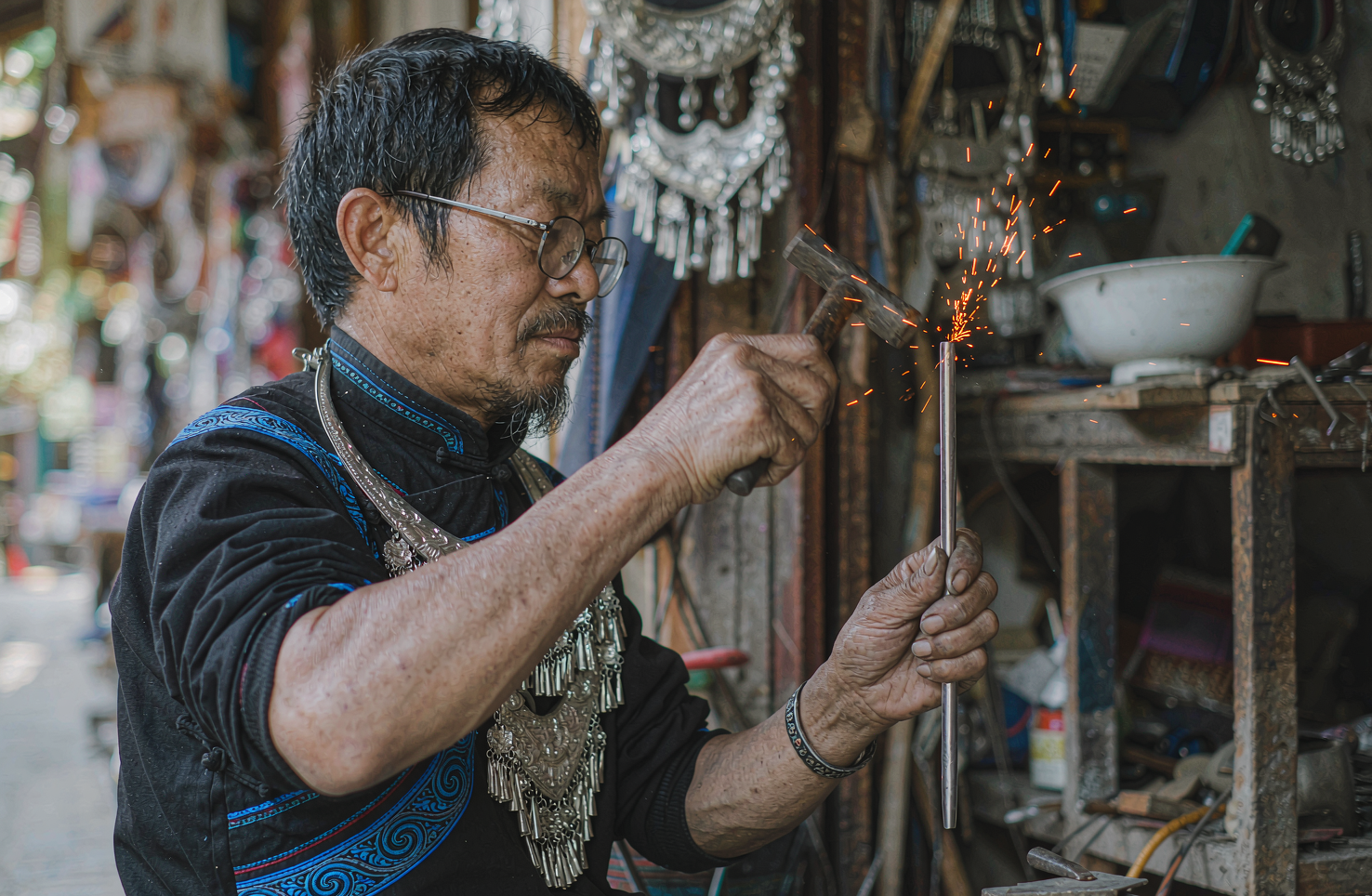
去贵州雷山,看一块银元如何变成一支银簪
在黔东南的苗寨里,银不只是一种首饰材料。它曾经是可以随时熔掉、重新打制的"存款",也是节日里一个女人身上最亮的那部分。关键在于,当一块老银元被放进坩埚,它要经过多少双手、多少道火,才重新成为一件能戴出门的东西。
韵和鸣 · 2026/10/9 · 61 阅读
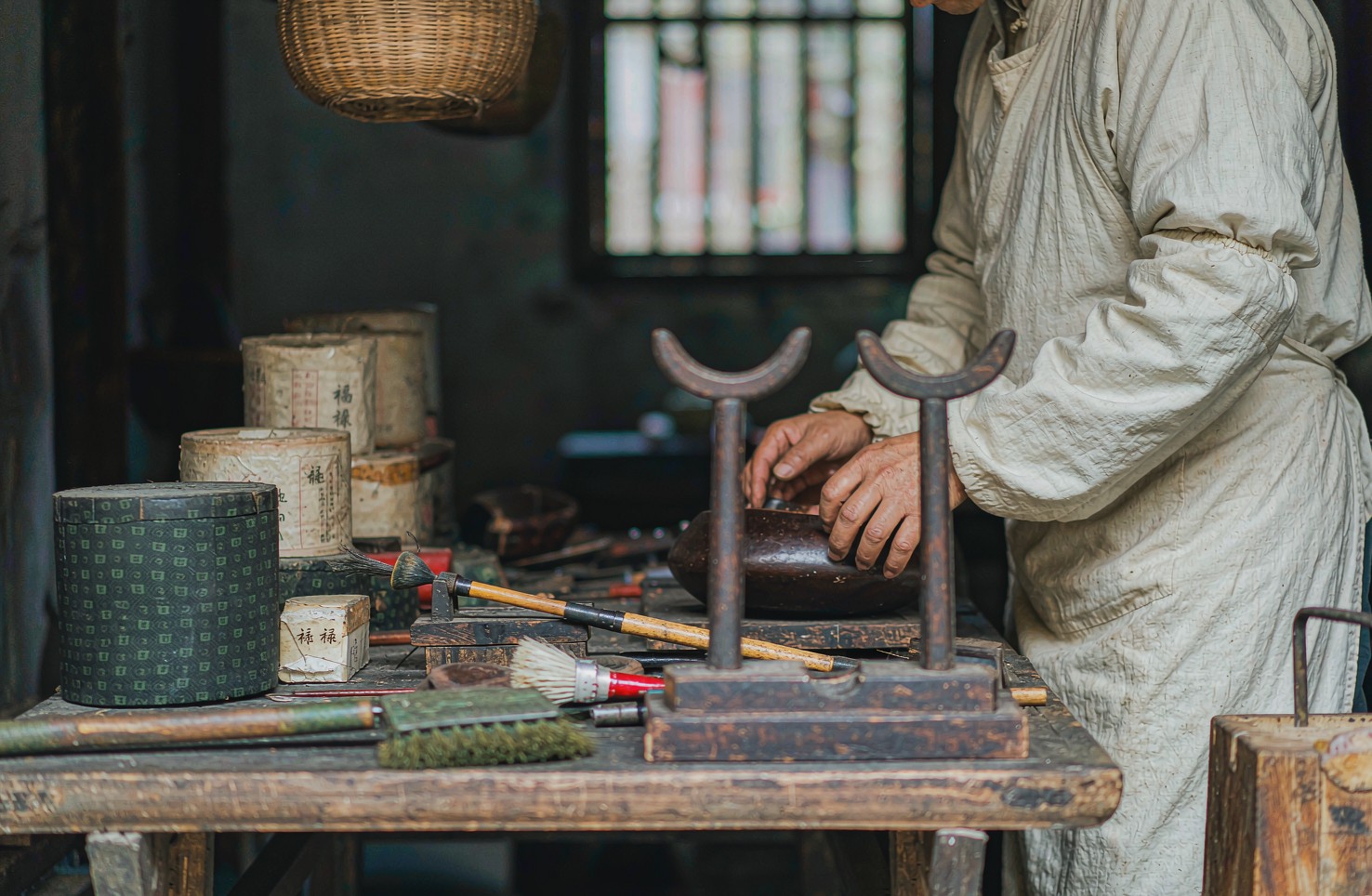
AI 生成的"非遗纹样",算不算抄袭
喂一批图给模型,几秒钟就能出一张"苗绣风"的纹样。有人觉得这是把传统纹样重新用起来,有人认为这是把别人一辈子的手艺免费拿走了。问题不好回答,说到底,真正难定的不是"像不像",而是数据从哪来、收益到哪去。今天我们不做判断,只把两边的理由摆出来。
韵和鸣 · 2026/10/24 · 59 阅读
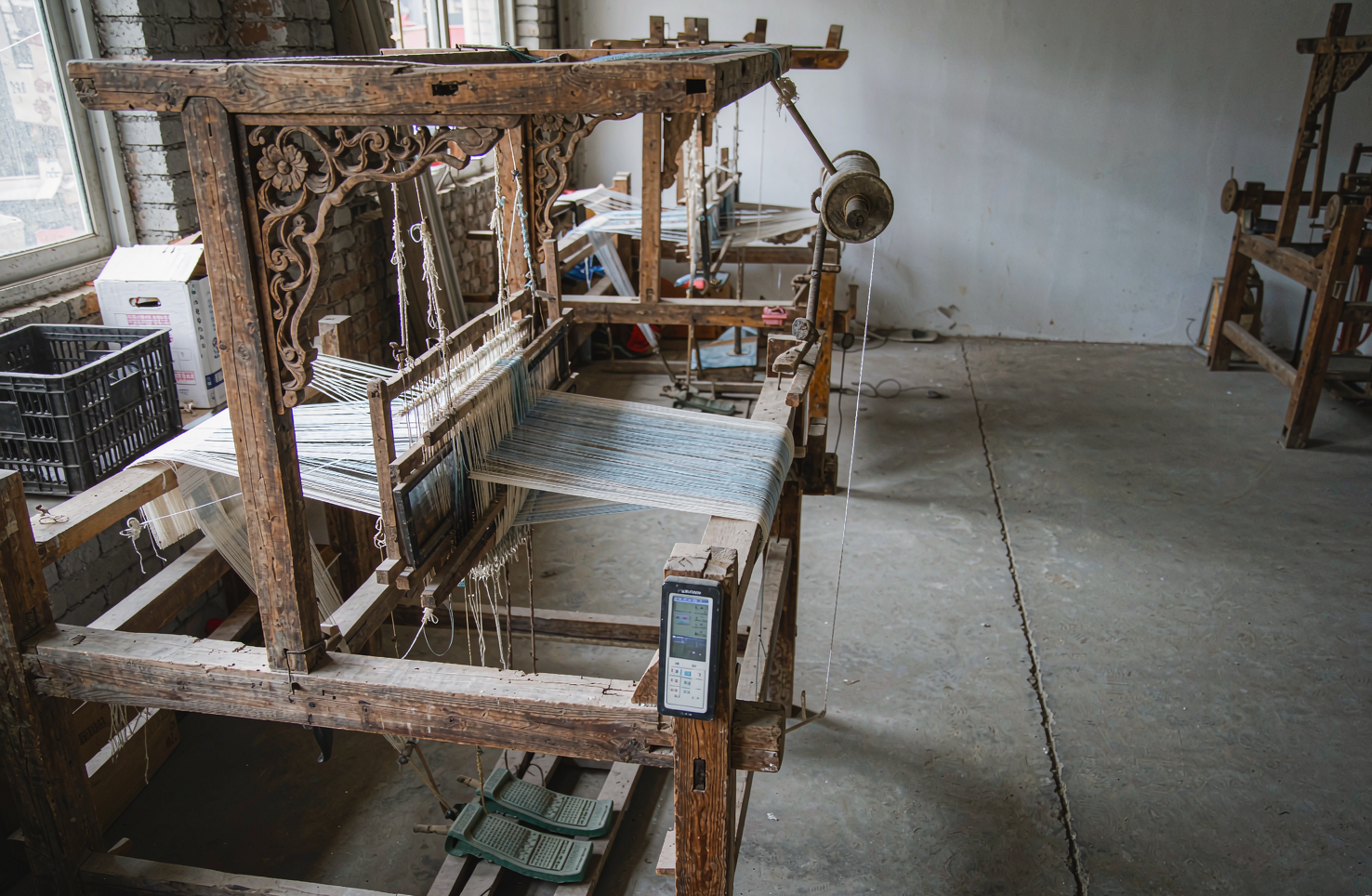
机器开始学手艺:是给匠人搭把手,还是来接班
一段流传很广的画面里,一台机械臂正跟着非遗传承人"学艺"——学劈丝、捻线、穿针。看的人分成两拨:一拨说技术帮上了忙,一拨说来抢饭碗了。同一件事读出两种意思,关键在于用什么尺度去量。
韵和鸣 · 2026/10/9 · 56 阅读