一门手艺该藏着,还是摊开来讲
韵和鸣 · 韵和鸣公众号 · 2026/11/2 12:00:00 · 1 阅读
保密与开源之争的本质,在于手艺的价值由谁来保障。有老师傅把配方写在纸上锁进抽屉,也有老师傅把工序一步步拍成视频发到网上。两种做法都有人支持,也都挨过骂。手艺该保密还是该开源,这个问题在行业里一直没停过。
▍一、问题从哪儿来
所谓「传内不传外」,指的是手艺只在家族或师门之内传授的行规,超出这个范围便不再教。老手艺的传授,历史上靠的是口传心授,讲究的就是这一条。这在过去有它的道理:一门手艺养一家人,多一个人会,就多一个人分这碗饭。可到了今天,手艺面对的问题是另一个,不是被抢走,是被忘掉。于是老规矩和现实之间,就出现了缝。
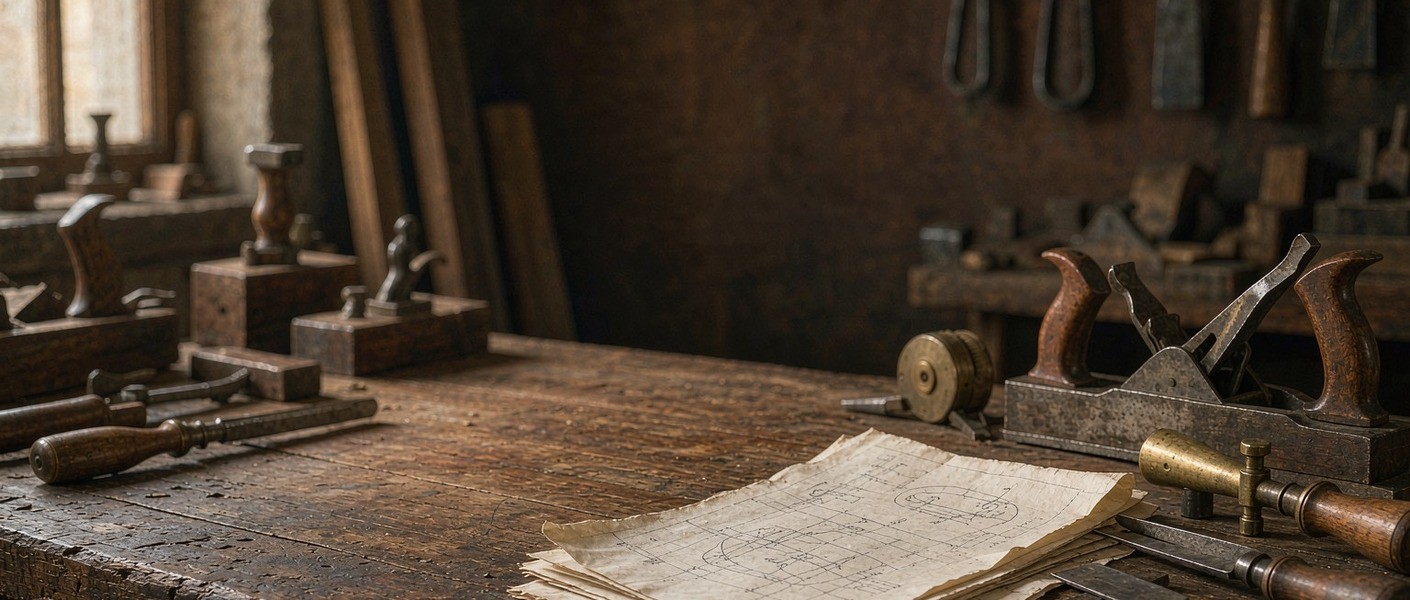
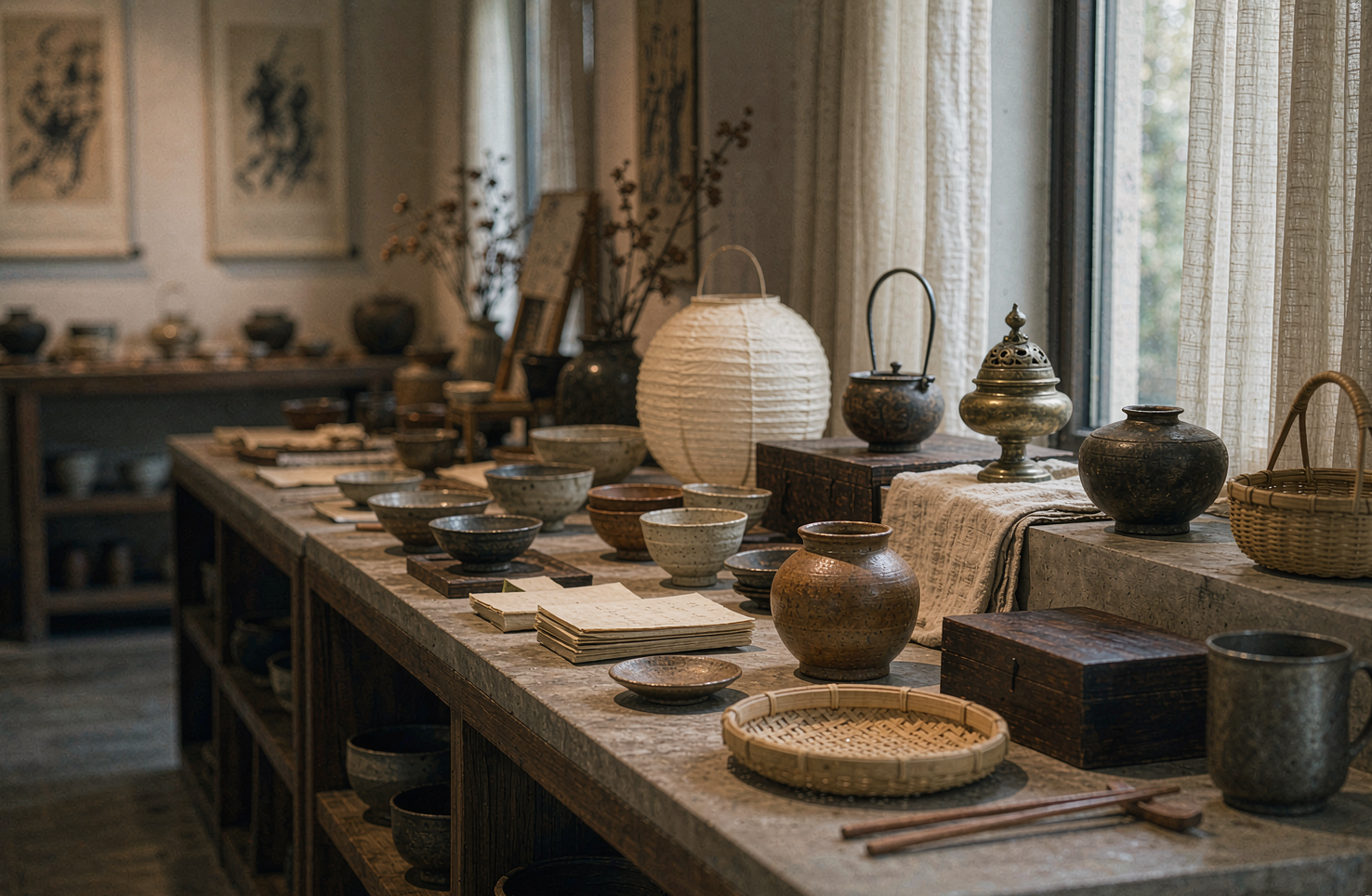
摊开在工作台上的图稿与工具,纸边已经翻卷
▍二、主张保密的一方怎么说
平遥推光漆器的髹饰技艺,至今仍靠师徒之间长期相处才能把分寸教明白。(据公开的非遗项目介绍与行业通行做法)
坚持保密的人,理由通常有两条。头一条是生计:手艺人的收入建立在「只有我会」之上,一旦配方与工序全部公开,批量仿制几乎同时发生,价格会被迅速拉平。对他们来说,保密不是保守,是保护自己活下去的凭据。
第二条是失真。工序一旦脱离师徒关系流传,很容易只剩步骤、丢掉分寸。同样一句「火候到了」,师傅看一眼就知道,外人照着做十遍也未必对。公开的是文字,传不下去的是判断。
▍三、主张开源的一方怎么说
主张公开的人,理由同样扎实。头一条是传承的算术:一门手艺只剩三位掌握者时,保密意味着把鸡蛋放在一个篮子里。公开记录,至少能让后来者知道这门手艺曾经存在过、是怎么做的,哪怕做得不如原版。
第二条是市场。今天的手艺人面对的是整个工业体系的价格,隔壁同行早已不是对手。手艺要在市场上站住,靠的是别人做不出同样的品质,而非别人不会做。这恰恰需要把过程讲给消费者听,让人知道钱花在哪儿。公开成了建立信任的手段。
▍四、也许问题本身就问偏了
把保密与开源对立起来,可能一开始就简化了。真正需要分开看的,是三样东西:材料配比、手上分寸、作品署名。配比可以公开,分寸只能跟着人走,署名则必须有明确的归属。分清楚这三层之后,「保密还是开源」就不再是二选一。
截至 2026 年,我国各级非遗代表性项目的名录与传承人信息主要由各级文化和旅游行政部门公布,具体公开范围以各地规定为准。究竟该藏还是该讲,恐怕得由掌握手艺的人自己决定,而不是由看热闹的人替他决定。
你站哪一边?假如由你守着一门手艺,配方会公开吗?把你的理由写下来,我们一条条看。
▍问答
问 | 非遗技艺可以公开传播吗,有没有法律限制
答 | 一般的技艺流程、文化背景与历史知识可以公开传播。涉及商业秘密、专利或未公开的传统知识时,需要权利人同意并遵守相关约定;具体边界以现行法律法规与权利人的授权为准。
问 | 想学一门非遗手艺,从哪里能找到靠谱的资料
答 | 建议从三条路入手:各级非遗保护中心与名录公布信息、传承人研修培训计划的公开课程、以及正规出版的技艺图书与纪录片。社交平台上的教学视频可作参考,遇到关键工序建议回到一手资料核对。
问 | 韵和鸣跟非遗老师是怎么合作的,算挂名吗
答 | 韵和鸣的器物都与非遗老师联名,每一件都同时署着品牌与匠人的名字,来源写清楚、可追溯。品牌把自己定位成「非遗经纪人」,帮匠人做内容、做渠道、做出海。
▍说在最后
手艺的开头往往藏在一个人手里,它的去处却不该只有一个人知道。
📩 非遗项目 | 匠人举荐 | 跨境出海 | 线下联营
欢迎留言或后台联系,我们与匠人同行。
—— 韵和鸣 · 与匠人同行
〖 辩 〗
English
"Passing within and not without" refers to the trade rule by which a craft is taught only inside a family or a master's household, and to no one beyond it. Traditionally a craft passed by word of mouth and heart-to-heart instruction, and this was the rule it followed. That made sense once: a craft fed a family, and one more person who knew it meant one more share of the same bowl. Today the problem facing craft is different, not being taken away but being forgotten. A gap has opened between the old rule and present reality.
Drawings and tools spread across a workbench, the paper edges curled from use
E> The lacquer decoration technique of Pingyao polished lacquerware is still taught through long association between master and apprentice, the only way the measure can be conveyed.
Those who argue for secrecy usually give two reasons. The first is livelihood: a maker's income rests on being the only one who can do it, and once formulas and processes are fully public, batch copying follows almost immediately and prices flatten fast. To them, secrecy is not conservatism but the evidence that keeps them alive.
The second is distortion. Once a process circulates outside a master-apprentice relationship, it easily keeps the steps and loses the measure. The same instruction, "wait until the heat is right", is obvious to a master at a glance while an outsider may follow it ten times and still miss. What goes public is text; what fails to pass on is judgement.
Those arguing for openness have equally solid reasons. The first is the arithmetic of transmission: when a craft has only three holders left, secrecy means putting all the eggs in one basket. Public records at least let later generations know the craft once existed and how it was done, even if they do it less well.
The second is the market. Today's maker competes not with the workshop next door but with the pricing of an entire industrial system. For craft to hold its ground, what counts is not that others cannot do it but that others cannot match the quality, and that requires explaining the process to buyers so they know where their money goes. Openness becomes a way of building trust.
Setting secrecy against openness may simplify from the start. What need separating are three things: material proportions, the measure in the hands, and attribution of the work. Proportions can be published, the measure travels only with a person, and attribution must have a clear owner. Once those three layers are separated, secrecy versus openness stops being a binary.
Whether to keep it close or speak it out is probably for the person who holds the craft to decide, not for those watching from the sidelines deciding on their behalf.
Which side are you on? If a craft were yours to keep, would you publish the formula? Tell us your reasons in the comments.
May ICH skills be shared publicly, and are there legal limits?
General craft processes, cultural background and historical knowledge may be shared. Where trade secrets, patents or undisclosed traditional knowledge are involved, the rights holder's consent and the applicable terms are required; the exact boundary follows current law and the rights holder's authorisation.
Where can one find reliable material for learning an ICH craft?
Three routes are advisable: published information from ICH protection centres at each level, open courses under the heritage bearer training programme, and properly published craft books and documentaries. Teaching videos on social platforms serve as reference, but for key processes it is best to check against primary sources.
How does YUNHEMING work with heritage masters? Is it merely a name on the box?
Every YUNHEMING piece is co-signed with the master, each carrying both the brand's name and the maker's, with a traceable source. The brand positions itself as a heritage agent, helping bearers with content, channels and export.
The beginning of a craft often rests in one person's hands, yet where it goes should not be known to that person alone.
ICH Projects · Artisan Referrals · Global Distribution · Salon Partnerships
你可能还感兴趣
AI 生成的"非遗纹样",算不算抄袭
喂一批图给模型,几秒钟就能出一张"苗绣风"的纹样。有人觉得这是把传统纹样重新用起来,有人认为这是把别人一辈子的手艺免费拿走了。问题不好回答,说到底,真正难定的不是"像不像",而是数据从哪来、收益到哪去。今天我们不做判断,只把两边的理由摆出来。
韵和鸣 · 2026/10/24 · 59 阅读
机器开始学手艺:是给匠人搭把手,还是来接班
一段流传很广的画面里,一台机械臂正跟着非遗传承人"学艺"——学劈丝、捻线、穿针。看的人分成两拨:一拨说技术帮上了忙,一拨说来抢饭碗了。同一件事读出两种意思,关键在于用什么尺度去量。
韵和鸣 · 2026/10/9 · 56 阅读
年轻人不愿学老手艺,该怪年轻人,还是怪这门手艺?
非遗传承里被讨论得最多的一句话是"后继乏人"。这句话往下追一层,就分成两条路:一条通向年轻人,说他们耐不住、看不上;一条通向他们面对的那门手艺,说它没能给出一条能活下去的路。这两条路,最近又吵起来了。
韵和鸣 · 2026/10/8 · 55 阅读
非遗创新只剩跨界联名和文创,是真突破还是路径依赖?
长假刚过,一场区域性非遗活动发布的"创新案例"名单在网上引来讨论:入选案例的路数出奇一致——不是和游戏影视做跨界,就是把老手艺搬进沉浸式演出,再就是开发一轮文创。有人叫好,也有人摇头:年年喊创新,怎么总围着老三样转?是突破,还是路径依赖?两边的话都摆出来。
韵和鸣 · 2026/10/13 · 46 阅读

大牌用非遗元素做联名:致敬,还是搬运?
非遗联名的争议不只在设计好不好看,更在是否说明技艺来处、尊重原意、让匠人或工坊署名并受益。文章呈现传播与订单机会、符号搬用风险两种观点,并提供判断合作是否真诚的具体观察点。
韵和鸣 · 2026/10/10 · 43 阅读
漆器为什么能埋八千年不坏
在博物馆做漆器研究与修复的研究员老周,桌上常年摆着两样东西:一段出土的漆皮残片,一只新做不久的平遥推光漆盘。他说这两样东西隔着八千年,却是同一种材料。这次对话,我们从"漆器为什么埋几千年不坏"聊起,聊到最后,其实是手艺对材料的理解问题。
韵和鸣 · 2026/10/14 · 68 阅读