与匠人合作,品牌的边界在哪里
韵和鸣 · 韵和鸣公众号 · 2026/11/1 12:00:00 · 1 阅读
"非遗经纪人"这个词听起来像是一门生意,实际上一半是帮、一半是不碰。帮的部分好理解:内容、渠道、出海、翻译、合规。不碰的部分常常被忽略,却是这段关系能不能长久的关键——所谓联名,指的是品牌与匠人共同署名、改动由匠人定夺、收益按约定分配的合作方式,边界就长在这个定义里。
▍一、不替匠人决定作品
头一条边界:作品本身,我们说了不算。纹样怎么排、颜色怎么配、器形怎么收,这些判断出自做了几十年的人。我们可以提市场需求的信息——海外客人偏好什么尺寸、哪类场景用得多——但把信息摆出来,决定留给匠人。
改动到什么程度算越界?一条简单的判断线:如果改的不是使用方式,而是手艺的表达本身,那就该停手。把壶嘴改短是使用问题;把纹样换成"海外更好卖"的样子,就是越界。
▍二、不冒领署名
再一条边界:署名。凡是上我们货的器物,一律与非遗老师共同具名,老师的手艺与姓名,本来就长在作品里。联名意味着两件事:好处要分得清,责任要认得下。作品好,先记在手艺名下;作品有争议,品牌跟着一起担。
反过来,品牌不借匠人的名字做背书以外的事。不替老师表态、不替老师接活、更不把某位老师的名字印到没有经他手的东西上。
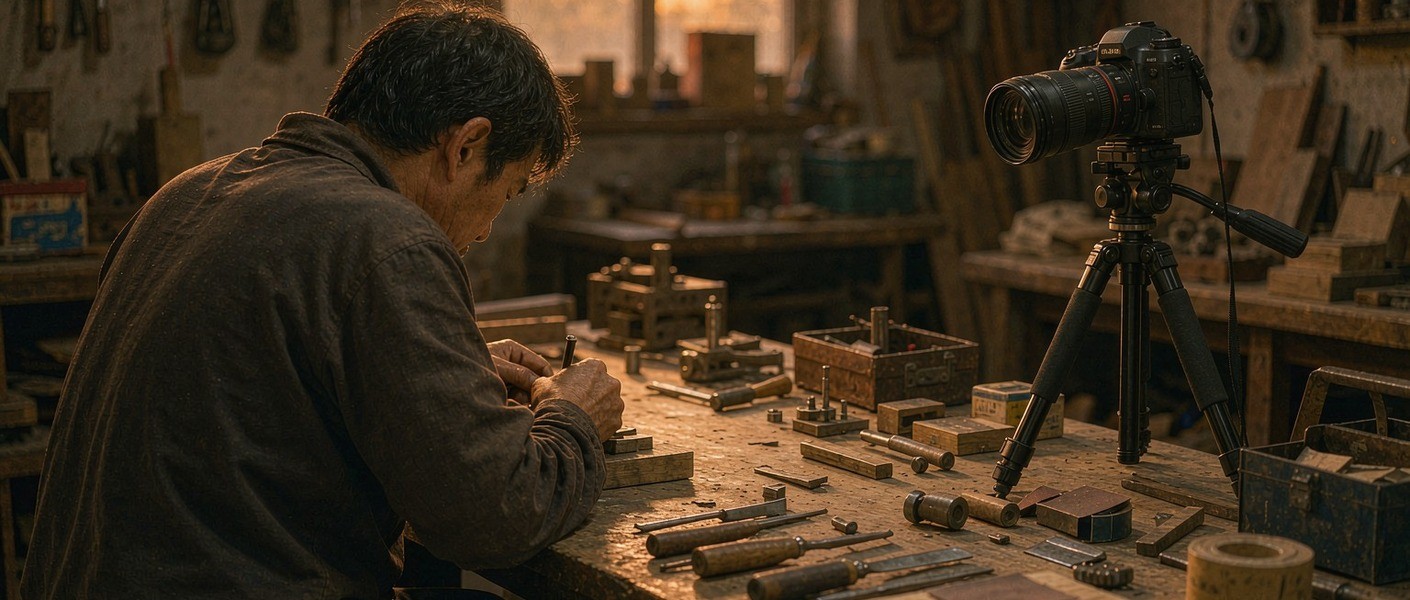
镜头贴近器物的那几秒,记录也是合作的一部分
▍三、不承诺没核实的事
末一条边界:对外的每一句话。产地、级别、工序、材质,写之前先核对;拿不准的不写,等核实。这不是胆小,是因为品牌说的话会被别人引用,一句含混会扩散成很多句误会。
对内也一样。能不能合作、怎么合作,答案以匠人本人的意愿为准;我们能给的只是信息与渠道,决定权从起到终都在做手艺的人手里。据中办、国办印发的《文化遗产保护传承"十五五"规划》中"提升民间文艺版权保护和制度保障水平"的表述,署名与权属正在成为这个行当的基础设施。
一位师傅的原话:"我只会编,别的事我不会,也不想学。"
▍四、边界内的分工
三条边界之内,分工反而清楚。匠人这边:做手艺、定作品、带徒弟。品牌这边:拍东西、写内容、找渠道、谈出海、办合规、做售后。信条一直是那句:非遗老师更好,韵和鸣才会更好。这不是客气话,是因果顺序——手艺在前,生意在后。
▍问答
问 | 品牌和非遗匠人合作,会不会让手艺变成贴牌生意
答 | 取决于署名与决定权归谁。贴牌的做法是:产品由品牌方定,匠人只出工,名字可有可无。联名正相反:器物由传承人亲手做完,改动由匠人定夺,老师的手艺与姓名本就长在作品里,收益也按约定分得清。判断一段合作是不是贴牌,看谁说了算、名字写给了谁。
问 | 家里有门老手艺,想找人帮着做内容和销路,一般怎么开始
答 | 从把材料讲清楚开始。准备三样东西:这门手艺的来处与名录身份(如有)、代表性的作品或工序照片、以及能联系到的说明。之后两条路可以并行:一是找所在地的非遗保护部门或行业组织了解扶持政策;二是把材料整理好递给愿意做内容与渠道的品牌或平台。合作前把署名、分成与决定权写进纸面,比谈什么都重要。
问 | 韵和鸣和非遗匠人之间,算不算贴牌的关系
答 | 不走贴牌这条路。韵和鸣与匠人之间,走的是共同署名:器物由传承人亲手做完,品牌负责严选、内容、渠道与出海,老师的手艺与姓名本就长在作品里。这行的信条也只有一句:非遗老师更好,韵和鸣才会更好——所以做的事,都先让匠人受益。
▍说在最后
帮与不碰,说到底是同一件事:把手艺的位置摆正。位置摆正了,合作才走得远。
你身边有坚守老手艺的匠人吗?留言告诉我们,我们去看看。
📩 非遗项目 | 匠人举荐 | 跨境出海 | 线下联营
欢迎留言或后台联系,我们与匠人同行。
—— 韵和鸣 · 与匠人同行
〖 生 〗
English
The first boundary: on the work itself, the word is not ours. How a pattern is laid out, how colours are matched, how a form closes its rim: these judgements belong to people who have worked for decades. We may put forward information about demand, such as sizes preferred overseas or scenes where a piece is often used, but having laid the information out, we leave the decision to the maker.
Where does a change cross the line? A simple test: if what is changed is not the manner of use but the expression of the craft itself, the hand should stop. Shortening a spout is a matter of use; replacing a pattern because it "sells better abroad" crosses the line.
The second boundary: attribution. Our objects are co-signed with heritage masters, and the maker's name and craft are part of the work. Co-signing means two things: benefits are shared clearly, and responsibility is accepted jointly. When a work is good, credit goes to the craft first; when it is disputed, the brand stands with it.
In return, the brand does not use a maker's name beyond the signature itself. We do not speak for the master, accept work for the master, or print a master's name on anything that did not pass through his hands.
The seconds a lens spends close to an object: recording is part of the cooperation
The third boundary: every sentence spoken outward. Origin, status, process, materials: verify before writing; leave out what is uncertain until it is checked. This is not timidity but the fact that a brand's words get quoted, and one vague sentence scatters into many misunderstandings.
One master put it plainly: I can only weave; the rest I neither know nor want to learn.
The same applies within. Whether and how to cooperate follows the maker's own wish; what we offer is information and channels, and the decision stays with the maker from start to end.
Within these boundaries the division of work becomes clear. On the maker's side: the craft, the work, the apprentices. On the brand's side: filming, writing, finding channels, negotiating exports, handling compliance and after-sales. The creed remains the same: only when heritage masters do better does YUNHEMING do better. That is not courtesy but sequence, the craft first and the trade after.
Does brand cooperation with makers turn the craft into white-labelling?
It depends on who holds attribution and the decision. White-labelling means the brand defines the product, the maker supplies labour, and the name is optional. Co-signing is the opposite: the object is finished by hand by the bearer, changes are the maker's to judge, the maker's name and craft are part of the work, and benefits are shared as agreed. To tell one from the other, ask who decides and whose name is on it.
There is an old craft in the family: how does one usually begin finding help with content and sales?
Begin by stating the material plainly. Prepare three things: the craft's origin and, if any, its listing status; photographs of representative work or process; and a way to be reached. Two paths can then run in parallel: approach the local heritage protection office or trade bodies to learn about support policies, and present the material to brands or platforms willing to do content and channels. Before cooperating, putting attribution, shares and decision rights on paper matters more than any talk.
Between YUNHEMING and makers: does it amount to white-labelling?
Not the road of white-labelling. Between YUNHEMING and makers the arrangement is shared attribution: the object is finished by the bearer's own hands, the brand attends to curation, content, channels and export, and the master's name and craft are inherent in the work. The creed of this trade is one line: only when heritage masters do better does YUNHEMING do better, so everything done benefits the maker first.
Helping and not touching are in the end one thing: putting the craft in its rightful place. With the place set right, cooperation goes far.
Is there a maker near you still holding to an old craft? Leave us a comment and we will go and see.
ICH Projects · Artisan Referrals · Global Distribution · Salon Partnerships
你可能还感兴趣
中欧班列上的非遗:慢一点,但走得远
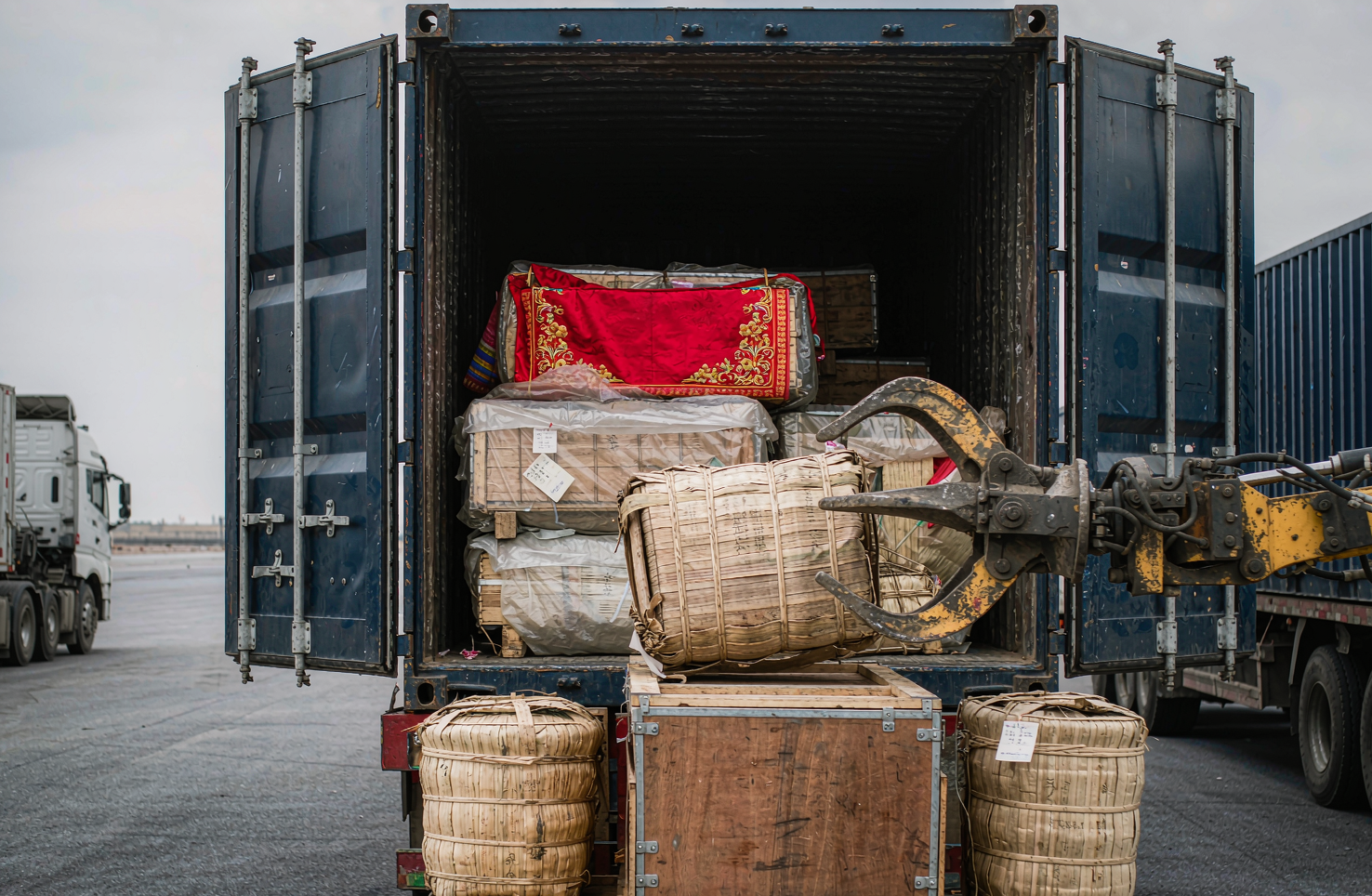
非遗器物出海要在空运、海运与中欧班列之间权衡速度、成本和稳定性。对高工时、易碎、怕潮的手作而言,包装、防护、海外仓及发货报关等环节的安排,比单纯求快更能守住器物与资金。
韵和鸣 · 2026/10/8 · 62 阅读
韩国的非遗保护:从"文化财"到活态传承
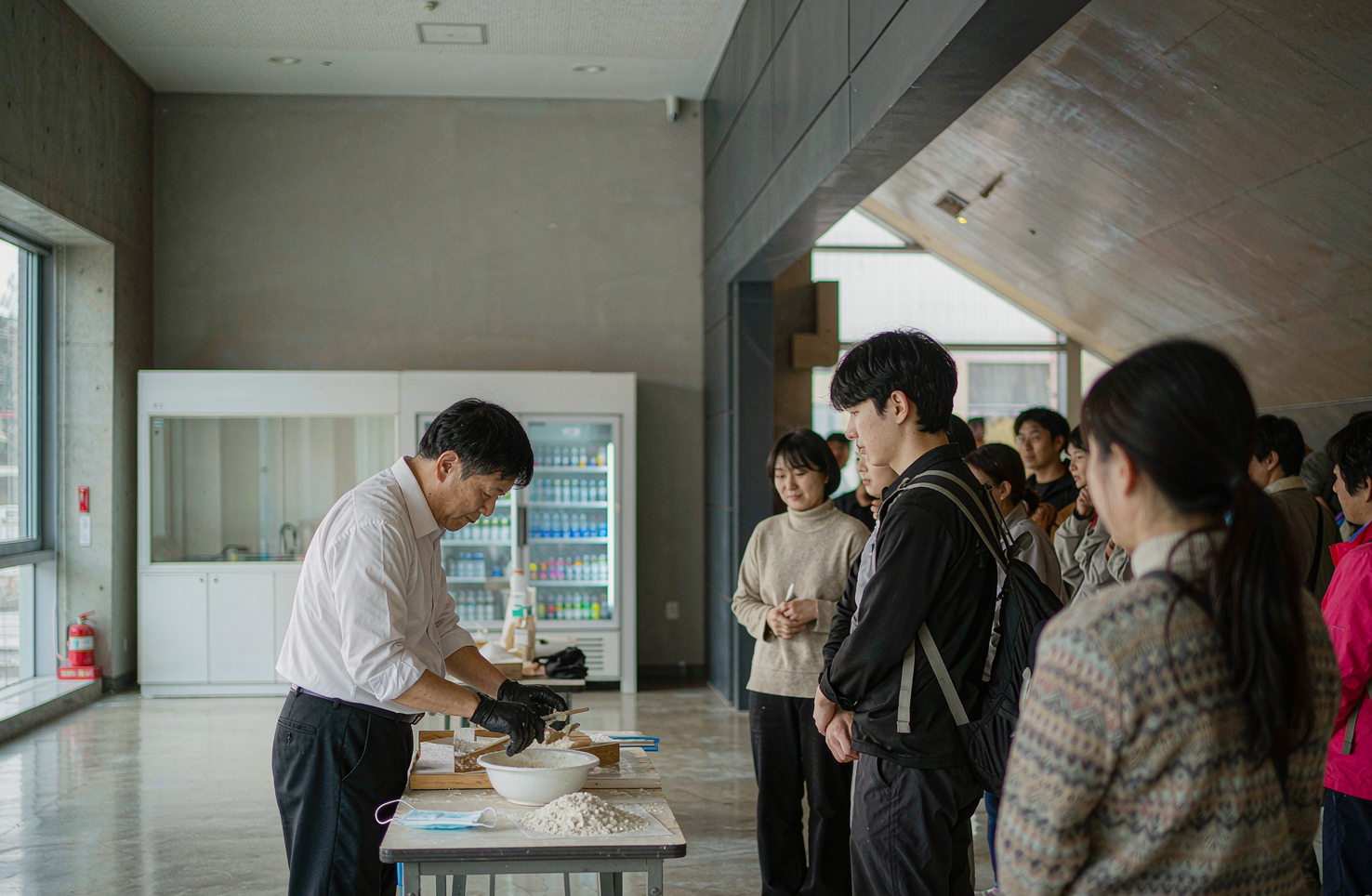
看世界怎么保护非遗,韩国常被提到,也常被简单化。它有一套自己的名词——"文化财""无形文化财""保有者"。关键在于,这套名词背后不只是一份名单,而是一整套"怎么把手艺交下去"的制度。
韵和鸣 · 2026/10/9 · 56 阅读

穆拉诺与博山:隔着七千公里的两座炉火之城
穆拉诺因作坊迁聚形成玻璃产业,博山则依托当地矿石与供料、匠人传统发展琉璃。文章比较两地产业聚集和原产地表达的路径,说明传承既需要师傅与学徒的密度,也需要把制作地点、来源和标准讲清楚。
韵和鸣 · 2026/10/12 · 52 阅读

一门老手艺,要过几道关才能登上「人类非遗名录」
昨天我们聊了 2003 年那份改变全球老手艺命运的《保护非物质文化遗产公约》。今天接着往下问:公约建立了名录,那一门手艺要经历什么,才能把自己的名字写上去?
韵和鸣 · 2026/10/3 · 51 阅读

"非遗"这个词,各国怎么叫、怎么理解
中文非遗、日本无形文化财及法国工艺大师等称呼,对应不同的认定单位与保护重心。比较这些体系,关键不在逐字互译,而在看名录、个人与社区分别承担什么角色,以及传承如何发生。
韵和鸣 · 2026/10/24 · 50 阅读

一件平遥漆器,如何走到海外客人家中
一件平遥漆器出海,要先讲清材质、工艺与来路,再经过合规、报关、物流、海外仓和末端配送。文章结合已有政策与跨境电商安排,说明多语种说明和养护提示同样重要:物流负责抵达,清楚的信息负责建立信任。
韵和鸣 · 2026/10/5 · 48 阅读