非遗出海,谁来定价、按什么定
韵和鸣 · 韵和鸣公众号 · 2026/11/1 12:00:00 · 1 阅读
一件手工器物在国内的价,和它在海外货架上的价,往往差着好几档。这个差不是谁心黑,是三笔账叠在了一起:手艺的钱、链条的钱、故事的钱。分不清这三笔,定价就只能靠猜——而定价的本质,是在替一门手艺回答"它值多少"。
▍一、手艺的钱:时间是硬指标
手作的成本,绝大部分压在时间上。大漆要一层层髹、每一层都要进阴干房等它干透;推光要靠手掌蘸灰反复磨;花丝的功夫先耗在拔丝这一步,一路拔到近乎发丝,再一段段掐出纹样。这些步骤省不掉,也就意味着单价的下限在那儿——低于这个下限,做的每一件都在赔。
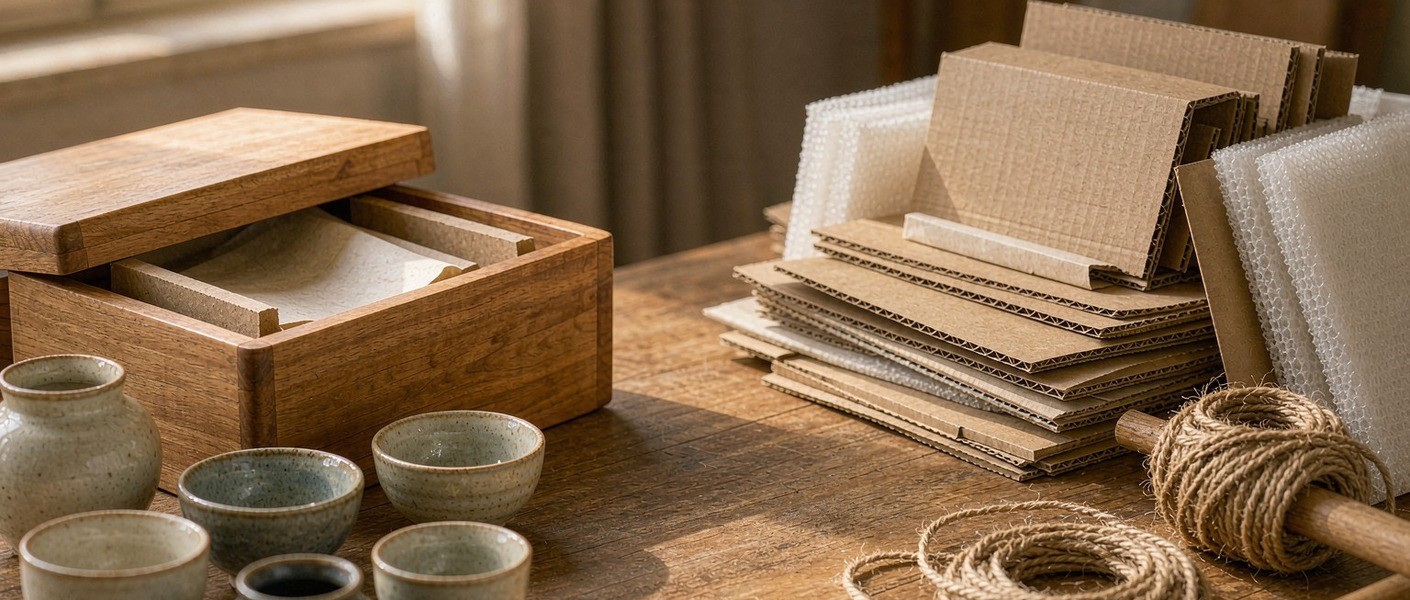
装箱待发的器物,木箱与捆扎是跨洋的头一道保护
▍二、链条的钱:看不见的部分最厚
第二笔是链条。跨境物流、保险、关税与目的地税、平台的佣金与结算费、退货与售后准备金——这些加起来,常常比器物的制作成本更高。易碎、异形、每一件都不同的手工器物,包装与破损率上的花费尤其高。
合规也是成本的一部分。材质说明、标签要求、特定市场的认证,每一项都要时间与文件。跳过这些,货走得快,出事也快。《关于推动历史经典产业高质量发展的意见》(工业和信息化部等六部门,工信部联消费〔2026〕204 号)把"搭建多渠道出海平台"列为部署之一,也说明这条链的每一环都被当作正式的功课。
《意见》提出,支持经典名企依托进博会、服贸会、消博会等重点展会平台开展新品发布、展示交易与传播推介。
▍三、故事的钱:可以溢价,不能替代
第三笔是叙事。海外买家买的常常不是器物本身,而是它背后的来处:谁做的、在哪做的、为什么这样做。这一部分能带来溢价,也容易被滥用——故事讲得越满,越要有可核对的东西兜底。
三笔账的正确顺序是:手艺定下限,链条定成本,故事定上限。反过来做,先讲故事再压手艺的钱,短期能卖,长期会把整条链的价值做空。
▍四、谁该握着定价权
答案倾向于:懂工序的人。定价不是市场部的一项工作,它牵动的是能不能继续做下去。压价压到最后,最先消失的不是利润,是愿意学这门手艺的年轻人。
▍问答
问 | 非遗手工品出口,为什么海外售价比国内高不少
答 | 主要来自三部分叠加:制作成本(以工时为主,工序省不掉)、跨境链条成本(物流、保险、关税、平台费用、破损与退货准备),以及目的地市场的定位与叙事溢价。手工器物件件不同、易碎且异形,包装与损耗上的花费尤其高,这部分常被低估。
问 | 想让手作卖到海外,最先要准备什么
答 | 先备三样。一是来源说明:谁做的、用了什么材料、哪些工序手工完成,这是所有后续沟通的底;二是合规文件:材质声明、标签要求与目的地的认证规定;三是运输方案:易碎与异形器物要有专属的包装与缓冲设计。三样齐了,再谈渠道与定价。
问 | 韵和鸣做非遗出海有什么不一样
答 | 差别落在两处。一处是货的来源:只收真正的非遗手工品,流水线上借用非遗元素的文创一件不碰。另一处是链的完整:选品、内容、履约由同一条跨境供应链串起来,中英双语把技艺讲清楚,器物也送得到位。出海这件事,韵和鸣起家那天就在做。
▍说在最后
定价看起来是数字问题,实际是"这门手艺值多少"的答案。答案写低了,手艺就跟着低了。
你在海外买过中国手作吗?当时打动你的是哪一点?留言说说。
📩 非遗项目 | 匠人举荐 | 跨境出海 | 线下联营
欢迎留言或后台联系,我们与匠人同行。
—— 韵和鸣 · 与匠人同行
〖 海 〗
相关搜索 | RELATED SEARCHES
非遗 出海 定价 逻辑 · 手工 器物 出口 成本 · 跨境 电商 非遗 合规 · 非遗 产品 海外 溢价 · 韵和鸣 非遗 出海
English
The Craft's Money: Time Is the Hard Measure
Most of the cost of handwork lies in time. Raw lacquer is brushed layer by layer, each layer waiting in the drying room; polishing is done by hand with ash; filigree wire is drawn thinner than a hair before being pinched into pattern. These steps cannot be skipped, which sets a floor: below it, every piece made is made at a loss.
Objects boxed and bound before shipping, crates and straps as the first protection across the sea
The Chain's Money: The Invisible Part Is Thickest
The second is the chain. Cross-border freight, insurance, customs and destination taxes, platform commissions and settlement fees, reserves for returns and after-sales: together these often exceed the cost of making the object. Fragile, irregular and one-of-a-kind pieces spend particularly heavily on packing and on breakage.
The Opinion proposes that leading classic-brand firms be supported in launching, displaying and promoting new products at major platforms such as the CIIE, CIFTIS and the Hainan expo.
Compliance belongs to this account too. Material declarations, labelling requirements and certification for particular markets each take time and paperwork. Skipping them moves goods faster and brings trouble faster.
The Story's Money: Premium Yes, Substitute No
The third is narrative. Overseas buyers often purchase not the object but what stands behind it: who made it, where, and why this way. This part supports a premium and is easily abused: the fuller the story, the more it needs something checkable underneath.
The right order is: craft sets the floor, the chain sets the cost, the story sets the ceiling. Reversed, telling the story first and squeezing the craft, goods sell briefly and hollow out the value of the whole chain in the long run.
The answer leans one way: those who understand the process. Pricing is not a marketing task, because what it moves is whether the work can continue. Squeeze the price far enough and the first thing to disappear is not profit but the young people willing to learn.
Why do exported heritage crafts sell for noticeably more abroad?
Three parts stack up: production cost, mostly labour time since steps cannot be skipped; the cross-border chain, meaning freight, insurance, duties, platform fees and reserves for breakage and returns; and positioning plus narrative premium in the destination market. Hand-made objects differ one from another and are fragile and irregular, so packing and loss run especially high and are often underestimated.
To sell handwork abroad, what should be prepared first?
Prepare three things. Provenance: who made it, of what materials, and which steps were done by hand, since everything else is built on this. Compliance: material declarations, labelling requirements and the destination's certification rules. Transport: fragile and irregular objects need packing and cushioning designed for them. With these three, speak of channels and price.
What is different about how YUNHEMING takes heritage abroad?
The difference lies in two places. One is the source of goods: only genuine hand-made heritage works are taken, and nothing mass-produced that borrows heritage motifs. The other is the wholeness of the chain: selection, content and fulfilment are strung together on one cross-border supply chain, with bilingual explanation making the craft clear and delivery made good. Taking heritage abroad is what YUNHEMING has done since the day it began.
Pricing looks like arithmetic but is really an answer to what this craft is worth. Write the answer low and the craft sinks with it.
Have you bought a Chinese hand-made piece abroad? What moved you at the time? Leave a comment.
ICH Projects · Artisan Referrals · Global Distribution · Salon Partnerships
你可能还感兴趣
中欧班列上的非遗:慢一点,但走得远
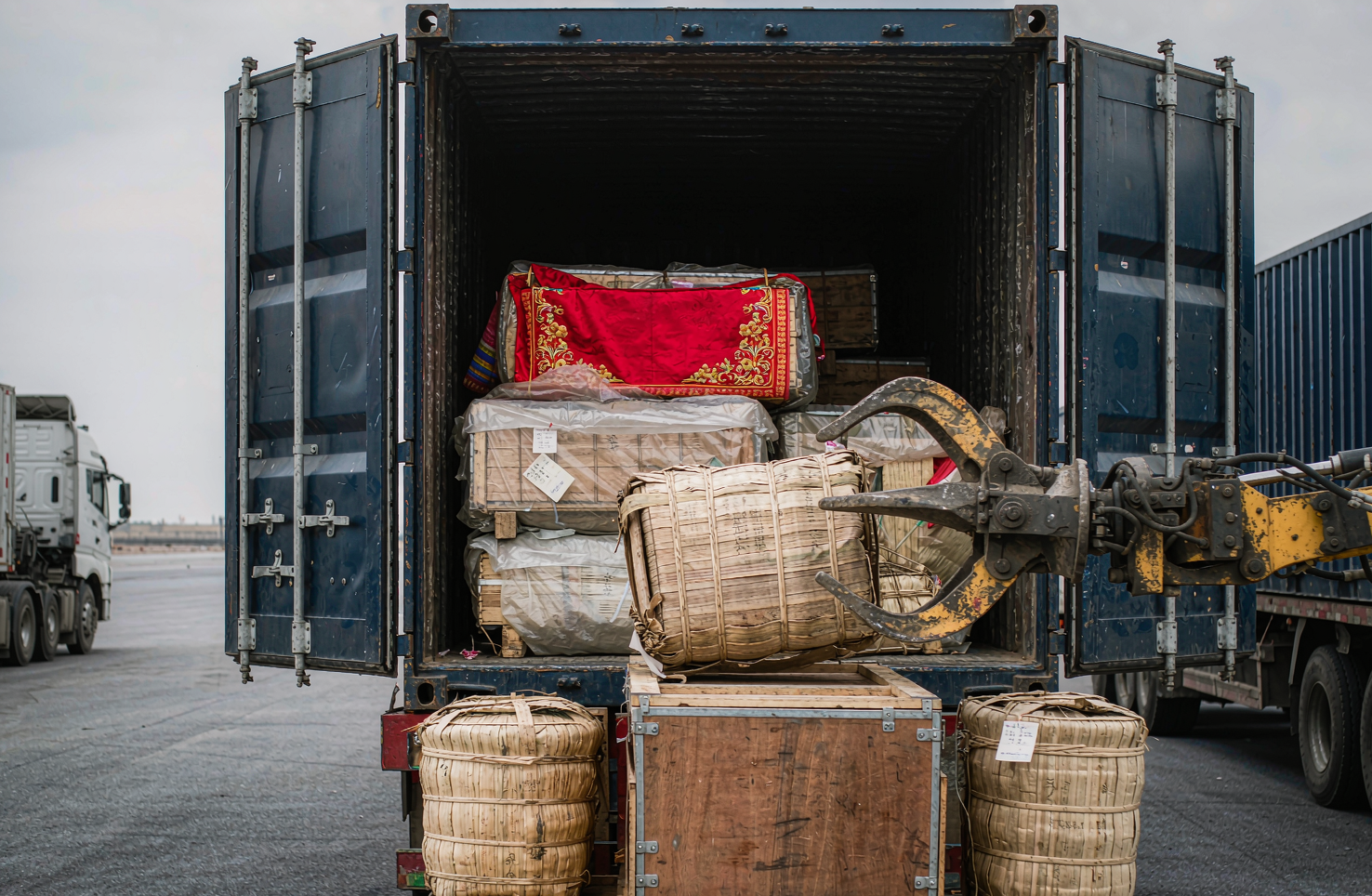
非遗器物出海要在空运、海运与中欧班列之间权衡速度、成本和稳定性。对高工时、易碎、怕潮的手作而言,包装、防护、海外仓及发货报关等环节的安排,比单纯求快更能守住器物与资金。
韵和鸣 · 2026/10/8 · 62 阅读

一件平遥漆器,如何走到海外客人家中
一件平遥漆器出海,要先讲清材质、工艺与来路,再经过合规、报关、物流、海外仓和末端配送。文章结合已有政策与跨境电商安排,说明多语种说明和养护提示同样重要:物流负责抵达,清楚的信息负责建立信任。
韵和鸣 · 2026/10/5 · 48 阅读

非遗出海,先过的不是海关是文化关
跨境的手续、物流、退税率,都有章可循;真正难的是一道没有章可循的关——文化关。一件器物漂洋过海,如果讲不清自己是什么、谁做的、怎么用,它就只是一件"东方风格的工艺品"。过没过文化关,决定了它卖的是货,还是手艺。
韵和鸣 · 2026/10/14 · 44 阅读

一份非遗产品的多语种说明书,该写什么
器物到达海外买家手里的那一刻,介绍才刚开始。中文语境里许多不必解释的事——这是什么、谁做的、怕什么——换成另一种语言,都要从头说一遍。说明书不是翻译稿,它是产品的第二次介绍。
韵和鸣 · 2026/10/20 · 43 阅读

北欧人为什么喜欢极简的东方漆器
做出海这些年,有个现象耐人寻味:描金绘彩的器物,国内客人爱得直接;反倒是几色素面的漆器,常常被北欧客人先买走。说到底,不是他们看不懂繁复,而是"少"这件事,两边想到一块儿去了。
韵和鸣 · 2026/10/11 · 34 阅读

韩国的非遗保护:从"文化财"到活态传承
看世界怎么保护非遗,韩国常被提到,也常被简单化。它有一套自己的名词——"文化财""无形文化财""保有者"。关键在于,这套名词背后不只是一份名单,而是一整套"怎么把手艺交下去"的制度。
韵和鸣 · 2026/10/9 · 56 阅读