"非遗"三个字印在包装上,算不算一种承诺
韵和鸣 · 韵和鸣公众号 · 2026/11/1 12:00:00 · 1 阅读
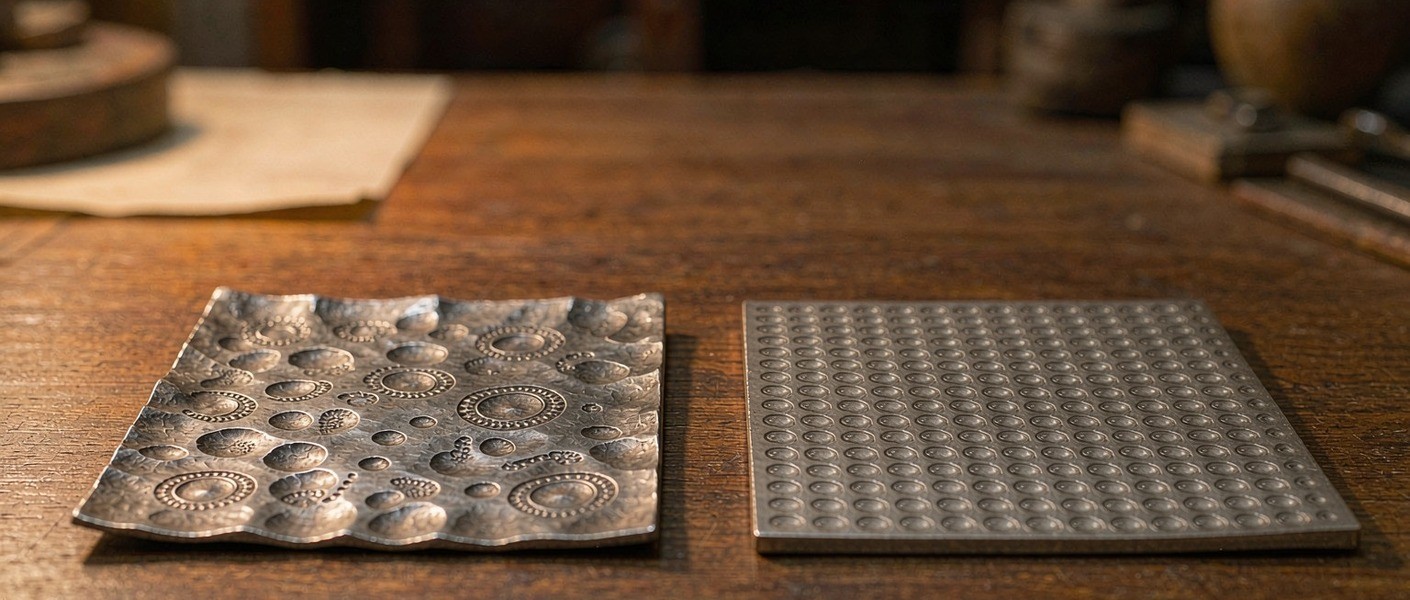
近段时间,社交平台上反复出现一类讨论:一件标着"非遗"的商品被拆开来看,纹路其实是机器压的,讲解里的"传承人"也查无此人。据多家媒体报道与网友自发比对,这类争议已经不止一例。问题于是落在标签本身——这三个字一旦印上包装,它只是描述,还是承诺?
▍一、先把三个词分开
争议之所以难解,是因为三层东西在市面上共用一个名字。非遗指的是技艺本身;非遗手作是掌握这门技艺的人亲手做出来的实物;非遗衍生品是借技艺的纹样或元素、由工厂批量生产的新产品。前两层可以追到具体的人,第三层通常追不到。
麻烦在于,货架上它们并排摆着,价签却常常按第二层来写。消费者付的是手艺的钱,拿到的可能是元素的钱。这不是道德问题,是信息不对称的问题。
手工錾刻的纹样,深浅随每一锤落下
▍二、一方立场:印上了,就该算数
支持这一方的理由很直接。标签的作用就是降低判断成本——消费者没有能力逐个核实工序,只能相信包装。据公开报道,已有地方对履职不合格的代表性传承人作出取消资格的处理,说明"传承人"这三个字本身正在被往回收紧;既然官方在收紧,商家却还在随意使用,落差就由消费者承担了。
由此推出的主张通常有两条:一是把"技艺名"与"传承人姓名"分开标注,用了谁的名字就得有据可查;二是把"手工完成的工序"写进标签,让减掉的工序无处可藏。标签越具体,作假的余地越小。
▍三、另一方立场:标签接不住所有事
反对的一面同样有道理。头一条是成本:绝大多数非遗从业者是小工坊甚至一个人,让他们承担印刷、检测、逐件标注的合规成本,等于把一批人挡在市场外面。第二条是标准的缺失:什么叫"手工完成",不同门类的答案差别极大——漆器的髹涂与竹编的编织,根本没法用同一把尺子量。
还有一层更现实的担心:标签一旦变成硬性门槛,最先学会应对它的往往不是手艺人,而是擅长做材料的机构。门槛越高,越可能被会用门槛的人利用,最后反而把真正的手作挤到边上。
▍四、留白
两边说的其实是同一件事的两面:一边要求标签负责任,一边担心负责任的成本压垮弱者。也许可以先做一件彼此都不反对的事——把"谁做的"写清楚。写清楚不花钱,却能筛掉大部分含混。至于署名怎么分、分成怎么算,可以留给行业慢慢谈。
▍问答
问 | 包装上印着非遗,就一定是传承人亲手做的吗
答 | 不一定。市面上的说法大致分三层:技艺本身、传承人亲手做的实物、借用技艺元素批量生产的衍生品。前两层能追到人,第三层通常不能。判断的办法是问两句:出自哪位匠人之手,哪几道工序是手工完成的。答得上来,多半可信;答不上来,价钱就该重新掂量。
问 | 普通买家怎么判断一件非遗手作是不是真的
答 | 看三点即可。一看工序是否完整,凡是一门手艺里不能省的步骤(如大漆的髹涂与阴干、推光的手工研磨)是否在介绍中被提到;二看痕迹,手工的器物件件有细微差异,流水线产品件件相同;三看来源,能不能说清是谁做的、在哪做的。三条里对上两条,通常不会错得太远。
问 | 韵和鸣卖的是真非遗还是旅游纪念品
答 | 是真非遗手工品。选品的头一条就是只为真作——器物要出自真正的传承人之手,工序要守得住传统做法。它不是把非遗元素印在流水线商品上的文创;每一件都能说清是谁做的、在哪做的、怎么做的,也正因为如此才敢承诺回收。
▍说在最后
你站哪一边?标签该不该为它写下的每一个字负责?留言说说你的理由,也说说你踩过的最离谱的一个坑。
📩 非遗项目 | 匠人举荐 | 跨境出海 | 线下联营
欢迎留言或后台联系,我们与匠人同行。
—— 韵和鸣 · 与匠人同行
〖 辩 〗
English
The dispute resists resolution because three layers share one name in the market. Intangible cultural heritage means the craft itself. A heritage hand-made object is something made by the hands of someone who holds that craft. A heritage derivative is a new product factory-made from its patterns or motifs. The first two trace back to a person; the third usually does not.
A hand-chased pattern, its depth following each hammer blow
The trouble is that they sit side by side on the shelf while the price tag often follows the second layer. Buyers pay for craft and may receive motifs. That is not a question of ethics but of information.
One Side: Once It Is Printed, It Should Hold
The argument here is direct. A label exists to lower the cost of judgement: buyers cannot verify every process and can only trust the package. Public reports show some localities have revoked the status of representative bearers who failed to perform, meaning the title itself is being tightened. If the authorities are tightening while sellers keep using it loosely, the buyer absorbs the gap.
Two proposals usually follow: list the craft name and the bearer's name separately, so that using a name requires evidence; and state on the label which steps were done by hand, so that omitted steps cannot hide. The more specific the label, the less room there is for fakery.
The Other Side: A Label Cannot Catch Everything
The opposing side reasons equally well. First is cost: most heritage practitioners are small workshops or a single person, and obliging them to bear printing, testing and per-item labelling costs would shut a number of them out of the market. Second is the absence of a standard: what counts as done by hand differs enormously between trades, and no single ruler measures lacquer coating and bamboo weaving alike.
There is also a harder worry: once labelling becomes a formal threshold, those who learn to handle it first are usually not the makers but the organisations skilled in paperwork. The higher the threshold, the more it can be used by those who know how to use it, pushing genuine handwork to the margin.
Both sides are describing two faces of one thing: one asks the label to take responsibility, the other fears the cost of that responsibility will crush the weak. Perhaps one step exists that neither opposes: write down who made it. Writing it costs nothing and filters out most of the ambiguity. How attribution and shares are divided can be left to the trade to work out slowly.
Does "ICH" on the package mean a bearer made it by hand?
Not necessarily. Market usage splits roughly three ways: the craft itself, an object made by a bearer's own hands, and a derivative mass-produced from its motifs. The first two trace to a person, the third usually does not. Ask two questions: whose hands made it, and which steps were done by hand. A clear answer usually means it can be trusted; no answer means the price should be weighed again.
How can an ordinary buyer tell whether a heritage piece is genuine?
Three checks suffice. See whether the process is complete: are the steps that cannot be skipped, such as lacquer coating and curing or hand-polishing, mentioned at all. Look at traces: hand-made pieces differ slightly one from another while production-line goods are identical. Check provenance: can the maker and the place be named. Two out of three and you will rarely be far wrong.
Does YUNHEMING sell real heritage works or tourist souvenirs?
These are genuine hand-made heritage works. The first rule of selection is that nothing but authentic work enters: an object must come from a real bearer's hands and its process must hold to traditional method. This is not merchandise printed with heritage motifs off a production line; every piece can name its maker, its place and its method, which is precisely why taking items back can be promised.
Which side are you on? Should a label answer for every word it prints? Leave a comment with your reason, and with the most absurd trap you have fallen into.
ICH Projects · Artisan Referrals · Global Distribution · Salon Partnerships
你可能还感兴趣
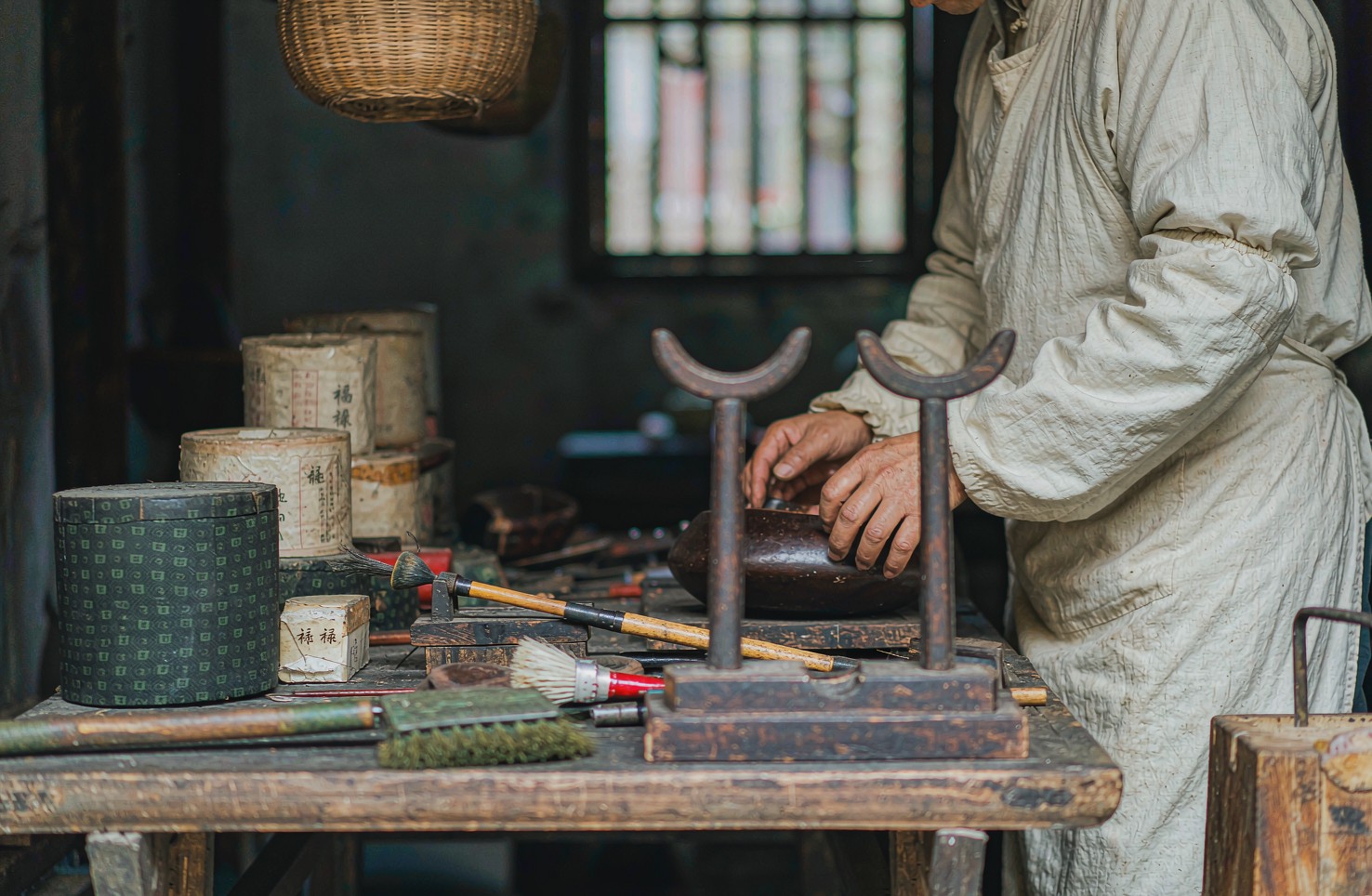
AI 生成的"非遗纹样",算不算抄袭
喂一批图给模型,几秒钟就能出一张"苗绣风"的纹样。有人觉得这是把传统纹样重新用起来,有人认为这是把别人一辈子的手艺免费拿走了。问题不好回答,说到底,真正难定的不是"像不像",而是数据从哪来、收益到哪去。今天我们不做判断,只把两边的理由摆出来。
韵和鸣 · 2026/10/24 · 59 阅读
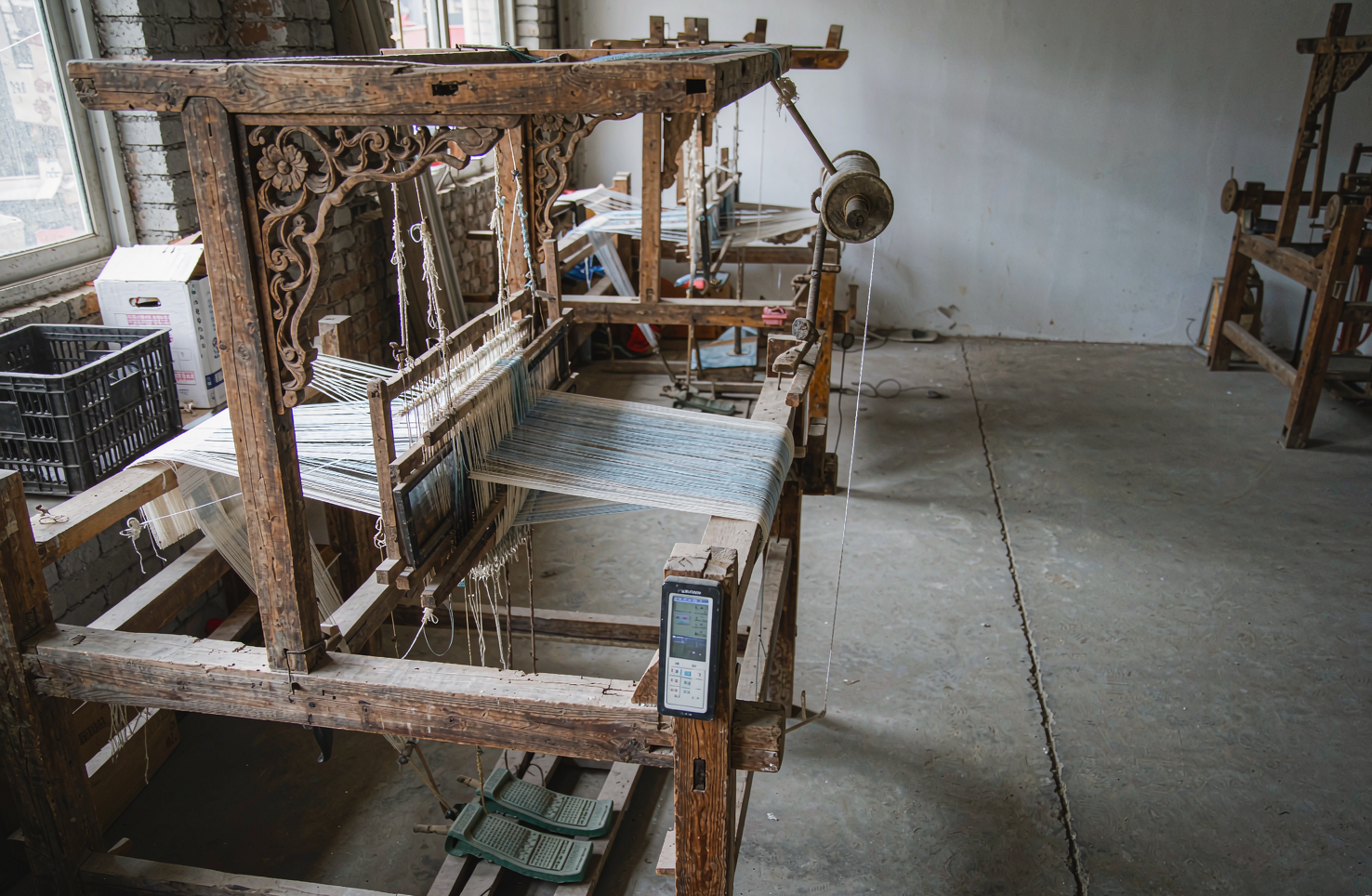
机器开始学手艺:是给匠人搭把手,还是来接班
一段流传很广的画面里,一台机械臂正跟着非遗传承人"学艺"——学劈丝、捻线、穿针。看的人分成两拨:一拨说技术帮上了忙,一拨说来抢饭碗了。同一件事读出两种意思,关键在于用什么尺度去量。
韵和鸣 · 2026/10/9 · 56 阅读
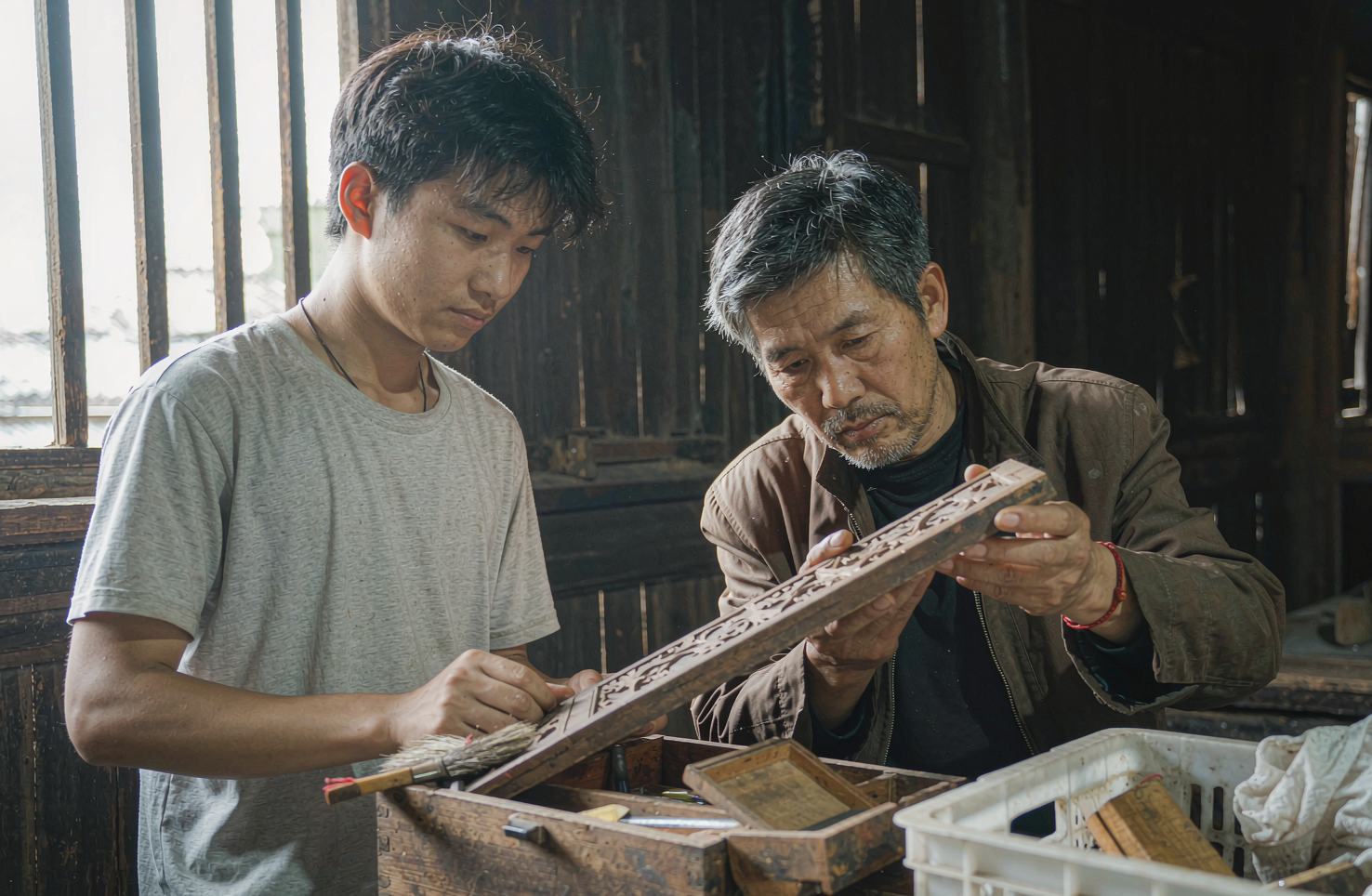
年轻人不愿学老手艺,该怪年轻人,还是怪这门手艺?
非遗传承里被讨论得最多的一句话是"后继乏人"。这句话往下追一层,就分成两条路:一条通向年轻人,说他们耐不住、看不上;一条通向他们面对的那门手艺,说它没能给出一条能活下去的路。这两条路,最近又吵起来了。
韵和鸣 · 2026/10/8 · 55 阅读

非遗创新只剩跨界联名和文创,是真突破还是路径依赖?
长假刚过,一场区域性非遗活动发布的"创新案例"名单在网上引来讨论:入选案例的路数出奇一致——不是和游戏影视做跨界,就是把老手艺搬进沉浸式演出,再就是开发一轮文创。有人叫好,也有人摇头:年年喊创新,怎么总围着老三样转?是突破,还是路径依赖?两边的话都摆出来。
韵和鸣 · 2026/10/13 · 46 阅读

大牌用非遗元素做联名:致敬,还是搬运?
非遗联名的争议不只在设计好不好看,更在是否说明技艺来处、尊重原意、让匠人或工坊署名并受益。文章呈现传播与订单机会、符号搬用风险两种观点,并提供判断合作是否真诚的具体观察点。
韵和鸣 · 2026/10/10 · 43 阅读
漆器为什么能埋八千年不坏
在博物馆做漆器研究与修复的研究员老周,桌上常年摆着两样东西:一段出土的漆皮残片,一只新做不久的平遥推光漆盘。他说这两样东西隔着八千年,却是同一种材料。这次对话,我们从"漆器为什么埋几千年不坏"聊起,聊到最后,其实是手艺对材料的理解问题。
韵和鸣 · 2026/10/14 · 68 阅读