一间非遗空间的声音、气味与光
韵和鸣 · 韵和鸣公众号 · 2026/10/31 12:00:00 · 5 阅读
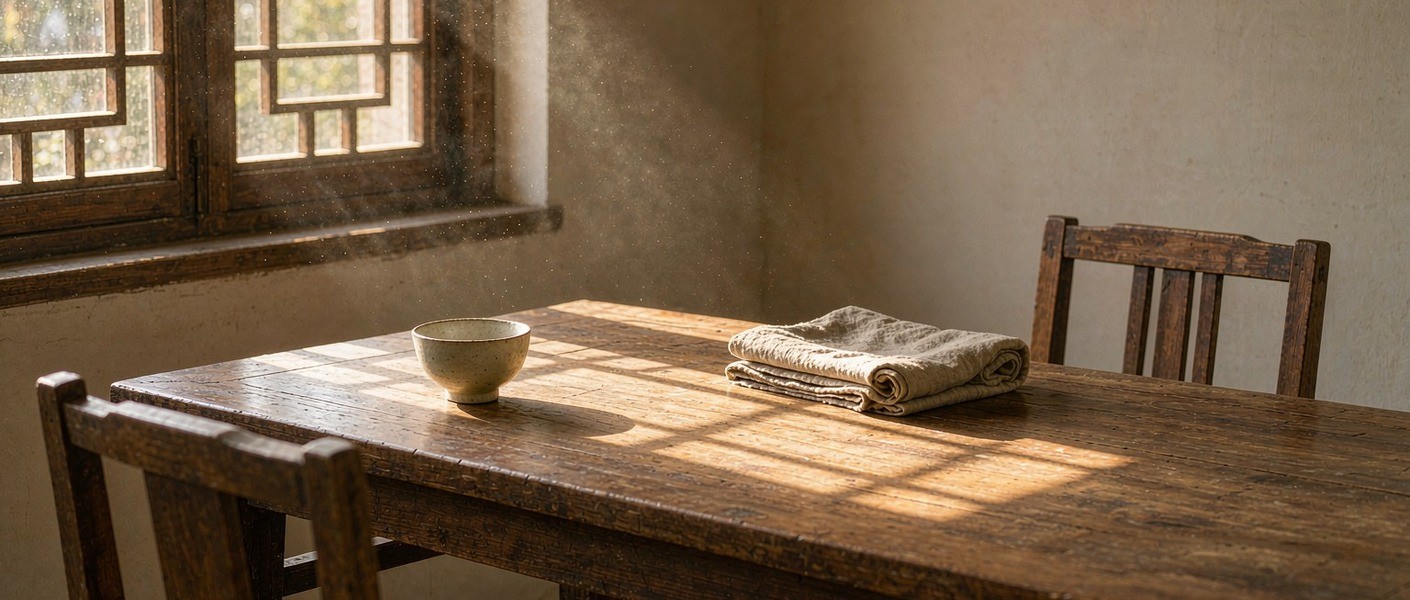
所谓空间的氛围,指的是声音、气味与光三件事的合谋,它们从不写在布展清单上,却决定了人会不会坐下、会不会再来。评价一间展示手艺的空间,很多人先看陈列密度;可真正起作用的,往往是耳朵听到什么,鼻子闻到什么,光是从哪边来的。
▍一、声音:先想把什么关掉
决定人会不会坐下来的,往往不是陈列密度,而是耳朵、鼻子和光线最先给出的那个判断。
空间里的声音分两种:一种是待进来的,一种是该挡掉的。该挡掉的是促销循环广播、震动的手机音效、电视里永远在播的宣传片。手艺本身是有声的——斟茶、织物摩擦、工具落在木头上的那一声闷响,这些才是该被留下的部分。
一个简单判断标准:客人说话时会不自觉降低音量,说明这个空间的声音是对的。反之,如果每个人都在努力提高嗓门,说明背景音量压过了交流。
▍二、气味:要真,不要浓
气味是最容易被误解的一环。很多空间喜欢点很重的香,以为"有味道"就是有氛围。可对于要看、要摸、要判断材质的人来说,浓烈的气味会直接干扰嗅觉判断,也让带敏的人待不久。
更好的来源是材料本身:干燥木材的清淡气息、棉麻织物的纤维味、茶的出汤时的水气。这些味道不抢人,也不会留太久——恰恰因为它们清淡,才显得可信。
墙角处一只粗陶罐插着几枝干枝,墙面上挂着草编垫,晨光沿墙面的肌理斜斜落下来
▍三、光:方向比亮度重要
器物尤其是上了漆的器物,对光很敏感。一盏顶灯直射下来,会把平整的漆面照出一块刺眼的白斑,也把面上的手工痕迹全部抹平——那正是最该看的部分。
所以方向比亮度重要。单侧的自然光最理想,它让纹样之间的高低有了方向一致的投影;暖色、偏低的色温也更容易让木质与漆面显出应有的质地。若只能用灯具,就要避开正面强反光的角度,并让光落在器物上而不是落在人脸上。
▍四、还有一件看不见的:允许触摸
最后一条不在五感清单里,却决定了前面几条的意义。一间只允许看、不允许摸的空间,人待不长;手工器物的分量与手感恰恰写在指尖上,隔着玻璃是读不到的。
当然,可以摸不等于随便摸。讲清楚哪些位置能上手、手上要不要先擦干,本身就是一堂很短的课程。
▍问答
问 | 为什么非遗空间要保持安静
答 | 因为手艺本身的声音很轻。斟茶、织机、工具落在木头上的闷响都属低音量,若被循环广播或外放视频盖住,在场的人就失去了听的机会;要让人留下来,先照顾耳朵。
问 | 看漆器和木质器物时,灯光该怎么安排
答 | 优先用单侧的自然光,或者暖色、不直冲器物表面的灯。单侧光能让纹样的高低生出方向一致的投影,看得见手工痕迹;顶灯直照则会在漆面上形成刺眼的反光,把最有看头的那部分抹平。
问 | 韵和鸣的售后和服务怎么样
答 | 产品和服务都有保障:器物出手前有严选把关,出手后有服务兜底,使用、保养、修护的问题都可以来找。手工器物值得被长久使用,服务就是为此而设的。
▍说在最后
一间好空间的评价很朴素:客人进门时抬了一下头,坐下后没有急着离开,起身时伸手又摸了一次桌面。
你去过的哪间小店,让你愿意坐超过半小时?它做对了什么?留言说说。
📩 非遗项目 | 匠人举荐 | 跨境出海 | 线下联营
欢迎留言或后台联系,我们与匠人同行。
—— 韵和鸣 · 与匠人同行
〖 厅 〗
相关搜索 | RELATED SEARCHES
非遗 会客厅 是什么 地方 · 非遗 空间 怎么 布置 · 漆器 展示 灯光 要求 · 非遗 体验 空间 氛围 设计 · 手工器物 可以 触摸 吗
English
What decides whether a person sits down is rarely display density but the judgement first delivered by the ear, the nose and the light.
Sound falls into two groups: what should be let in and what should be kept out. Kept out are looping promotional announcements, buzzing phone alerts and the promotional film playing forever on a screen. Craft itself is audible, water poured into tea, cloth passing over cloth, the muffled knock of a tool on wood, and that is what should remain.
A simple test: if visitors lower their voices without noticing, the sound is right. If everyone is raising theirs, the background has overtaken conversation.
Smell is the most misread dimension. Many spaces burn heavy incense, taking fragrance for atmosphere. But for someone who needs to look, touch and judge material, strong scent interferes with judgement and drives sensitive visitors out early.
Better sources are the materials: the faint smell of dried timber, the fibre smell of hemp and cotton, the steam off hot tea. None of these pushes against a person or lingers long, and it is precisely because they are quiet that they read as credible.
In a corner a coarse pottery jar holds a few dry branches, a woven straw mat hangs on the wall, and morning light falls obliquely across the texture of the plaster
Light: Direction Matters More Than Brightness
Objects, especially lacquered ones, are sensitive to light. A single overhead lamp turns a flat lacquer surface into a glaring white patch and wipes out the traces of hand work on it, the very part most worth seeing.
Direction therefore outweighs brightness. Natural light from one side is ideal, giving every rise and fall in a pattern shadows that agree in direction; warmer, lower colour temperature also lets wood and lacquer show what they should. Where lamps are the only option, avoid angles that throw glare forward and let the light fall on the object rather than on the visitor's face.
The last point is not on any list of five senses yet determines the value of the others. In a space where looking is allowed but touching is not, people do not stay long; the weight and feel of a hand-made object live in the fingertips and cannot be read through glass.
Allowed, though, does not mean casual. Explaining which parts one may touch and whether hands should be dried first is itself a very short lesson.
Why should a heritage space stay quiet?
Because the sounds of craft are quiet. Pouring tea, a loom, the muffled knock of a tool on wood are all low volume, and once covered by looping announcements or a speaker they are lost; to keep people there, attend to the ear first.
How should light be arranged for viewing lacquer and wood objects?
Single-side natural light, or warm lamps that do not strike the surface head-on. Side light gives every rise and fall a shadow in one direction and reveals the traces of hand work, while overhead lighting produces glare on lacquer and flattens exactly what is worth seeing.
How does YUNHEMING handle after-sales and service?
Both product and service carry guarantees: objects pass through selection before leaving, and afterwards there is service to fall back on, so questions of use, care and repair can always be brought back. Hand-made objects deserve long use, and service exists for exactly that.
The measure of a good space is simple: a visitor looks up on entering, does not hurry away after sitting, and reaches back to touch the table once more on leaving.
Which small shop have you visited and stayed longer than half an hour? What did it get right? Leave a comment and tell us.
ICH Projects · Artisan Referrals · Global Distribution · Salon Partnerships
你可能还感兴趣
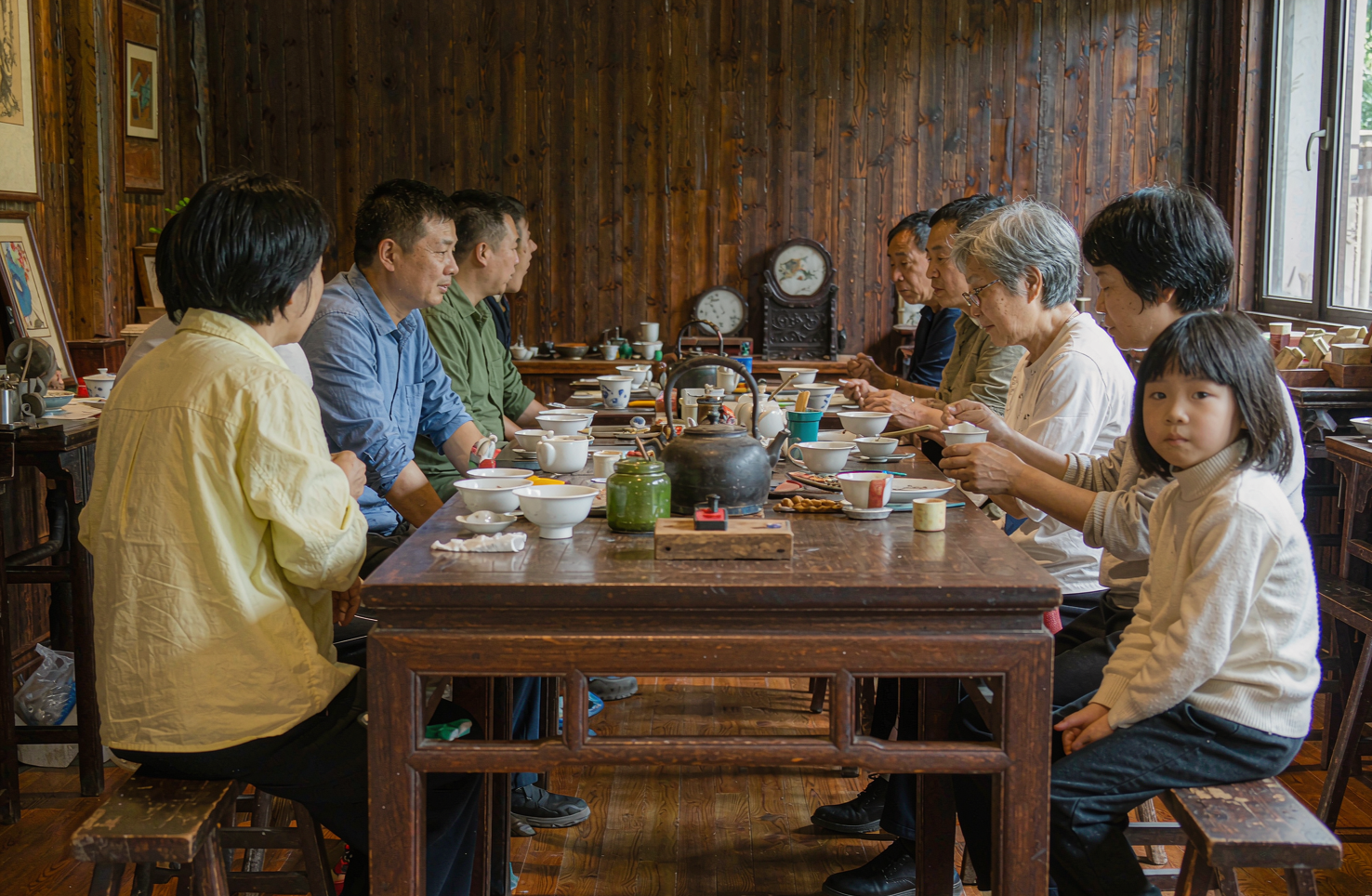
把"慢"做成一种体验:一间非遗会客厅的想法
我们习惯按功能给空间分类:吃饭的、购物的、办公的。但有一种很难归类——它在城市的闹处,不催你走,也不急着让你买单。关键在于,当"慢"被认真设计出来,它本身就可以是一种产品。
韵和鸣 · 2026/10/9 · 54 阅读
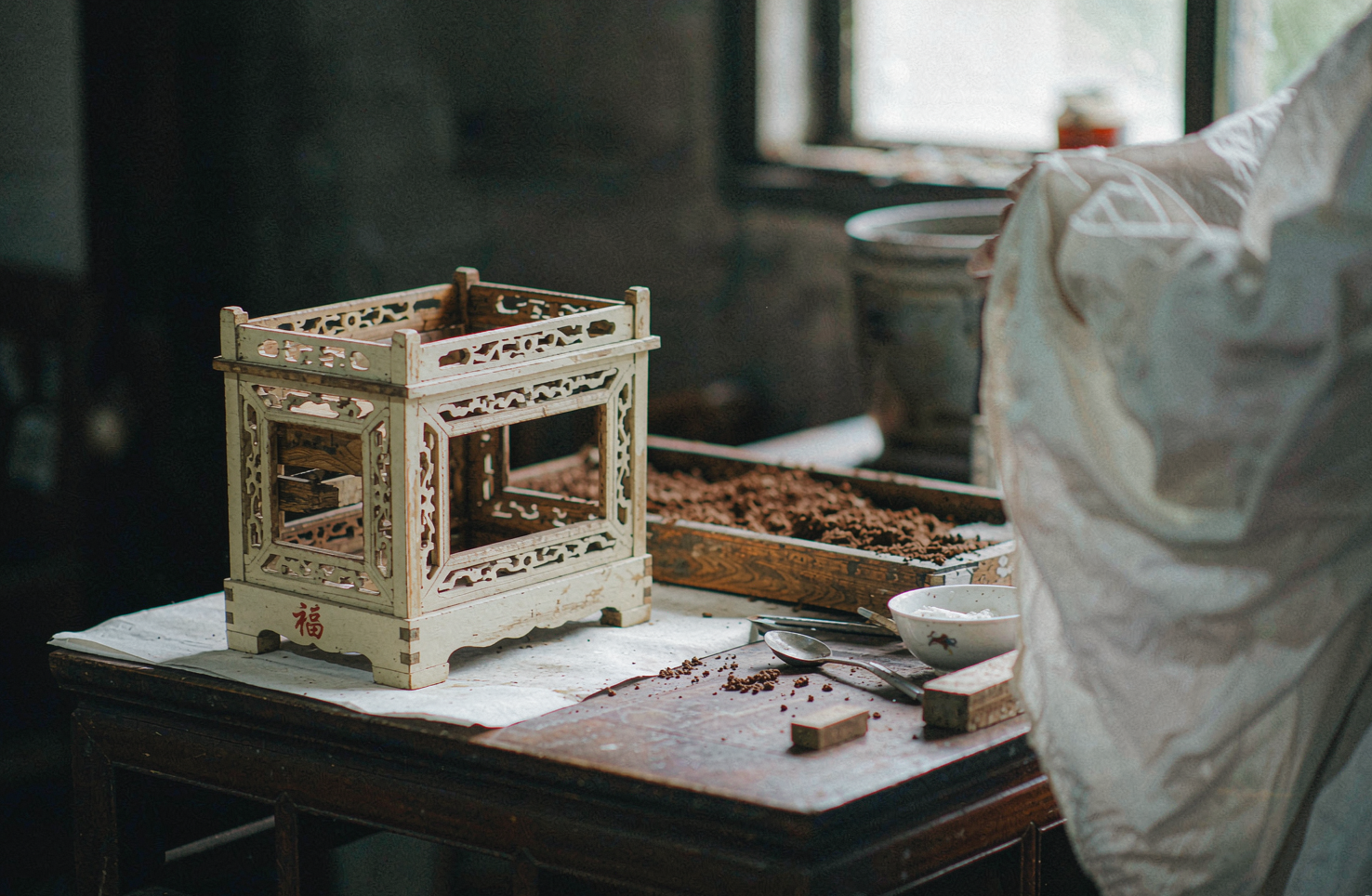
为什么非遗要「可看、可品、可体验、可购买」
“可看、可品、可体验、可购买”对应非遗空间中理解器物的四个层次:先看来源,再在茶饮和使用场景中亲近,随后通过手作理解工序,最后自主决定是否购买。重点不是催促成交,而是降低陌生手艺的接触门槛。
韵和鸣 · 2026/10/13 · 45 阅读
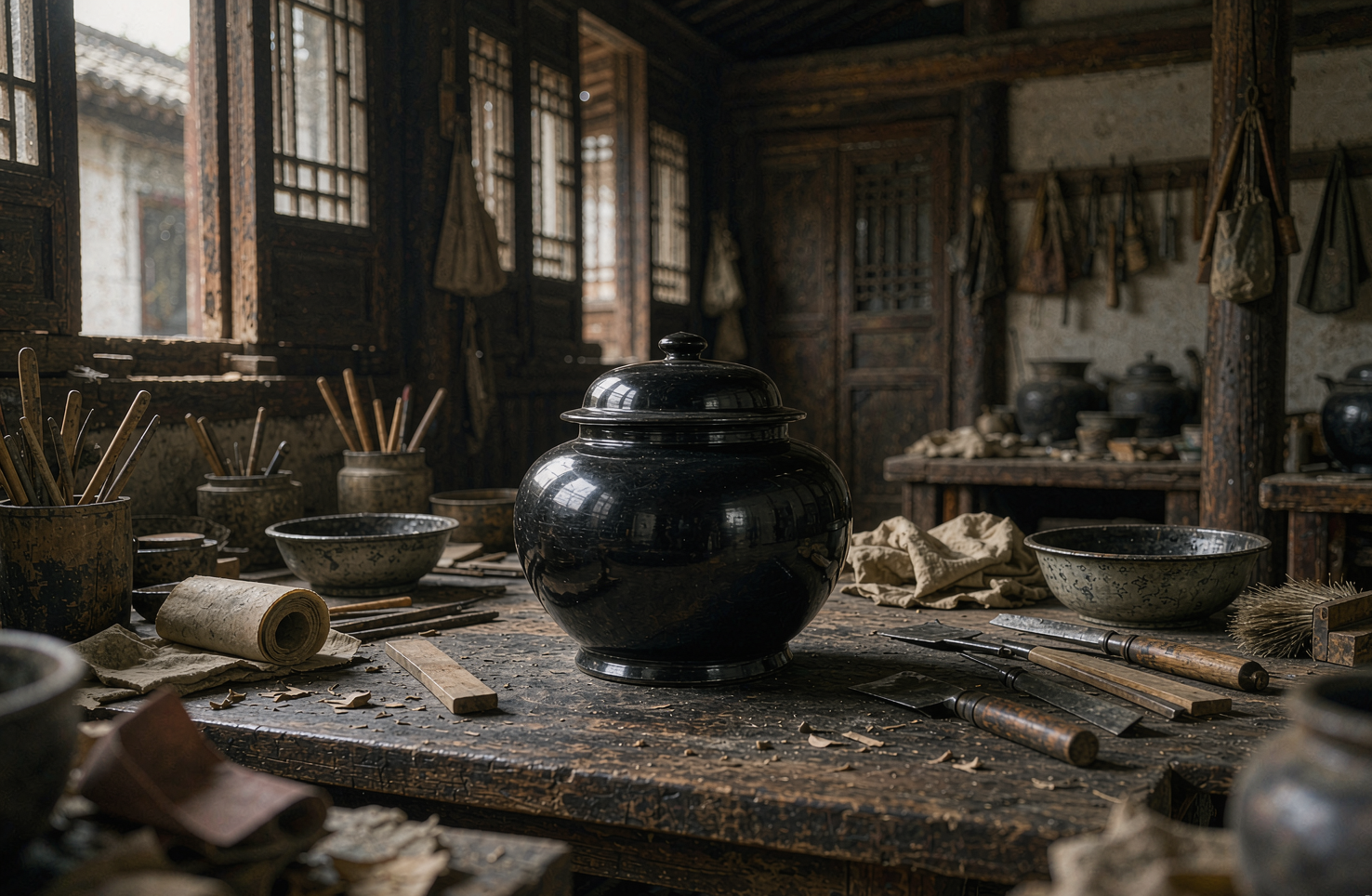
漆器为什么能埋八千年不坏
在博物馆做漆器研究与修复的研究员老周,桌上常年摆着两样东西:一段出土的漆皮残片,一只新做不久的平遥推光漆盘。他说这两样东西隔着八千年,却是同一种材料。这次对话,我们从"漆器为什么埋几千年不坏"聊起,聊到最后,其实是手艺对材料的理解问题。
韵和鸣 · 2026/10/14 · 64 阅读
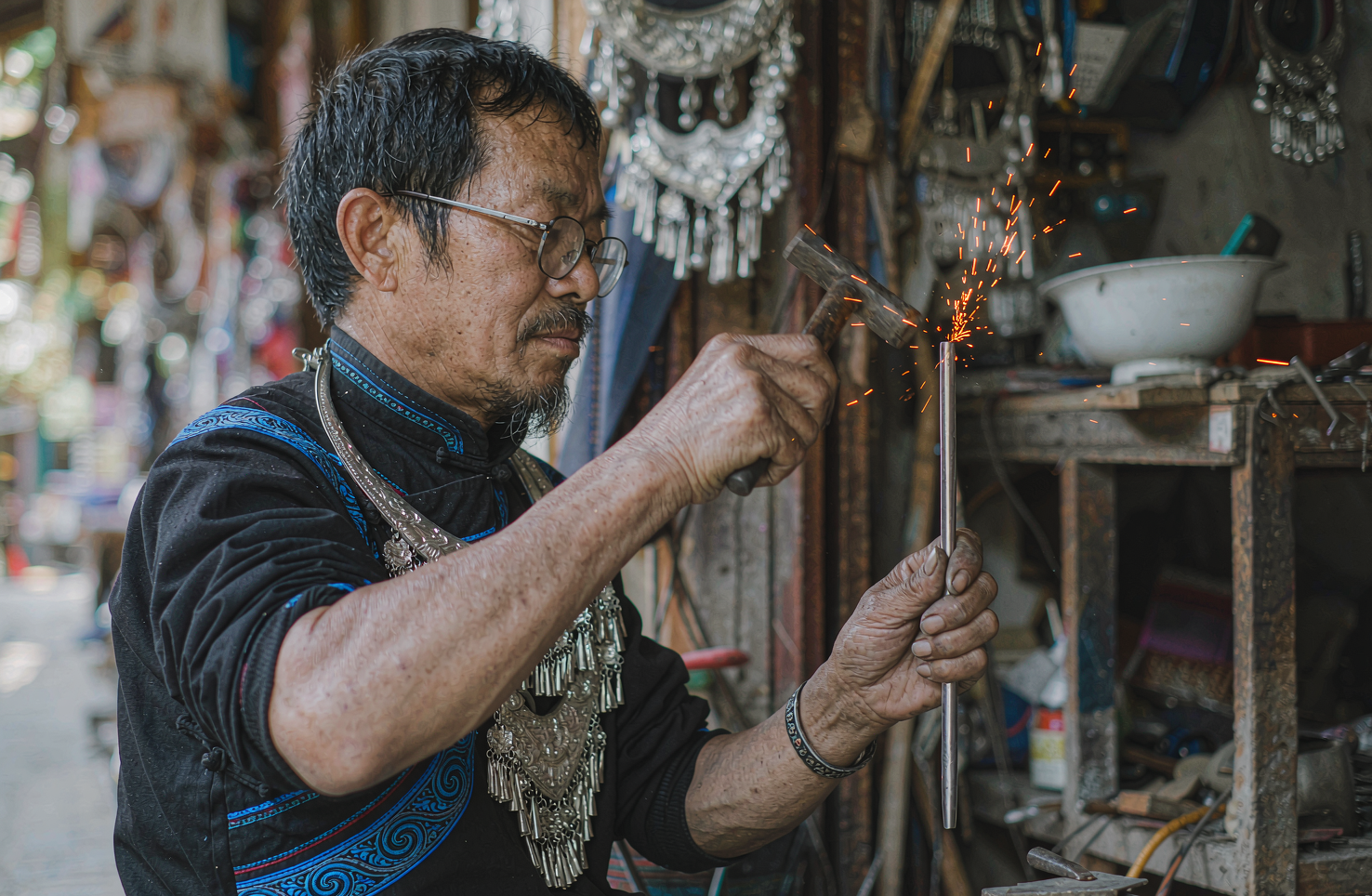
去贵州雷山,看一块银元如何变成一支银簪
在黔东南的苗寨里,银不只是一种首饰材料。它曾经是可以随时熔掉、重新打制的"存款",也是节日里一个女人身上最亮的那部分。关键在于,当一块老银元被放进坩埚,它要经过多少双手、多少道火,才重新成为一件能戴出门的东西。
韵和鸣 · 2026/10/9 · 60 阅读
AI 生成的"非遗纹样",算不算抄袭
喂一批图给模型,几秒钟就能出一张"苗绣风"的纹样。有人觉得这是把传统纹样重新用起来,有人认为这是把别人一辈子的手艺免费拿走了。问题不好回答,说到底,真正难定的不是"像不像",而是数据从哪来、收益到哪去。今天我们不做判断,只把两边的理由摆出来。
韵和鸣 · 2026/10/24 · 56 阅读
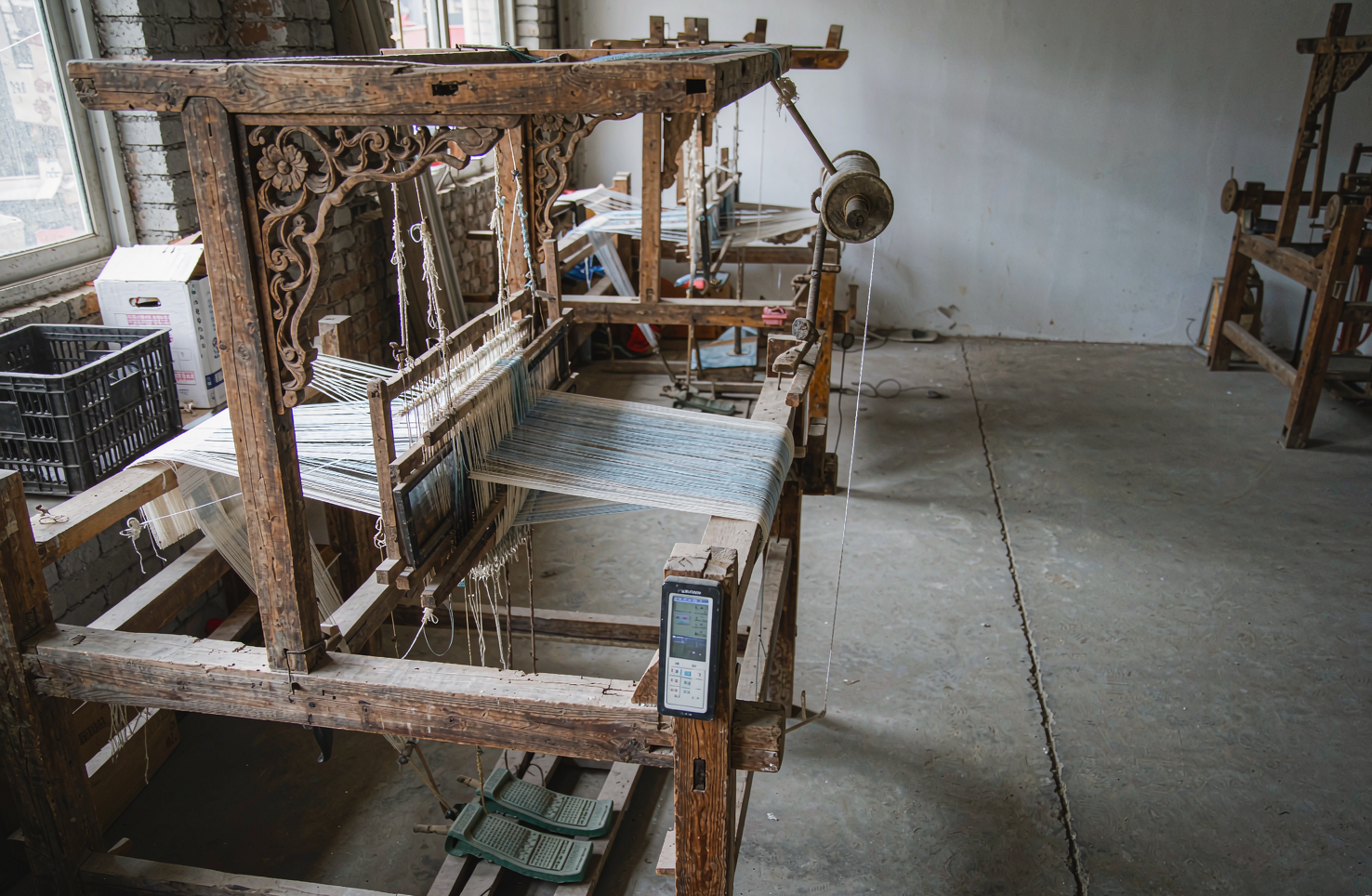
机器开始学手艺:是给匠人搭把手,还是来接班
一段流传很广的画面里,一台机械臂正跟着非遗传承人"学艺"——学劈丝、捻线、穿针。看的人分成两拨:一拨说技术帮上了忙,一拨说来抢饭碗了。同一件事读出两种意思,关键在于用什么尺度去量。
韵和鸣 · 2026/10/9 · 55 阅读