非遗村落的年轻人,回来了没有
韵和鸣 · 韵和鸣公众号 · 2026/10/31 12:00:00 · 8 阅读

"回来了没有"这个问题太潦草,它把一件复杂的事压成了一个"是"或"否"。据山西省人民政府官网 2026 年 10 月 27 日刊发的报道《夯实人才根基 创新活态传承》,山西省文旅厅与山西大学共建的山西非遗研究院正在做的一件事,是把田野一线的真实难题变成课题,再把研究转化成保护政策与产业路径。若顺着这个思路走一遍,会发现真正在发生的不是"回来"或"没回来",而是三批处境完全不同的年轻人。
▍一、留下来的三种年轻人
头一批是从没离开过的。他们大多进了家里的作坊,学的是父辈手中那一整套动作。据上述报道引述的说法,省级代表性传承人中有不少人就是在家门口跟着长辈学出来的。
第二批是回来了但不在本行的。他们住在村里,干的是电商、拍摄、接待,手艺活做得不多,却把手艺和外面连了起来。山西省文旅厅 2026 年 10 月 27 日《匠心守护续文脉》一文提到五台山一带的情形:一批年轻人返乡学艺,有的拜师学习彩塑,有的用短视频记录老艺人的日常,把身处深山的匠人故事搬到线上。
第三批少一些,也更难形容:他们既不长期住村,也不算离开,一季回一趟、一批活赶一趟。手艺在这些人身上是半职业的,订单来了就回来。
长案上一双沾着线的手正在分拣丝线,身后墙边的木架摆着半成品与旧工具
▍二、卡住的从来不只是爱好
走访下来,"不想学"其实是最少见的原因。真正卡人的通常是三件事。
头一件是订单不稳。手艺学徒期长,在没有稳定收入的那几年,家庭会先扛不住。据前述省政府官网报道中引述山西省文旅厅非遗处负责人的说法,智库平台正是为了把这些一线难题变成研究题目。第二件是同行太少:一个村里若只剩一位师傅在教,学徒没有可以讨论的同龄人,手艺就容易变成单向的重复。
第三件更隐蔽,是"只会做、不会说"。省级代表性传承人尹艾风在上述报道里的一段自述很实在:以前只会埋头刺绣,不懂品牌、版权和市场;学习期间,专家手把手教文创设计、新媒体传播,还帮着把技艺背后的民俗故事整理出来,开发系列刺绣文创后订单多了,也有年轻人愿意跟着学。同一篇报道还提到,山西大学获批设立非物质文化遗产学交叉学科博士点,用于填补非遗高端人才培养方面的学科空白。
▍三、被"扶"起来的那一批
除了院所这一侧,也有一条直接对着年轻人的扶持线。据山西经济日报报道(省文旅厅信息来源,2026 年 10 月 23 日),省级非遗代表性项目泽州铁货制作技艺市级传承人晋晓入选 2026 年度"全国青年非遗传承人扶持计划"。据同一报道,"全国青年非遗传承人扶持计划"由文化和旅游部非物质文化遗产司指导推动,中国非物质文化遗产保护协会、中国光彩事业基金会联合发起,计划五年内扶持 100 名 45 周岁以下优秀青年非遗传承人;我省国家级非遗代表性项目民间绣活(高平绣活)国家级传承人赵翠林,早在 2023 年就已入选,属于较早的一批。
这条线的价值不在金额,而在于它替年轻人争取了一个"被看见"的位置。对一门手艺来说,有没有后继者,往往取决于二十几岁那几年能不能撑住。
黄昏的村口小路上放着一只工具包,墙边靠着几捆待处理的材料,远处是村落房屋的低矮轮廓
▍四、留下来还得满足什么条件
把这些情况放在一起看,年轻人能不能留下,取决于三件事是否同时成立:这门手艺能不能挣到钱,身边有没有同龄人一起做,以及这门手艺在当地的生活里还有没有位置。三者缺一,人都会走。
反过来说,这三个条件也指明了该从哪里下手。上述报道提到的"启明星计划"针对濒临消失的小众项目,采取小切口立项、持续性跟踪的做法,避免珍贵技艺随老艺人离世而中断,它管的是第三条。另据山西省文化和旅游厅 2026 年 10 月 27 日《匠心守护续文脉》一文,新修订的《山西省非物质文化遗产条例》自 2026 年 6 月 1 日起施行,为保护权责与活化路径提供法治依据。几条线合起来做的,是让手艺重新嵌入今天的日常。
本文所引事实均出自山西省人民政府官网、山西省文旅厅官网与上述公开报道,未作延伸推算。
▍问答
问 | 年轻人为什么不愿意学非遗手艺
答 | 不愿意学是少数,更常见的是撑不住。学徒期长、收入不稳、村里缺少同龄同行,是三道最现实的坎。据山西省人民政府官网 2026 年 10 月 27 日报道,山西的应对办法是从学科、计划与院所三条线同时推进:设立非遗学交叉学科博士点、实施"启明星计划"小众项目跟踪、共建智库平台把一线难题转成课题。
问 | 国家有扶持青年非遗传承人的计划吗
答 | 有。据山西经济日报 2026 年 10 月 23 日报道(信息来源于山西省文旅厅),"全国青年非遗传承人扶持计划"由文化和旅游部非物质文化遗产司指导推动,中国非物质文化遗产保护协会、中国光彩事业基金会联合发起,计划五年内扶持 100 名 45 周岁以下优秀青年非遗传承人;我省泽州铁货制作技艺市级传承人晋晓入选 2026 年度名单,而高平绣活国家级传承人赵翠林早在 2023 年就已入列。
问 | 韵和鸣的访谈栏目和一般的媒体报道有什么不同
答 | 目的不同。「匠人说」与「寻访记」不是一次性的采访任务,而是长期记录:走进工坊,把匠人的手艺、坚守与困境如实写下来。这些内容不是广告,而是品牌理解非遗的方式——先懂人,再卖器物。
▍说在最后
年轻人留不留得住,很少是一道选择题。它是房租、订单、同行和体面一起算出来的结果,其中任何一项塌了,答案就改了。
你身边有没有返乡做手艺的人?他现在过得怎么样?留言说说。
📩 非遗项目 | 匠人举荐 | 跨境出海 | 线下联营
欢迎留言或后台联系,我们与匠人同行。
—— 韵和鸣 · 与匠人同行
〖 寻 〗
相关搜索 | RELATED SEARCHES
非遗 传承人 年轻化 扶持计划 · 山西 非遗 启明星计划 · 非遗学 交叉学科 博士点 · 泽州铁货 制作技艺 传承人 · 年轻人 为什么 不愿学 非遗
English
The first group never left. Most joined the family workshop and learned the whole set of movements from their parents' hands. The report notes that a number of provincial-level representative bearers learned exactly this way, at home, under elders.
The second group came back but not into the trade. They live in the village and work in online sales, filming and hosting; they do little of the craft itself but connect it to the outside. An article published by the provincial Department of Culture and Tourism on 27 October 2026 describes the Wutai area: young people returning to learn, some apprenticed in painted sculpture, others filming old artisans and carrying their stories online.
The third group is smaller and harder to describe: neither resident nor absent, back once a season or for a batch of work. With them the craft is semi-professional; they return when orders come.
A pair of hands sorting thread at a long bench, a rack of half-finished pieces and old tools against the wall behind
In these visits, not wanting to learn is actually the rarest reason. What blocks people is usually three things.
The first is unstable orders. Apprenticeships are long, and in those years without steady income it is the household that buckles first. According to the report quoting a provincial heritage official, the think-tank exists precisely to turn such front-line problems into research topics. The second is too few peers: if only one master is teaching in a village, the apprentice has no one his own age to discuss with, and the craft tends to flatten into repetition.
The third is quieter: knowing how to make but not how to speak. Provincial-level bearer Yin Aifeng is quoted in the same report saying she once only embroidered with her head down, knowing nothing of brands, copyright or markets; during training, experts taught her cultural-product design and new-media communication and helped sort out the folk stories behind the technique, after which orders grew and young people were willing to learn. The report also notes that Shanxi University was approved to offer the country's first interdisciplinary doctoral programme in intangible heritage studies, filling a gap in high-level training.
Besides the institutions, there is a line aimed straight at young people. According to Shanxi Economic Daily reporting of 23 October 2026 drawing on the provincial Department of Culture and Tourism, Jin Xiao, city-level bearer of the provincial item Zezhou ironware forging, was selected for the 2026 National Young Heritage Bearer Support Programme. The same report says the programme is guided by the heritage department of the Ministry of Culture and Tourism and jointly launched by the China Intangible Cultural Heritage Protection Association and the China Glory Public Welfare Foundation, planning to support 100 outstanding bearers under 45 within five years; Zhao Cuilin, national-level bearer of Gaoping embroidery, joined its first cohort in 2023.
The value of this line lies less in money than in giving young people a place to be seen. For a craft, whether it has successors often depends on whether its bearers can hold on through their twenties.
At dusk a tool bag rests on the lane at the village entrance, bundles of raw material leaning against the wall and the low outlines of village houses beyond
Taken together, whether young people stay depends on three things holding at once: whether the craft earns money, whether there are peers doing it nearby, and whether the craft still has a place in local life. Missing any one of them, people leave.
Conversely, those three conditions also point to where help should start. The Morning Star programme named in the report targets endangered small items, taking narrow project entries and sustained follow-up so that rare skills do not break off when old bearers die; it addresses the third condition. In addition, according to the provincial Department of Culture and Tourism article of 27 October 2026, the revised Shanxi Provincial Regulations on Intangible Cultural Heritage took effect on 1 June 2026, giving legal footing to rights, duties and activation pathways. Together these lines aim to re-embed the crafts in daily life today.
All facts cited here come from the Shanxi provincial government website, the provincial Department of Culture and Tourism website and the reports named above, with no extrapolation.
Why are young people reluctant to learn heritage crafts?
Reluctance is the minority case; not being able to hold on is common. Long apprenticeships, unstable income and no peers nearby are the three most practical hurdles. According to the Shanxi provincial government website report of 27 October 2026, the province works from three directions at once: a doctoral programme in heritage studies, the Morning Star tracking programme for endangered items, and a joint think-tank converting field problems into research.
Is there a national programme supporting young heritage bearers?
Yes. According to Shanxi Economic Daily of 23 October 2026 citing the provincial Department of Culture and Tourism, the National Young Heritage Bearer Support Programme is guided by the heritage department of the Ministry of Culture and Tourism and jointly launched by the China Intangible Cultural Heritage Protection Association and the China Glory Public Welfare Foundation, planning to support 100 outstanding bearers under 45 within five years; Jin Xiao of Zezhou ironware was named in the 2026 list, and Zhao Cuilin of Gaoping embroidery in the first cohort in 2023.
How do YUNHEMING's interview columns differ from ordinary media reporting?
The purpose differs. The columns are not one-off assignments but long-term records: entering workshops and writing down the skill, the perseverance and the difficulty as they are. They are not advertising; they are how the brand understands heritage: know the person first, then sell the object.
Whether young people stay is rarely a matter of choice. It is the sum of rent, orders, peers and dignity, and if any one of them collapses the answer changes.
Is there someone near you who returned home to practise a craft? How is he doing now? Leave a comment and tell us.
ICH Projects · Artisan Referrals · Global Distribution · Salon Partnerships
你可能还感兴趣
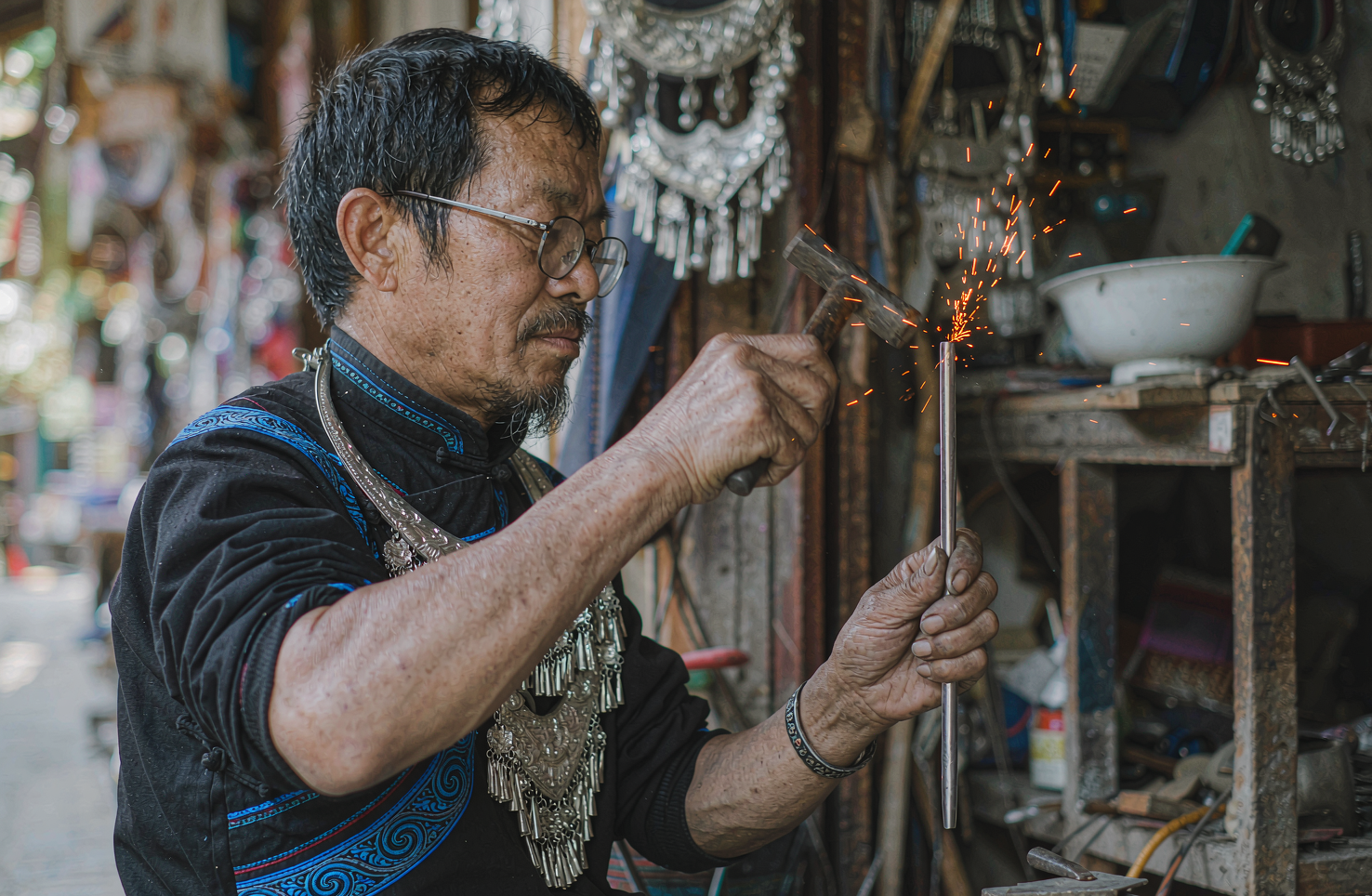
去贵州雷山,看一块银元如何变成一支银簪
在黔东南的苗寨里,银不只是一种首饰材料。它曾经是可以随时熔掉、重新打制的"存款",也是节日里一个女人身上最亮的那部分。关键在于,当一块老银元被放进坩埚,它要经过多少双手、多少道火,才重新成为一件能戴出门的东西。
韵和鸣 · 2026/10/9 · 60 阅读

漆器为什么能埋八千年不坏
在博物馆做漆器研究与修复的研究员老周,桌上常年摆着两样东西:一段出土的漆皮残片,一只新做不久的平遥推光漆盘。他说这两样东西隔着八千年,却是同一种材料。这次对话,我们从"漆器为什么埋几千年不坏"聊起,聊到最后,其实是手艺对材料的理解问题。
韵和鸣 · 2026/10/14 · 64 阅读
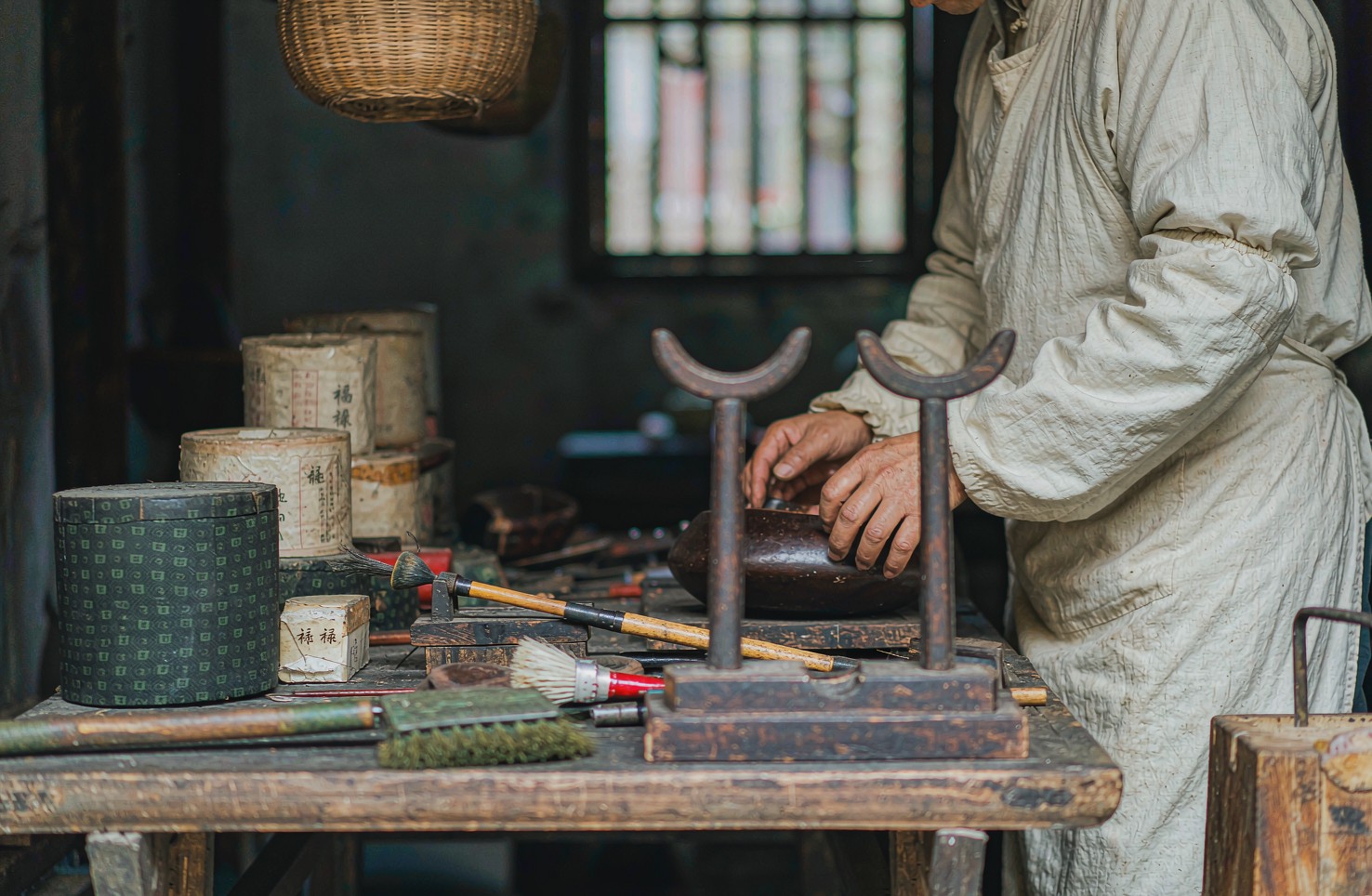
AI 生成的"非遗纹样",算不算抄袭
喂一批图给模型,几秒钟就能出一张"苗绣风"的纹样。有人觉得这是把传统纹样重新用起来,有人认为这是把别人一辈子的手艺免费拿走了。问题不好回答,说到底,真正难定的不是"像不像",而是数据从哪来、收益到哪去。今天我们不做判断,只把两边的理由摆出来。
韵和鸣 · 2026/10/24 · 56 阅读
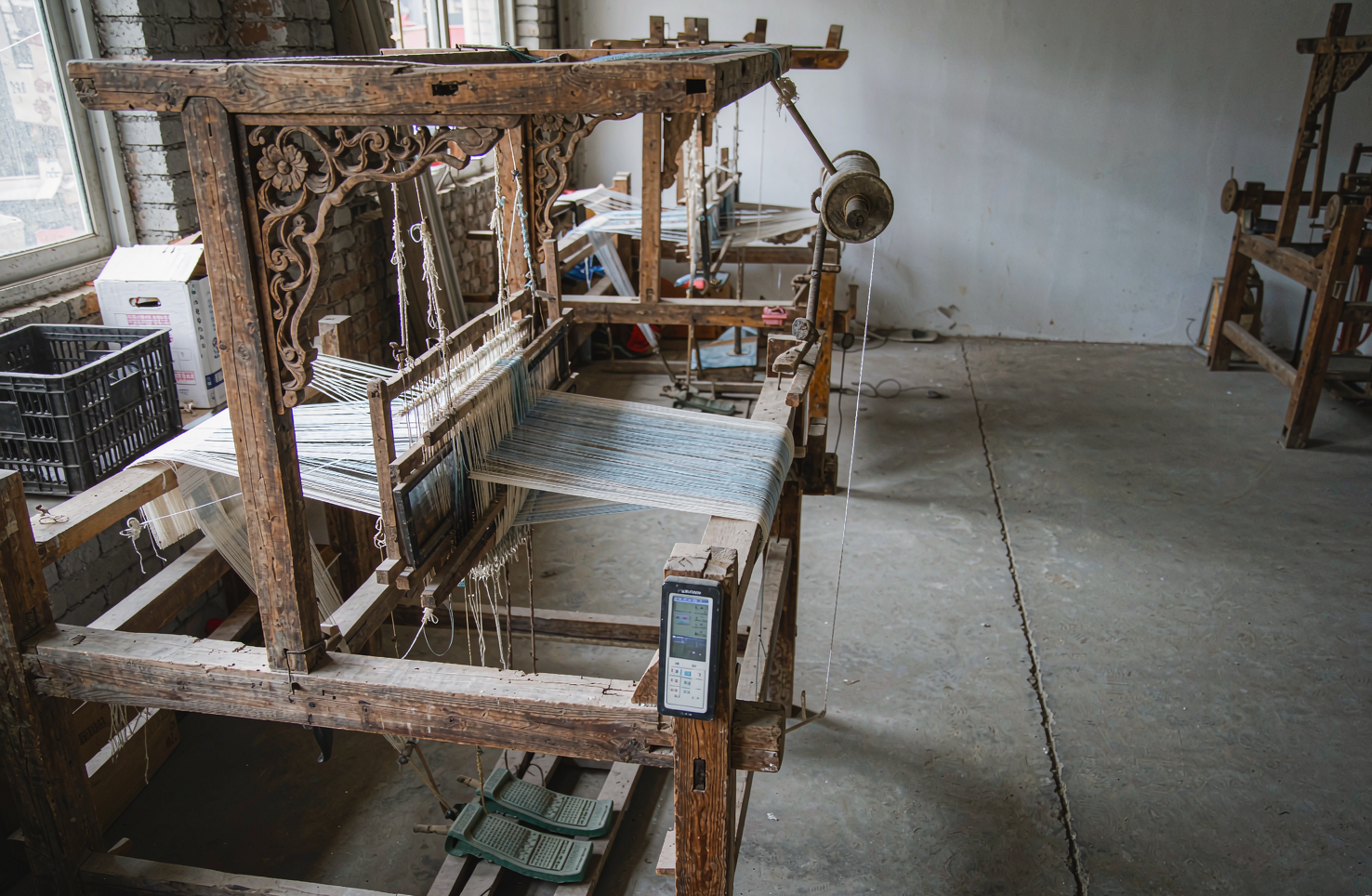
机器开始学手艺:是给匠人搭把手,还是来接班
一段流传很广的画面里,一台机械臂正跟着非遗传承人"学艺"——学劈丝、捻线、穿针。看的人分成两拨:一拨说技术帮上了忙,一拨说来抢饭碗了。同一件事读出两种意思,关键在于用什么尺度去量。
韵和鸣 · 2026/10/9 · 55 阅读
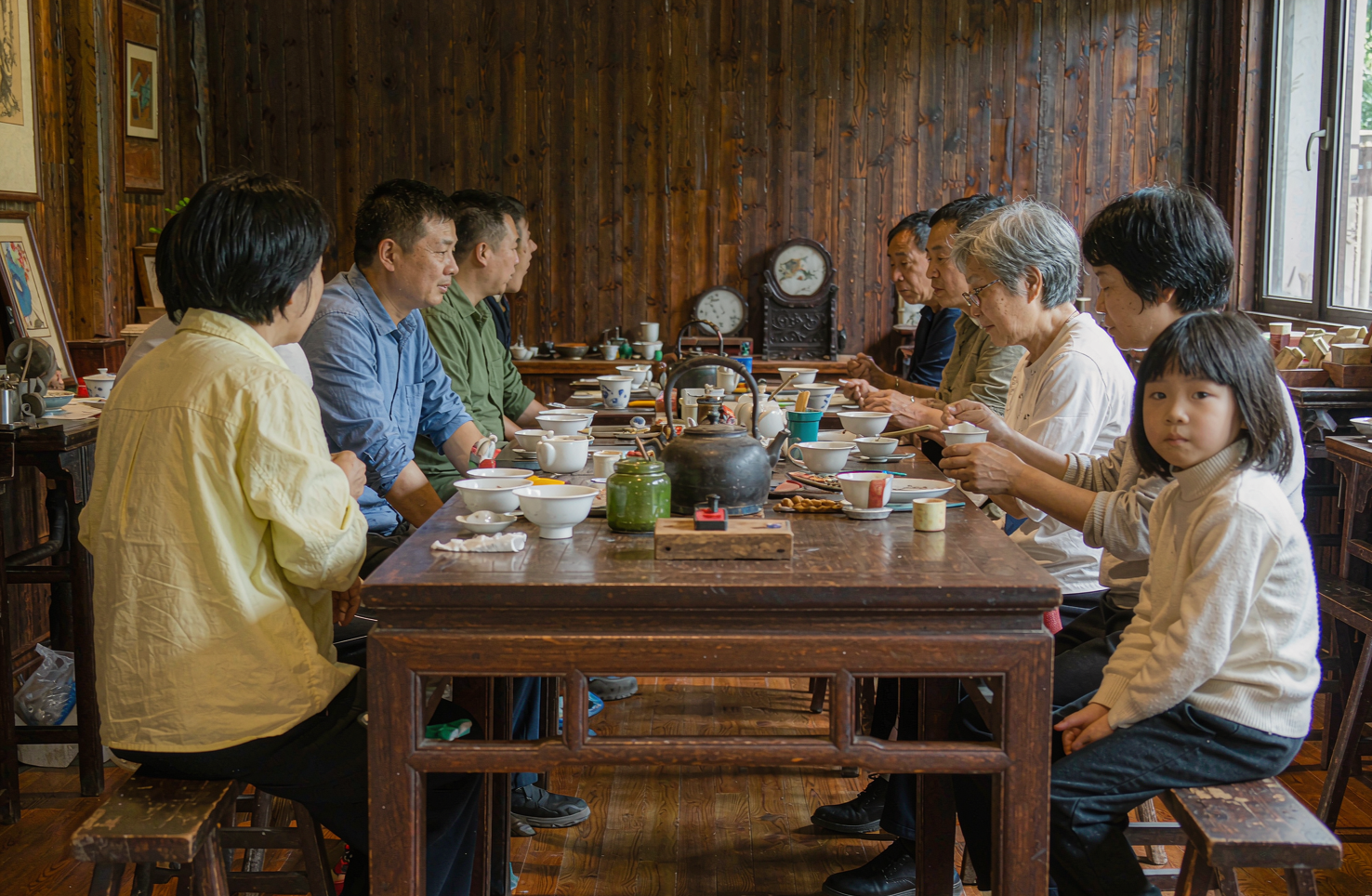
把"慢"做成一种体验:一间非遗会客厅的想法
我们习惯按功能给空间分类:吃饭的、购物的、办公的。但有一种很难归类——它在城市的闹处,不催你走,也不急着让你买单。关键在于,当"慢"被认真设计出来,它本身就可以是一种产品。
韵和鸣 · 2026/10/9 · 54 阅读
年轻人不愿学老手艺,该怪年轻人,还是怪这门手艺?
非遗传承里被讨论得最多的一句话是"后继乏人"。这句话往下追一层,就分成两条路:一条通向年轻人,说他们耐不住、看不上;一条通向他们面对的那门手艺,说它没能给出一条能活下去的路。这两条路,最近又吵起来了。
韵和鸣 · 2026/10/8 · 53 阅读